The Ultimate Bandana Necklace DIY: Fabric & Metal Material Guide
Master the bandana necklace DIY with our material comparison. Explore cotton, silk, sterling silver, and brass properties for durable, stylish jewelry.

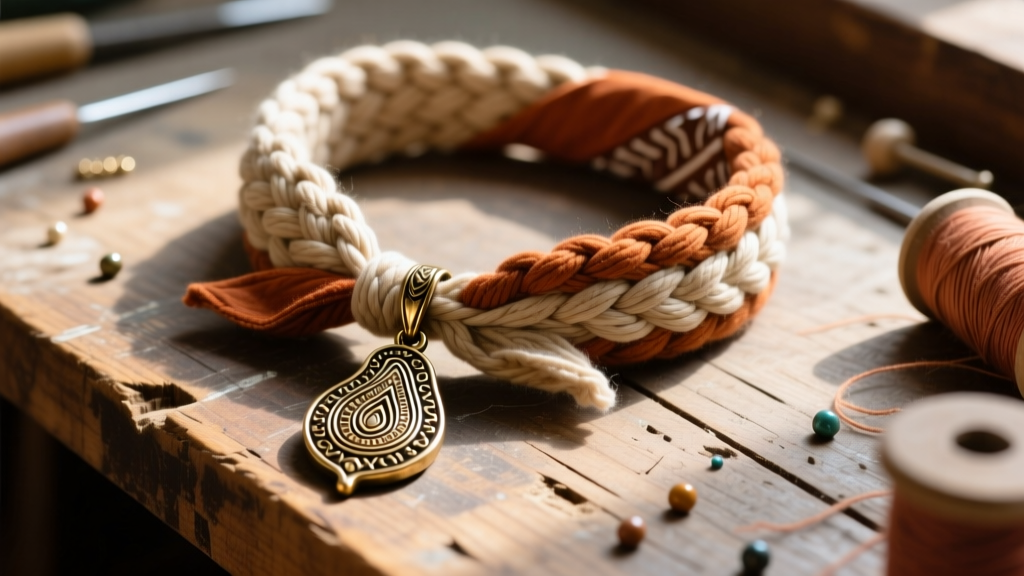
The Bandana Necklace DIY: A Study in Textile and Metal
The bandana necklace DIY trend has evolved far beyond simple festival crafts. In 2026, streetwear and high-fashion intersections have elevated the humble bandana into a complex jewelry medium. Whether you are upcycling vintage textiles into braided chokers or casting intricate paisley-motif metal pendants, understanding the material science behind your components is the difference between a piece that falls apart after one wear and an heirloom-quality accessory. This guide dives deep into the physical properties, tensile strengths, and metallurgical realities of crafting the ultimate bandana-inspired necklace.
Textile Base Materials: Cotton, Silk, and Poly-Blends
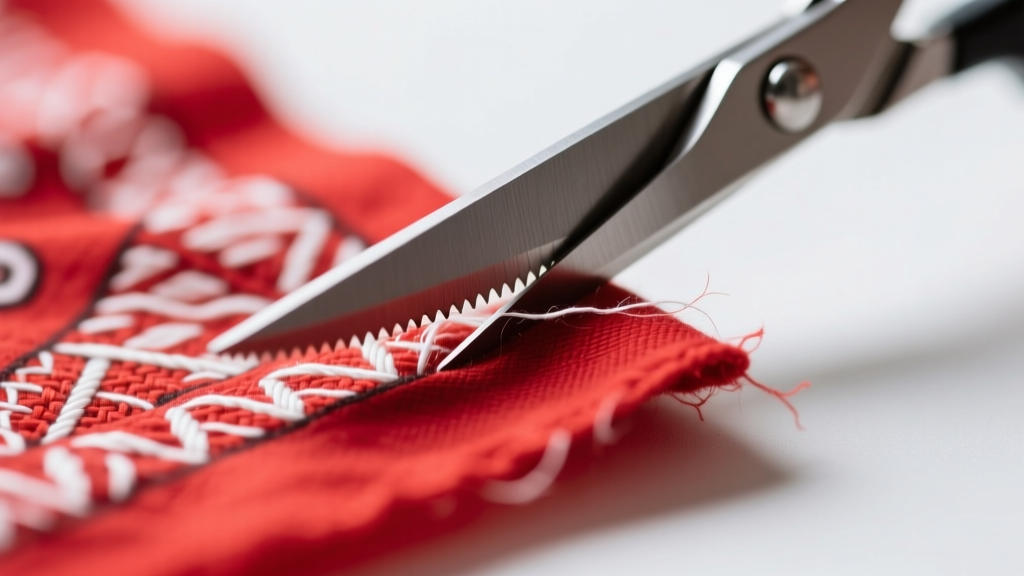
When constructing a fabric-based bandana necklace, the base material dictates your cutting, sealing, and knotting techniques. The traditional bandana is not just a pattern; it is a specific weave and weight that behaves predictably under stress.
100% Cotton (Standard Bandana)
Authentic bandanas are typically woven from 100% cotton with a standard 68x68 thread count (68 warp threads and 68 weft threads per square inch). This plain weave provides excellent breathability but creates a high-fray risk when cut on the bias. According to Cotton Incorporated, the staple length of the cotton fibers directly impacts the tensile strength of the yarn. Short-staple cotton, common in mass-produced bandanas, will pill and snap under the tension of a tight choker knot. For a durable DIY necklace, always source long-staple or combed cotton bandanas, which offer a smoother hand-feel and resist fraying when treated with chemical sealants.
Silk Twill vs. Polyester Blends
For luxury bandana necklace DIY projects, silk twill is the premier choice. Measured in momme (mm) weight, a 16mm to 19mm silk twill holds the complex paisley dye patterns with razor-sharp definition. However, silk is highly susceptible to water spotting and requires micro-serrated scissors to cut without the fabric slipping. Conversely, polyester-cotton blends (usually 65/35 poly-cotton) are hydrophobic and incredibly resistant to fraying. You can heat-seal the edges of a poly-blend bandana with a soldering iron or hot knife, melting the synthetic fibers into a permanent, flexible bead that eliminates the need for chemical fray-check liquids.
Fabric Material Comparison Chart
| Material | Weight / Weave | Fray Risk | Best Edge Sealing Method | Drape & Knot Security |
|---|---|---|---|---|
| 100% Cotton | 68x68 Thread Count | High | Dritz Fray Check / PVA Glue | Excellent grip, holds tight knots |
| Silk Twill | 16mm - 19mm | Medium | Micro-hemming / Clear Nail Polish | Slippery, requires square knots |
| Poly-Cotton Blend | 65/35 Ratio | Low | Thermal Heat Sealing (Hot Knife) | Stiff, may loosen over time |
Metal Motif Materials: Casting the Paisley Pattern
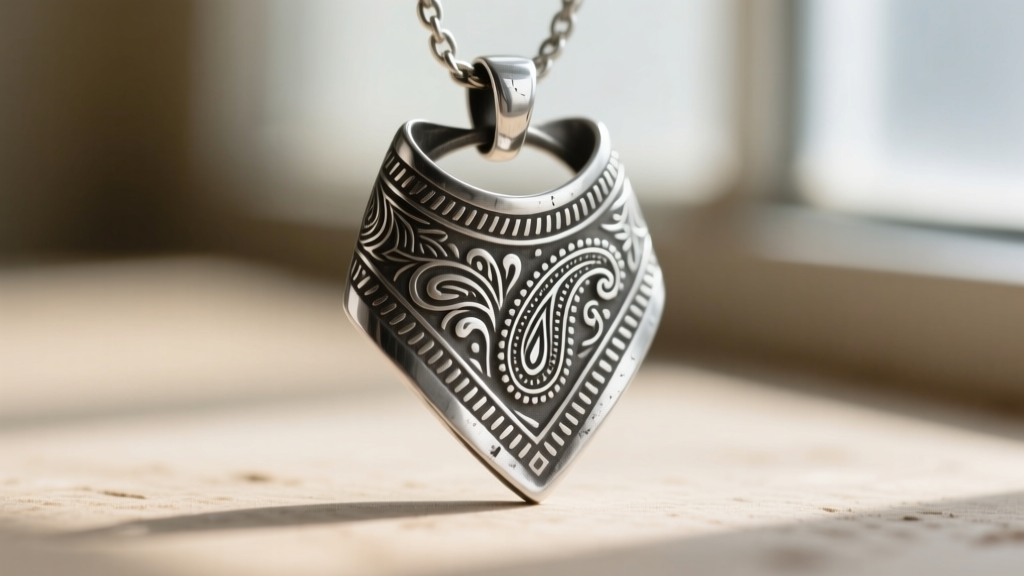
The "bandana motif" in metal jewelry relies heavily on the paisley pattern—a complex, swirling design that demands high-fidelity casting or precise stamping. If your bandana necklace DIY project involves creating a custom metal pendant to slide onto a fabric cord, your choice of alloy is critical.
Sterling Silver (925) vs. Cartridge Brass (C26000)
Sterling silver (92.5% silver, 7.5% copper) is the industry standard for high-end streetwear pendants. With a Vickers Hardness (HV) of roughly 60-70 in its annealed state, it is soft enough to capture the microscopic details of a paisley wax carving during the lost-wax casting process. However, the copper content makes it prone to sulfide tarnishing, especially when worn against the skin in humid conditions.
Cartridge Brass (C26000), an alloy of 70% copper and 30% zinc, is a superior alternative for DIY metal stamping. With a higher HV (around 80-100), brass holds stamped edges sharply without deforming. As noted by jewelry supply experts at Rio Grande, brass takes a brilliant high-polish finish that mimics gold, but it will oxidize and leave a green residue on the wearer's neck if not properly sealed. Bronze (90% copper, 10% tin) offers a warmer, antique patina that naturally complements the vintage aesthetic of a bandana, though it requires specialized patina chemicals like liver of sulfur to darken the recessed paisley details for contrast.
Hardware & Findings: Preventing Failure Points
The most common point of failure in a bandana necklace DIY build is the connection between the textile and the metal findings. Never use standard crimp beads directly on cotton or silk bandana strips; the metal will slice through the fabric fibers under tension.
- Jump Rings: Use 18-gauge (1.0mm) or 16-gauge (1.3mm) jump rings with a 5mm inner diameter. Anything thinner will warp when the fabric cord pulls against it.
- Cord Ends: Utilize folding ribbon crimps with teeth, but apply a drop of cyanoacrylate (super glue) to the fabric before folding the metal over it. This creates a rigid, glass-like bond that prevents the fabric from slipping out.
- Clasps: Magnetic tube clasps are highly recommended for thick, multi-strand braided bandana chokers, as traditional lobster clasps require too much dexterity to operate with thick textile cords.
Sealing & Finishing: Dye Fastness and Tarnish Prevention
"The longevity of mixed-media jewelry relies entirely on the barrier between reactive dyes, human sebum, and base metals. Skipping the sealing step guarantees a ruined garment and a tarnished pendant." — Master Metalsmith Journal
Bandanas are notorious for dye bleeding. The indigo and red dyes used in traditional bandana printing are often vat dyes that have not been fully fixed. Before incorporating any vintage or raw cotton bandana into a necklace, you must lock the color. Submerge the fabric in a bath of warm water and a commercial dye fixative (such as Rit ColorStay) for 30 minutes, then rinse in cold water until it runs clear. This prevents the necklace from staining the wearer's collar or skin when exposed to sweat.
For the metal components, especially if you are using brass or copper to keep material costs low, apply a micro-thin coat of a specialized jewelry sealant like ProtectaClear. Unlike standard clear nail polish, which yellows and chips within weeks, ProtectaClear is a polyurethane-based coating that cures into an invisible, skin-safe barrier. It prevents the copper alloys from reacting with the acidity of the wearer's skin, ensuring your intricately detailed paisley bandana pendant remains pristine for years to come.


