The Bar Necklace Meaning: How Metal Choices Shape Symbolism
Discover the true bar necklace meaning and how material properties like titanium strength or gold karats influence its symbolism and daily wear durability.

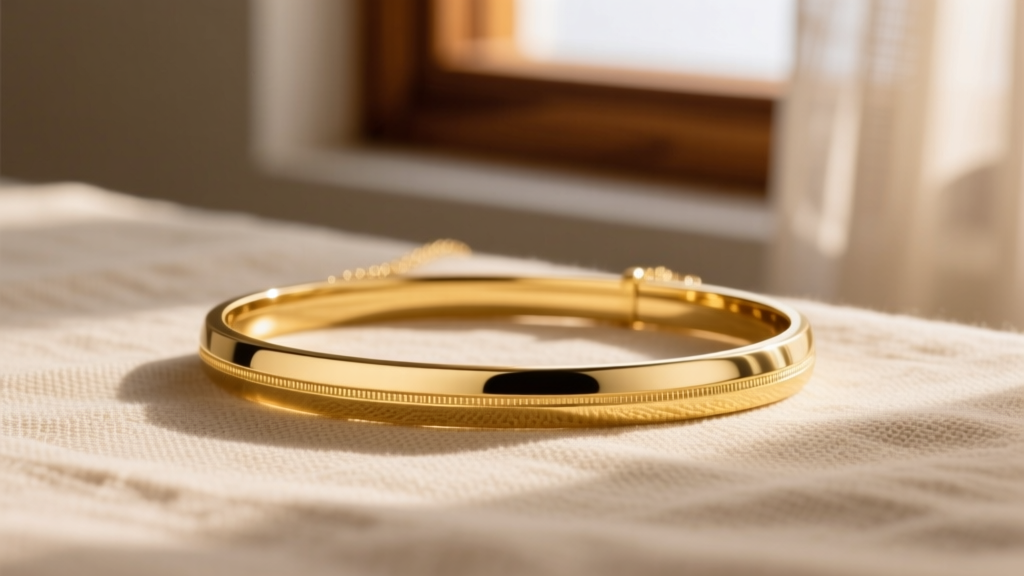
The Core Bar Necklace Meaning: Minimalism and Milestones
In the landscape of contemporary jewelry, few silhouettes carry as much quiet weight as the bar necklace. Stripped of ornate gemstones and complex filigree, the bar pendant relies entirely on its geometric purity and the intrinsic nature of its metal. But beyond its aesthetic appeal, what is the true bar necklace meaning? At its core, the bar represents balance, grounding, and a definitive milestone. A horizontal bar symbolizes stability, the horizon, and a grounded connection to the earth, making it a popular choice for celebrating anniversaries or personal grounding. Conversely, a vertical bar represents growth, resilience, and the connection between earth and sky, often gifted to mark graduations, career shifts, or personal breakthroughs.
However, the symbolic meaning of a bar necklace is only half the story. The metallurgical properties of the material chosen to forge the bar profoundly influence how that meaning is expressed and endured over time. A bar necklace meant to symbolize 'unbreakable resilience' loses its poetic impact if it is cast in a soft, easily bent alloy. In 2026, conscious consumers and jewelry designers alike are aligning the emotional intent of the bar necklace with the precise material science of the metals used to create it.
Material Properties and Symbolic Alignment
To truly understand how material elevates the bar necklace meaning, we must examine the specific alloys used in fine and fashion jewelry, analyzing their Vickers hardness (HV), tarnish resistance, and structural integrity.
14k and 18k Gold: The Legacy and Warmth Standard
Gold remains the premier choice for bar necklaces intended as heirloom gifts or markers of enduring love. However, pure 24k gold is far too soft (HV ~25) for a structural bar pendant, which is prone to warping under minimal pressure. Therefore, alloying is essential.
- 14k Gold (58.5% Gold): With a Vickers hardness of approximately 140-160 HV, 14k gold offers the ideal balance of richness and structural rigidity. A horizontal 14k yellow gold bar necklace will maintain its perfectly straight edge for decades. The alloy mix (typically silver, copper, and zinc) provides excellent resistance to daily wear and tear.
- 18k Gold (75%% Gold): Slightly softer (HV ~120-130), 18k gold offers a deeper, more saturated color but is more susceptible to micro-scratches. According to the Gemological Institute of America (GIA), the higher copper content in 18k rose gold not only provides its signature blush hue but also marginally increases its durability compared to 18k yellow gold, making it a highly symbolic choice for 'warmth and enduring passion'.
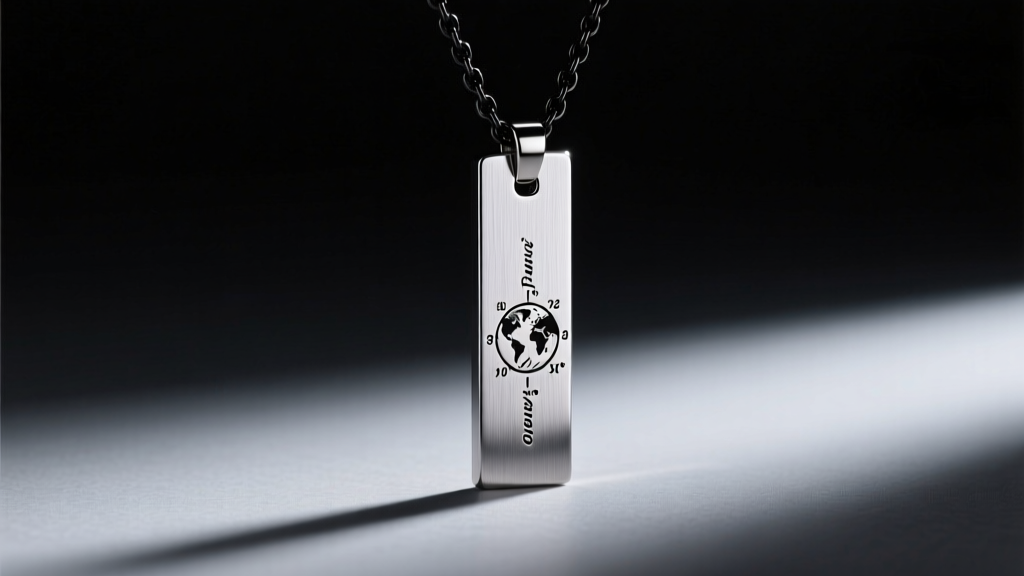
Titanium and Surgical Steel: The Resilience Metals
When the bar necklace meaning is tied to concepts of survival, unbreakable bonds, or modern industrial minimalism, alternative metals take center stage.
- Grade 5 Titanium (Ti-6Al-4V): This aerospace-grade alloy boasts a Vickers hardness of ~334 HV, making it virtually impervious to scratching from daily wear. It is exceptionally lightweight, meaning a thick, substantial vertical bar pendant won't pull uncomfortably on the nape of the neck. Symbolically, titanium represents unyielding strength and hypoallergenic purity, as it contains zero nickel.
- 316L Stainless Steel: Often used in fashion-tier bar necklaces, 316L steel contains molybdenum, which drastically increases its resistance to pitting and crevice corrosion. While heavier than titanium, it provides a satisfying, substantial drape and represents modern, utilitarian resilience.
Sterling Silver (925): Clarity and Adaptability
Sterling silver (92.5% pure silver, 7.5% copper) is the metal of clarity, reflection, and adaptability. It is highly malleable, allowing jewelers to create ultra-thin, delicate horizontal bars that sit flush against the collarbone. However, the copper alloy makes it susceptible to oxidation. As noted by The Silver Institute, the copper reacts with atmospheric sulfur to form silver sulfide, creating tarnish. For many wearers, this evolving patina is part of the bar necklace meaning—a reflection of time passed and the organic nature of the wearer's journey.
Metallurgical Comparison Chart: Durability vs. Meaning
When selecting a bar necklace, use this data matrix to align your material choice with the intended symbolism and your lifestyle requirements.
| Metal / Alloy | Hardness (HV) | Tarnish / Corrosion | Weight Profile | Symbolic Alignment | 2026 Avg. Price Range |
|---|---|---|---|---|---|
| 14k Yellow Gold | 140 - 160 | Highly Resistant | Medium-Heavy | Legacy, Warmth, Stability | $250 - $600 |
| 18k Rose Gold | 125 - 140 | Highly Resistant | Heavy | Passion, Enduring Love | $400 - $900 |
| Grade 5 Titanium | 330 - 340 | Impervious | Ultra-Light | Resilience, Modernity | $80 - $200 |
| 316L Steel | 150 - 190 | Highly Resistant | Heavy | Utility, Strength | $30 - $90 |
| 925 Sterling Silver | 60 - 75 | Prone to Sulfide Tarnish | Medium | Clarity, Evolution, Truth | $60 - $180 |
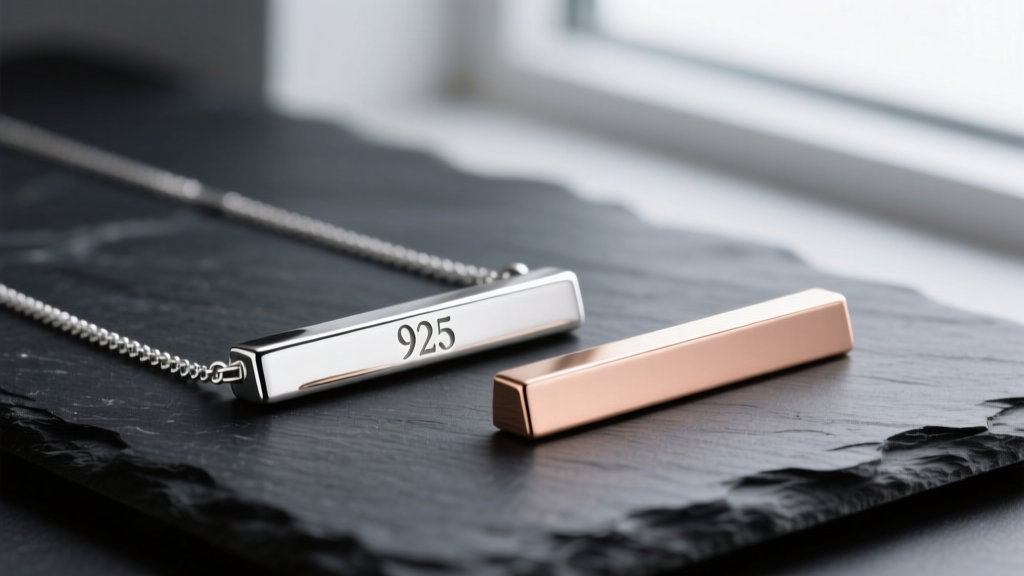
Chain Pairings and Structural Failure Modes
The meaning of a bar necklace is quickly undermined if the structural engineering of the piece fails. The bar pendant acts as a lever; if it is heavy and the chain is too fine, the clasp will migrate to the front of the neck, and the chain links will eventually stretch and snap.
Matching Chain Gauge to Bar Weight
- Solid 14k Gold Bars (over 3 grams): Require a minimum 1.2mm to 1.5mm box chain or cable chain. Avoid hollow rope chains, as the friction from the pendant bail will wear through the thin gold plating of hollow links over time.
- Titanium and Steel Bars: Because these metals are incredibly hard, a soft chain (like pure silver or high-karat gold) will suffer from severe abrasive wear at the connection loop. Always pair titanium bars with titanium or hardened steel chains to prevent galvanic and abrasive degradation.
- Delicate Sterling Silver Bars (under 2 grams): Can be beautifully paired with 0.9mm rolo or wheat chains, maintaining the ethereal, minimalist aesthetic that defines the silver bar necklace meaning.
Clasp Mechanics
For horizontal bar necklaces that sit wide across the collarbone, the weight distribution is relatively even. However, for long vertical bar pendants, the weight is concentrated at the center. Avoid standard spring-ring clasps for any bar necklace exceeding 4 grams; the internal tension spring will fatigue, leading to accidental loss. Opt for a 5mm or 7mm lobster clasp with a reinforced soldered jump ring.
Maintenance and Patina: Embracing the Material's Journey
How you maintain your bar necklace also ties into its personal meaning. A brushed titanium vertical bar requires virtually zero maintenance, symbolizing a low-maintenance, steadfast relationship or personal boundary. It can be cleaned with simple dish soap and a microfiber cloth.
Conversely, a high-polish 18k yellow gold bar necklace will accumulate micro-scratches over the years, developing a soft, satin-like patina. Many jewelers recommend leaving this patina intact, as it represents the physical record of the wearer's life experiences. If a mirror finish is desired, a professional jeweler can polish the bar, but this removes a microscopic layer of gold each time; thus, it should only be done every 3 to 5 years to preserve the structural integrity and sharp, geometric edges of the bar.
Final Thoughts on Wearing Your Meaning
The bar necklace meaning is not a monolith; it is a deeply personal narrative forged in metal. Whether you choose the unyielding aerospace strength of Grade 5 titanium to mark a hard-won personal victory, the warm, enduring legacy of 14k gold to celebrate a milestone anniversary, or the evolving, reflective nature of sterling silver to honor a journey of self-discovery, the material you choose is the physical anchor for your story. By understanding the metallurgical properties, hardness scales, and structural requirements of these metals, you ensure that the symbol you wear around your neck is as resilient and enduring as the meaning it represents.


