How to Build a Queen Elizabeth Pearl Necklace: Step-by-Step
Learn how to build and style a queen elizabeth pearl necklace. Our step-by-step guide covers pearl grading, silk knotting, and royal clasps.

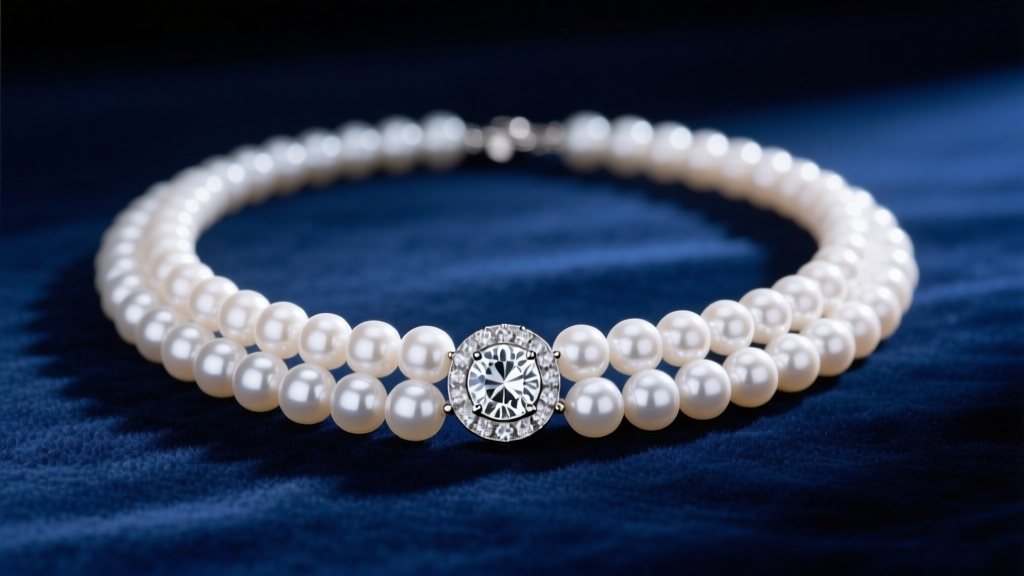
For over seven decades, the late Queen Elizabeth II defined royal elegance with her signature jewelry. Among her most iconic pieces was her collection of pearl necklaces, ranging from the historic three-strand Festoon necklace to her everyday graduated pearl strands. Recreating or purchasing a queen elizabeth pearl necklace requires an understanding of heritage jewelry construction, precise pearl grading, and traditional stringing techniques. This step-by-step guide will walk you through the exact specifications needed to build a royal-standard pearl necklace that honors this timeless legacy.
Step 1: Selecting the Right Pearl Grade and Luster
The foundation of any royal-inspired pearl piece is the nacre quality and luster. Queen Elizabeth primarily wore Akoya pearls for their sharp, mirror-like luster and perfectly round shapes. When sourcing pearls for your necklace, you must look beyond basic marketing terms and seek certified grades.
- Hanadama Certification: The highest grade of Akoya pearls, certified by the Pearl Science Laboratory of Japan. Hanadama pearls possess a minimum nacre thickness of 0.4mm and exhibit a phenomenal aurora luster. According to the Gemological Institute of America (GIA), luster is the most critical value factor for saltwater pearls.
- Size Selection: The Queen’s classic single strands typically featured pearls ranging from 8.0mm to 9.5mm. For a more dramatic, regal presence, opt for 9.0mm to 10.0mm Akoya pearls.
- Overtone: Look for a subtle rose or silver overtone. Rose overtones complement warmer skin tones and mimic the vintage warmth of the Queen's most photographed necklaces.

Step 2: Determining Strand Configuration and Sizing
A true queen elizabeth pearl necklace often references the Festoon style—a three-strand masterpiece originally commissioned by King George VI for his daughter (then Princess Elizabeth) using pearls from his own collection. Alternatively, her graduated single strands offered a more streamlined silhouette. Below is a technical breakdown of the configurations you can build.
| Configuration | Pearl Size (mm) | Total Weight (Approx) | Best Neckline Pairing |
|---|---|---|---|
| Classic Single Strand | 8.0 - 9.0 (Uniform) | 45 - 55 grams | Crew neck, Boat neck |
| Graduated Single Strand | 10.0 (center) to 6.5 (ends) | 50 - 60 grams | V-neck, Scoop neck |
| Double Strand (Choker) | 7.0 - 7.5 (Uniform) | 80 - 95 grams | Off-shoulder, Sweetheart |
| Three-Strand Festoon | 9.0 - 10.0 (Uniform) | 140 - 160 grams | Queen Anne, Strapless Gowns |
Step 3: The Art of Silk Knotting and Thread Selection
Royal jewelry is built to last generations. Machine-strung pearls with steel wire are strictly avoided in high-end heritage pieces. You must use traditional French silk knotting. This technique places a tiny knot between every single pearl, preventing them from rubbing together and ensuring that if the strand breaks, only one pearl is lost.
Material Specifications for Stringing:
- Thread: Use 100% natural silk thread. For 8.0mm-9.0mm pearls, a Size E (0.32mm) or Size F (0.35mm) silk thread is required. The thread should match the body color of the pearl or be slightly cream-toned.
- French Wire (Gimp): This is a microscopic, coiled metal wire applied to the ends of the silk thread where it passes through the clasp ring. It prevents the silk from fraying against the metal. Use 18k gold-filled or solid gold French wire in a fine gauge (0.6mm).
- Knotting Tool: While master stringers use a needle and awl, a precision pearl knotting tool ensures uniform tension and identical knot sizes (approximately 0.8mm per knot).
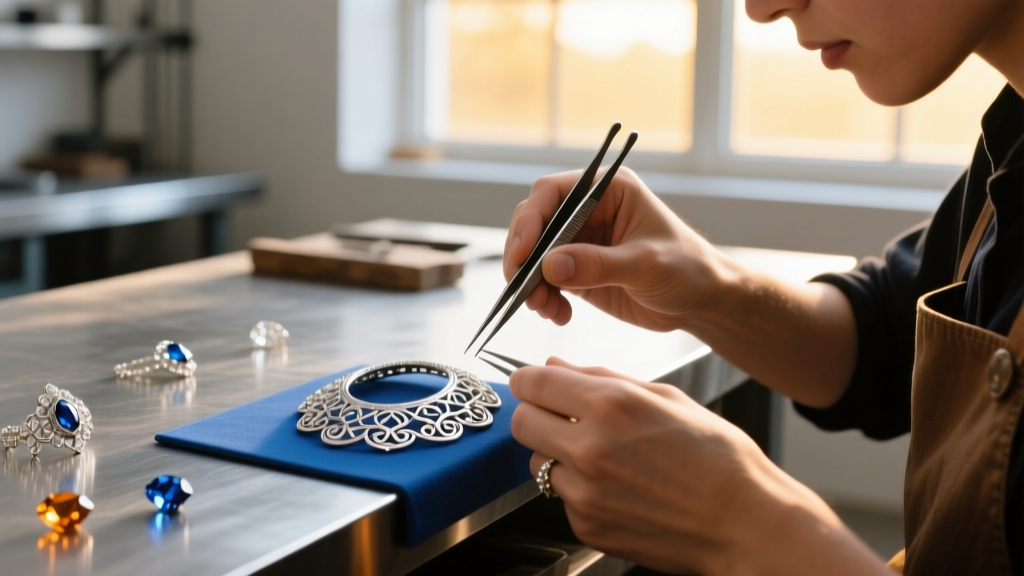
According to the Royal Collection Trust, the maintenance of the Queen's jewelry involved regular re-stringing by court jewelers to ensure the silk remained structurally sound, as silk degrades with exposure to skin oils and perfumes over time.
Step 4: Choosing the Royal-Standard Clasp
The clasp on a queen elizabeth pearl necklace is never an afterthought; it is a piece of fine jewelry in its own right. A standard lobster claw or spring ring clasp will instantly cheapen the piece and fail to support the weight of a multi-strand necklace.
A heritage pearl necklace requires a clasp that provides both structural security and aesthetic brilliance, acting as the anchor for the entire piece.
- Diamond Rondelle Clasp: The most historically accurate choice for the Queen's multi-strand pieces. This barrel or spherical clasp is encrusted with pave diamonds and features hidden loops for the strands to attach seamlessly.
- Safety Catches: A royal-standard clasp must include a double safety latch (a figure-eight wire that snaps over a button on the opposite side) to prevent catastrophic loss if the primary hinge fails.
- Metal Purity: Opt for 18k yellow gold or 18k white gold. Platinum is heavier and can drag down the silk thread over time, whereas 18k gold offers the perfect balance of durability and weight.
Step 5: Styling Your Royal Pearl Necklace for Modern Wardrobes
While the Queen favored structured tweed suits and pastel dresses, a royal pearl necklace can be integrated into a modern 2026 wardrobe with strategic styling. The key is balancing the traditional weight of the pearls with contemporary silhouettes.
Daytime Elegance
For a sophisticated daytime look, pair a graduated single strand (16-inch princess length) with a crisp, oversized white poplin button-down shirt. Leave the top two buttons undone to allow the center 10mm pearl to rest directly on the collarbone. Avoid pairing pearls with other heavy necklaces; let the luster stand alone.
Evening and Black-Tie
If you have constructed a three-strand Festoon, it demands a minimalist canvas. Wear it with a structured, strapless crepe gown in deep jewel tones like emerald or sapphire. The high contrast between the dark fabric and the bright white Akoya pearls will maximize the necklace's visual impact. Ensure the innermost strand sits snugly at 14 inches (choker length), with the subsequent strands dropping at 15.5 and 17 inches to create a cascading waterfall effect.
Step 6: Maintenance and Archival Storage
A necklace of this caliber requires meticulous care to preserve the silk and the pearl nacre. Never store your pearl necklace hanging on a jewelry tree; the weight of the pearls will stretch the wet or aged silk, causing permanent gaps between the knots. Instead, store the necklace flat in a lined archival box. Keep it away from ultrasonic cleaners and harsh chemicals. Wipe the pearls with a damp, lint-free microfiber cloth after every wear to remove acidic skin oils, which can etch the nacre over time and dull the Hanadama luster.
Final Thoughts on Heritage Construction
Building a queen elizabeth pearl necklace is an exercise in patience, precision, and respect for horological and jewelry traditions. By insisting on Hanadama-certified Akoya pearls, utilizing French silk knotting, and securing the strands with a diamond rondelle safety clasp, you are not just making a piece of jewelry—you are crafting a modern heirloom capable of spanning generations.


