2026 Trend Analysis: The Modern Pendant Pearl Necklace
Discover 2026 pendant pearl necklace trends. Explore baroque shapes, mixed-metal chains, and expert styling tips for modern pearl jewelry.

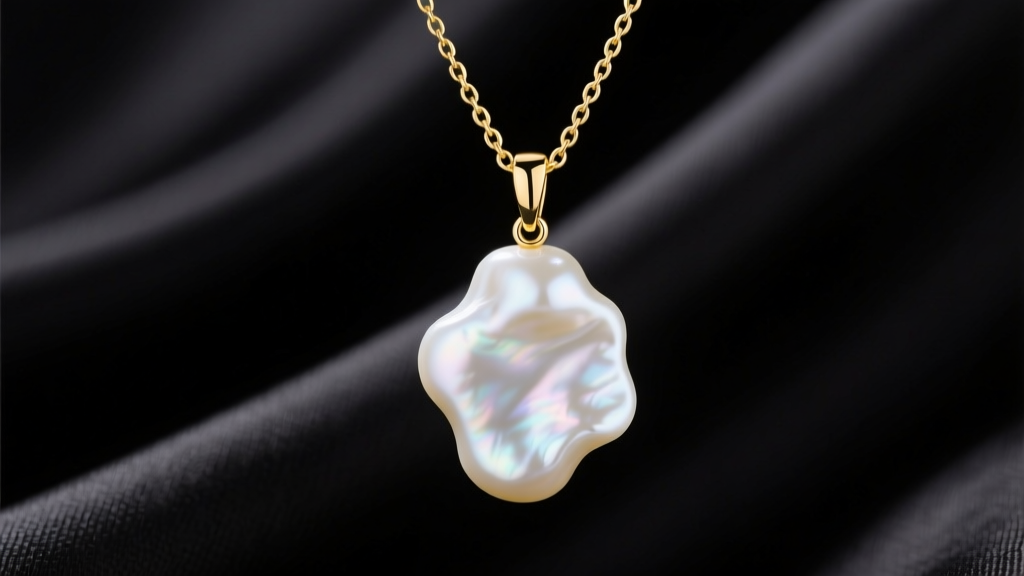
The Evolution of the Pearl Pendant: From Classic to Contemporary
For decades, the quintessential pendant pearl necklace was defined by a single, perfectly round Akoya pearl suspended from a gossamer-thin gold cable chain. While this traditional silhouette remains a staple of bridal and conservative wardrobes, the 2026 jewelry landscape has radically reimagined the pearl pendant. Today's style radar is tracking a massive shift toward organic imperfection, industrial hardware pairings, and mixed-metal layering. The modern pendant pearl necklace is no longer just an heirloom piece; it is a dynamic, everyday statement that bridges the gap between raw natural elements and precision-engineered metalwork.
According to trend forecasting by Vogue, the post-pandemic jewelry renaissance has cemented 'imperfect luxury' as a dominant aesthetic. Consumers are moving away from mass-produced uniformity, seeking out unique, one-of-a-kind gemstones that reflect individuality. This has propelled the baroque and keshi pearl to the forefront of pendant design, fundamentally changing how we source, set, and style these oceanic gems.
Material & Hardware Specifications: Beyond the Standard Bail
The most striking evolution in the 2026 pendant pearl necklace is the hardware. The traditional hidden bail or simple wire-wrapping is being replaced by architectural, mixed-metal, and even oxidized settings. Designers are intentionally creating friction between the soft, iridescent luster of the pearl and the harsh, matte finish of industrial metals.
Chain Pairings and Gauge Dynamics
A pearl pendant is only as good as the chain that supports it. In 2026, the delicate 0.8mm spring-ring chains of the past are being swapped for structural alternatives. The paperclip chain (typically 1.5mm to 2.2mm in width) and the box chain (1.2mm) are the preferred suspensions. These chains offer higher tensile strength and a modern geometric contrast to the organic curves of the pearl.
- Paperclip Chains (14k or 18k Gold): Ideal for medium-to-large baroque pearls (10mm-14mm). The elongated links provide a contemporary rhythm that complements irregular pearl shapes.
- Oxidized Sterling Silver Box Chains: Frequently paired with bright white freshwater keshi pearls. The dark, antiqued silver creates a high-contrast, moody aesthetic that appeals to avant-garde and minimalist wardrobes alike.
- Two-Tone Rope Chains: Alternating links of yellow gold and white gold or platinum. This eliminates the need to choose a single metal tone, making the pendant necklace universally layerable with other jewelry.
| Pearl Type | Ideal Chain Style | Nacre / Quality Focus | 2026 Est. Price Range (Solid Gold) |
|---|---|---|---|
| Baroque Freshwater | 18k Gold Paperclip (1.8mm) | Solid nacre, high orient/luster | $450 - $850 |
| Keshi (Tahitian) | Oxidized Silver Box Chain | Thick nacre, peacock overtones | $600 - $1,200 |
| Round Akoya (Classic) | 14k Gold Cable (1.0mm) | Minimum 0.4mm nacre, Hanadama grade | $800 - $1,500 |
| Edison Pearl (Drop) | Two-Tone Rope Chain | Metallic luster, clean surface | $550 - $950 |
2026 Styling Frameworks: Necklines & Layering
Styling a pendant pearl necklace in 2026 requires abandoning the outdated rule that pearls belong exclusively with modest, high-necked blouses or formal evening wear. The current style framework emphasizes juxtaposition and asymmetry.
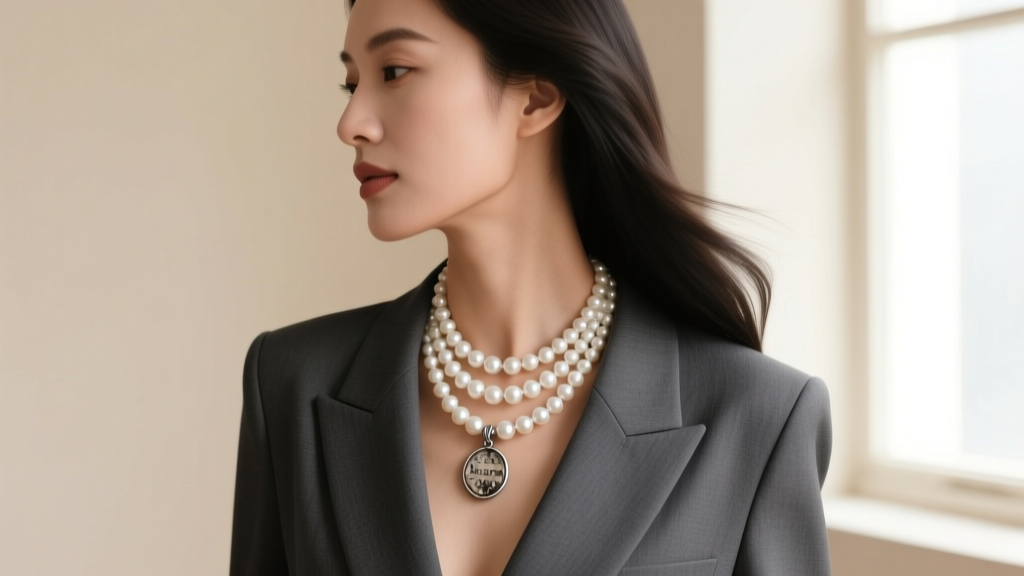
The Rule of Asymmetry and Mixed Textures
When layering, the single pearl pendant should serve as the 'anchor' or the 'outlier' in a curated stack. A highly effective 2026 technique is the asymmetric drop: pairing a 16-inch choker-style pearl pendant with a 22-inch heavy Cuban link chain that features no pendant at all. This creates a diagonal visual line across the collarbone that is incredibly flattering for deep V-necks, scoop necks, and unbuttoned silk blouses.
Furthermore, mixing textures is critical. If your pendant pearl necklace features a high-polish gold bail, layer it with matte-finished gold bands or hammered metal discs. The Gemological Institute of America (GIA) notes that the unique optical properties of pearl nacre—specifically its ability to scatter light through overlapping aragonite platelets—means pearls actually glow brighter when surrounded by matte or brushed metals, which do not compete for light reflection.
Occasion-Specific Pairings
"The modern pearl pendant is the ultimate day-to-night transitional piece. By simply swapping the chain or adding a secondary metallic layer, you shift the center of gravity from traditional elegance to modern edge."
- Corporate / Boardroom: A single, symmetrical drop-shaped Edison pearl on a 1.2mm 14k white gold box chain. Worn at an 18-inch length, it sits perfectly just above the collar of a structured blazer, offering a subtle nod to authority and refinement without appearing dated.
- Evening / Editorial: A massive, irregular baroque Tahitian pearl (13mm+) suspended from a blackened silver chain, worn at a 14-inch choker length against a backless or off-the-shoulder garment. The dark, moody overtones of the Tahitian pearl provide a sultry, dramatic focal point.
- Weekend / Casual: A small, white keshi pearl pendant layered with three varying lengths of gold-filled snake chains, worn over a simple white ribbed tank top or vintage denim jacket.
Sourcing and Quality Checks: Avoiding Treated Fakes
As the demand for unique pendant pearl necklaces surges, so does the market for heavily treated, coated, or dyed pearls. Understanding how to evaluate pearl quality is essential for both collectors and casual buyers.
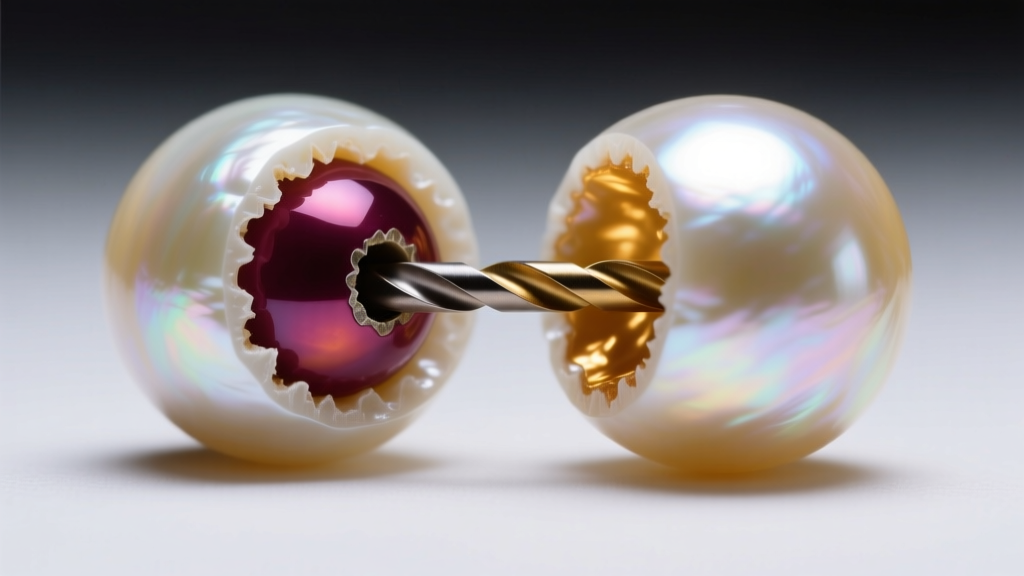
Identifying Nacre Thickness and Coating
The longevity of a pearl pendant depends entirely on its nacre thickness. Many mass-produced pendants utilize bead-nucleated freshwater pearls with nacre as thin as 0.1mm. Over time, friction against the metal bail or the wearer's skin will wear this thin layer away, revealing the dull shell bead underneath. Always seek out solid-nacre freshwater pearls (like keshi or high-grade baroques) or certified Akoya pearls with a minimum nacre thickness of 0.4mm.
Beware of 'coated' pearls. Some manufacturers apply a clear lacquer or polymer coating to low-grade pearls to artificially enhance their luster and hide surface blemishes. You can identify a coated pearl by its unnaturally perfect, plastic-like shine and a lack of depth in its iridescence. Under 10x magnification, coated pearls will show a smooth, glassy surface, whereas natural nacre will reveal a subtle, maze-like overlapping platelet structure.
The Drill Hole Inspection
The drill hole of a pendant pearl (usually located at the top where the bail or wire-wrap is inserted) is the best place to inspect for dye treatments. If you are purchasing a 'peacock' or 'chocolate' pearl pendant, examine the drill hole closely. If you see a dark line of color concentrated around the hole that contrasts with a lighter interior, the pearl has likely been dyed. High-quality, naturally colored pearls will show consistent coloration all the way through the nacre layers to the core.
Final Verdict on the Pearl Pendant Evolution
The 2026 pendant pearl necklace is a masterclass in balancing heritage with modern rebellion. By embracing the organic asymmetry of baroque and keshi pearls, pairing them with structural mixed-metal chains, and styling them with intentional juxtaposition, the pearl has been reclaimed as a versatile, everyday luxury. Whether you are investing in a high-luster Tahitian drop or a delicate freshwater keshi on a paperclip chain, the key is to prioritize nacre quality and embrace the beautiful imperfections that make each pendant entirely your own.


