Necklace Mould OSRS: Crafting Amulets for XP & Profit
Master the necklace mould in OSRS with our beginner guide. Learn where to buy it, top amulets for XP and profit, and real-world casting parallels.

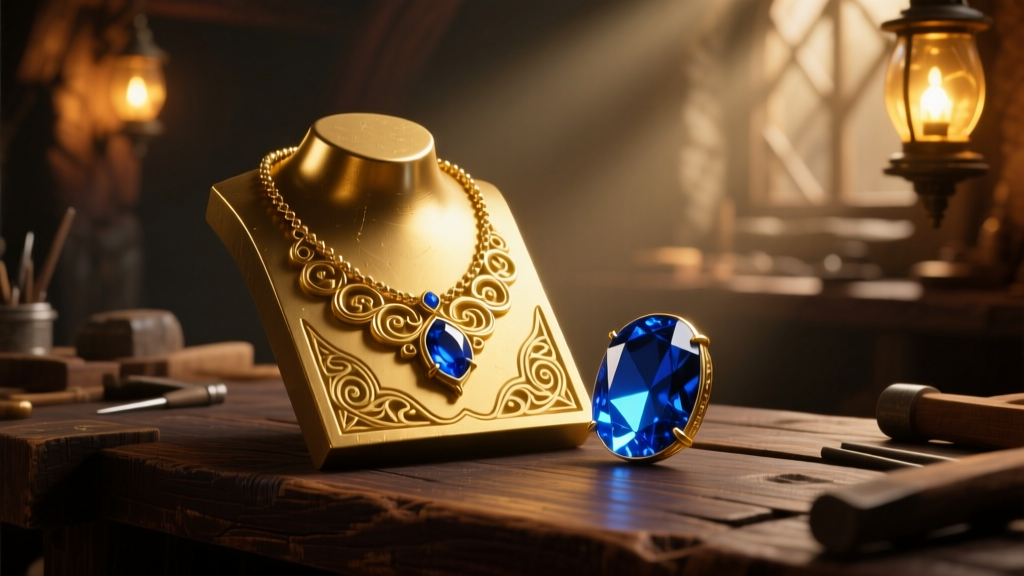
Whether you are a dedicated skiller aiming for the 99 Crafting cape, an Ironman needing essential gear, or a jewelry enthusiast curious about how digital games simulate metallurgy, understanding the necklace mould OSRS mechanics is crucial. In Old School RuneScape, the necklace mould is a fundamental tool that transforms raw gold bars and precious gems into unstrung amulets. But how does this pixelated process compare to actual bench jewelry? In this comprehensive guide, we will break down everything you need to know about acquiring, using, and maximizing the efficiency of the necklace mould in-game, while drawing fascinating parallels to real-world lost-wax casting techniques.
Where to Buy a Necklace Mould in OSRS
Before you can start churning out diamond amulets for profit or zenyte amulets for end-game bossing, you need to acquire the tool itself. Fortunately, the necklace mould is incredibly cheap and widely available. It costs a mere 5 coins and can be purchased from several jewelry and crafting stores across Gielinor.
Top Vendor Locations
- Dommik's Craft Shop (Al Kharid): Located right next to the Al Kharid furnace and bank, this is arguably the most convenient spot for beginners.
- Herquin's Gems (Falador): Situated in south Falador, close to the Falador bank and a short run to the Edgeville furnace.
- Rommik's Crafty Supplies (Keldagrim): Ideal for players training in the dwarven capital.
- Crafting Guild Shop: Requires 40 Crafting to enter, but places you steps away from a furnace and bank.
Pro-Tip for Ironmen: If you are playing an Ironman account, always keep a necklace mould (along with a ring and amulet mould) in your tool leprechaun or bank. Running out of moulds mid-crafting session is a frustrating waste of time.
Step-by-Step Amulet Crafting Guide
Using the necklace mould OSRS players rely on requires a specific inventory setup and proximity to a furnace. Unlike real-world casting, which takes hours of prep, OSRS condenses the process into a few clicks.
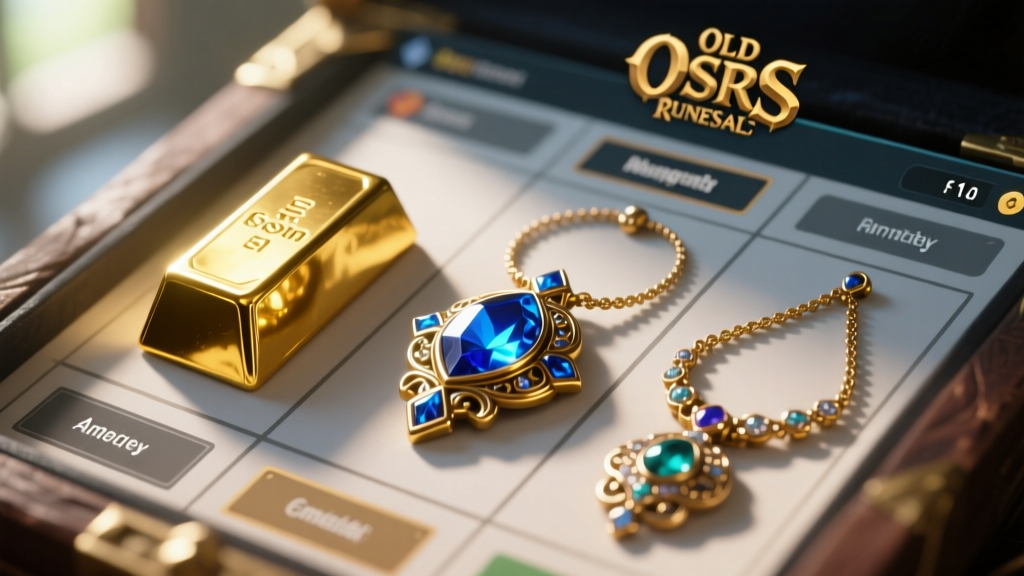
- Prepare Your Inventory: Ensure you have the necklace mould, gold bars, and your chosen cut gem (e.g., sapphire, ruby, dragonstone) in your inventory.
- Locate a Furnace: The Edgeville furnace is widely considered the best due to its immediate proximity to the Edgeville bank. The Al Kharid furnace is a close second.
- Initiate Crafting: Click on the furnace, select the amulet you wish to craft from the interface, and choose your quantity (All, 1, 5, 10, or X).
- Bank and Repeat: Once your gold bars are consumed, walk to the bank, deposit the unstrung amulets, and withdraw more materials.
Profit & XP Rates: Which Amulet Should You Craft?
Not all amulets are created equal. Depending on your Crafting level and financial goals, you will want to target specific gems. Below is a data table outlining the requirements, experience rates, and general market utility for each craftable necklace.
| Gem Type | Crafting Level | XP per Amulet | Primary Use / Enchantment |
|---|---|---|---|
| Sapphire | 16 | 55 | Amulet of Magic / Beginner XP |
| Emerald | 27 | 70 | Amulet of Defence |
| Ruby | 40 | 85 | Amulet of Strength / Digsite Pendant |
| Diamond | 56 | 100 | Amulet of Power / Ring of Wealth (via ring mould) |
| Dragonstone | 72 | 115 | Amulet of Glory / Skills Necklace |
| Onyx | 82 | 130 | Amulet of Fury (High Profit Margin) |
| Zenyte | 89 | 140 | Amulet of Torture / End-Game BIS |
For pure XP per hour, crafting Sapphire amulets at the Edgeville furnace yields roughly 130,000 to 150,000 XP per hour. However, for high-level players looking to generate wealth, crafting Onyx amulets and stringing them into Amulets of Fury remains one of the most consistent money-making methods in the game, as detailed by the OSRS Crafting Skill Guide.
Real-World Jewelry Parallels: OSRS vs. Actual Casting
As a jewelry style guide, we cannot help but compare the OSRS crafting interface to real-world bench jewelry. In Old School RuneScape, a gold bar and a gem are instantly fused via a mould. In reality, creating a gemstone pendant involves a complex, multi-step metallurgical process known as lost-wax casting.
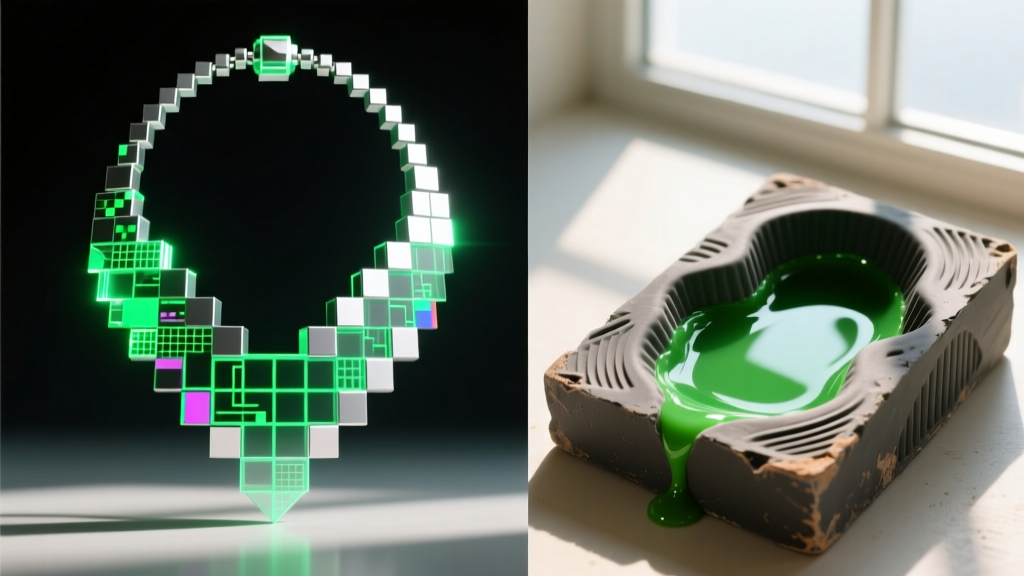
The Mould: Digital vs. Vulcanized Rubber
In OSRS, the necklace mould is a permanent, indestructible tool that dictates the final shape of the gold. In real-world jewelry manufacturing, the term "mould" usually refers to a vulcanized rubber or silicone mold used to inject wax patterns. Jewelers carve a master design in silver or CAD-print it in resin, then encase it in rubber and bake it under high pressure. Once cured, the rubber is sliced open to extract the wax duplicates. These wax patterns are then placed into a steel flask and surrounded by a plaster-like investment material.
Metallurgy and Melting Points
OSRS uses "gold bars" which we can assume are 24-karat pure gold. Pure gold has a melting point of 1,064°C (1,947°F). However, real-world jewelers rarely cast in 24k gold because it is far too soft to hold heavy gemstones securely. According to the Ganoksin Jewelry Making Community, most fine jewelry is cast in 14k or 18k gold alloys. By mixing pure gold with copper, silver, and zinc, jewelers lower the melting point slightly, improve the flow of the metal into intricate mold cavities, and drastically increase the tensile strength of the final pendant.
Furthermore, setting a gemstone in OSRS happens simultaneously with the casting. In reality, gemstones (especially heat-sensitive ones like sapphires or emeralds) are almost never cast in place. The gold is cast first, cleaned, polished, and the stones are meticulously set by hand using prongs or bezels to prevent thermal shock and fracturing.
Stringing and Enchanting: The Final Steps
An unstrung amulet is useless in combat. To finish your jewelry, you need a ball of wool. Players can spin wool on a spinning wheel (Lumbridge and Seers' Village are popular spots) to create balls of wool, which are then used on the unstrung amulets to grant an additional 4 Crafting XP per item.
Once strung, the amulet can be enchanted using the Magic skill. The spell required depends on the gem:
- Lvl-1 Enchant: Sapphire (Amulet of Magic)
- Lvl-2 Enchant: Emerald (Amulet of Defence)
- Lvl-3 Enchant: Ruby (Amulet of Strength)
- Lvl-4 Enchant: Diamond (Amulet of Power)
- Lvl-5 Enchant: Dragonstone (Amulet of Glory)
- Lvl-6 Enchant: Onyx (Amulet of Fury)
- Lvl-7 Enchant: Zenyte (Amulet of Torture)
Final Thoughts for Crafters
Mastering the use of the necklace mould in OSRS is a rite of passage for any aspiring Crafter. Whether you are mass-producing sapphire amulets to rush toward level 99, or carefully hoarding zenite shards for the ultimate melee pendant, the mechanics offer a satisfying, fast-paced loop. While it may lack the heat, danger, and metallurgical precision of real-world lost-wax casting, the digital grind provides its own unique rewards. Keep your inventory organized, your bank trips efficient, and always remember to string your amulets before heading into the Wilderness.
For more detailed drop rates and vendor locations, always refer to the Old School RuneScape Wiki to ensure your training methods are fully optimized for the current game meta.


