How to Choose a Ladies Diamond Necklace: Expert Guide
Discover our expert ladies diamond necklace buying guide. Learn how to evaluate the 4Cs, choose chain gauges, select metals, and avoid overpaying.

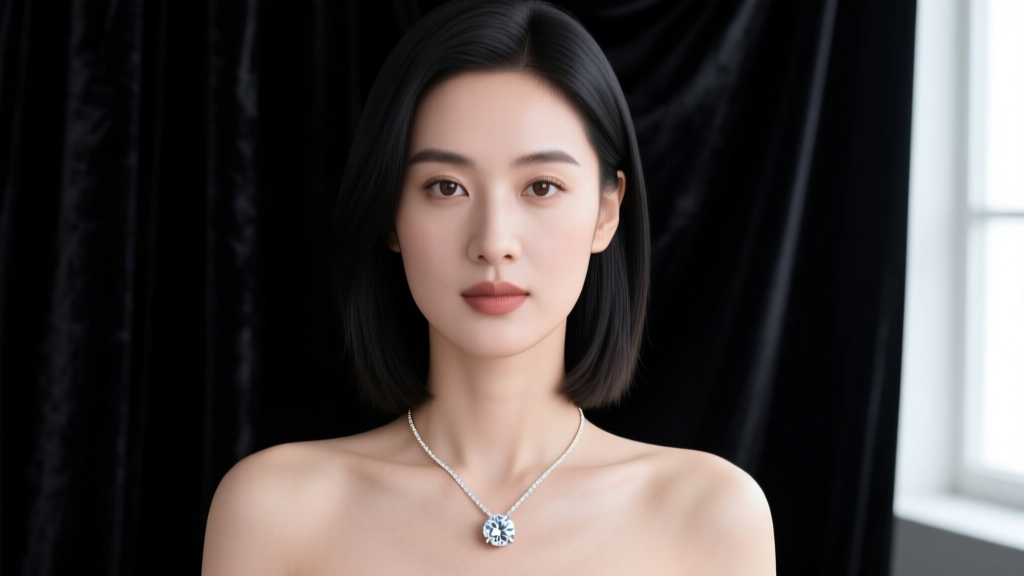
Introduction to the Modern Diamond Pendant
Choosing the perfect ladies diamond necklace requires navigating a complex matrix of gemology, metallurgy, and structural engineering. Unlike engagement rings, which are viewed from a static, intimate distance, pendants are dynamic. They move with the wearer, catch ambient light from varying angles, and rest against different fabrics and skin tones. In 2026, the rise of advanced lab-grown diamonds and shifting aesthetic preferences have completely rewritten the traditional buying playbook. This comprehensive guide strips away the marketing fluff to provide actionable, data-driven criteria for selecting a necklace that offers maximum brilliance, enduring durability, and genuine value.
Rethinking the 4 Cs for Necklaces
When investing in a diamond pendant, the traditional rules for rings do not strictly apply. According to the Gemological Institute of America (GIA), the viewing distance for a necklace is typically 12 to 18 inches. This optical shift fundamentally changes how you should prioritize the 4 Cs.
Clarity: The 12-Inch Rule
Because the diamond rests on the décolletage, inclusions that would be glaring in a ring become invisible to the naked eye in a pendant. You can confidently step down to an SI1 or even a well-chosen SI2 clarity grade. This strategic compromise can save you 20% to 35% on the stone's total cost without sacrificing visual brilliance. Avoid I1 grades, however, as large carbon inclusions can structurally weaken the stone or block light return.
Color and Metal Pairing
Diamond color perception is heavily influenced by the metal setting. For platinum or 18k white gold chains, stick to the near-colorless G to H range. The bright white metal will reflect through the stone, making lower colors (I or J) appear faintly yellow. Conversely, if you prefer 14k or 18k yellow gold, an I or J color diamond is an exceptional choice. The warm reflections of the gold will mask the diamond's natural tint, allowing you to allocate more budget toward carat weight.
Cut: The True Engine of Brilliance
Cut is the only human-controlled variable and the most critical factor for a pendant. For round brilliants, look for a table percentage between 54% and 58%, and a depth between 61% and 62.5%. This specific geometry ensures optimal light return, creating the "hearts and arrows" effect that makes a solitaire pop from across a dimly lit room.
Diamond Shapes and Neckline Geometry
The silhouette of the diamond dictates how it interacts with the wearer's anatomy. While the round brilliant remains the undisputed king of light performance, fancy shapes offer distinct aesthetic advantages.
- Oval and Marquise: These elongated shapes create a vertical line that visually lengthens the neck. They are ideal for 16-inch choker lengths.
- Pear Shape: A pear-shaped diamond should always be set with the point facing downward toward the décolletage. This creates a slimming V-line effect and draws the eye downward.
- Princess and Cushion: These square or rectangular shapes offer a modern, geometric aesthetic. However, their sharp corners are vulnerable to chipping if struck against a hard surface, making bezel settings highly recommended.
Chain Anatomy: Gauges, Lengths, and Hardware
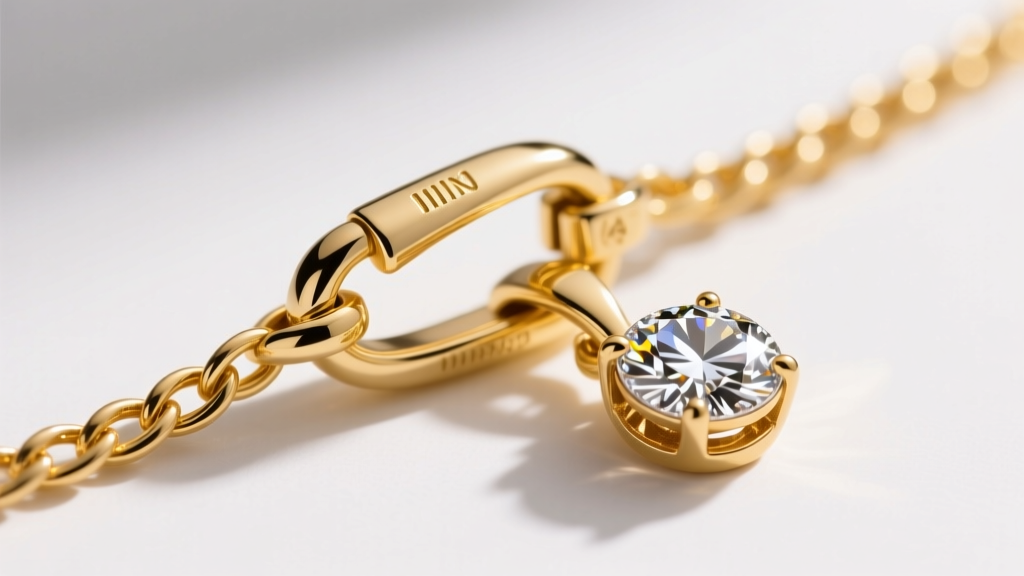
The chain is the structural backbone of your necklace. A common mistake is pairing a heavy diamond pendant with a micro-thin chain, leading to premature stretching or snapping.
| Chain Gauge (mm) | Max Pendant Weight | Best Chain Style |
|---|---|---|
| 0.8mm - 1.0mm | Up to 0.50 carats | Cable, Box |
| 1.1mm - 1.5mm | 0.50 to 1.50 carats | Wheat, Rope |
| 1.6mm - 2.0mm | 1.50+ carats | Figaro, Curb |
For lengths, the 18-inch princess length remains the industry standard for a ladies diamond necklace, resting perfectly on the collarbone. Always insist on a solid lobster clasp rather than a spring ring; the internal mechanism in a lobster clasp is significantly more robust and less prone to catching on knitwear or hair.
Metal Alloys and Wearability Realities
The metal you choose impacts both the longevity and the biocompatibility of the necklace. 14k white gold is often alloyed with nickel to achieve its white color, which is a common contact allergen. If you have sensitive skin, demand a nickel-free alloy (often alloyed with palladium) or opt for platinum. Platinum is naturally white, hypoallergenic, and denser than gold, meaning it will not wear away over decades of friction. However, expect to pay a 40% to 60% premium for platinum hardware compared to 18k gold.
Setting Architecture: Prong vs. Bezel
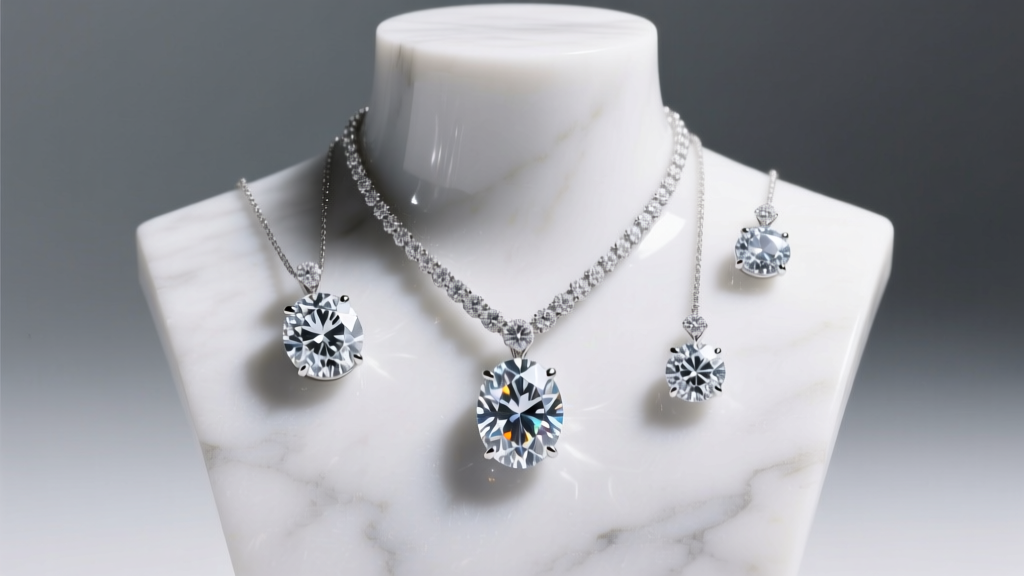
The setting dictates both the security of the diamond and its light performance. The classic 4-prong basket setting elevates the diamond, allowing maximum light entry from the sides. However, the prongs (typically 0.4mm to 0.6mm thick) can snag on silk or lace. For everyday wear, a bezel setting—where a continuous rim of metal encircles the diamond's girdle—offers superior protection. While a bezel hides roughly 5% to 8% of the diamond's surface area, it creates a sleek, modern silhouette that aligns perfectly with contemporary minimalist aesthetics and eliminates the need for annual prong tightening.
Market Pricing and Lab-Grown Shifts
The diamond market has undergone seismic shifts. As of 2026, lab-grown diamonds have achieved complete market saturation, driving prices down significantly. According to the FTC Jewelry Guides, retailers must clearly disclose the origin of the stone. Here is what you can expect to pay for a solitaire pendant in 14k gold:
| Carat Weight | Natural (G/VS2) | Lab-Grown (G/VS2) |
|---|---|---|
| 0.50 ct | $1,800 - $2,500 | $250 - $450 |
| 1.00 ct | $4,200 - $6,500 | $600 - $1,200 |
| 2.00 ct | $12,000 - $18,000 | $1,500 - $2,800 |
While lab-grown stones offer identical chemical and optical properties, their resale value remains negligible compared to natural diamonds. If you view the necklace as a pure aesthetic purchase, lab-grown is the undisputed winner for value. If you are seeking an heirloom asset, natural stones retain a more stable secondary market profile.
Certification and Red Flags
Never purchase a diamond necklace over 0.30 carats without an independent grading report. For natural diamonds, insist on GIA or AGS certification. For lab-grown, IGI and GCAL are the industry benchmarks. Beware of "in-house" certificates, which are notoriously inflated in color and clarity grades to justify higher prices. Always verify the laser inscription on the diamond's girdle using a 10x loupe to ensure it matches the dossier number on the certificate. By combining strategic compromises on clarity with rigorous verification of the cut grade, you will secure a ladies diamond necklace that delivers maximum brilliance and enduring structural integrity.


