Ultimate BaubleBar Turquoise Necklace Buying Guide 2026
Discover what to look for when buying a BaubleBar turquoise necklace in 2026. We cover materials, pricing, and expert care tips.

The Resurgence of Desert Luxe in 2026
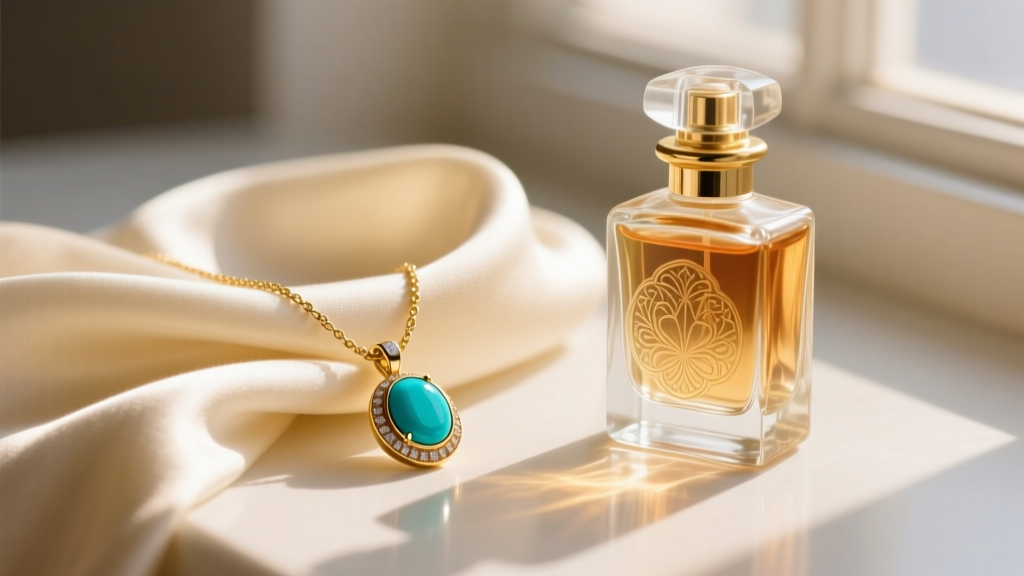
The jewelry landscape in 2026 has seen a massive pivot toward 'desert luxe' and elevated Southwestern aesthetics. At the forefront of this accessible luxury movement is the BaubleBar turquoise necklace. Known for their bold, trend-forward designs, BaubleBar has successfully translated the historic reverence for turquoise into modern, wearable fashion jewelry. However, navigating the fashion jewelry market requires a discerning eye. When you are shopping for a BaubleBar turquoise necklace, you are not just buying a pop of color; you are investing in a specific tier of metallurgy and gemstone simulation. This comprehensive buying guide will decode the materials, evaluate the hardware, and provide a structural framework for styling and maintaining your piece.
Decoding the Stones: Genuine vs. Fashion Turquoise
The most critical aspect of evaluating any BaubleBar turquoise necklace is understanding the gemological reality of the stone. BaubleBar operates primarily in the fashion and semi-fine jewelry space. Consequently, the 'turquoise' used in their sub-$100 collections is rarely natural, untreated turquoise. Instead, the brand relies on high-quality simulants and treated stones to achieve the vibrant, matrix-heavy look of Southwestern gems without the exorbitant price tag of genuine Sleeping Beauty or Kingman turquoise.
Common Materials Used by BaubleBar
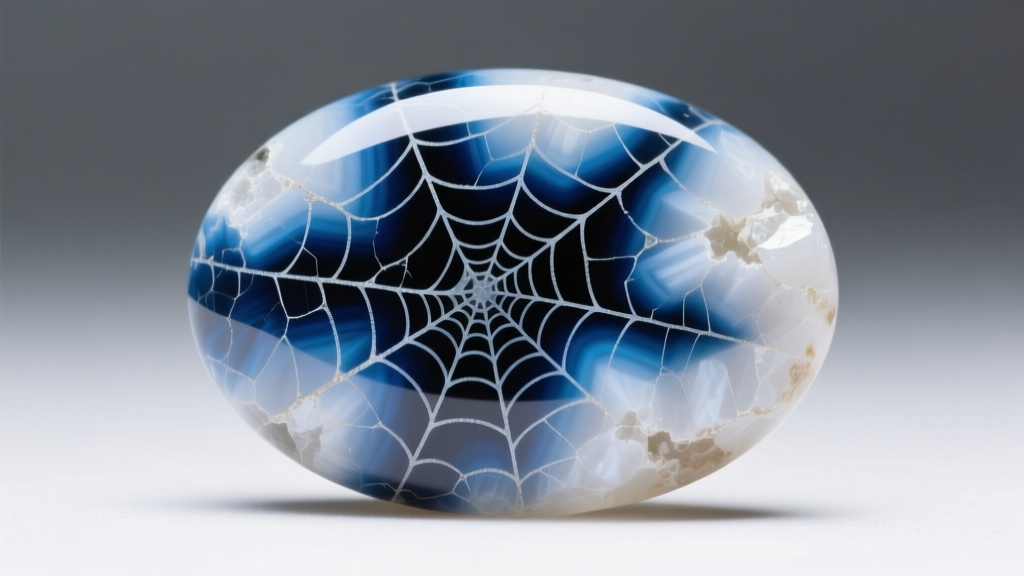
- Dyed Howlite and Magnesite: These are the most common stand-ins. Howlite is a naturally white, heavily veined mineral with a Mohs hardness of 3.5. It is highly porous, making it an excellent candidate for dyeing. The brown or black 'matrix' (webbing) seen in BaubleBar pieces is often naturally occurring howlite veining or artificially painted resin.
- Reconstituted Turquoise: This involves grinding genuine turquoise dust and fragments, then binding them with a polymer resin to form a solid block that is cut into cabochons. It contains real turquoise but lacks the structural integrity of a solid stone.
- Enamel and Glass: In their more playful, geometric collections, BaubleBar occasionally uses turquoise-colored enamel poured over brass, or molded glass with a foil backing to mimic the depth of a natural stone.
According to the Gemological Institute of America (GIA), the vast majority of turquoise on the commercial market undergoes some form of treatment, from waxing to the Zachery enhancement method. However, fashion brands like BaubleBar lean heavily into dyed howlite to keep price points accessible while maintaining visual authenticity.
Chain Metallurgy and Hardware Durability
The chain is the backbone of any pendant necklace, and understanding BaubleBar's metallurgy is essential for predicting the lifespan of your jewelry. Most BaubleBar turquoise necklaces feature a brass base metal with a gold or silver-tone plating. Brass is an excellent, durable base metal that holds intricate casting details well, but it requires a protective barrier to prevent oxidation.
Understanding the Plating
BaubleBar typically utilizes gold plating that ranges from 0.1 to 0.5 microns in thickness for their standard fashion lines. While this provides a brilliant initial luster, it is considered 'flash plating' in the industry. For their higher-tier 'Semi-Fine' collections, you may find gold vermeil, which legally requires a sterling silver base and a minimum of 2.5 microns of gold plating, as outlined by the Federal Trade Commission Jewelry Guides.
Failure Modes to Watch For
The primary failure mode of gold-plated brass necklaces is galvanic corrosion and mechanical wear. When the plating wears thin at the clasp or jump rings due to friction, the underlying brass is exposed to oxygen and the acids in your sweat. This results in the familiar green discoloration on the skin and a dull, dark tarnish on the chain. To mitigate this, always inspect the lobster clasps and extender chains on BaubleBar pieces; these high-friction areas are the first to show wear.
Pricing Tiers and Value Assessment
When shopping for a BaubleBar turquoise necklace, it is helpful to categorize their offerings into distinct pricing tiers. This helps manage expectations regarding material quality and longevity.
| Collection Tier | Primary Materials | Price Range (2026) | Best Use Case |
|---|---|---|---|
| Everyday Fashion | Brass, Flash Gold Plating, Dyed Howlite | $38 - $58 | Seasonal trends, vacation wear, casual layering |
| Statement & Collaborations | Heavy Brass, Enamel, Glass, Acrylic | $68 - $98 | Event styling, editorial fashion, bold focal pieces |
| Semi-Fine / Elevated | Sterling Silver Base (Vermeil), Reconstituted Stone | $108 - $148 | Heirloom-style gifting, daily wear with proper care |
Layering Frameworks for the Modern Neckline
A BaubleBar turquoise necklace rarely exists in a vacuum. The 2026 styling ethos is all about the 'curated cascade'—a deliberate, asymmetrical layering technique that mixes textures, metals, and gemstone sizes. Because turquoise is a visually dominant, opaque stone, it requires careful balancing to avoid looking costumey.
The 3-Piece Cascade Rule
- The Anchor (14-16 inches): Start with a delicate, minimalist gold or silver chain. A simple herringbone or box chain sits close to the collarbone and provides a metallic base without competing for attention.
- The Focal Point (18-20 inches): This is where your BaubleBar turquoise pendant sits. The 18-inch length ensures the stone rests perfectly on the sternum, drawing the eye downward and elongating the neck.
- The Terminator (24-28 inches): Finish with a long, lightweight lariat or a chain featuring a small, contrasting gemstone (like a tiny freshwater pearl or a black onyx bead) to anchor the bottom of the stack.

Care Protocols: Preventing Tarnish and Dye Bleed
Maintaining a BaubleBar turquoise necklace requires a dual-pronged approach: protecting the metal plating and preserving the integrity of the dyed stone. Because howlite and reconstituted turquoise are highly porous, they are incredibly susceptible to chemical damage and dye bleed.
What to Avoid
- Ultrasonic Cleaners: Never put a turquoise necklace (genuine or simulated) in an ultrasonic cleaner. The high-frequency vibrations can shatter reconstituted stones and strip the dye from howlite.
- Chemical Exposure: Perfumes, hairsprays, and lotions contain alcohols and solvents that will dissolve the polymer binders in reconstituted stones and cause the dye in howlite to leach out, potentially staining your clothing.
- Silver Dip Solutions: These harsh acids will instantly strip the gold plating off the brass base and leave the turquoise cabochon looking chalky and bleached.
The Proper Cleaning Routine
After each wear, gently wipe the chain and the stone with a dry, lint-free microfiber cloth. This removes the microscopic layer of sebum and sweat that accelerates brass tarnishing. If the stone becomes visibly soiled, use a barely damp cloth with a drop of mild, pH-neutral soap, wiping gently without soaking the stone. Always allow the necklace to air dry completely before storing it in an airtight anti-tarnish bag with a silica gel packet to control ambient humidity.
Final Verdict: Is It Worth the Investment?
If you are a gemological purist seeking untreated, high-grade natural turquoise, BaubleBar is not the correct destination for your investment. However, if you are looking for a meticulously designed, trend-relevant piece of fashion jewelry that captures the spirit of Southwestern design without the luxury markup, a BaubleBar turquoise necklace is an exceptional choice. By understanding the materials, respecting the plating limitations, and adhering to strict care protocols, your necklace will remain a vibrant, stylish staple in your jewelry box for years to come.


