Beachy Necklace Buying Guide: What to Look For in 2026
Discover how to choose the perfect beachy necklace in 2026. Learn about water-resistant metals, durable shells, and secure clasps for coastal wear.

The Anatomy of a True Beachy Necklace
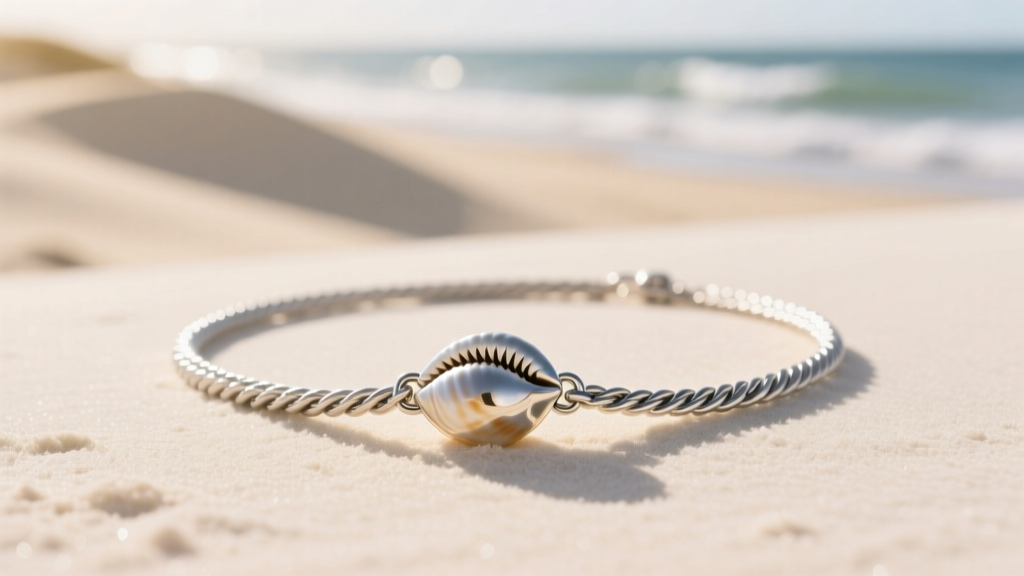
A true beachy necklace is not merely defined by its coastal aesthetic—think puka shells, sea glass, and turquoise beads—but by its structural ability to survive a highly corrosive environment. The coastal zone presents a unique matrix of jewelry hazards: highly saline water, abrasive silica sand, intense UV radiation, and chemical-laden sunscreens. When shopping for a beachy necklace in 2026, consumers must look past the bohemian styling and scrutinize the metallurgy, organic treatments, and mechanical hardware. According to Rio Grande's metallurgical charts, the galvanic corrosion rate of standard jewelry alloys accelerates by up to 400% when exposed to continuous saltwater immersion. This guide breaks down exactly what to look for to ensure your coastal jewelry survives the season.
Material Showdown: What Survives Saltwater and Sunscreen?
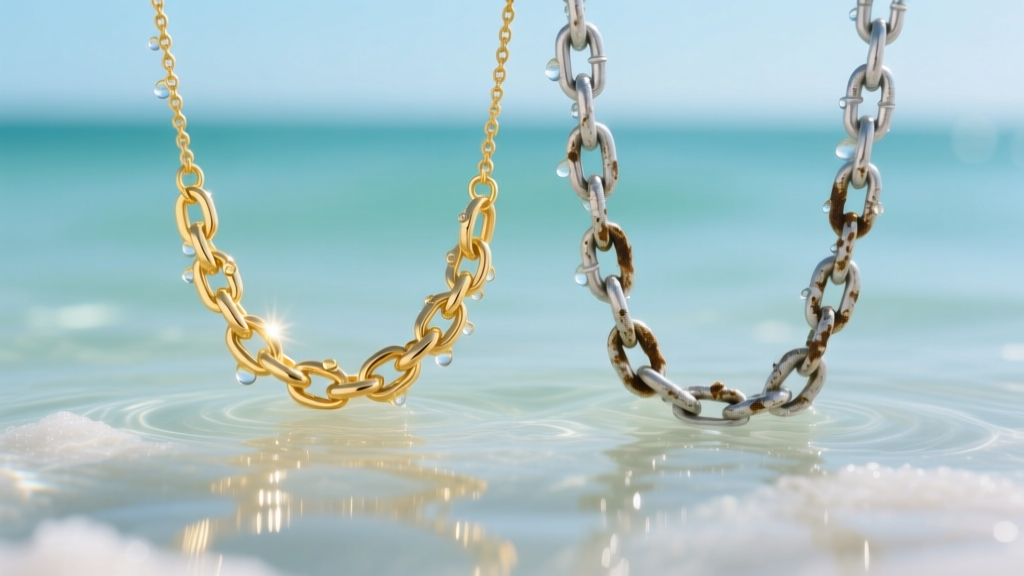
The base metal of your beachy necklace dictates its lifespan. Sterling silver (925), while a staple in everyday jewelry, contains 7.5% copper. When copper reacts with saltwater and the sulfur compounds often found in coastal air, it rapidly forms silver sulfide—a black tarnish that pits the metal over time. For 2026, the industry standard for affordable, water-resistant jewelry is 316L surgical stainless steel treated with PVD (Physical Vapor Deposition) coating. PVD bonds a microscopic layer (usually 0.3 to 1.5 microns) of titanium nitride or zirconium to the steel, creating an impermeable barrier against salt and chemical sunscreens containing oxybenzone.
| Material | Saltwater Resistance | Sunscreen Resistance | Mohs Hardness | 2026 Avg Price Range |
|---|---|---|---|---|
| Solid 14k Gold | Excellent | Excellent | 2.5 - 3.0 | $150 - $450 |
| 316L Steel + PVD | Excellent | Excellent | 5.5 - 6.0 | $35 - $85 |
| Sterling Silver (925) | Poor (Tarnishes) | Fair | 2.5 - 3.0 | $40 - $120 |
| Anodized Aluminum | Fair (Pitting risk) | Poor | 2.0 - 2.9 | $15 - $40 |
Organic Elements: Shells, Pearls, and Sea Glass
A beachy necklace frequently incorporates organic or oceanic elements, but these materials require strict vetting. The Gemological Institute of America (GIA) warns that porous organics are highly susceptible to chemical degradation.
Puka vs. Mother of Pearl vs. Cowrie
- Puka Shells: Naturally occurring cone shells with organic holes. They rate around 3.5 on the Mohs scale. While they resist saltwater well, their brittle nature makes them prone to chipping if struck against surfboards or rocks.
- Mother of Pearl (Nacre): Rated at 2.5 to 4.5 on the Mohs scale. Nacre is highly vulnerable to the acidic pH of chemical sunscreens and sweat. If you choose a Mother of Pearl beachy necklace, ensure it is set in a raised bezel to minimize skin contact and sunscreen exposure.
- Sea Glass: Tumbled silica glass rates between 5.5 and 7 on the Mohs scale, making it incredibly durable against salt and UV rays. However, the wire-wrapping (usually copper or silver) used to cage the glass is often the failure point. Look for sea glass pendants drilled and hung on PVD-coated jump rings.
Chain Styles and Clasp Security in Sandy Environments
Silica sand is essentially microscopic quartz, rating a 7 on the Mohs hardness scale. This makes it harder than gold, silver, and steel. When sand infiltrates the links of a necklace, it acts as a grinding paste.
Chains to Avoid vs. Chains to Buy
Avoid box chains and bead (ball) chains. The hollow, geometric links of a box chain easily trap silica particles, leading to internal friction that snaps the chain. Bead chains have a high surface-area-to-volume ratio and are notorious for trapping sand and snapping under the tension of ocean waves. Instead, opt for rope chains or smooth, tightly welded cable chains, which naturally shed sand and water due to their rounded, continuous profiles.
The Clasp Vulnerability
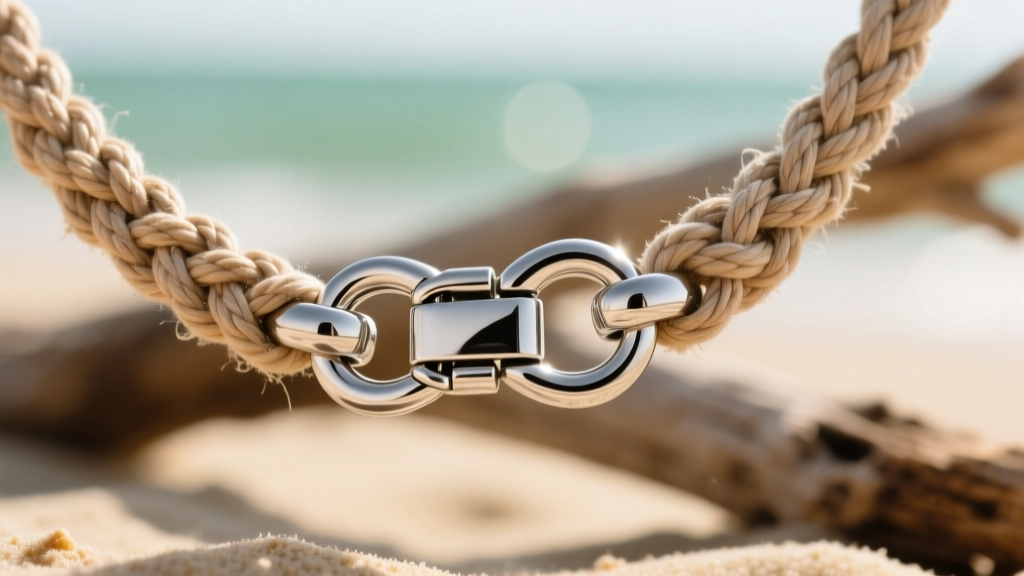
The spring ring clasp is the weakest point on any beachy necklace. The internal coil spring is easily jammed by a single grain of silica, resulting in a 40% higher failure rate in coastal environments. Always upgrade to a lobster clasp, which features a larger, more accessible lever mechanism that can be easily cleared of debris. For heavy surf or swimming, the most secure option is a continuous macramé sliding knot or a silicone cord with a friction bead, entirely eliminating metal hardware from the water.
Pricing Tiers and 2026 Brand Recommendations
When budgeting for a high-quality beachy necklace in 2026, expect pricing to reflect the protective technologies used. Entry-level fashion jewelry ($15–$30) often uses thinly plated brass, which will undergo galvanic peeling within three days of saltwater exposure. The sweet spot for durable, everyday coastal wear is the $45–$90 range, where you will find 316L stainless steel with genuine PVD coating, paired with ethically sourced, polished cowrie shells or stabilized turquoise. Premium solid 14k gold pieces ($200+) offer lifelong saltwater resistance but will inevitably accumulate micro-scratches from sand due to gold's inherent softness.
Care and Maintenance Post-Beach
"Never use ultrasonic cleaners on beachy necklaces featuring organic shells or treated sea glass. The high-frequency vibrations can cause micro-fractures in the nacre and shatter wire-wrapped settings."
Proper aftercare is critical. After a day at the beach, rinse your necklace in distilled or fresh tap water to neutralize the salt crystals before they dry and expand in the chain links. Gently pat dry with a microfiber cloth. Avoid using harsh silver polishes on mixed-material necklaces, as the abrasives will strip the natural luster from sea glass and dull the finish of PVD coatings. By prioritizing material science over fleeting aesthetics, you can invest in a beachy necklace that maintains its structural integrity and coastal charm for years to come.


