Beaded Chunky Necklace Buying Guide: What to Look For
Discover how to choose the perfect beaded chunky necklace. Learn about stone grades, stringing materials, clasps, and pricing in our expert buying guide.

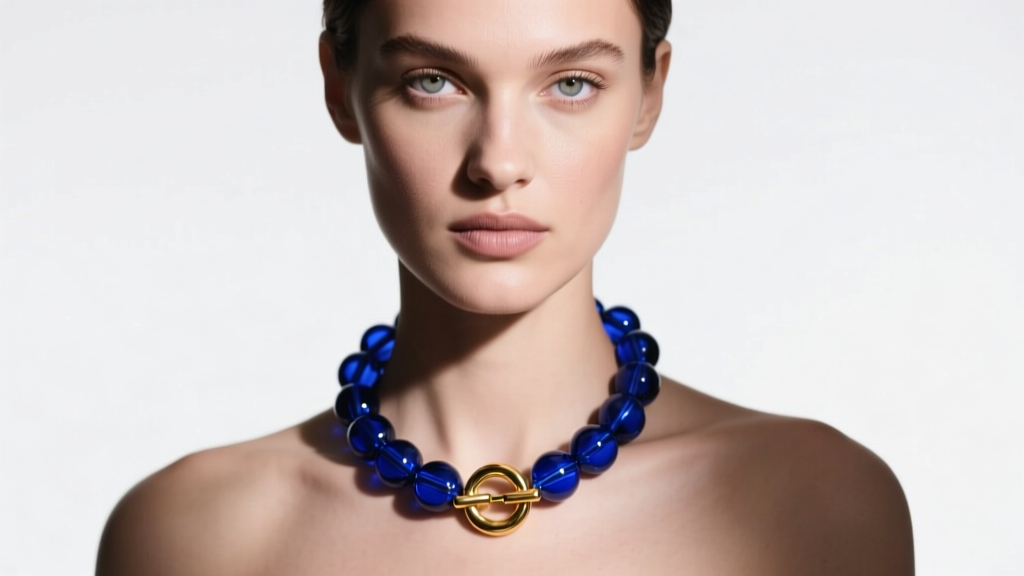
The beaded chunky necklace has evolved from a fleeting Y2K revival staple into a permanent fixture of modern jewelry wardrobes. As we navigate the style landscape of 2026, the demand for these bold, sculptural pieces has shifted from cheap, mass-produced plastics to high-quality, artisan-crafted materials. However, buying a substantial piece of beaded jewelry requires more than just an eye for color; it demands an understanding of structural integrity, material grading, and weight distribution.
Whether you are investing in natural semi-precious stones, Murano glass, or high-grade architectural resins, this comprehensive buying guide will teach you exactly what to look for to ensure your necklace is both beautiful and built to last.
The Anatomy of a High-Quality Beaded Chunky Necklace
When evaluating a chunky beaded piece, the first point of inspection is the bead material itself. "Chunky" typically refers to beads ranging from 12mm to 20mm in diameter. At this scale, material flaws, poor dye jobs, and uneven drill holes become glaringly obvious.
Glass vs. Resin vs. Semi-Precious Stone
- Artisan Glass (Murano/Lampwork): High-end glass beads offer incredible luminosity and weight. Look for smooth, polished drill holes. Cheap glass will have sharp, chipped edges around the hole that can fray the stringing wire over time.
- Architectural Resin & Lucite: In 2026, matte-finished and marbled resins are highly sought after. Ensure the resin is cast, not injection-molded, as cast resin lacks the visible seam lines that cheap plastics exhibit.
- Natural Semi-Precious Stones: Agate, jade, and jasper are popular for chunky designs. According to the GIA Gem Encyclopedia, buyers must be wary of heavily dyed stones. Inspect the drill holes with a jeweler's loupe; if you see dye pooling in the microscopic fractures near the hole, the stone has been artificially enhanced and may bleed color onto your skin or clothing when exposed to moisture.
The Core: Stringing Materials That Prevent Snapping
The most common point of failure in any heavy beaded necklace is the core stringing material. A 16mm glass bead weighs approximately 4 grams. A standard 40-bead collar necklace will weigh over 160 grams (about 5.6 ounces). This is a massive amount of kinetic stress on the cord.
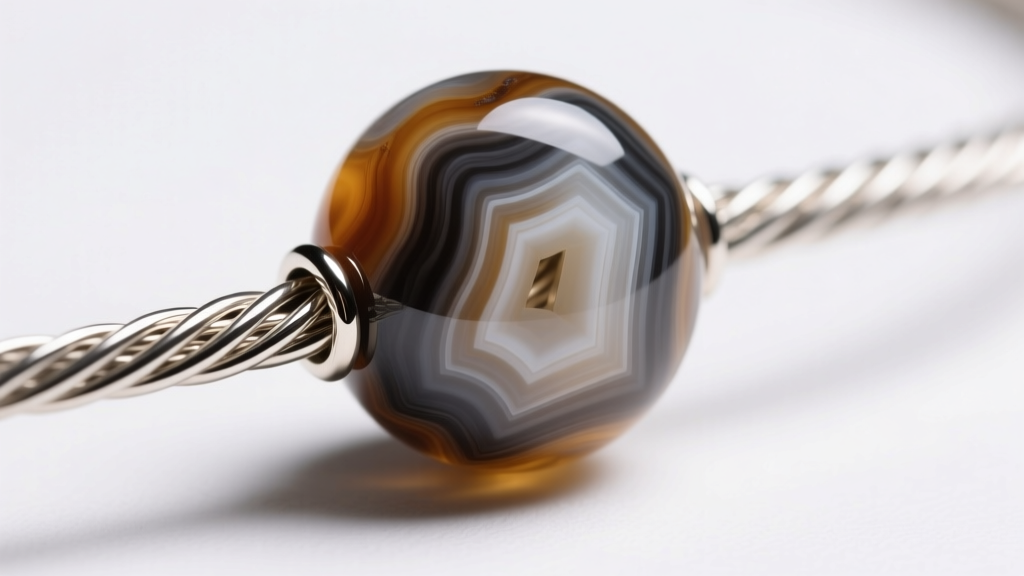
Why You Must Avoid Elastic Cords
Never buy a heavy, beaded chunky necklace strung on polyurethane or silicone elastic. Elastic stretches out within months, causing the necklace to sag, and eventually degrades and snaps without warning. Elastic is strictly for lightweight, small-bead bracelets or necklaces under 40 grams.
The Gold Standard: 49-Strand Coated Stainless Steel
High-quality chunky necklaces are strung on 49-strand stainless steel wire coated in nylon (such as the industry-standard Soft Flex brand).
- 0.018" diameter: Suitable for medium beads (10mm-12mm).
- 0.024" diameter: The required thickness for true chunky beads (14mm-20mm+). This gauge can support up to 30+ pounds of tensile strength, ensuring the necklace will never snap under its own weight.
Expert Check: Look at the clasp connection. The wire should be secured using a sterling silver or gold-filled "wire guardian" (a tiny horseshoe-shaped metal tube) and crimped with a seamless metal crimp bead. If the wire is simply tied in a knot or glued, walk away.
Sizing, Weight, and Neckline Pairing
The drape of a chunky necklace is heavily dictated by the bead diameter and the overall length. Because the beads are rigid and large, they do not conform to the collarbone as easily as fine chains. According to Jewelers of America, proper sizing ensures the piece sits correctly without choking the wearer or flipping awkwardly.
| Bead Diameter | Optimal Length | Estimated Weight | Best Neckline Pairing |
|---|---|---|---|
| 10mm - 12mm | 16" (Choker) | 60g - 80g | V-necks, Scoop necks |
| 14mm - 16mm | 18" (Princess) | 100g - 130g | Crew necks, Button-downs |
| 18mm - 20mm+ | 20" - 24" (Matinee) | 150g - 220g+ | High necklines, Turtlenecks, Blazers |
Hardware: Clasps and Findings That Won't Fail
When a beaded chunky necklace weighs upwards of 150 grams, a standard lobster clasp on a tiny jump ring is a recipe for disaster. The weight will cause the jump ring to pull apart, dropping your expensive piece to the floor.
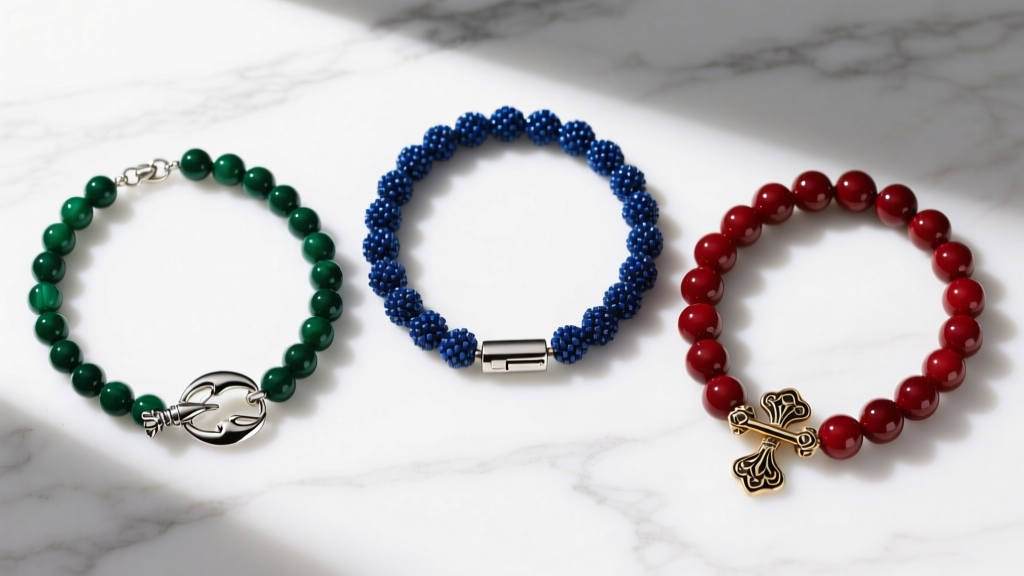
The Best Clasp Options for Heavy Beads
- The Toggle Clasp: This is the undisputed champion for chunky necklaces. The natural downward weight of the heavy beads keeps the T-bar firmly seated inside the ring. Ensure the T-bar is at least 1.5 times longer than the inner diameter of the ring to prevent accidental slipping.
- Neodymium Magnetic Clasps: Excellent for ease of use, but they must feature a secondary safety chain. If the magnets slip, the safety chain catches the 200-gram necklace before it hits the ground.
- Oversized Lobster Clasp: If a lobster clasp is used, it must be a heavy-duty, solid-cast piece (not hollow stamped metal) attached to a soldered (not split) jump ring.
Pricing Tiers & Red Flags to Avoid
Understanding the market value of a beaded chunky necklace protects you from overpaying for synthetic materials disguised as natural stones. Below is a general pricing framework for 2026 based on an 18-inch strand.
Market Pricing Breakdown
- Acrylic / Injection-Molded Resin ($20 - $50): Lightweight, often features visible seams. Fun for fast fashion, but lacks longevity.
- Hand-Poured Glass / Lucite ($75 - $180): Excellent weight, vibrant colors, durable. The sweet spot for everyday statement pieces.
- Natural Semi-Precious (Agate, Jasper, Jade) ($150 - $450): Price scales exponentially with bead size, as cutting flawless 18mm stone beads yields massive material waste.
- Fine Organic Gems (Amber, Coral) ($500+): Genuine, untreated large amber or coral beads are rare and command premium investment prices.
Expert Red Flag Warning: If a necklace features perfectly uniform, hyper-vibrant "emerald" or "ruby" beads that are 16mm or larger, but is priced under $100, you are looking at dyed glass or synthetic spinel. Natural gemstones of that size with true color saturation cost thousands of dollars per bead.
Final Verdict: Building Your Collection
A well-chosen beaded chunky necklace is a wearable sculpture that anchors your entire outfit. When shopping, prioritize the structural engineering just as much as the aesthetic. Demand 49-strand wire, inspect the drill holes for chipping, and insist on hardware that can handle the kinetic energy of heavy beads. By focusing on these technical details, you will invest in a statement piece that remains secure, comfortable, and breathtaking for decades to come.


