Beaded Tube Necklace Materials: Properties & Comparison
Compare glass, ceramic, metal, and stone materials for your beaded tube necklace. Discover durability, weight, and skin-safe properties in our guide.

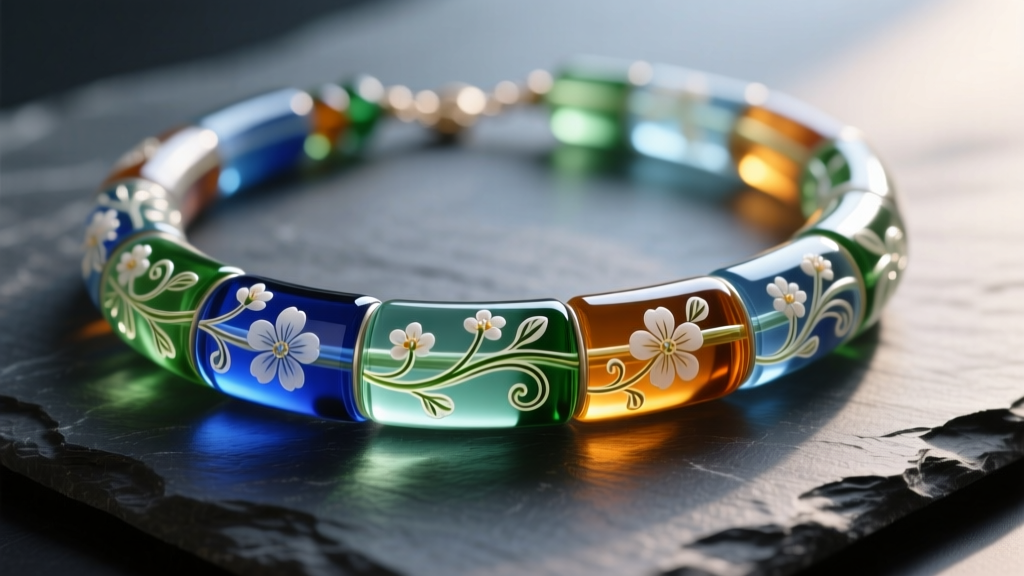
The Anatomy of a Beaded Tube Necklace
When designing or purchasing a beaded tube necklace, the cylindrical geometry of the beads dictates far more than just the visual silhouette. The tubular shape affects how light refracts through the material, how the piece drapes against the clavicle, and crucially, how the internal stringing material withstands friction. Unlike spherical beads that roll freely, tube beads sit flush against one another, creating a structured, almost architectural drape. However, the structural integrity and longevity of your necklace depend entirely on the base material of those tubes. In this comprehensive guide, we break down the metallurgical, mineral, and synthetic properties of the most popular tube bead materials, providing you with the technical data needed to make an informed choice for everyday wear or archival-quality jewelry.
Material Breakdown: Glass vs. Ceramic vs. Metal vs. Stone
1. Glass & Lampwork Tubes
Glass tube beads, particularly those crafted using lampwork techniques, offer unparalleled vibrancy and internal depth. From a materials science perspective, glass is an amorphous solid. Most commercial glass tubes are made from soda-lime glass, which has a Mohs hardness of around 5.5 to 6.5. While this makes them relatively scratch-resistant against everyday dust (which contains quartz at a 7), they are highly susceptible to thermal shock and blunt force impact. High-end artisan tubes are often crafted from borosilicate glass, which incorporates boron trioxide to dramatically lower the coefficient of thermal expansion. This makes borosilicate beaded tube necklaces far more resistant to cracking if exposed to sudden temperature changes, such as stepping out of a hot shower into cold air.
2. Ceramic & Porcelain Tubes
Ceramic tubes are created by shaping clay and firing it in a kiln. The properties of a ceramic bead depend entirely on its firing temperature. Low-fire ceramics (cone 06 to 04) are highly porous and relatively fragile, requiring thick, protective glazes to prevent water absorption. High-fire ceramics and porcelain (cone 6 to 10) undergo vitrification, where the silica in the clay melts and fuses, creating a dense, non-porous, and extremely hard material with a Mohs rating of 7 or higher. A high-fire ceramic beaded tube necklace will easily outlast a glass one in terms of scratch resistance, though the brittle nature of the clay body means it can shatter if dropped on a hard tile floor.
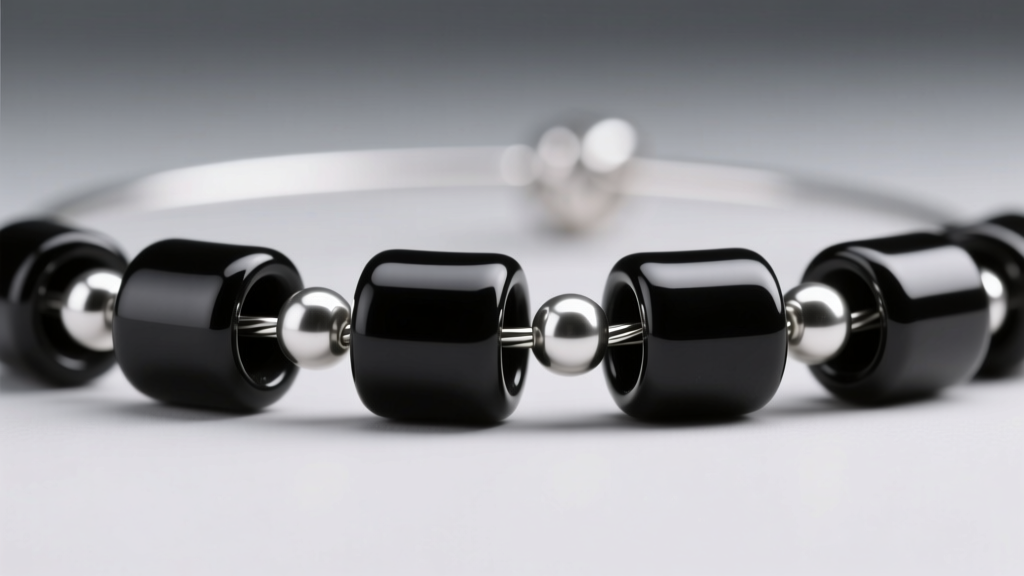
3. Metal Tubular Beads
Metal tubes provide a sleek, modern aesthetic and exceptional structural durability. The most common alloys used in premium jewelry are 316L surgical stainless steel, brass, and copper. 316L steel contains molybdenum, which provides superior resistance to chloride corrosion (such as sweat and saltwater) compared to standard 304 steel. Brass and copper tubes offer a beautiful warm tone but are prone to oxidation. When exposed to the sulfur compounds in human sweat, copper tubes will develop a dark patina and can leave a greenish residue on the skin due to the formation of copper chelates. To mitigate this, many manufacturers apply a clear nano-coating or electroplate the tubes with rhodium or 18k gold.
4. Natural Stone & Wood Tubes
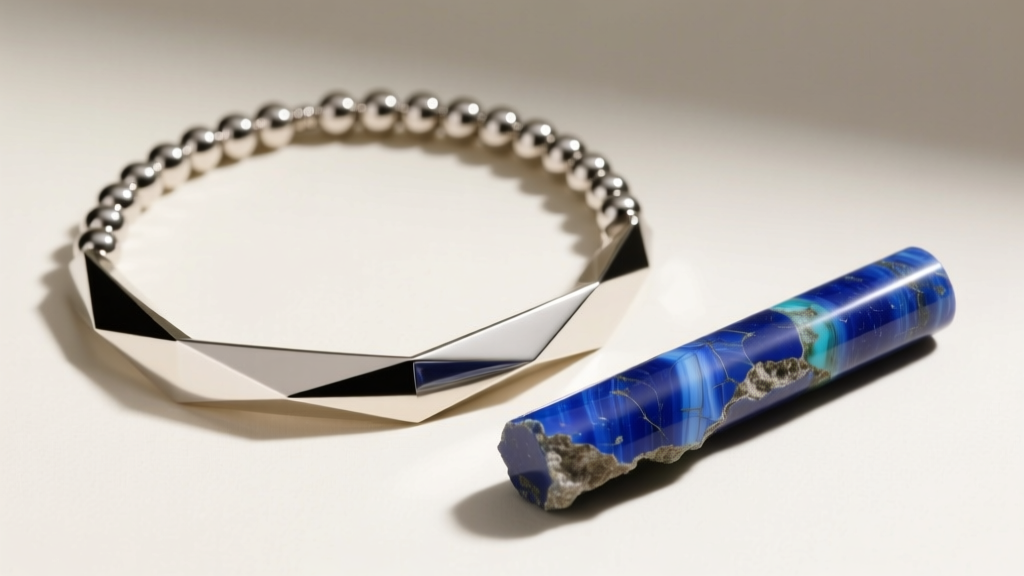
Stone tubes, such as jasper, agate, or lapis lazuli, bring natural inclusions and unique banding to a necklace. According to the GIA Gem Encyclopedia, cryptocrystalline quartz stones like agate rate a 6.5 to 7 on the Mohs scale, making them excellent for daily wear. However, porosity is a major factor. Stones like turquoise and lapis lazuli are highly porous and can absorb oils, lotions, and perfumes, which permanently alters their color matrix. Wood tubes, while incredibly lightweight, are organic and hygroscopic, meaning they expand and contract with humidity changes, which can eventually degrade the stringing wire if not properly sealed with a jewelry-grade resin.
Comparative Data: Weight, Durability, and Hypoallergenic Ratings
Understanding the physical metrics of your beads is crucial for balancing the necklace and selecting the correct stringing gauge. Below is a technical comparison based on a standard 20mm x 8mm tube bead size.
| Material | Mohs Hardness | Avg. Weight (per tube) | Skin Safety / Allergy Risk | Impact Resistance |
|---|---|---|---|---|
| Borosilicate Glass | 6.0 | 3.2 grams | Hypoallergenic (Inert) | Low (Shatters) |
| High-Fire Ceramic | 7.5 | 4.1 grams | Hypoallergenic (Glaze dependent) | Very Low (Brittle) |
| 316L Stainless Steel | 5.5 (Metal) | 6.8 grams | Excellent (Nickel-free grades) | High (Dents, won't break) |
| Solid Brass | 3.0 - 4.0 | 6.5 grams | Moderate (May contain trace nickel) | High (Malleable) |
| Agate (Quartz) | 7.0 | 5.0 grams | Hypoallergenic (Inert) | Moderate (Can chip) |
Stringing Materials: What Holds Your Tube Beads Together?
The most common failure point in any beaded tube necklace is the stringing material. Because tube beads have a long, straight channel, the internal edges where the drill bit entered and exited the bead can be razor-sharp. If these edges are not tumbled smooth, they will act like a saw against your stringing wire. According to jewelry fabrication resources like Fire Mountain Gems, selecting the correct wire strand count and diameter is non-negotiable for heavy stone or metal tubes.
- 49-Strand Micro-Wire (0.018 inch): Best for glass and lightweight ceramic tubes. The high strand count provides excellent drape and flexibility, allowing the necklace to lay flat against the collarbone without kinking.
- 49-Strand Heavy Wire (0.024 inch): Mandatory for stone and metal tubes. The thicker nylon coating protects the steel core from the sharp internal edges of heavy, abrasive stone tubes.
- SoftFlex Bead Bumpers: When using tube beads, it is highly recommended to place tiny silicone bead bumpers between the tubes. This prevents the hard edges from clicking together, reduces acoustic noise, and protects the finish of metal or glazed ceramic tubes from chipping.
Expert Insight: Never use silk thread for heavy stone or metal tube necklaces. The sharp internal edges of the tubes will fray the organic silk fibers within months, leading to catastrophic string failure and lost beads. Always use nylon-coated, multi-strand stainless steel beading wire.
Care and Maintenance by Material
Maintaining the structural and visual integrity of your necklace requires material-specific protocols. A one-size-fits-all approach to jewelry cleaning will inevitably damage porous or reactive materials.
- Glass & Ceramic: These can be safely cleaned using an ultrasonic jewelry cleaner with a mild, ammonia-free detergent. The high-frequency cavitation will dislodge skin oils from the stringing channels without harming the vitrified surfaces.
- Metal Tubes: Avoid ultrasonic cleaners if your brass or copper tubes are plated, as the vibration can cause micro-flaking in the plating layer. Instead, use a soft microfiber cloth and a specialized metal polish like Brasso, ensuring you wipe away all residue so it does not stain the adjacent stringing wire.
- Porous Stones (Lapis, Turquoise, Wood): Never submerge these in water or chemical cleaners. Water can degrade the internal matrix of the stone or cause wood to swell and crack. Clean them by gently wiping with a slightly damp, lint-free cloth and immediately drying them. For wood tubes, apply a micro-layer of mineral oil once a year to prevent desiccation and cracking.
Final Verdict: Which Material is Right for You?
Choosing the perfect beaded tube necklace ultimately comes down to balancing your lifestyle with material science. If you prioritize vibrant color and intricate internal patterns, borosilicate glass is the superior choice, provided you treat it with care to avoid blunt impacts. For a rugged, everyday piece that can withstand the rigors of an active lifestyle, 316L stainless steel tubes offer unmatched durability and hypoallergenic safety. Finally, if you seek an organic, earthy elegance, high-fire ceramic or sealed agate tubes provide a beautiful middle ground of scratch resistance and unique natural aesthetics. By matching the material properties to your wearing habits, and ensuring the piece is strung on the correct gauge of multi-strand wire, your tubular necklace will remain a staple in your wardrobe for decades.


