How to Clean and Care for a Necklace in Stone Settings
Learn expert techniques to clean and maintain your necklace in stone settings. Discover Mohs-based care, safe solutions, and storage tips.

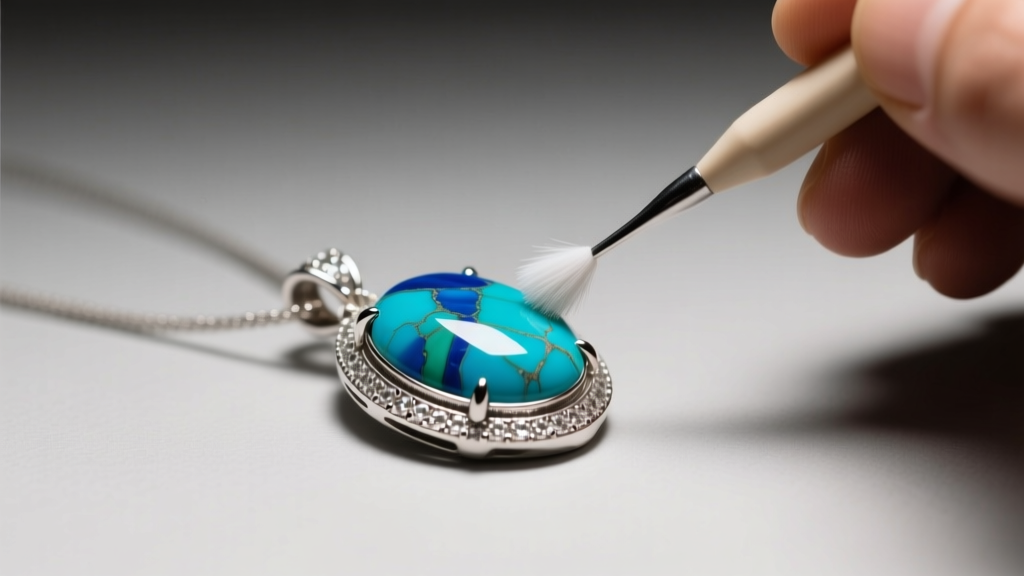
The Science of Gemstone Vulnerability
When you invest in a necklace in stone settings, you are acquiring a piece of wearable geology. Unlike solid gold or platinum chains, gemstones possess unique crystalline structures, varying degrees of porosity, and specific chemical sensitivities. A modern approach to jewelry care requires moving beyond generic "soap and water" advice and understanding the material science of your pendant. According to the Gemological Institute of America (GIA), the most common cause of gemstone damage in necklaces is improper cleaning by well-meaning owners who treat all stones with the same harsh protocols.
Mohs Hardness and Porosity Matrix
The Mohs scale of mineral hardness is critical for determining how your necklace in stone settings will withstand daily wear and cleaning abrasion. However, hardness (scratch resistance) is only half the equation; toughness (resistance to breaking) and stability (resistance to chemicals and heat) are equally vital. Use the matrix below to identify your stone's specific vulnerabilities.
| Gemstone | Mohs Hardness | Porosity & Treatments | Safe Cleaning Method |
|---|---|---|---|
| Diamond | 10 | Low; usually untreated | Mild soap, ultrasonic safe (if no fractures) |
| Sapphire/Ruby | 9 | Low; heat-treated | Mild soap, warm water, soft brush |
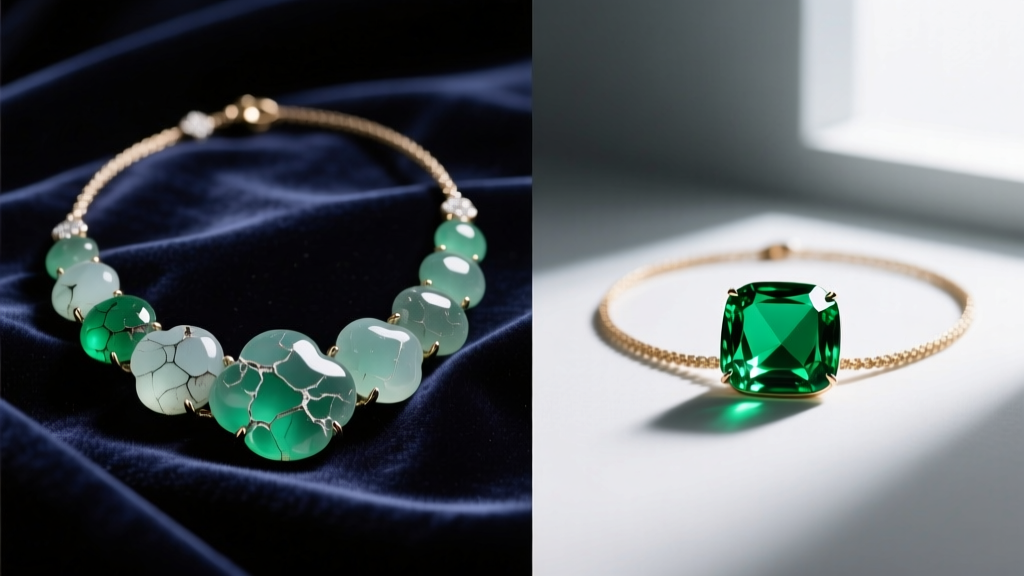
| Emerald | 7.5 - 8 | High fissure; oil/resin filled | Damp cloth ONLY. Never ultrasonic. |
| Opal | 5.5 - 6.5 | High water content; sensitive | Dry microfiber only. Avoid water immersion. |
| Turquoise | 5 - 6 | Highly porous; often stabilized | Dry brush. Never use chemicals or water. |
| Pearl | 2.5 - 4.5 | Organic; highly acid-sensitive | Damp cloth. Put on last, take off first. |
The Dangers of Ultrasonic and Steam Cleaning
Many commercial jewelers use ultrasonic cleaners, which rely on high-frequency sound waves to create microscopic cavitation bubbles in a solvent. While excellent for degreasing a plain diamond solitaire, placing an emerald or opal necklace in stone settings into an ultrasonic bath is catastrophic. The cavitation shockwaves can shatter brittle stones, widen existing natural inclusions, and strip the cedar oils or Opticon resins used to fill emerald fissures, leaving the stone cloudy and heavily fractured.
Similarly, steam cleaners introduce sudden thermal shock. Stones like tanzanite, opal, and quartz possess cleavage planes or internal stress points that can instantly crack when exposed to the 212°F (100°C) blast of a commercial steamer. The American Gem Society strongly advises against using heat-based or high-frequency cleaning methods on any gemstone that has been fracture-filled, dyed, or coated.
Step-by-Step Manual Cleaning Protocol
For 90% of gemstone necklaces, a conservative, manual cleaning protocol is the safest and most effective method. Follow this precise framework to restore brilliance without risking structural damage.
1. Preparation and Inspection
Before introducing any moisture, inspect the setting of your necklace in stone bezels or prongs. Use a 10x jeweler's loupe to check for lifted prongs, worn bezel walls, or degraded epoxy in inlay work. If the stone rattles or the metal is lifted, do not clean it; take it to a bench jeweler immediately.
2. The Safe Solution
Mix exactly one drop of phosphate-free, non-detergent mild dish soap into eight ounces of lukewarm distilled water. Avoid tap water, as the chlorine and dissolved minerals can leave microscopic hard-water spots on highly polished stones like lapis lazuli or malachite.
3. Gentle Agitation
Submerge only durable stones (Mohs 8+). For porous stones like turquoise or pearls, do not submerge. Instead, dip a clean, extra-soft baby toothbrush into the solution, tap off the excess moisture, and gently sweep the bristles across the stone's surface and the back of the setting where skin oils and lotions accumulate.
4. Rinsing and Drying
Rinse durable stones under a gentle stream of lukewarm distilled water. Never use compressed air to dry the setting, as this can force moisture deep into the gallery wire or microscopic gaps between the stone and the bezel, leading to hidden metal oxidation. Instead, pat dry with a lint-free microfiber cloth and allow the necklace to air dry completely on a towel before storage.
Chemical Exposures and Daily Wear Hazards
Beyond cleaning, the daily environment poses severe threats to a necklace in stone settings. Household chemicals, cosmetics, and even natural body chemistry can degrade both the gemstone and the metal holding it.
- Chlorine and Bleach: Never wear gemstone jewelry in swimming pools. Chlorine reacts violently with the copper alloys in 14k gold and sterling silver, causing structural weakening and stress corrosion cracking. It can also permanently bleach porous stones like malachite and turquoise.
- Hairspray and Perfume: The alcohols and aerosolized resins in hair and beauty products create a stubborn, cloudy film over gemstones, drastically reducing their light return and brilliance. Always apply perfumes and let them dry completely before putting on your necklace.
- Acidic Perspiration: Human sweat is mildly acidic. Over time, it can etch the surface of calcium-based stones like pearls, coral, and malachite, leaving them dull and pitted. Wipe these specific stones with a dry, soft cloth immediately after taking them off.
Setting-Specific Maintenance: Prong vs. Bezel vs. Inlay
The architecture of your necklace dictates its long-term maintenance needs and how securely the gemstone is held against impact.
- Prong Settings: Prongs (typically 14k or 18k gold, or platinum) are prone to catching on knitwear, which can lift the metal away from the stone's girdle. Have a jeweler perform a "prong re-tipping" every 2-3 years for daily-wear pendants.
- Bezel Settings: A full bezel offers superior protection for the stone's edges. However, the burnished metal edge can accumulate compacted dust and dead skin cells. Use a wooden toothpick (never metal) to gently dislodge debris from the inner bezel wall without scratching the metal or the gemstone.
- Channel and Inlay Settings: Necklaces featuring crushed turquoise or opal inlay rely on specialized jeweler's epoxy. Prolonged exposure to hot water, hand sanitizers, or acetone will degrade the adhesive bond, causing the stone inlay to pop out. Always remove inlay necklaces before washing hands or applying cosmetics.
Long-Term Storage and Environmental Controls
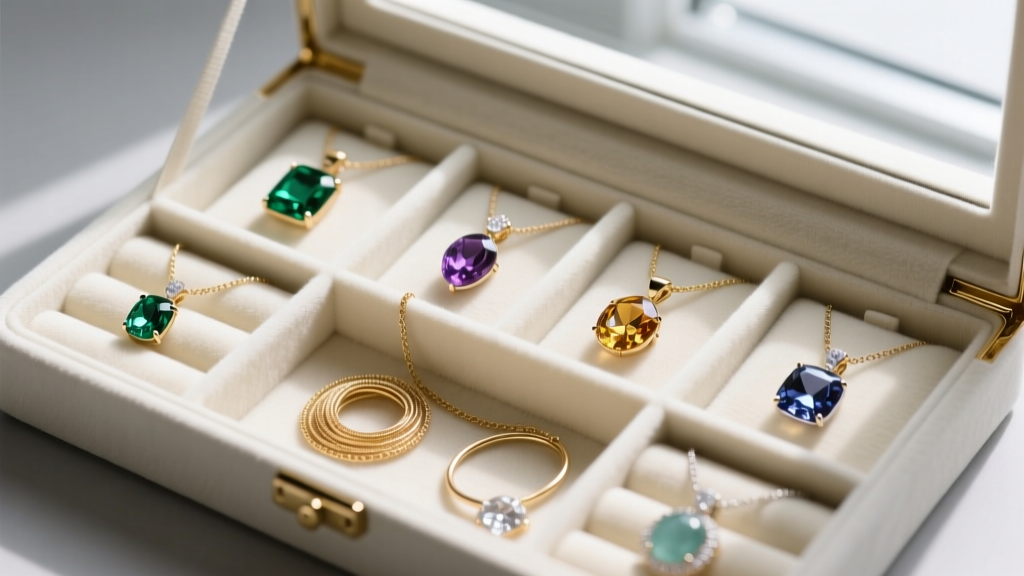
Proper storage is the final pillar of gemstone care. Never toss a necklace in stone settings into a communal jewelry box where a diamond pendant can easily scratch a softer turquoise or pearl piece. Store each necklace individually in a soft, untreated flannel pouch or a compartmentalized box lined with anti-tarnish cloth.
Furthermore, environmental control is crucial for organic and water-bearing gems. Opals can craze (develop a network of fine cracks) if stored in overly dry environments, such as near a heating vent or in a safety deposit box for years without humidity control. Conversely, high humidity can accelerate the tarnishing of the silver or copper alloys used in the necklace's chain and setting. Maintain a stable room temperature and consider placing silica gel packets in your jewelry safe to regulate ambient moisture, ensuring your stone-set necklaces remain pristine for generations.


