Ula Fala Necklace Cost & Value: Pricing Authentic Samoan Lei
Discover the true value of an authentic ula fala necklace. We compare pricing, materials, and craftsmanship to help you avoid cheap replicas.

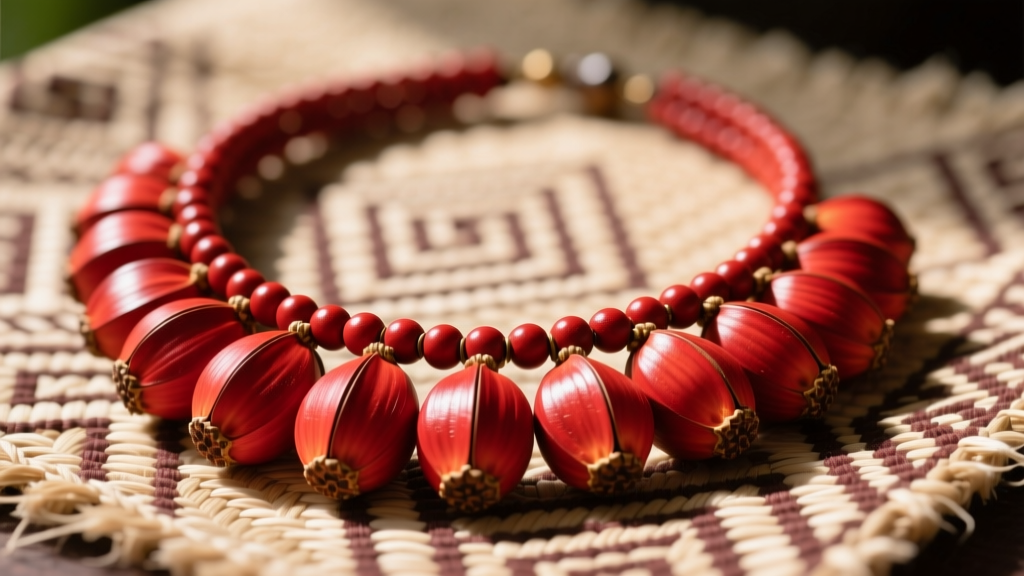
The Cultural Weight and Botanical Origins of the Ula Fala
When evaluating the budget and true value of an ula fala necklace, one must first understand that this is not merely a piece of decorative jewelry; it is a profound cultural artifact rooted in the heart of Samoan heritage. The ula fala is traditionally crafted from the dried fruit segments (phalanges) of the pandanus tree (Pandanus tectorius), known locally as the fala. In the context of the fa'a Samoa (the Samoan way), this vibrant red necklace is an indispensable adornment for the taupou (village maiden) and the manaia (chief's son) during the Taualuga, the premier and most sacred Samoan dance. It is also a staple at formal 'ava (kava) ceremonies and weddings.
As of 2026, the global appreciation for authentic Pacific Islander ceremonial jewelry has surged, leading to a market flooded with mass-produced imitations. For collectors, cultural practitioners, and jewelry enthusiasts, distinguishing between a genuine, artisan-crafted ula fala and a tourist-grade replica is critical. The value of an authentic piece lies in the weeks of labor-intensive preparation, from harvesting and sun-drying the pandanus fruit to the meticulous hand-drilling and dyeing processes. According to the Samoa Tourism Authority, preserving traditional handicrafts is a major cultural priority, making the purchase of authentic pieces a direct investment in Samoan artisan communities.
Authentic vs. Replica: How to Spot the Difference
The most common pitfall for buyers on a budget is accidentally purchasing a replica masquerading as an authentic ula fala. To assess value accurately, you must examine the physical properties of the beads and the stringing material.
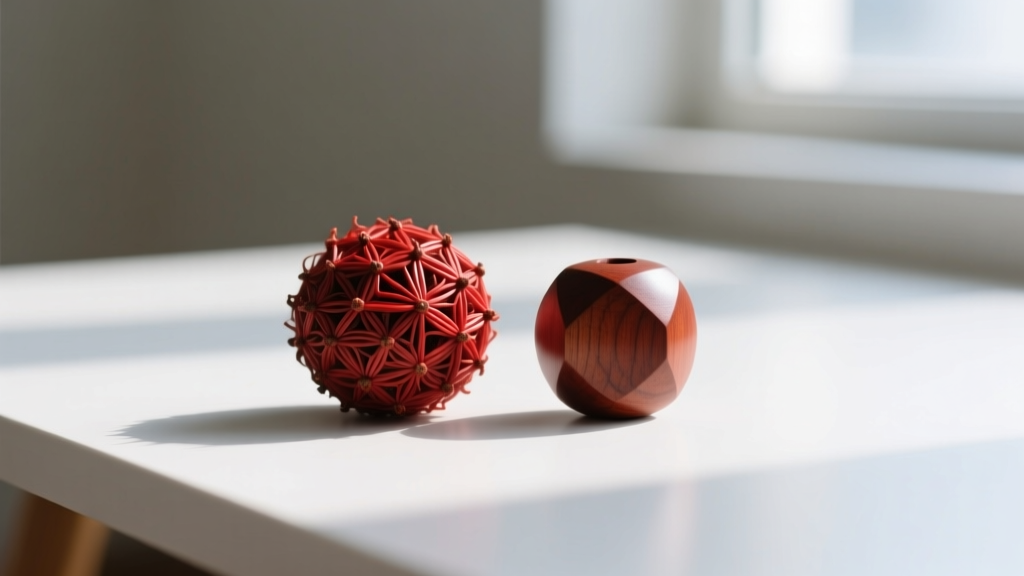
- Texture and Uniformity: Authentic pandanus phalanges are naturally fibrous, slightly porous, and vary in size and shape. No two beads are perfectly identical. Replicas are typically made from uniformly machined wood or molded plastic, featuring a flawless, smooth surface.
- Weight and Scent: Real dried pandanus is remarkably lightweight but has a distinct, faintly earthy, and sweet botanical scent. Wooden replicas feel heavier and smell of synthetic varnish or paint, while plastic versions are entirely odorless.
- The Drill Holes: Because pandanus fruit is fibrous, drilling it requires specialized care to prevent splitting. Authentic beads often show slight fraying or micro-tears around the drill holes. Machine-drilled wooden or plastic beads will have perfectly clean, sharp-edged holes.
- Stringing Material: High-quality authentic necklaces are strung on heavy-duty cotton, waxed linen, or traditional 'afa (coconut sennit cord). Replicas are almost exclusively strung on thin, synthetic nylon fishing line that can snap under the weight of the beads during vigorous dancing.
Ula Fala Necklace Pricing Breakdown (2026 Market Rates)
Understanding the pricing tiers is essential for budget assessment. The cost of an ula fala necklace is directly correlated to the sourcing of the materials, the quality of the dye, and the reputation of the artisan. Below is a comprehensive breakdown of what you can expect to pay in the current market.
| Tier | Material & Craftsmanship | Price Range (USD) | Best For |
|---|---|---|---|
| Tier 1: Tourist Replica | Painted wood or plastic beads, nylon string, synthetic chemical dyes. | $12 - $25 | Theatrical props, casual costumes, low-budget souvenirs. |
| Tier 2: Standard Authentic | Real pandanus fruit, commercial fabric dyes, heavy cotton stringing. | $45 - $85 | Cultural festivals, school performances, personal collection. |
| Tier 3: Master Artisan | Premium selected segments, natural or high-grade colorfast dyes, traditional 'afa (sennit) stringing. | $120 - $250+ | Taualuga performances, weddings, 'ava ceremonies, serious collectors. |
| Tier 4: Antique / Heirloom | Aged pandanus, historical natural dyes, documented provenance. | $400 - $1,000+ | Museums, institutional archives, high-end Pacific art investors. |
If you are purchasing an ula fala for a formal ceremony or a traditional dance, investing in a Tier 2 or Tier 3 necklace is non-negotiable. The visual depth of real dyed pandanus under stage lighting cannot be replicated by painted wood, and the structural integrity of cotton or sennit cord ensures the necklace will not break during the dynamic movements of the Taualuga.
Material Deep-Dive: Dyes, Drilling, and Stringing
The true value of an authentic ula fala is locked in its manufacturing process. The Pandanus tectorius tree produces a large, segmented syncarp. Artisans harvest these fruits, separate the individual phalanges, and leave them to sun-dry for two to three weeks. This slow curing process is vital; if the fruit is dried too quickly or in an oven, it becomes brittle and will shatter when drilled.
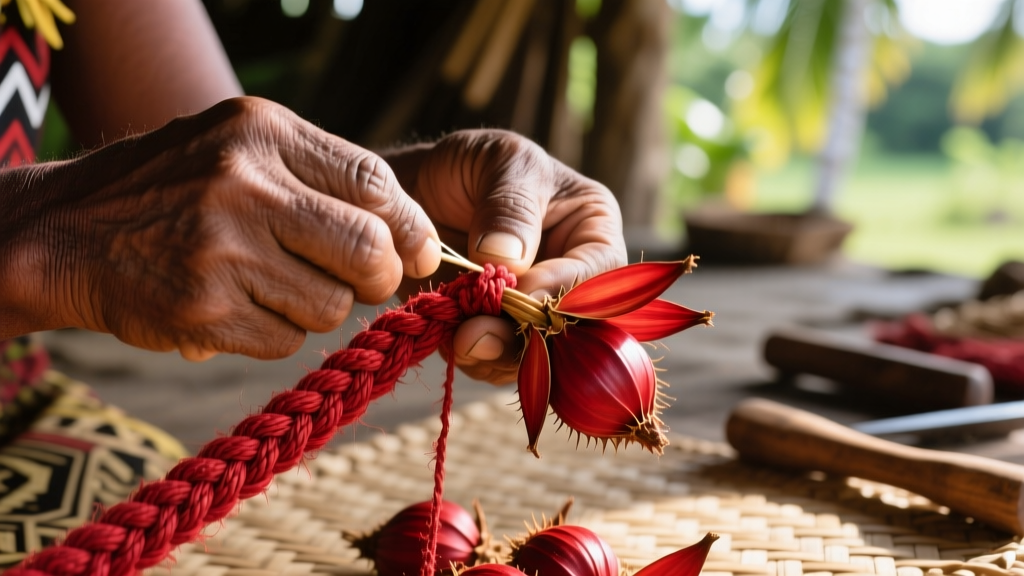
Once dried, the segments are drilled. Master artisans use fine, high-torque bits to pierce the fibrous core without blowing out the opposite side. The dyeing process is where the highest material costs are incurred. Historically, the iconic vibrant red color was achieved using the root of the nonu (noni) tree or other indigenous barks. However, as noted by researchers at the Museum of New Zealand Te Papa Tongarewa, traditional organic dyes can fade rapidly when exposed to the sweat and humidity of a long dance performance. Today, top-tier Samoan artisans use high-quality, colorfast commercial textile dyes that penetrate the fibrous core deeply, ensuring the brilliant red hue remains vibrant for decades without bleeding onto the wearer's skin or clothing.
The stringing material also dictates value. While heavy cotton is standard and durable, the most valuable ceremonial necklaces are strung on 'afa. Creating 'afa involves husking coconuts, soaking the fibers, and hand-rolling them into incredibly strong cords. This ancient technique adds significant labor costs to the final piece but provides an authentic, historically accurate finish that collectors and cultural purists highly prize.
Where to Buy: Sourcing Authentic Pieces
To ensure your budget is spent on genuine craftsmanship, avoid generic airport souvenir shops and large-scale online marketplaces that ship directly from overseas manufacturing hubs. Instead, focus your purchasing power on direct-to-artisan channels:
- Local Markets in Samoa: If traveling, the Savalalo Market in Apia or local artisan cooperatives in Upolu and Savai'i offer direct access to makers. Here, you can negotiate prices and verify the materials in person.
- Pacific Arts Festivals: Events like the Pasifika Festival in New Zealand or the Festival of Pacific Arts host verified Samoan artisans. Purchasing here guarantees authenticity and directly supports the creators.
- Specialized Online Galleries: Look for online boutiques based in Hawaii, New Zealand, or California that specialize in verified Polynesian art. These vendors typically provide certificates of authenticity and detail the specific village or artisan who crafted the piece.
Care and Longevity: Protecting Your Investment
An authentic ula fala necklace is an organic artifact and requires specific care to maintain its structural integrity and vibrant color. Because it is made from dried fruit, its greatest enemy is prolonged moisture. Never wear an authentic pandanus necklace while swimming or bathing. If the beads absorb excess water, they can swell, weaken the stringing cord, and eventually develop mold.
When not in use, store the necklace in a breathable cloth bag (like cotton or muslin) in a cool, dry place. Avoid sealing it in plastic bags, which can trap ambient humidity. Over time, the natural fibers may become slightly brittle. To maintain suppleness, you can very sparingly rub the beads with a tiny amount of pure, unrefined coconut oil. However, use oil with extreme caution; applying too much will attract dust and darken the vibrant red dye. With proper care, a high-quality, artisan-crafted ula fala necklace will retain its cultural resonance and physical beauty for generations, proving that its initial cost is a worthy investment in enduring Pacific artistry.


