Decoding 925 on Silver Necklace Marks: Authentication Guide
Discover what the 925 on silver necklace stamps really means. Learn how to test authenticity, fix tarnish, and troubleshoot fake sterling silver.

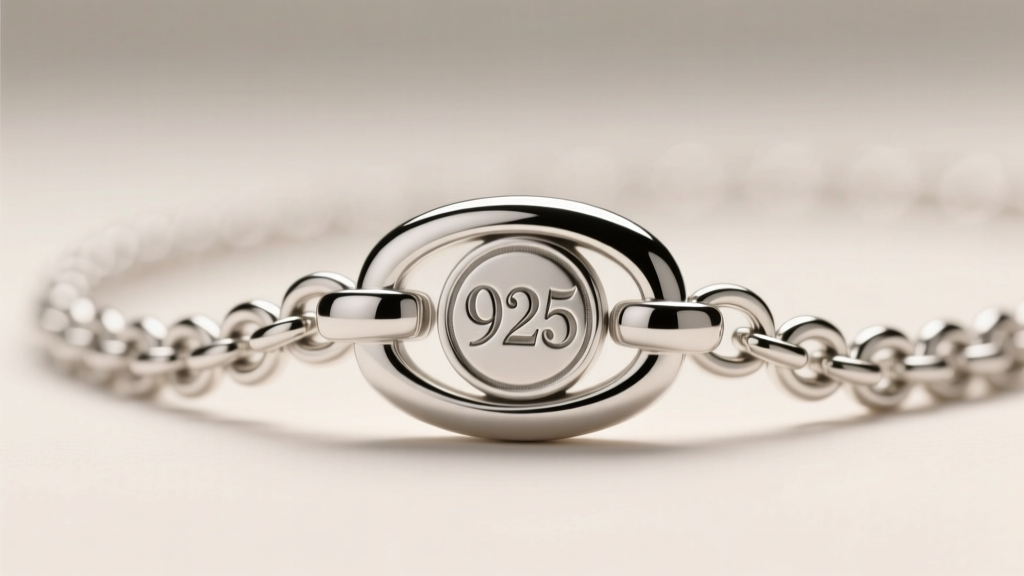
Finding a '925' stamp on a silver necklace is generally the first indicator of quality, signaling that the piece is crafted from sterling silver rather than a base metal or mere plating. However, the secondary market and fast-fashion jewelry sectors are increasingly flooded with counterfeit stamps. For jewelry enthusiasts and collectors, understanding the metallurgy behind the 925 on silver necklace hallmarks is no longer optional—it is a critical troubleshooting skill. Whether you are dealing with a chain that tarnishes prematurely, a pendant turning your skin green, or a clasp that responds to a magnet, this comprehensive guide will help you authenticate, diagnose, and restore your sterling silver jewelry.
The Anatomy of the 925 Stamp: What It Actually Guarantees
Pure silver (99.9% Ag) is too malleable for everyday jewelry; it would easily bend, scratch, and lose its shape. To create a durable alloy, metallurgists mix 92.5% pure silver with 7.5% other metals, most commonly copper. This specific ratio is what defines 'sterling silver.' According to the Federal Trade Commission (FTC) Jewelry Guides, a piece must contain at least 925 parts per thousand of pure silver to be legally stamped as 925 or Sterling in the United States.
However, the 7.5% alloy mixture is where most troubleshooting issues originate. While copper provides excellent structural integrity, it is highly reactive. It is the copper content that makes your silver necklace susceptible to oxidation, tarnish, and the dreaded 'green skin' effect when exposed to the acidic pH of human sweat or environmental sulfur.
Troubleshooting Authenticity: When the 925 Stamp is Fake
Counterfeiters frequently stamp base metals like brass, nickel silver, or copper alloys with '925' to deceive buyers. If you suspect your necklace is not genuine sterling silver, use these non-destructive and minimally invasive testing methods to verify its composition.
The Neodymium Magnet Test
Silver is paramagnetic, meaning it exhibits only a very weak, almost unnoticeable attraction to magnetic fields. It is not ferromagnetic like iron, nickel, or cobalt. To perform this test, use a strong rare-earth neodymium magnet. If your silver necklace clasp or chain links snap to the magnet or show strong resistance when you slide the magnet down the chain, the core is likely a ferromagnetic base metal. Note: The internal spring mechanism inside a lobster clasp is often made of steel, so test the chain links and the main body of the pendant, not just the clasp.
The Ice Test (Thermal Conductivity)
Silver possesses the highest thermal conductivity of any common metal. Place an ice cube directly on the silver pendant or a thick section of the chain. Genuine 925 sterling silver will rapidly transfer the cold, causing the ice to melt significantly faster than it would on a countertop or a piece of stainless steel. The silver itself will become painfully cold to the touch within seconds.
Acid Testing and XRF Analysis
For definitive results, jewelers use acid testing or X-ray Fluorescence (XRF). If you use a commercial silver testing acid (usually a nitric acid solution), file a tiny, inconspicuous notch into the metal to bypass any potential silver plating. Apply a drop of acid:
- Milky White/Cream: Genuine 925 sterling silver.
- Green: Base metal or copper alloy (fake).
- Blue: Coin silver (90% silver).
For high-end or antique pieces, seek out a jeweler with an XRF spectrometer. As noted by the Gemological Institute of America (GIA), XRF provides a non-destructive, exact elemental breakdown of the alloy without damaging the jewelry's surface.
Problem Solving: Tarnish, Green Skin, and Allergic Reactions
Even when the 925 on silver necklace stamps are 100% authentic, wearers frequently encounter aesthetic and dermatological issues. These are not signs of fake silver, but rather chemical reactions involving the 7.5% copper alloy.
| Issue | Root Cause | Actionable Solution |
|---|---|---|
| Black/Dark Tarnish | Copper and silver reacting with hydrogen sulfide in the air, creating silver sulfide. | Store in anti-tarnish cloth bags with activated charcoal or silica gel packets. |
| Green Skin Staining | Copper oxidizing and mixing with acidic sweat, forming copper chloride/carbonate. | Coat the inside of the pendant with clear nail polish, or have it rhodium-plated. |
| Yellowish Tint | Early-stage oxidation or reaction to cosmetics, lotions, and perfumes. | Wipe down with a microfiber cloth immediately after wearing; avoid chemical exposure. |
| Skin Irritation/Rash | Nickel allergy (some modern alloys use nickel or zinc instead of copper). | Switch to Argentium silver (93.5% silver, germanium alloy) which is hypoallergenic. |
Restoring and Maintaining Genuine 925 Sterling Silver
When your necklace has already succumbed to heavy, black silver sulfide tarnish, aggressive polishing with abrasive pastes can strip away microscopic layers of silver and ruin intricate engravings. Instead, rely on electrochemical reduction to reverse the tarnish without removing any base metal.
The Electrochemical Cleaning Method
This science-backed method reverses the oxidation process using a galvanic cell.
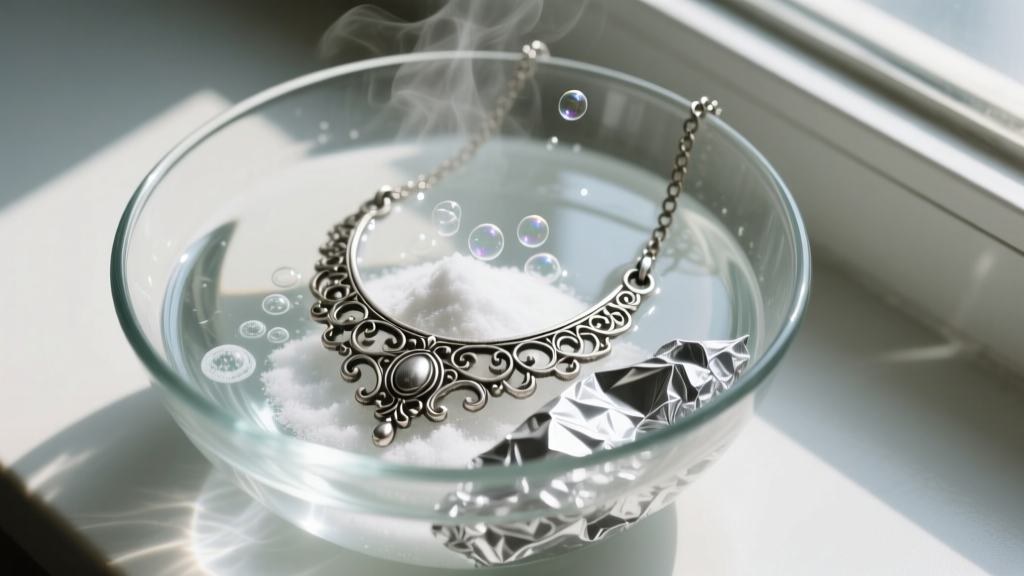
- Line a glass or ceramic bowl with aluminum foil, shiny side up.
- Place your tarnished 925 silver necklace on the foil, ensuring direct contact.
- Sprinkle two tablespoons of baking soda (sodium bicarbonate) over the jewelry.
- Pour boiling water into the bowl. You will immediately smell sulfur (like rotten eggs) as the silver sulfide is converted back into pure silver, and the sulfur bonds to the aluminum foil.
- Let it sit for 3 to 5 minutes, then remove with wooden tongs, rinse in distilled water, and pat dry with a lint-free cloth.
Warning: Never use this method on necklaces featuring porous gemstones like pearls, opals, turquoise, or amber, as the boiling water and alkaline solution will permanently destroy their nacre and structural integrity.
Rhodium Plating: The Pros and Cons
Many high-end jewelers plate their 925 sterling silver with rhodium, a platinum-group metal. Rhodium plating provides a brilliant, mirror-like finish that is highly resistant to tarnish and prevents the copper alloy from touching the skin. However, on necklaces, the friction from clothing and skin will eventually wear the plating away, usually within 6 to 12 months, requiring professional re-plating. If you prefer the low-maintenance, matte patina of raw silver, avoid rhodium-plated pieces and opt for a high-polish raw sterling finish instead.
Buying Checklist: Avoiding Counterfeit 925 Silver
When shopping for a new silver necklace, do not rely on the '925' stamp alone. Use this troubleshooting checklist to verify the piece's legitimacy before purchasing:
- Look for Secondary Hallmarks: Genuine pieces from established brands or specific countries often include a maker's mark (a tiny symbol or initials) or an assay office mark alongside the 925.
- The Price Per Gram Test: Check the current spot price of silver. If a heavy, solid 925 silver chain necklace is selling for less than the melt value of its silver content, it is almost certainly silver-plated brass or steel.
- Inspect the Clasp and Jumps Rings: Counterfeiters often use cheap, poorly finished base metal clasps. The soldering points on the jump rings should be smooth, and the lobster clasp should feel robust, not hollow or flimsy.
- Check for 'Tibetan' or 'Nickel' Silver: These are historical misnomers. They contain zero actual silver and are primarily copper, nickel, and zinc alloys. If a listing uses these terms but claims a 925 stamp, walk away.
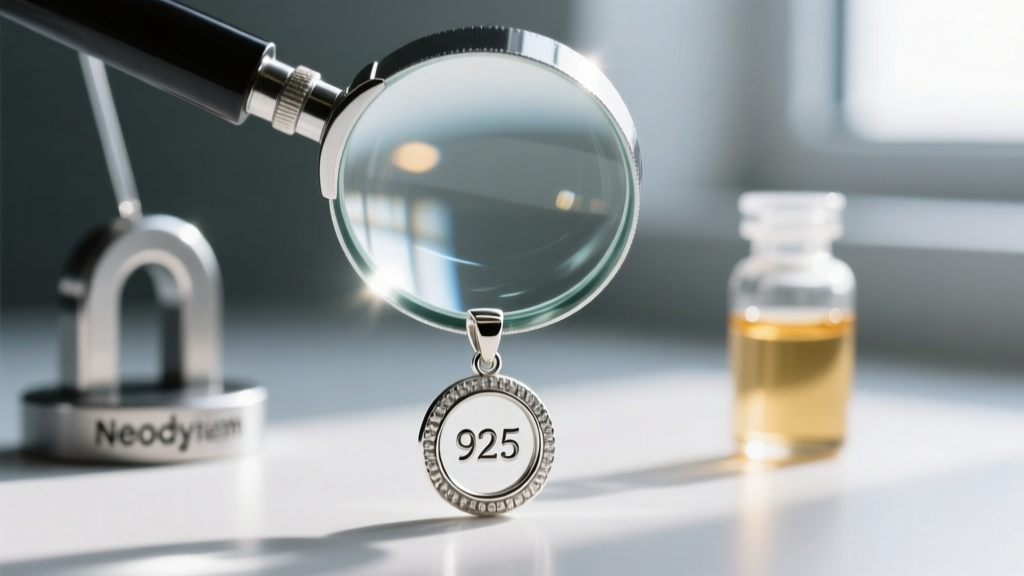
Expert Insight: Always use a jeweler's loupe (10x magnification) to inspect the 925 stamp. On genuine, high-quality necklaces, the stamp is deeply and cleanly engraved or struck. On fakes, the stamp often looks shallow, blurry, or laser-etched with inconsistent font weights.
By understanding the chemistry and manufacturing standards behind the 925 on silver necklace hallmarks, you can confidently authenticate your collection, troubleshoot common wear issues, and ensure your jewelry remains a lasting, brilliant investment.


