The Ultimate Beads Necklace Buying Guide: Materials & Sizing
Discover how to choose the perfect beads necklace. Learn about gemstone grades, stringing materials, bead sizing in millimeters, and knotting techniques.

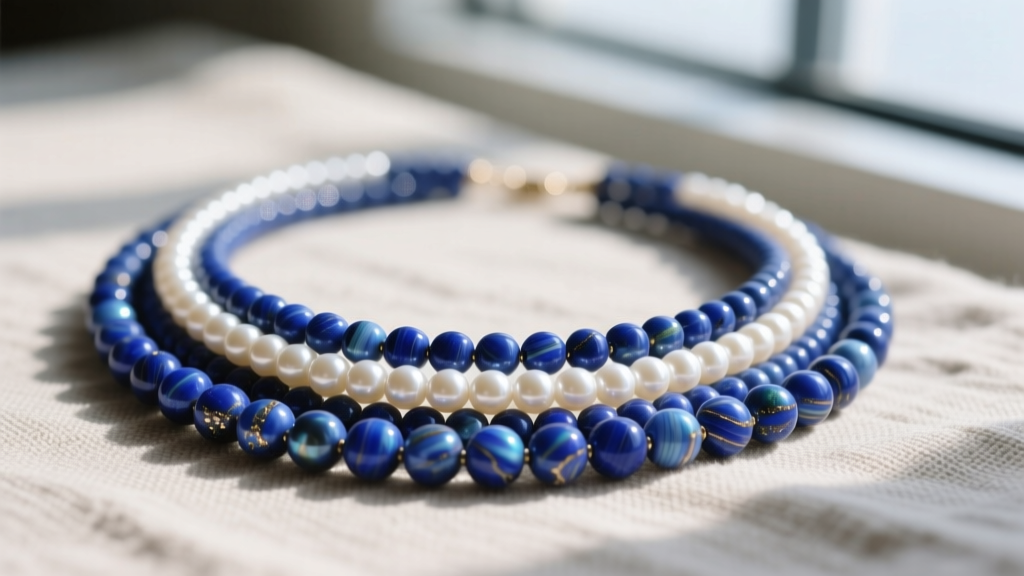
The Anatomy of a High-Quality Beads Necklace
When shopping for a beads necklace, the untrained eye focuses solely on the color and type of the stones or glass. However, as jewelry appraisers and master stringers know, the true indicator of quality—and longevity—lies in the structural engineering of the piece. In 2026, with the resurgence of artisanal craftsmanship and transparent sourcing, consumers are demanding more than just pretty stones. They want heirloom-grade construction. This comprehensive buying guide will walk you through the exact specifications, material grades, and structural red flags to look for when investing in a beaded piece.
Bead Sizing: The Millimeter Scale and Drape Dynamics
Bead diameter is measured in millimeters (mm), and even a 2mm difference drastically alters the necklace's weight, drape, and formality. Understanding these increments is crucial for matching the necklace to your neckline and occasion.
| Bead Size (mm) | Category | Visual Impact & Best Use | Weight Considerations |
|---|---|---|---|
| 2mm - 3mm | Seed / Micro | Delicate, subtle. Ideal for layering or minimalist station necklaces. | Extremely light; requires fine clasps (e.g., 5mm lobster). |
| 4mm - 5mm | Petite / Standard | Versatile everyday wear. Provides color without overwhelming the collarbone. | Light to medium; suitable for most standard clasps. |
| 6mm - 8mm | Classic / Statement | Traditional prayer beads or bold single-strand pieces. High visual presence. | Medium to heavy; requires secure knotting or thicker wire. |
| 10mm - 14mm+ | Chunky / Focal | High-fashion, avant-garde, or specific cultural statement pieces. | Very heavy; demands reinforced stringing and heavy-duty toggles. |
According to the Gemological Institute of America (GIA), the cut and polish of round beads are graded by their symmetry and surface blemish count. When buying 8mm or larger stone beads, roll them on a flat glass surface. High-quality beads will roll perfectly straight, while poorly calibrated, low-grade beads will wobble due to uneven drilling or asymmetrical shaping.
Calibration and Uniformity: The Mark of Master Lapidaries
When evaluating a strand of gemstone beads, uniformity—known in the trade as calibration—is a primary indicator of value. Inexpensive, mass-produced beads necklaces often feature stones that vary by 1mm to 2mm in diameter along the same strand. This variance not only looks visually disjointed but also creates uneven tension on the stringing material, leading to premature wear and tear. Master lapidaries calibrate premium beads to a strict tolerance of ±0.2mm. To test this in person, lay the unclasped necklace flat on a table and run your fingers lightly over the beads. You should feel a seamless, continuous cylinder. Any noticeable bumps or dips indicate poor calibration and lower-tier manufacturing.
The Hidden Backbone: Stringing Materials and Failure Points
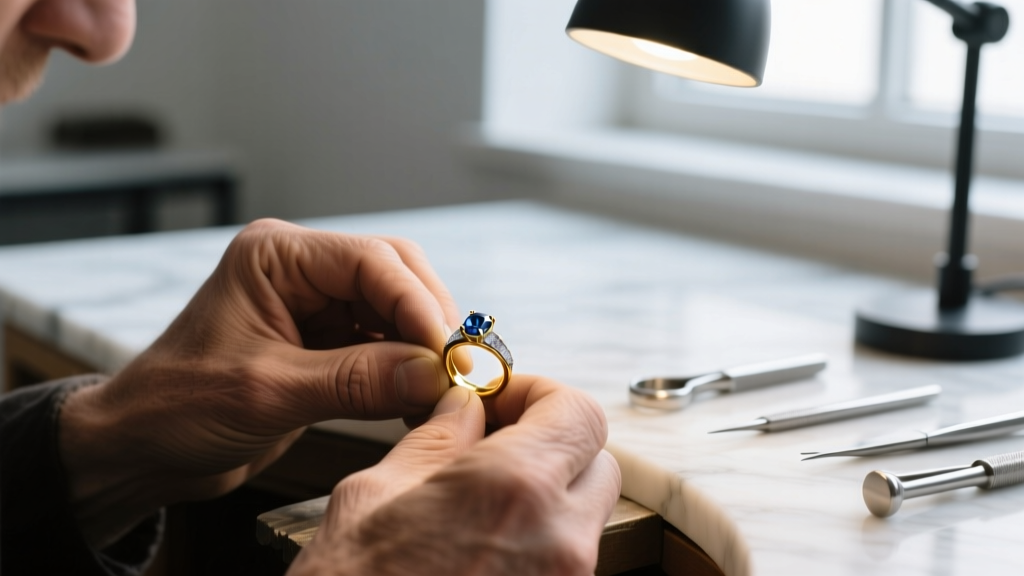
The most common point of failure in any beads necklace is the stringing material. If a retailer does not disclose what the beads are strung on, proceed with caution. Here is what you should look for based on the bead material:
1. Braided Stainless Steel Wire (Soft Flex)
For gemstones, glass, and crystal beads with sharp, abrasive holes, braided steel wire coated in nylon is the industry standard. The 0.019-inch diameter is the workhorse for 4mm to 8mm beads, offering enough flexibility to drape while resisting the cutting action of stone edges. Avoid 0.012-inch wire for heavy stones, as it will kink and eventually snap under the tension of the bead's weight.
2. Natural Silk Thread
Silk is mandatory for high-end freshwater pearls and porous gems like turquoise or coral. Silk is soft and will not abrade the delicate nacre of a pearl. Look for brands like Griffin, which grade silk by thickness (Size #0 to #16). A 6mm pearl necklace should be strung on Size #6 or #8 silk. Furthermore, silk must be knotted between every single bead to prevent catastrophic loss if the strand breaks.
3. Elastic Cord
Often found in mass-market, lower-priced beads necklaces, elastic (like Stretch Magic) degrades over time, especially when exposed to UV light, lotions, and perfumes. While acceptable for lightweight, casual bracelets, elastic is highly discouraged for heavy stone necklaces due to its high failure rate and the sagging gap effect it creates over time.
Detecting Treatments: Dyed vs. Natural Beads
The market is saturated with dyed howlite sold as turquoise, and dyed quartz sold as emerald or ruby. When evaluating a beads necklace, you must know how to spot artificial enhancements.
Expert Troubleshooting: To test for dye in porous stone beads, dip a cotton swab in nail polish remover (acetone) and rub it firmly against the surface of the bead, specifically near the drill hole where dye tends to pool. If the swab picks up color, the beads are dyed. While dyed beads are perfectly fine for fashion jewelry, they should never be sold at natural gemstone prices.
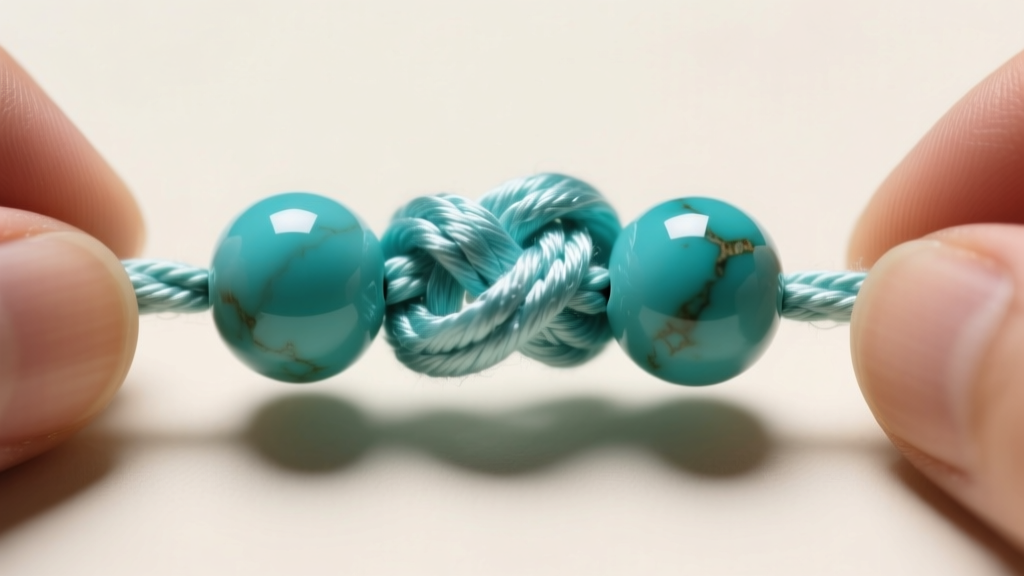
For a deeper understanding of gemstone enhancements, the Fire Mountain Gems Encyclopedia provides extensive databases on common treatments, noting that over 80% of commercial lapis lazuli and jade beads on the market are either dyed, waxed, or polymer-impregnated to stabilize the stone and enhance color saturation. Always ask the vendor for a disclosure of treatments before purchasing premium beads.
Finishing Hardware: Clasps, Crimps, and French Wire
A beads necklace is only as secure as its weakest link, which is almost always the clasp assembly.
- Crimp Beads vs. Crimp Covers: On wire-strung necklaces, the wire is secured using a metal crimp bead crushed by pliers. High-end pieces will use a crimp cover—a hollow metal bead that closes over the crushed crimp, making it look like a seamless metal bead and protecting the wire from fraying.
- French Wire (Gimp): If you are buying a silk-knotted necklace, inspect the clasp connection. There must be a tiny coil of fine metal wire (French wire) protecting the silk thread where it loops through the metal clasp ring. Without this, the metal will saw through the silk thread within months of wear.
- Clasp Proportions: A heavy 10mm bead necklace requires a substantial toggle clasp or a large magnetic clasp. A tiny 5mm lobster clasp will constantly flip around to the front of the neck due to the weight imbalance of the heavy beads.
2026 Pricing Tiers: What Should You Expect to Pay?
Pricing for a beads necklace varies wildly based on material provenance, calibration, and labor. Here is a realistic breakdown of current market rates for an 18-inch strand:
| Tier | Material Examples | Stringing Method | Expected Price Range (USD) |
|---|---|---|---|
| Fashion / Mass Market | Dyed glass, acrylic, low-grade howlite | Elastic or basic nylon, unknotted | $15 - $45 |
| Artisan / Semi-Precious | Amethyst, rose quartz, freshwater pearls | Braided wire with crimp covers | $60 - $180 |
| Fine / Heirloom | High-grade lapis, emerald, Akoya pearls | Hand-knotted silk with 14k gold clasps | $400 - $2,500+ |
The Final Pre-Purchase Checklist
Before finalizing your purchase, run the beads necklace through this physical and visual inspection checklist:
- The Drape Test: Hold the necklace by the clasp and let it hang. Does it twist or kink? A well-strung necklace will hang fluidly without stubborn kinks.
- The Drill Hole Inspection: Look closely at the holes. Are they jagged or chipped? Clean, smooth drill holes indicate high-quality lapidary work.
- The Knot Tension Check: If knotted, gently pull the beads apart. The knots should be tight against the beads with no visible gaps of exposed thread.
- The Clasp Security Test: Ensure the jump rings connecting the clasp to the necklace are soldered shut or made of heavy-gauge wire that cannot be easily pried open by the weight of the beads.
By prioritizing structural integrity and material transparency over mere aesthetics, you ensure that your beads necklace remains a staple in your wardrobe for decades, rather than a fleeting, broken accessory.


