Beads Necklaces 2026: Artisan Glass and Gemstone Trend Analysis
Discover the top beads necklaces trends for 2026. Explore artisan glass, carved gemstones, and expert layering techniques for elevated styling.

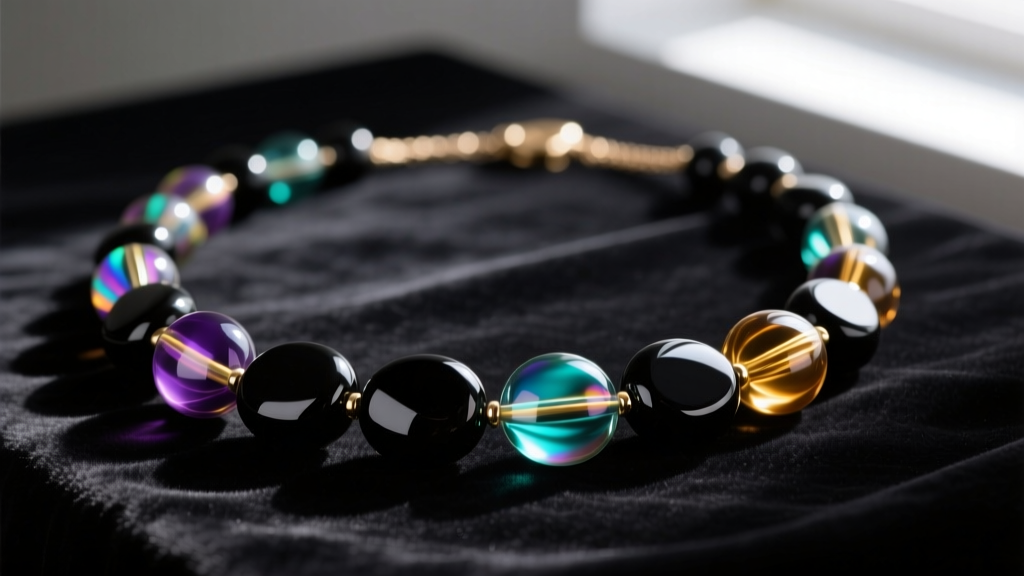
The Evolution of Beads Necklaces in High Jewelry
For decades, the fashion industry relegated beaded jewelry to the realm of casual summer wear or fast-fashion accessories. However, the 2026 high jewelry landscape has completely rewritten this narrative. Today, beads necklaces are celebrated as masterclasses in artisanal craftsmanship, material science, and structural engineering. According to industry analysts at JCK Magazine, the demand for handcrafted, small-batch beaded jewelry has surged by over 40% in the luxury sector over the last eighteen months. Consumers are no longer looking for mass-produced uniformity; they are seeking tactile, asymmetrical, and historically grounded pieces that serve as wearable art.
This shift is driven by a renewed appreciation for heritage techniques combined with modern metallurgical advancements. The contemporary beads necklaces market is defined by a stark contrast in textures—pairing high-polish gemstones with matte-finished glass—and an uncompromising approach to the internal architecture of the jewelry itself. In this comprehensive trend analysis, we dissect the materials, engineering, and styling frameworks defining the beaded necklace renaissance of 2026.
Material Deep Dive: Beyond Basic Seed Beads
The foundation of any luxury beaded piece lies in its primary materials. The 2026 trend cycle has moved away from perfectly uniform, machine-cut stones, favoring organic, hand-carved, and kiln-formed elements that possess unique optical properties.
Borosilicate Lampwork Glass
Artisan lampwork beads have emerged as a dominant force in contemporary necklace design. Unlike standard soda-lime glass, borosilicate glass contains boron trioxide, which gives it an exceptionally low coefficient of thermal expansion. This makes the beads highly resistant to thermal shock, chipping, and cracking. Artisans utilize specialized torches reaching temperatures of 1,800°F to melt and shape the glass, often incorporating dichroic glass frits that create striking, angle-dependent color shifts. The resulting beads are not only visually mesmerizing but significantly more durable for daily wear than traditional Venetian glass.
Carved Semi-Precious Gemstones
Smooth, highly polished cabochons are taking a backseat to intricate carvings and alternative finishes. Rose-cut aquamarine, briolette-cut moonstone, and matte-finished black onyx are the cornerstones of the 2026 gemstone palette. The GIA Gem Encyclopedia notes that carving gemstones requires a deep understanding of the material's Mohs hardness and cleavage planes. For instance, carving a 12mm briolette from a single piece of rough aquamarine (Mohs 7.5-8) requires diamond-tipped rotary tools and hours of meticulous labor to achieve the translucent, light-catching facets that define this year's luxury aesthetic.
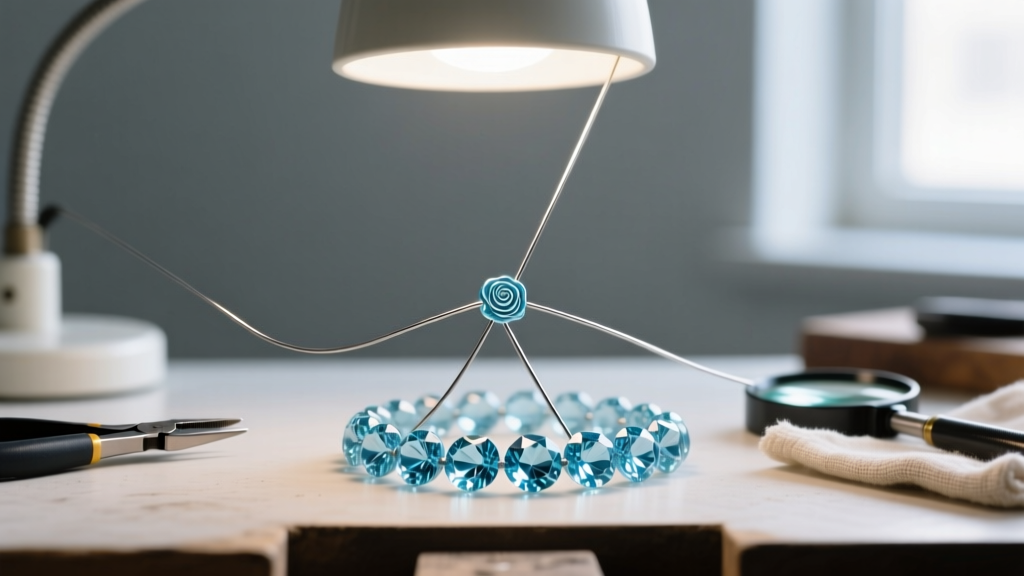
The Engineering of Durable Beads Necklaces
A common failure point in beaded jewelry is the stringing material. The most beautiful artisan glass or carved gemstone necklace is worthless if the internal architecture cannot support its weight. In 2026, master jewelers have largely abandoned traditional silk thread for heavy statement pieces, opting instead for advanced synthetic and metallic alternatives.
- 49-Strand Micro-Fused Stainless Steel Wire: Coated in a abrasion-resistant nylon sheath, this wire is the industry standard for heavy gemstone beads. A 0.018-inch diameter wire can withstand up to 15 pounds of tensile stress, making it ideal for 8mm to 14mm carved stones.
- French Knotting with Griffin Silk: For delicate seed pearls and lightweight 4mm glass beads, traditional knotting remains supreme. Using size #6 silk thread with a French wire guard at the clasp prevents the silk from fraying against the metal jump ring.
- Crimp Bead Engineering: The use of base-metal crimp beads is a hallmark of low-tier jewelry. High-end beads necklaces now utilize solid 14k gold or sterling silver micro-crimp tubes, secured with a specialized crimping tool that folds the metal into a seamless, rounded bead, preventing the wire from shearing over time.
Structural Specifications and Weight Distribution
Matching the bead material to the correct hardware is a critical decision framework for both designers and collectors. The table below outlines the structural requirements for different categories of beaded necklaces.
| Bead Material & Size | Average Weight (18") | Recommended Stringing | Optimal Clasp Type |
|---|---|---|---|
| 3mm Seed Pearls / Glass | 12 - 18 grams | Size #4 Silk Thread (Knotted) | 14k Gold Lobster Claw |
| 8mm Carved Aquamarine | 45 - 60 grams | 0.015" 49-Strand Steel Wire | 18k Gold Spring Ring |
| 14mm Borosilicate Lampwork | 85 - 120 grams | 0.024" 49-Strand Steel Wire | Solid Gold Toggle Clasp |
| Asymmetrical Onyx Drops | 130+ grams | Dual-Strand 0.018" Wire | Weighted Box Clasp w/ Safety |
Notice the shift toward toggle and weighted box clasps for heavier beads. A standard lobster clasp will flip upside down when supporting a 100-gram necklace, causing the chain to twist and the wire to kink. A heavy toggle clasp acts as a counterweight, keeping the necklace properly oriented on the collarbone.
2026 Styling Framework: The Rule of Asymmetry and Texture
The era of the perfectly symmetrical, single-strand beaded necklace is over. The 2026 styling methodology relies on calculated asymmetry and the juxtaposition of opposing textures. When layering beads necklaces, follow this structural framework to achieve a curated, editorial look:
The 3-Tier Layering Protocol
- The Anchor (16 Inches): Start with a high-density, small-diameter bead. A 16-inch choker featuring 4mm matte-finished black onyx or oxidized silver spacer beads provides a dark, grounding canvas that sits flush against the clavicle.
- The Focal Point (18-20 Inches): This mid-length piece should feature the primary artisan elements. An 18-inch strand of 10mm iridescent borosilicate glass beads, interrupted by asymmetrical gold-filled geometric spacers, draws the eye and introduces the core color narrative.
- The Lariat Drop (24+ Inches): The longest layer should break the rules of symmetry. A 24-inch strand featuring a single, off-center carved rose-cut aquamarine briolette drop creates vertical movement and elongates the neckline.
"The modern collector doesn't want a necklace that looks like it came off a department store mannequin. They want the tension between the organic imperfection of a hand-carved stone and the rigid precision of a micro-fused steel armature." — Lead Jewelry Architect, Atelier Vespera
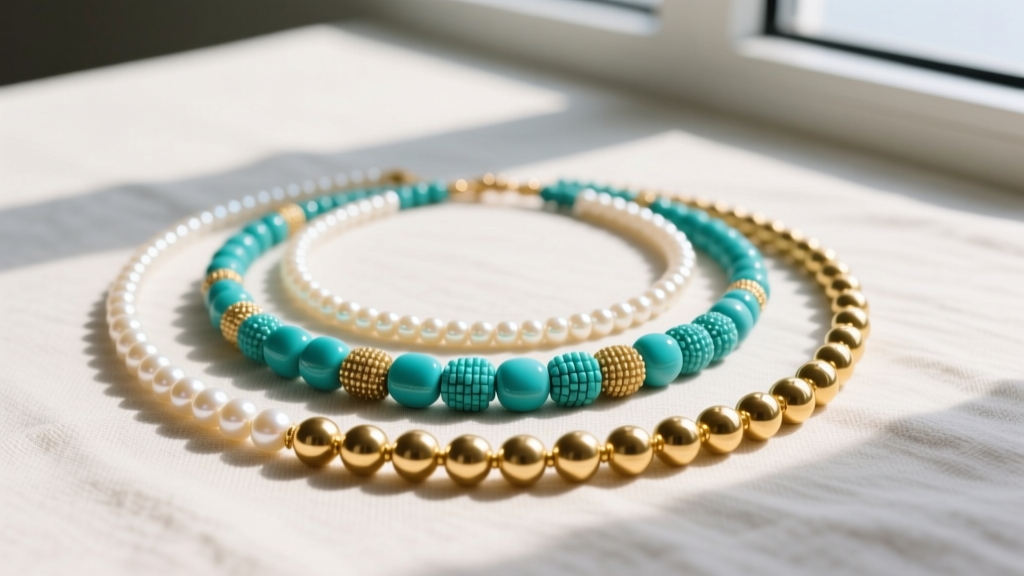
Market Analysis and Pricing Tiers
Understanding the pricing architecture of beads necklaces is essential for identifying genuine artisanal value versus inflated brand markups. The 2026 market is distinctly segmented into three tiers based on material provenance and structural integrity.
The Accessible Artisan Tier ($80 - $250): Pieces in this range typically feature high-quality, commercially cut semi-precious stones (like 6mm amethyst or lapis lazuli) or precision-molded Czech glass. The stringing is usually a standard 19-strand wire with sterling silver crimp covers. These are excellent for everyday layering but may lack the optical depth of kiln-formed glass.
The Master Crafter Tier ($300 - $850): This is the sweet spot for serious collectors. Necklaces here feature hand-torch borosilicate lampwork beads, custom-carved gemstone briolettes, and heavy 49-strand micro-fused wire. Hardware is exclusively solid 14k or 18k gold, and the clasp mechanisms are engineered to handle significant weight without fatiguing the wire.
The High Jewelry Heritage Tier ($1,200+): At the apex of the market, beads necklaces incorporate rare, untreated gemstone carvings (such as unheated Burmese rubies or Paraíba tourmaline beads), diamond-set spacer beads, and proprietary clasp systems. These pieces are often accompanied by gemological certificates and are treated as investment-grade assets rather than mere accessories.
Conclusion
The renaissance of beads necklaces in 2026 is a testament to the jewelry industry's return to material honesty and structural rigor. By prioritizing advanced stringing technologies, embracing the organic beauty of borosilicate glass and carved gemstones, and adopting asymmetrical styling frameworks, modern designers have elevated the beaded necklace from a casual accessory to a cornerstone of high jewelry. Whether you are investing in a master-crafted lampwork statement piece or layering matte onyx with seed pearls, understanding the engineering and provenance behind the beads ensures your collection will endure both in style and structural integrity.


