Angel Numbers Necklaces: A Beginner's Guide to Meanings & Metals
Discover the meaning behind angel numbers necklaces. Learn how to choose the right metal, chain length, and numerology pendant for your daily style.

The Rise of Intentional Jewelry: Understanding Angel Numbers
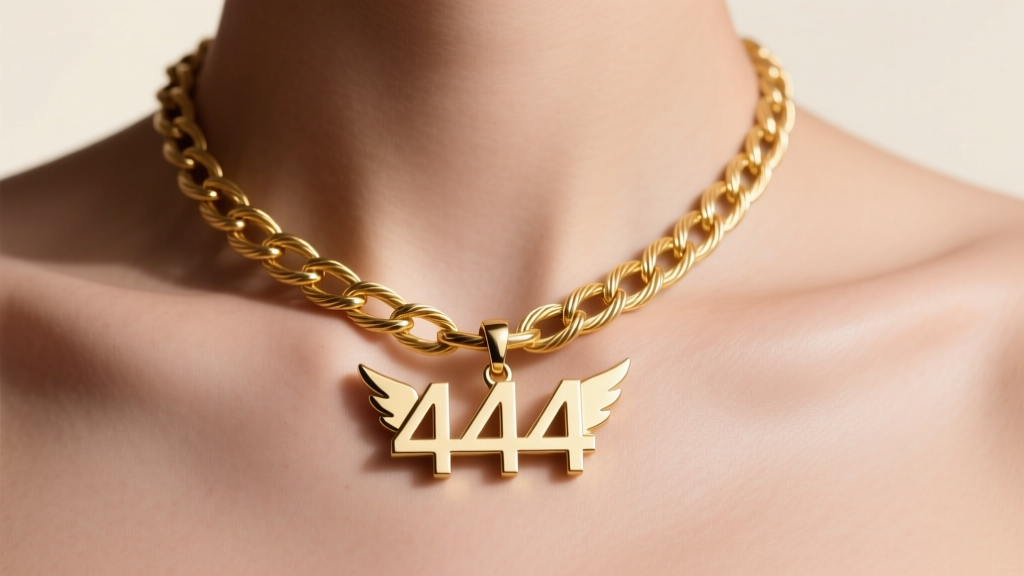
As we navigate the jewelry landscape of 2026, the shift toward intentional, meaning-driven accessories has solidified the angel numbers necklaces trend from a fleeting social media fad into a staple of modern personal styling. But what exactly are angel numbers? Rooted in numerology, these are repeating number sequences—like 111, 222, or 444—believed to carry specific spiritual guidance, synchronicities, or affirmations. According to historical overviews of numerology and its esoteric traditions, numbers have been used for centuries to interpret the universe's hidden patterns.
For beginners, choosing your first angel number pendant can feel overwhelming. Do you pick a number based on your birth date, a recurring sequence you keep seeing, or a specific manifestation goal? Beyond the spiritual meaning, the physical construction of the necklace—metal grade, chain gauge, and clasp mechanics—dictates whether your piece will last a season or a lifetime. This guide breaks down everything you need to know to invest in an angel numbers necklace that aligns with both your spiritual intentions and your quality standards.
Decoding the Sequences: Which Number Should You Wear?
Before evaluating metal types, it is crucial to select the sequence that resonates with your current life chapter. While personal intuition should always be your primary guide, numerologists generally agree on the core vibrations of the following repeating sequences.
| Angel Number | Core Meaning | Best Metal Pairing | Ideal Occasion |
|---|---|---|---|
| 111 | Manifestation, new beginnings, alignment | Yellow Gold (Solar energy) | Starting a new job or moving |
| 222 | Balance, harmony, partnerships | Rose Gold (Emotional warmth) | Weddings, anniversaries, dating |
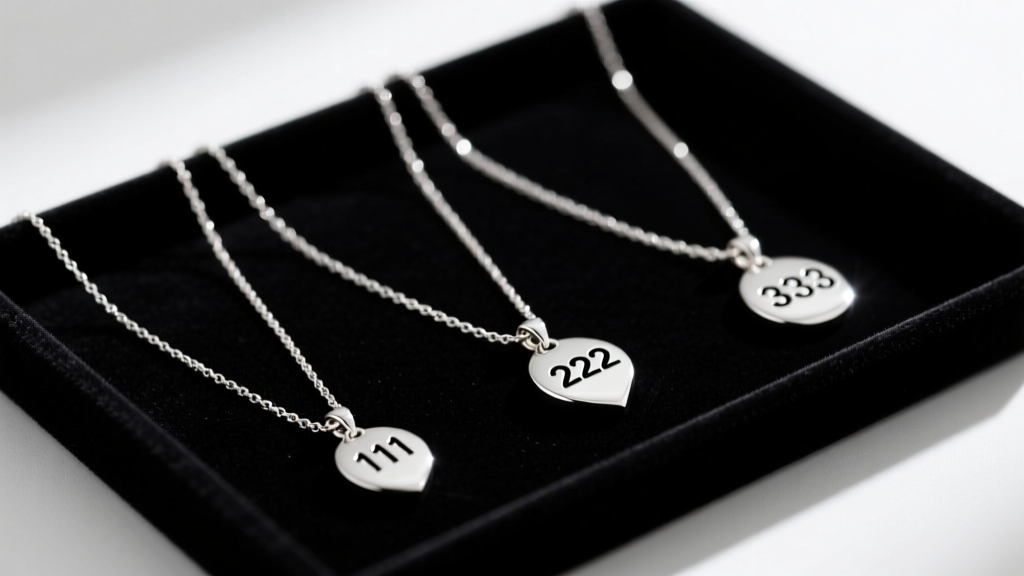
| 333 | Creativity, growth, self-expression | Sterling Silver (Fluidity) | Artistic pursuits, daily wear |
| 444 | Protection, stability, grounding | White Gold or Platinum | Travel, stressful life periods |
| 555 | Transformation, major life changes | Mixed Metals (Duality) | Career pivots, personal reinvention |
| 777 | Luck, spiritual awakening, wisdom | High-Karat Yellow Gold | Meditation, spiritual retreats |
Metallurgy 101: Choosing the Right Material Grade
The neckline is a high-friction, high-moisture area of the body. Your necklace will be exposed to sweat, perfumes, and the natural oils of your skin. Therefore, understanding metal grades is non-negotiable when shopping for angel numbers necklaces.
925 Sterling Silver vs. Gold Vermeil vs. Solid Gold
- 925 Sterling Silver: Composed of 92.5% pure silver and 7.5% copper or zinc alloys for strength. It is an excellent, affordable entry point (typically $30–$60). However, the copper content makes it prone to oxidation. If you choose silver, ensure the pendant has a rhodium plating finish to delay tarnishing.
- Gold Vermeil: Not to be confused with standard "gold-plated" brass or copper. According to the FTC Jewelry Guides, true gold vermeil must have a sterling silver base and be plated with at least 2.5 microns of 10k, 14k, or 18k gold. Vermeil offers the look of solid gold for a fraction of the price ($70–$120), but the gold layer will eventually wear down on the high-contact bail area over 2 to 3 years of daily wear.
- Solid 14k or 18k Gold: As detailed by the Gemological Institute of America (GIA), 14k gold contains 58.5% pure gold, making it highly resistant to tarnish and incredibly durable for daily friction. Solid gold angel number pendants are an investment ($250–$600+) but will last generations without the numbers rubbing off.
Chain Mechanics: Gauges, Bails, and Clasps
A common beginner mistake is pairing a heavy, solid gold 444 pendant with a delicate, ultra-thin chain. This creates a structural imbalance. The bail (the loop that connects the pendant to the chain) will act like a saw against the soft metal of a thin chain, eventually snapping it.
Matching Chain Gauge to Pendant Weight
Chain thickness is measured in millimeters (mm). Here is a practical framework for matching your chain to your angel number pendant:
- 0.8mm to 1.0mm Cable Chain: Best for lightweight, hollow, or thin stamped silver pendants weighing under 3 grams. Ideal for a subtle, barely-there 111 necklace.
- 1.2mm to 1.5mm Box or Rolo Chain: The sweet spot for most medium-sized numerology pendants (3 to 6 grams). Box chains feature interlocking square links that lay flat and resist kinking, providing excellent structural support for the pendant bail.
- 1.8mm+ Rope or Cuban Chain: Reserved for heavy, solid gold, or gemstone-encrusted number pendants exceeding 8 grams.
The Clasp Factor
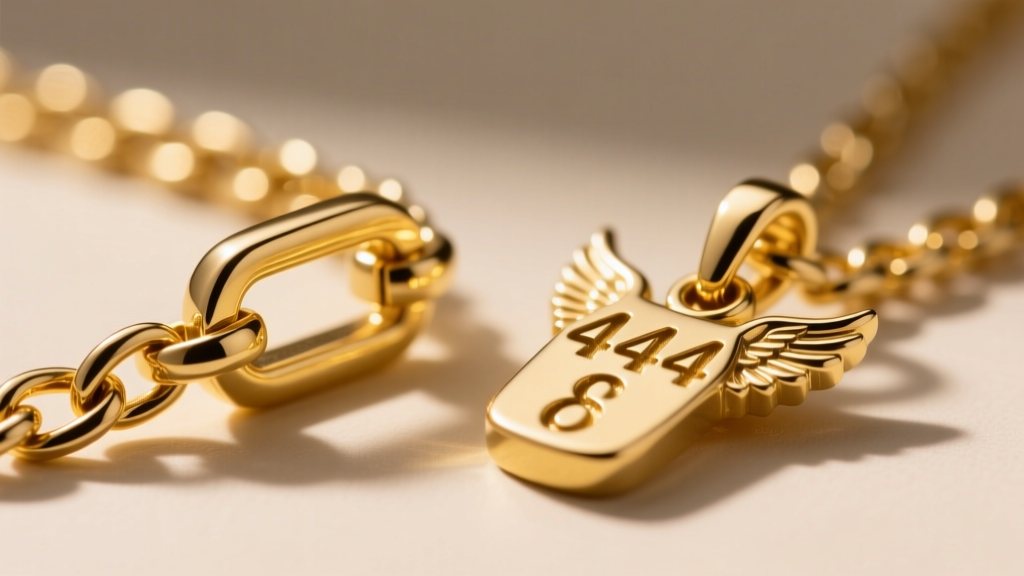
Always inspect the clasp on angel numbers necklaces. Lobster clasps are the industry standard for durability; they feature a spring-loaded lever that securely locks into the jump ring. Avoid spring ring clasps on chains thicker than 1.2mm, as their internal springs are notoriously weak and prone to failing when subjected to the weight of a metal number pendant.
The Physics of Layering: How to Style Without Tangling
Angel numbers necklaces are inherently designed for layering. However, layering multiple chains of the same length and texture guarantees a tangled mess by midday. To achieve a curated, tangle-free stack, follow these structural styling rules:
The 2-Inch Drop Rule: Always maintain at least a 2-inch gap between layered chains. If your 222 pendant sits on a 16-inch choker chain, your secondary necklace should be 18 inches, and your tertiary chain should be 20 inches. This prevents the pendants from colliding and scratching one another.
Furthermore, mix your chain textures. If your angel number pendant is on a classic cable chain, pair it with a smooth snake chain or a modern paperclip chain. Different link structures slide past each other more easily than identical links, which tend to interlock and knot when they rub together against the collarbone.
Care and Maintenance for Engraved and Stamped Numbers
The way your angel numbers are applied to the metal dictates how you must clean them.
- Stamped/Cut-Out Numbers: If the numbers are physically cut out of a solid metal disc (negative space), you can safely use a professional jewelry polishing cloth to buff the surface without fear of erasing the design.
- Oxidized/Enamel-Filled Numbers: Many sterling silver necklaces use intentional oxidation (blackening) or enamel to make the numbers pop against the silver background. Never use liquid silver dips, ultrasonic cleaners, or abrasive polishing pastes on these pieces. The chemicals will strip the dark contrast from the numbers, leaving you with a flat, illegible silver disc. Instead, clean these pieces using a few drops of mild dish soap, lukewarm water, and an extra-soft baby toothbrush, gently brushing around the numbers to remove skin oils and lotion buildup.
By understanding the intersection of spiritual meaning and physical metallurgy, you can select an angel numbers necklace that serves as both a powerful personal talisman and a high-quality, enduring addition to your jewelry wardrobe.


