Beginner Guide to Buying an Antique Pearl Necklace
Learn how to authenticate, evaluate, and buy a genuine antique pearl necklace. Expert tips on nacre, clasps, and knotting for beginners.

What Defines a True Antique Pearl Necklace?
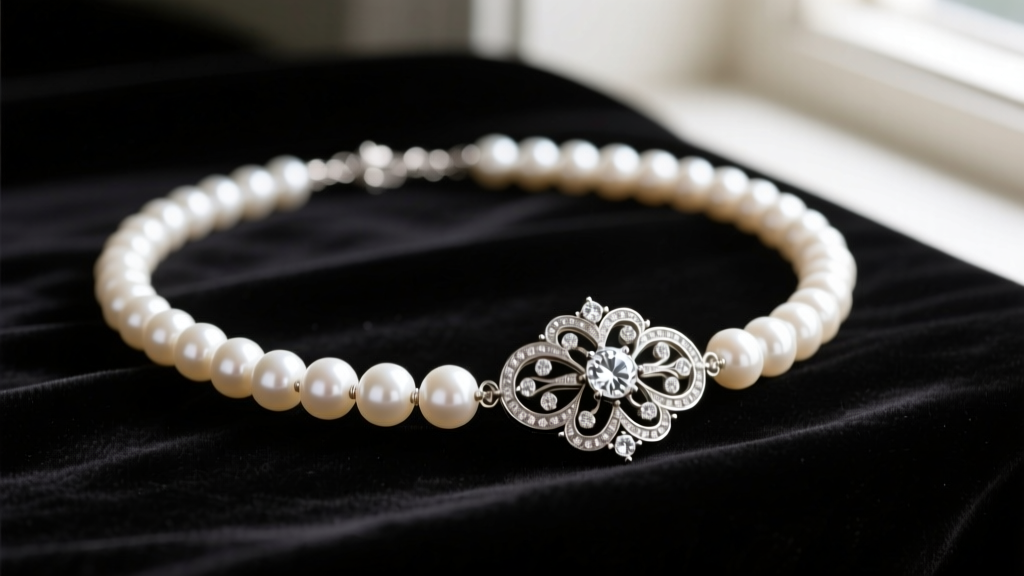
Entering the estate jewelry market can feel like navigating a minefield, especially when hunting for an authentic antique pearl necklace. By strict gemological and auction house standards, the term 'antique' applies exclusively to pieces that are at least 100 years old. As of 2026, this means a genuine antique piece must have been crafted no later than 1926. Anything younger falls into the 'vintage' category. Understanding this timeline is critical because the year 1916 marks a massive turning point in pearl history: Kokichi Mikimoto's patent for the cultured pearl process. Therefore, an 1890s necklace will feature either natural saltwater pearls or glass imitations, while a 1920s piece might feature early bead-nucleated cultured pearls. Knowing the difference between these origins is the first step in avoiding overpriced fakes and misattributed eras.
The Anatomy of Vintage and Antique Pearls
Before you purchase, you must understand what you are looking at under a loupe. Natural pearls form when an irritant enters an oyster, and the mollusk secretes layer upon layer of nacre to protect itself. The result is a pearl made entirely of solid nacre. Early cultured pearls, however, were created by surgically inserting a mother-of-pearl bead nucleus into the oyster, which then secreted a relatively thin layer of nacre over it.
Nacre Thickness and Luster
Natural antique pearls often exhibit a deep, almost glowing luster due to their solid nacre structure. According to the Gemological Institute of America (GIA), the light refraction through solid nacre creates a soft, complex orient that is incredibly difficult to replicate. Early 20th-century cultured pearls, conversely, might show a slightly harsher, more mirror-like reflection if the nacre layer is thin. When examining an antique pearl necklace, look for a 'chalky' appearance near the drill holes, which can indicate thin nacre over a bead nucleus or, worse, a painted glass fake.
Surface Blemishes and Patina
Perfection is incredibly rare in natural pearls. Genuine antique strands will almost always feature minor surface blemishes, growth rings, or slight variations in shape and color. A strand of perfectly round, flawless pearls with identical luster sold at a suspiciously low price is almost certainly a modern synthetic or glass imitation. Over a century, natural pearls also develop a subtle patina—a softening of the luster and a slight creaming of the color that cannot be artificially manufactured.
4 Crucial Authentication Markers for Beginners
To confidently evaluate an antique pearl necklace, you need to look beyond the pearls themselves. The findings, stringing materials, and drill holes tell the true story of the piece's age and authenticity.
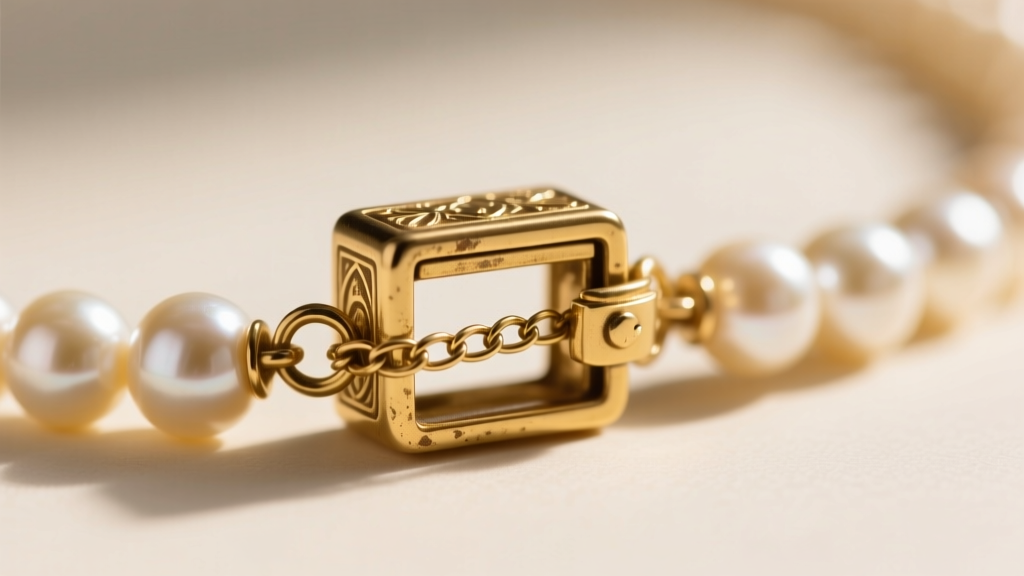
- The Clasp Mechanism: Clasps are the best indicators of age. Pre-1900 Victorian pieces often feature simple 'C' clasps without a locking mechanism. By the Edwardian era (1901-1915), you will see early safety chains and trombone clasps. The 1920s introduced the box clasp with a safety catch. Always inspect the clasp for soldering marks and hallmarks; a modern laser-engraved '14K' on an allegedly 19th-century piece is a major red flag.
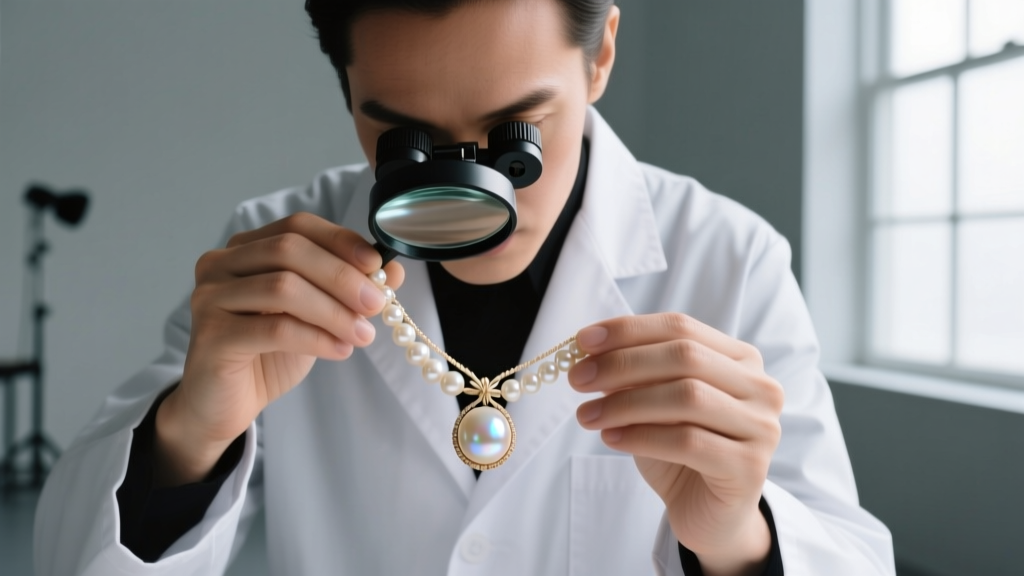
- The Drill Holes: Use a 10x triplet loupe to examine the drill holes. Natural antique pearls were drilled by hand, resulting in tiny, sometimes slightly tapered or uneven holes. Early cultured pearls have wider, more uniform holes. If you see chipped paint, peeling enamel, or a distinct line separating a glass core from a coating, you are looking at a Majorica or glass fake.
- Silk Knotting and French Wire: High-quality antique strands are individually knotted with silk thread to prevent pearl loss if the strand breaks. Look for 'French wire' (also known as gimp)—a tiny coiled metal wire placed over the silk right before the clasp to prevent the metal from fraying the thread. If the silk is bright white and tightly knotted, the necklace has been recently restrung, which removes some of the original age clues but is necessary for wearability.
- The Tooth Test: While not definitive for distinguishing between natural and cultured, the tooth test easily separates real nacre from glass or plastic. Gently rub the pearl against the biting edge of your front tooth. Real nacre feels distinctly gritty or sandy due to its crystalline aragonite structure, while glass and plastic feel perfectly smooth.
Antique Pearl Necklace Pricing Guide (2026 Market)
Pricing an antique pearl necklace requires an understanding of its era, pearl origin, and clasp materials. As outlined by auction archives like the Victoria and Albert Museum's jewelry collections, provenance and natural origins heavily dictate value. Below is a general pricing framework for the current market.
| Era & Style | Pearl Type | Typical Clasp Material | Estimated Price Range (USD) |
|---|---|---|---|
| Victorian (1837-1901) | Seed Pearls / Natural Saltwater | 14K Gold, Pinchbeck | $800 - $4,500 |
| Edwardian (1901-1915) | Natural Saltwater (Basra/Gulf) | Platinum, Diamonds | $5,000 - $50,000+ |
| Art Deco (1920-1935) | Early Cultured / Onyx Accents | White Gold, Filigree Box | $1,500 - $8,000 |
| Mourning Jewelry (Mid-1800s) | Black Glass / Jet / Dark Pearl | Gold-filled, Vulcanite | $400 - $2,000 |
Common Pitfalls and Fakes to Avoid
The most common trap for beginners is confusing 'vintage-style' modern reproductions with genuine antiques. In the 1980s and 1990s, several manufacturers produced high-quality cultured pearl necklaces with antique-style filigree clasps and yellowed silk to mimic the estate look. Always check the clasp stamps. Modern replicas often feature machine-stamped '925' or '14K' fonts that lack the soft wear patterns of century-old metal. Furthermore, be wary of 'natural' claims without X-ray certification. According to gemological standards, the only way to definitively prove a pearl is natural (solid nacre) rather than bead-nucleated is through an X-ray examination by a certified laboratory. If a seller is asking premium natural pearl prices ($10,000+), demand a recent GIA or SSEF pearl identification report.
Expert Insight: Never purchase a high-value antique pearl necklace based solely on a visual appraisal. The difference between a $500 early cultured strand and a $20,000 natural saltwater strand is invisible to the naked eye and requires microradiography to confirm.
Where to Source Genuine Antique Pieces
For beginners, the safest route is purchasing from established estate jewelry dealers, reputable auction houses, or vetted online platforms that offer unconditional return policies. Avoid unverified flea markets or unvetted online marketplaces unless you possess advanced gemological tools and experience. When buying online, request high-resolution macro photos of the clasp, the drill holes, and the knotting. Ask the seller specific questions about the restringing history and whether the piece has been tested for bead nucleation. By focusing on the structural evidence—the clasps, the knots, and the drill holes—you can confidently build a collection of authentic antique pearl necklaces that carry both historical significance and enduring financial value.


