Anthropologie Pearl Necklace Guide: Glass vs. Shell vs. Freshwater
Discover the material science behind the iconic anthropologie pearl necklace. Compare glass, shell, and freshwater pearls for durability and style.

The Allure of the Boho Pearl: Decoding the Materials
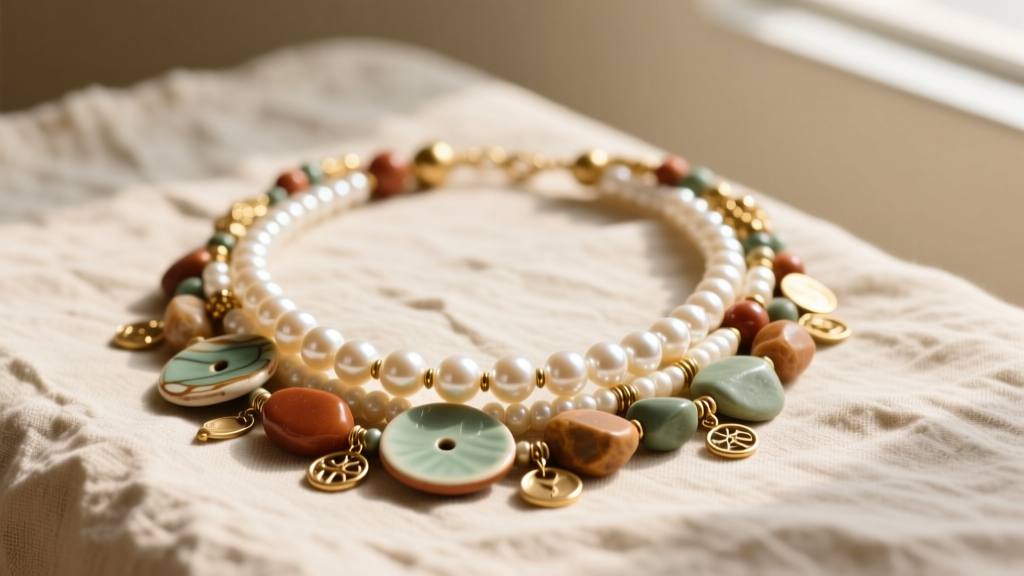
When you search for the perfect anthropologie pearl necklace, you are likely chasing a specific aesthetic: eclectic, layered, vintage-inspired, and effortlessly bohemian. In the 2026 jewelry market, the demand for these romantic, mixed-media strands is higher than ever. However, the term 'pearl' in fashion jewelry encompasses a vast spectrum of materials, ranging from organic gemstones to highly engineered simulants. Understanding the material science behind your strand is crucial for assessing its longevity, value, and care requirements.
While fine jewelers focus exclusively on cultured varieties, lifestyle brands and boho-chic curators frequently utilize glass, shell, and composite resins to achieve specific weights, perfect spherical shapes, and accessible price points. To make an informed purchase, we must look past the luster and examine the core composition, surface coatings, and structural integrity of the beads themselves.
Glass and Crystal Pearls: The Coated Core
Glass pearls are a staple in fashion jewelry, prized for their uniform shape and heavy, luxurious drape. The core of these beads is typically made from soda-lime glass or, in higher-end vintage pieces, lead glass crystal, which provides a high refractive index and a satisfying specific gravity (typically between 2.5 and 3.0).
Manufacturing and Coating Chemistry
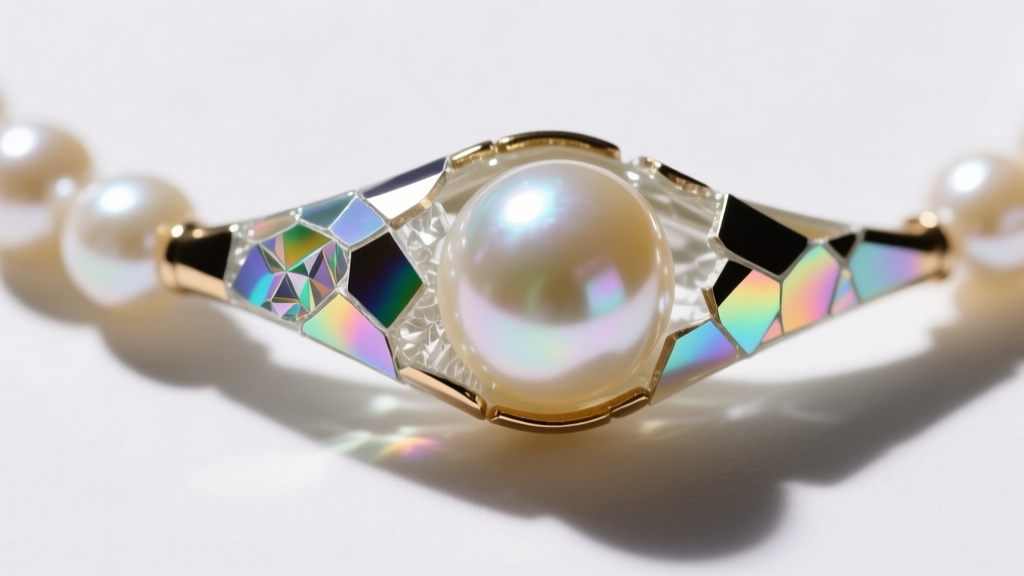
The 'pearl' effect is achieved entirely through surface coatings. Historically, manufacturers used essence d'orient, a suspension of guanine crystals extracted from fish scales, to mimic the iridescence of natural nacre. Today, modern material science relies on synthetic alternatives like bismuth oxychloride or titanium dioxide-coated mica flakes. These pigments are suspended in a lacquer binder and dipped onto the glass core multiple times. The thickness of this coating dictates the bead's durability; a high-quality glass pearl may feature 20 to 30 microscopic layers, while cheaper alternatives rely on a single, thin spray coat.
Failure Modes: Peeling and Yellowing
The primary vulnerability of the glass pearl lies in the Mohs hardness scale. While the glass core sits at a 5.5, the pearlescent lacquer coating is remarkably soft, often rating between 2.0 and 2.5. This discrepancy means that everyday friction from collars, layered chains, or even fingernails can easily scratch the surface. Furthermore, the organic binders used in the lacquer are susceptible to UV degradation and chemical breakdown from perfumes, leading to the infamous 'yellowing' and peeling that plagues vintage fashion jewelry. According to the Gemological Institute of America (GIA), avoiding ultrasonic cleaners and harsh chemicals is paramount, as these will instantly dissolve the delicate simulant coatings.
Shell Pearls: The Heavyweight Imposters
Often marketed as 'Mother of Pearl beads,' shell pearls are not carved from solid shell but are instead a composite material. They are manufactured by pulverizing freshwater mussel shells into a fine calcium carbonate powder and mixing it with an acrylic or epoxy resin binder. This paste is then poured into spherical molds, allowed to cure, and finished with a protective clear coat and pearlescent glaze.
Weight, Temperature, and Uniformity
Because the core is composed of dense, crushed shell material, these beads possess a high specific gravity (around 2.7), making them feel remarkably cold to the touch and heavy on the neck—mimicking the heft of high-grade South Sea cultured pearls. Their molded nature guarantees absolute perfection in sphericity, which is virtually impossible to achieve in organic cultured pearls. However, the resin binder makes them highly sensitive to heat and solvents. Exposure to acetone or extreme heat can soften the epoxy matrix, causing the bead to warp or lose its structural integrity.
Cultured Freshwater Pearls: The Organic Standard
When an anthropologie pearl necklace features genuine organic gems, they are almost exclusively tissue-nucleated freshwater pearls, primarily farmed in the lakes and rivers of China using the Hyriopsis cumingii mussel. Unlike saltwater pearls that use a solid shell bead nucleus, freshwater pearls are seeded with tiny pieces of donor mantle tissue, resulting in a bead composed of solid nacre from the center to the surface.
Nacre Quality and Baroque Variations
This solid nacre composition makes freshwater pearls incredibly durable, as there is no thin coating to peel away. The nacre itself is a biomineral composite consisting of microscopic aragonite platelets held together by an organic matrix called conchiolin. While perfectly round freshwater pearls are becoming more common due to advanced farming techniques, the boho-chic aesthetic heavily favors 'baroque' or keshi shapes. These asymmetrical, organic forms offer a unique, earthy texture that aligns perfectly with eclectic, layered styling. The GIA notes that the luster of a freshwater pearl is often softer and more satiny compared to the mirror-like reflection of saltwater Akoya pearls, a trait that many designers intentionally seek out for a vintage feel.
Comprehensive Material Comparison Matrix
To help you identify the exact composition of your strand, refer to the material properties table below. This framework is essential for evaluating the true value and expected lifespan of your jewelry.
| Material Type | Core Composition | Surface Layer | Mohs Hardness | Specific Gravity | Typical Price Range |
|---|---|---|---|---|---|
| Glass Pearl | Soda-lime or Lead Glass | Bismuth Oxychloride / Guanine Lacquer | 5.5 (Core) / 2.0 (Coating) | 2.5 - 3.1 | $15 - $60 |
| Shell Pearl | Pulverized Shell + Resin | Pearlescent Glaze + Clear Coat | 2.5 - 3.0 | 2.6 - 2.8 | $20 - $80 |
| Freshwater Cultured | Solid Aragonite Nacre | Natural Nacre (No coating) | 2.5 - 3.0 (Uniform) | 2.6 - 2.7 | $45 - $250+ |
Field Testing: How to Identify Your Strand
If you have acquired a vintage or unlabeled piece and need to determine its material origin, gemologists rely on a few non-destructive field tests. These methods exploit the distinct physical properties of organic versus manufactured materials.
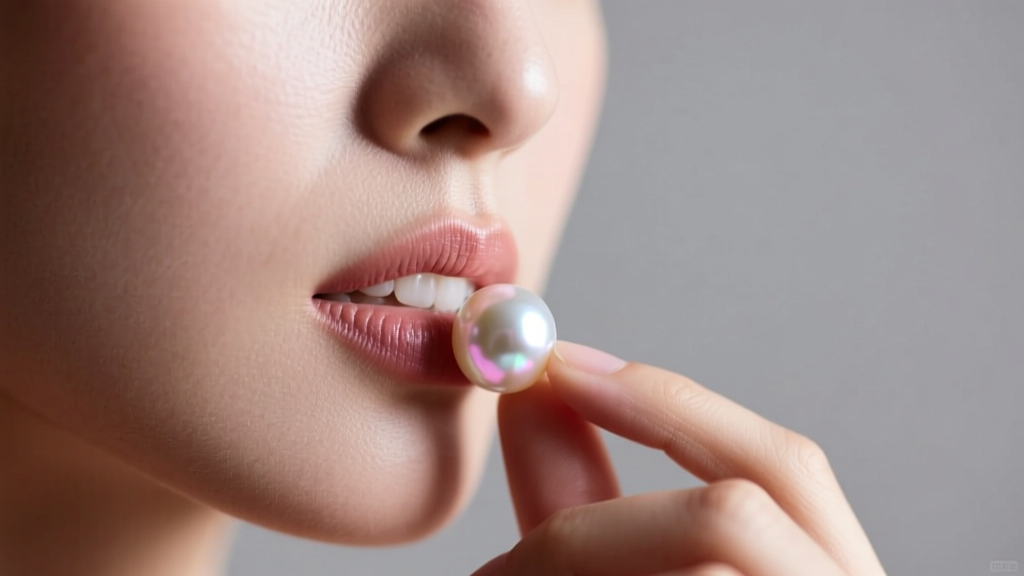
- The Tooth Test: Gently rub the bead against the biting edge of your front teeth. A genuine freshwater pearl will feel distinctly gritty or sandy due to the overlapping aragonite platelets. Glass and shell pearls, with their smooth synthetic coatings, will glide perfectly smooth. Note: Always clean the jewelry thoroughly before and after this test.
- Thermal Conductivity: Hold the beads in your closed palm. Glass and shell pearls will feel noticeably cold initially and take longer to absorb your body heat. Plastic simulants (often used in cheaper boho strands) will feel room-temperature or warm almost instantly. Freshwater pearls also feel cool, but their thermal transfer rate is slightly different from dense glass.
- Drill Hole Inspection: Using a 10x jeweler's loupe, examine the area where the string passes through the bead. On a glass pearl, you will often see the sharp, chipped edge of the glass core, and sometimes the coating peeling away from the hole. On a freshwater pearl, the drill hole will reveal solid, concentric layers of nacre with no distinct boundary between a core and a shell.
Long-Term Conservation and Care
The care regimen for your necklace must be strictly tailored to its material composition. Treating a glass pearl like a freshwater pearl can result in catastrophic damage to the simulant coating.
Expert Conservation Tip: Never store your pearl necklaces in airtight plastic bags or safety deposit boxes for extended periods. Both organic nacre and the lacquer binders in glass pearls require trace amounts of ambient moisture to prevent the conchiolin (or synthetic resin) from drying out, cracking, and yellowing. Store them flat in a breathable linen pouch, away from direct sunlight.
For glass and shell pearls, wiping them down with a slightly damp microfiber cloth after wear is sufficient. Never use commercial jewelry dips, ammonia, or ultrasonic cleaners, as these will strip the pearlescent coating down to the bare glass or resin core in seconds.
For freshwater cultured pearls, the Encyclopædia Britannica and gemological experts recommend the 'last on, first off' rule. Apply all perfumes, hairsprays, and lotions before putting on your necklace, as the acids and alcohols in cosmetics can slowly etch the calcium carbonate surface of organic pearls, dulling their natural luster over time. If your freshwater strand loses its shine, a professional gemologist can sometimes gently polish the outermost microscopic layer of nacre to reveal the pristine aragonite beneath—a restorative option entirely impossible for glass or shell simulants.
Ultimately, whether you are investing in a high-end freshwater strand or styling a chic, layered glass pearl piece, understanding the material science ensures your jewelry remains a staple in your wardrobe for years to come.


