A Beginner’s Guide to Choosing an Authentic Polynesian Necklace
Discover the meaning, materials, and styling tips for authentic Polynesian necklaces. Learn to choose bone, shell, or pounamu pendants with respect.

Understanding the Polynesian Necklace: Beyond the Tourist Trap
When you search for a Polynesian necklace, you are stepping into a vast, deeply spiritual world of adornment that spans thousands of miles across the Pacific Ocean. From the intricate bone carvings of the Māori in Aotearoa (New Zealand) to the shell and seed leis of Hawaii, these pieces are far more than mere fashion accessories. They are talismans, genealogical records, and markers of social standing. For beginners navigating this market in 2026, the line between authentic cultural heritage and mass-produced appropriation can be blurry. This guide will equip you with the material knowledge, symbolic literacy, and ethical frameworks needed to choose, wear, and care for a genuine Polynesian necklace.
Core Materials: Grading and Authenticity
The foundation of any traditional Pacific necklace lies in its organic materials. Modern synthetics have flooded the market, making it crucial to understand the physical properties of authentic stones, bones, and shells.
Pounamu (New Zealand Greenstone)
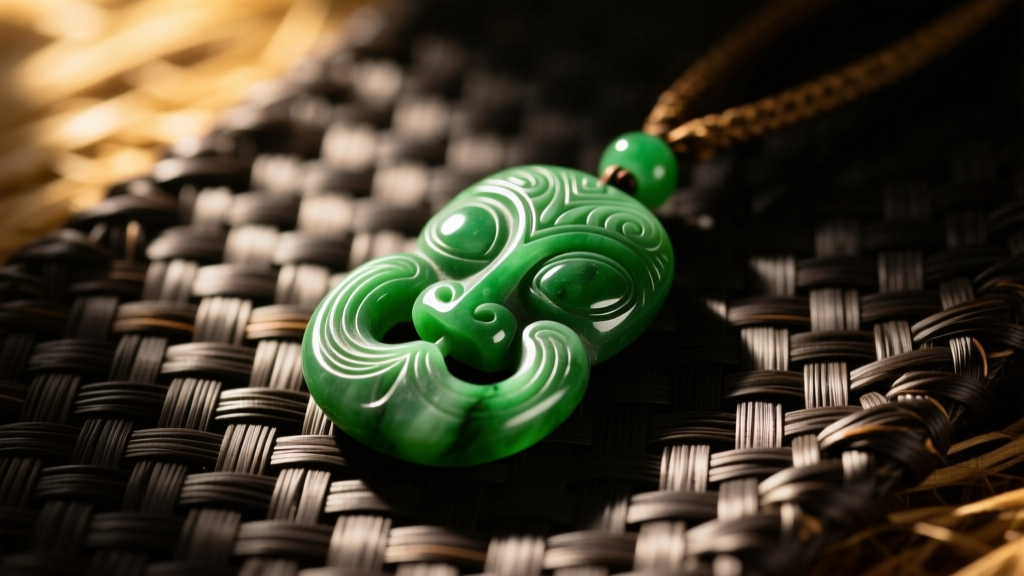
Pounamu is a nephrite jade highly prized in Māori culture. It registers between 6.0 and 6.5 on the Mohs hardness scale, making it incredibly durable for daily wear, yet capable of being carved with diamond-tipped tools. Authentic pounamu is generally classified into four main grades:
- Kawakawa: Deep, rich green with small black inclusions (chromite spots). The most common and versatile grade for carving.
- Īnanga: Pale, pearly green or blue-grey, resembling the belly of a whitebait fish. Highly translucent and prized for its ethereal glow.
- Kahotea: Vibrant, pure green with minimal inclusions, often featuring streaks of lighter green.
- Tangiwai: Actually a bowenite (serpentine) rather than true nephrite. It is highly transparent and glass-like but slightly softer (Mohs 5.5), requiring more careful wear.
According to the Museum of New Zealand Te Papa Tongarewa, pounamu possesses its own mana (spiritual power), which increases as it is passed down through generations.
Bone and Horn
Historically, Māori and other Pacific carvers utilized whale bone, seal bone, and even human bone for sacred pieces. Today, ethical sourcing dictates the use of high-density cow or buffalo bone. Authentic hand-carved bone is porous. If unsealed, it will absorb skin oils and sweat, turning a rich amber-yellow over time. While some collectors prize this patina, modern carvers often seal the bone with natural beeswax or specialized micro-crystalline wax to maintain its bright white finish.
Shell, Wood, and Teeth
In Hawaiian and Fijian traditions, materials like the lei niho palaoa (a carved whale tooth pendant) were reserved exclusively for high-ranking chiefs. Today, sustainable alternatives like carved coconut shell, ironwood, and ethically sourced fossilized ivory or resin composites are used to replicate these prestigious silhouettes without harming marine life.
Traditional Symbols and Their Meanings
Wearing a Polynesian necklace means wearing a story. The shapes carved into pounamu, bone, and wood follow strict ancestral templates. Below is a breakdown of the most common motifs you will encounter when shopping for a pendant.
| Motif | Traditional Name | Core Meaning | Ideal Wearer |
|---|---|---|---|
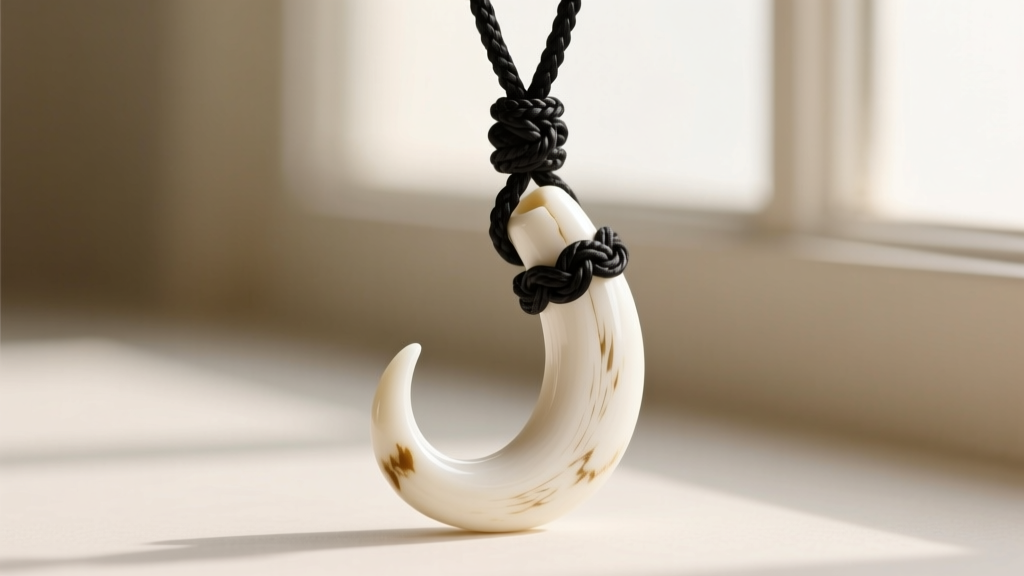
| Fish Hook | Hei Matau | Prosperity, abundance, and safe travel over water. | Travelers, fishermen, and entrepreneurs. |
| Fern Frond | Koru | New beginnings, growth, and peace. Represents the unfurling silver fern. | Those starting a new life chapter or career. |
| Twist | Pikorua | The intertwining of two lives. A symbol of eternal bond and friendship. | Couples, best friends, or business partners. |
| Humanoid | Hei Tiki | Ancestral connection, fertility, and protection. A deeply sacred vessel. | Those honoring lineage or seeking spiritual grounding. |
| Shark Tooth | Niho Mano | Strength, adaptability, and guidance. The shark is an aumakua (ancestor spirit). | Athletes, surfers, and those needing courage. |
Sizing, Cords, and Hardware: The Technical Details
A common mistake beginners make is pairing an organic, hand-carved Polynesian pendant with a mass-produced sterling silver or stainless steel chain. This not only creates a jarring aesthetic clash but can physically damage the piece. Metal chains act like saws against the softer drilled holes of bone and pounamu, eventually causing the pendant to snap off and break.
Choosing the Right Cord
Authentic Polynesian necklaces are suspended on braided or twisted cords. When selecting or replacing a cord, look for these specifications:
- Material: Waxed polyester or high-grade nylon is superior to cotton. Cotton degrades when exposed to sweat and UV light, snapping unexpectedly. Waxed polyester repels moisture and lasts for decades.
- Thickness: For delicate pendants (under 2 inches), a 2mm braided cord is ideal. For heavier, statement-sized bone hooks or large pounamu pieces, upgrade to a 3mm or 4mm cord to distribute the weight evenly and prevent neck strain.
- Color: Black and dark brown are traditional and versatile, allowing the natural translucency of the stone or the stark white of the bone to take center stage.
The Sliding Square Knot
Avoid metal clasps (lobster or spring rings). Traditional necklaces utilize a continuous loop finished with a sliding macrame square knot. This allows the wearer to adjust the length from a high choker position (16 inches) down to the sternum (24 inches) without removing it over the head. Ensure the knot is tied with a micro-melted synthetic end to prevent fraying over years of friction.
Cultural Respect vs. Appropriation in 2026
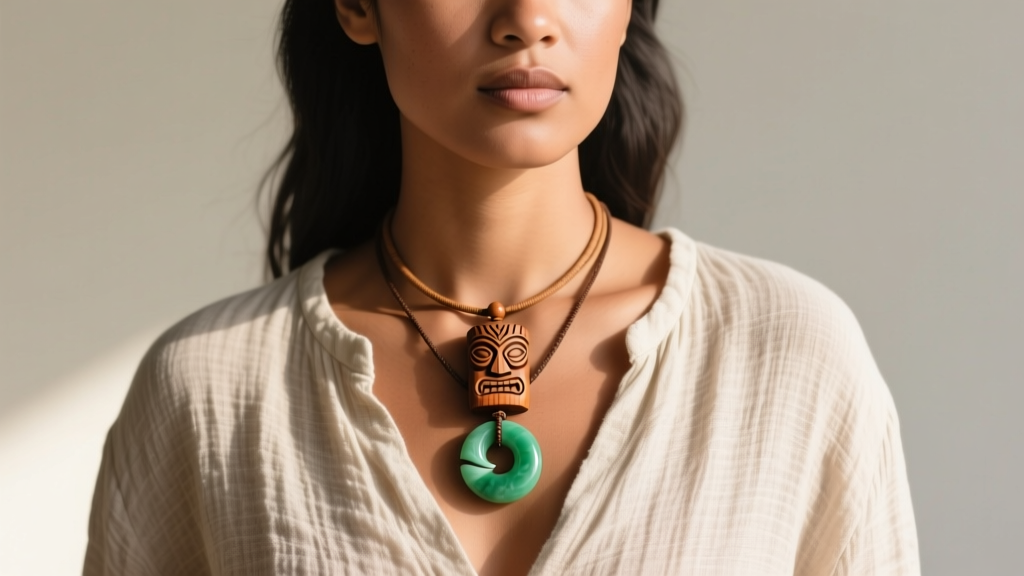
The global appreciation for indigenous art has unfortunately birthed a massive industry of cheap, factory-molded plastic and resin knockoffs. Buying a $15 "tiki" necklace from a generic fast-fashion retailer strips the art form of its context and financially harms indigenous communities. The Polynesian Cultural Center and various Pacific arts councils emphasize that true appreciation requires supporting the artisans who keep these carving traditions alive.
How to buy ethically:
- Verify the Carver: Look for artisans who are registered members of recognized guilds, such as the New Zealand Māori Arts and Crafts Institute (NZMACI) or verified indigenous cooperatives in Hawaii and Fiji.
- Ask for Provenance: Genuine pounamu carvers will tell you exactly where the stone was sourced (e.g., the Arahura River) and will often provide a certificate of authenticity.
- Understand the Tapu (Sacred Restrictions): Some specific, highly sacred carvings are traditionally reserved for elders or specific genders. While modern carvers are generally open to sharing their art with respectful global buyers, it is always best to ask the artisan about the specific protocol for wearing a piece before purchasing.
Maintenance and Care for Organic Jewelry
To ensure your Polynesian necklace lasts a lifetime, you must treat the organic materials correctly. Never use ultrasonic jewelry cleaners or harsh chemical dips on pounamu or bone; the high-frequency vibrations can exploit microscopic fissures in the stone, causing catastrophic fractures. Instead, clean your pendants monthly with a soft, damp microfiber cloth and a drop of mild, pH-neutral soap. For unsealed bone carvings, rub a tiny amount of natural jojoba oil into the surface once a year to prevent the material from drying out and cracking in low-humidity environments.
By understanding the deep material and spiritual roots of the Polynesian necklace, you transition from a mere consumer to a respectful custodian of Pacific heritage. Choose your materials wisely, honor the symbolism, and wear your pendant with the reverence it commands.


