The Beginner's Guide to Choosing an Authentic Wampum Necklace
Discover the history, cultural significance, and styling tips for a wampum necklace. Learn how to identify authentic Native-made shell beads.

What Exactly Is a Wampum Necklace?
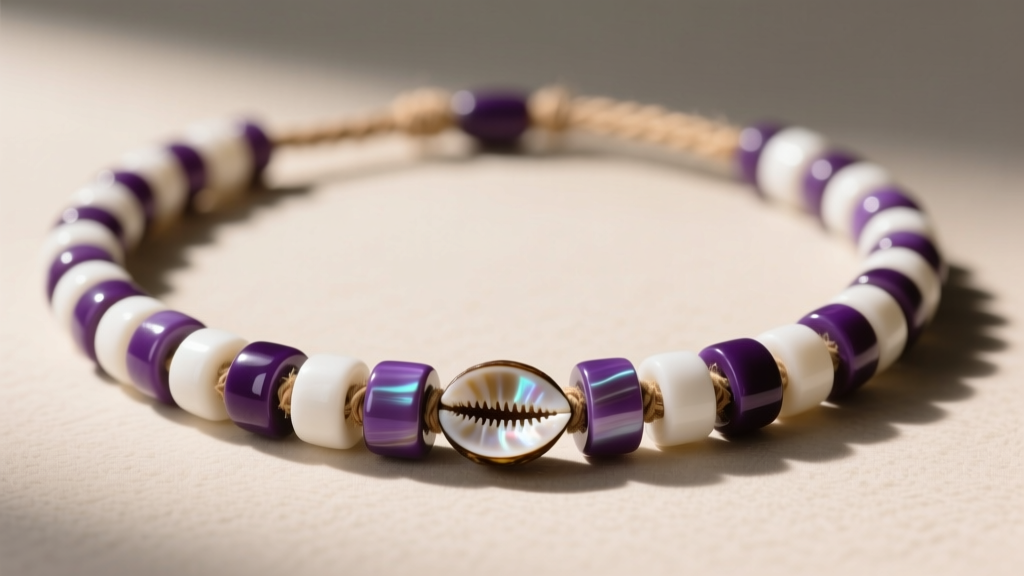
When exploring indigenous and heritage jewelry, few pieces carry the historical weight and natural beauty of a wampum necklace. The word "wampum" is derived from the Algonquian word wampumpeag, which translates roughly to "white string of beads." For beginners stepping into the world of meaningful, culturally rich adornments, understanding what wampum is—and what it is not—is the crucial first step before making a purchase.
True wampum beads are meticulously handcrafted from the shells of specific marine mollusks native to the Atlantic coast of North America. They are shaped into small, cylindrical tubes and drilled to be strung together. While modern jewelry markets are flooded with mass-produced shell and glass imitations, authentic wampum remains a specialized craft kept alive by Native American artisans, particularly those from the Haudenosaunee (Iroquois) and Wabanaki confederacies.
The Cultural Significance: More Than Just Jewelry
To wear a wampum necklace respectfully, one must understand its origins. A pervasive colonial myth suggests that wampum was used primarily as "Indian money." In reality, wampum was never a currency in the European economic sense. Instead, it served as a sacred mnemonic device, a record-keeping medium, and a symbol of diplomatic authority.
"Wampum belts were woven to document treaties, record historical events, and establish laws. The beads themselves carry the weight of spoken words and binding agreements." — National Museum of the American Indian
When you wear a wampum necklace today, you are wearing a material that historically facilitated peace treaties, such as the famous Two Row Wampum, and bound confederacies together. Approaching this jewelry with reverence rather than treating it as a mere boho-chic accessory is vital for ethical consumption.
Quahog vs. Whelk: Understanding the Shells
Authentic wampum is derived from two primary sources, each yielding distinct colors:
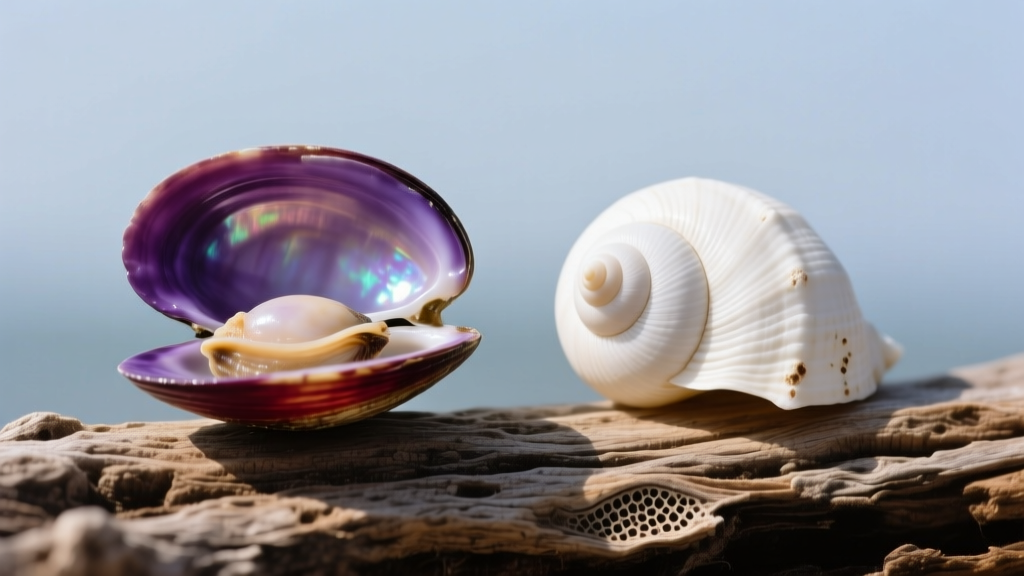
- The Quahog Clam (Mercenaria mercenaria): This hard-shell clam provides both the highly prized, deep purple beads (found only in the inner hinge and lip of the shell) and white beads. The purple is exceptionally rare, making up only a fraction of the shell, which drives up the value of purple wampum jewelry.
- The Knobbed Whelk (Busycon carica): This large sea snail provides the columella (the central spiral column), which is thick, dense, and yields beautiful, chalky white beads.
How to Spot Authentic Wampum Beads
As a beginner, distinguishing between genuine Native-made wampum and cheap tourist-trap imitations can be challenging. Mass-market "shell" necklaces are often made from dyed bone, glass, or low-grade cowrie shells. Here is a practical decision framework to verify authenticity.
| Feature | Authentic Wampum | Imitation / Mass-Produced |
|---|---|---|
| Material | Quahog or Whelk shell | Glass, resin, dyed bone, or cowrie |
| Temperature | Cool to the touch initially, warms slowly | Room temperature (plastic) or stays cold (glass) |
| Weight | Dense and substantial for its small size | Overly light (resin) or unnaturally heavy (glass) |
| Drill Hole | Clean, slightly chalky white interior core | Painted edges, dyed core, or perfectly uniform |
| Color Depth | Purple varies in shade; white is opaque/chalky | Uniform, painted-on purple; glossy white |
| Price Range | $150 to $2,500+ (depending on purple content) | $10 to $45 |
Pro Tip: Look closely at the purple beads. Genuine quahog purple features subtle striations and gradients because it is a natural biological formation. If the purple is perfectly uniform and glossy, it is almost certainly dyed glass or resin.
Ethical Sourcing and the Law
When shopping for a wampum necklace, you must navigate the legal and ethical landscape of Native American art. In the United States, the Indian Arts and Crafts Act (IACA) of 1990 is a truth-in-advertising law that prohibits misrepresentation in marketing American Indian or Alaska Native arts and crafts.
It is illegal to sell or display art as "Native American," "Indian," or "Tribal" if it is not made by a member of a federally or state-recognized tribe, or an artisan certified by such a tribe. When buying online or at markets:
- Ask for the artisan’s specific tribal affiliation (e.g., "Onondaga Nation" or "Penobscot Nation").
- Avoid vague descriptors like "Native-inspired," "Southwest style," or "Indian-style"—these are legal loopholes used to sell counterfeits.
- Purchase directly from indigenous-owned cooperatives, verified tribal websites, or reputable galleries that provide a certificate of authenticity.

Styling and Caring for Your Wampum Necklace
Wampum is incredibly versatile but requires specific care due to its material composition. Shell is primarily calcium carbonate, which rates a mere 3 to 4 on the Mohs hardness scale, making it softer than quartz and susceptible to scratching and acid erosion.
Neckline Pairings and Styling
Because wampum beads are typically small (ranging from 1/8 inch to 1/4 inch in diameter), they offer a refined, textured look rather than a bold, chunky statement.
- The Single-Strand Choker (14-16 inches): A classic white whelk choker pairs beautifully with crisp linen button-downs, V-neck blouses, and earth-toned knitwear. It draws the eye to the collarbone without overwhelming the outfit.
- Multi-Strand Lariats: For evening wear or formal occasions, a multi-strand necklace featuring alternating purple and white quahog beads adds a sophisticated, organic contrast to dark fabrics like navy silk or charcoal wool.
- Layering: Wampum can be layered with delicate gold or silver chains. However, avoid layering it with heavy gemstone pendants or harder materials (like agate or quartz) that could physically scratch the softer shell beads over time.
Maintenance and Storage
To ensure your wampum necklace lasts for generations, follow these strict maintenance rules:
- Avoid Acids and Chemicals: Calcium carbonate dissolves in acid. Never expose your necklace to perfume, hairspray, vinegar, or heavy sweat. Always put your wampum on after applying cosmetics.
- No Ultrasonic Cleaners: The high-frequency vibrations and harsh chemical baths used in ultrasonic jewelry cleaners will permanently damage the structural integrity of the shell, causing it to chalk and crumble.
- Gentle Cleaning: Wipe the beads gently with a soft, slightly damp microfiber cloth after wearing.
- Hydration: Once or twice a year, rub the beads with a tiny amount of food-grade mineral oil on a soft cloth. This prevents the shell from drying out and maintains its natural, soft luster.
Final Thoughts on Wearing Wampum Respectfully
A genuine wampum necklace is an investment in both masterful lapidary art and indigenous heritage. By taking the time to verify the materials, ensuring the artisan is legally and ethically recognized under the IACA, and caring for the delicate calcium carbonate beads properly, you honor the deep history embedded in every single cylinder. Whether you choose the rare, striking purple of the quahog or the pure, opaque white of the whelk, you are wearing a piece of North American history that demands respect and rewards you with timeless, organic elegance.


