The Beginner's Guide to Styling a Chunky Layered Necklace
Learn how to build the perfect chunky layered necklace stack. Discover ideal lengths, weights, clasp types, and tangling prevention tips for beginners.

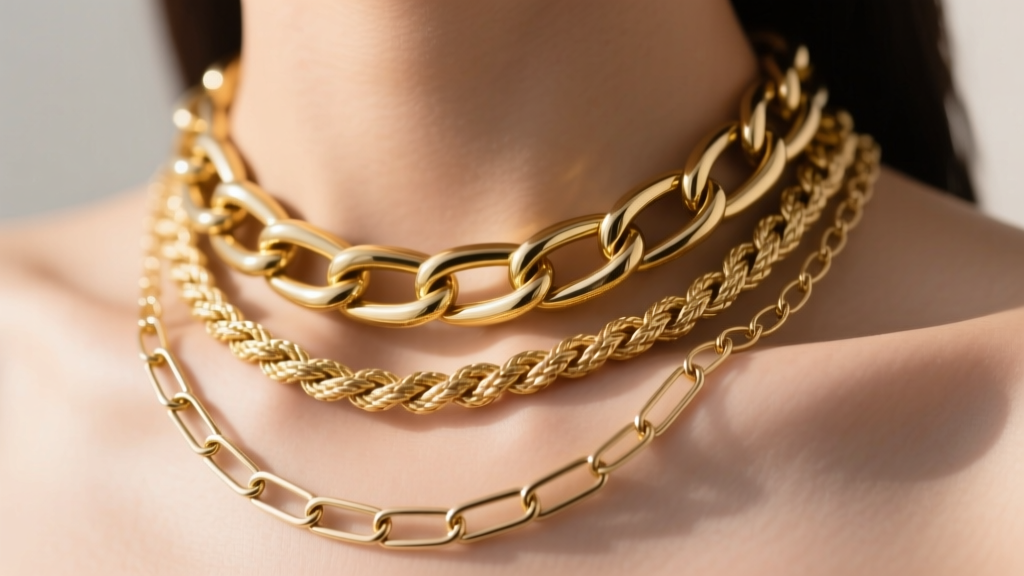
The Anatomy of a Perfect Chunky Layered Necklace
Building a cohesive, visually striking stack starts with understanding the physical dimensions of your jewelry. When we talk about a chunky layered necklace, we are generally referring to chains that range from 5mm to 12mm in width. Anything under 5mm reads as delicate or medium-weight, while anything over 12mm crosses into statement territory and becomes difficult to layer without overwhelming the collarbone.
Weight is just as critical as width. A solid 10mm 18-inch gold Cuban link chain can weigh anywhere from 60 to 85 grams. When you layer three of these, you are placing over 200 grams of metal on your neck. For beginners, starting with 316L surgical stainless steel or hollow-core electroformed gold is a smart way to test the aesthetic without the physical fatigue or the steep financial investment of solid gold. However, be warned: hollow chains dent easily under the friction of layering, so solid or semi-solid cores are always preferred for the bottom layers that endure the most movement.
The Golden Rule of Lengths and Spacing
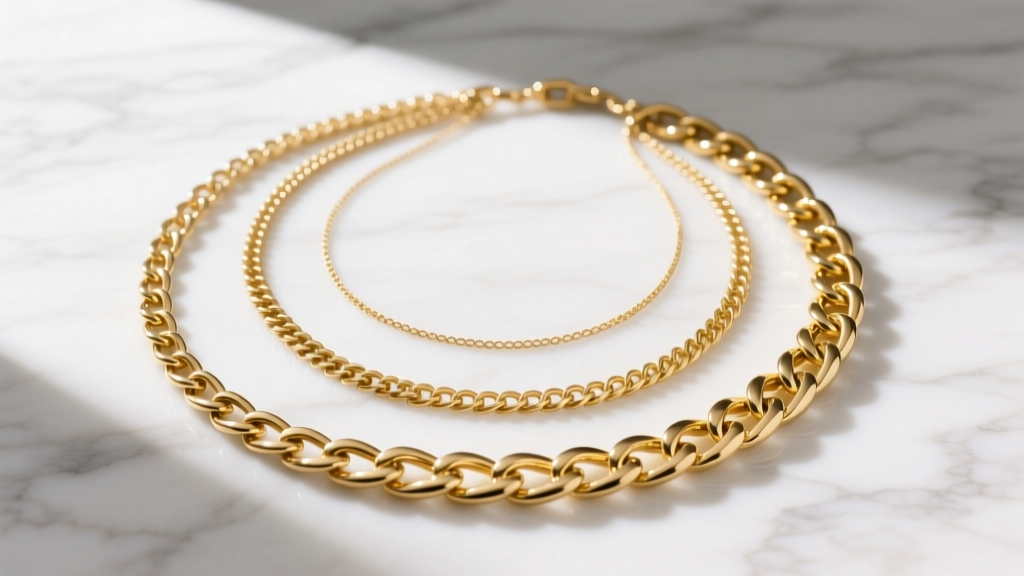
The most common mistake beginners make is choosing chains with lengths that are too similar. If you layer a 16-inch chain with a 17-inch chain, the links will constantly rub against one another, causing severe tangling and accelerated metal wear. To achieve a cascading effect, you must maintain a minimum gap of 2 to 3 inches between each layer.
Here is a proven framework for a balanced, three-piece stack:
| Layer Position | Ideal Length | Recommended Width | Chain Style Example |
|---|---|---|---|
| Top (Base) | 15" - 16" | 5mm - 7mm | Curb, Paperclip, or Bead |
| Middle | 18" - 20" | 8mm - 10mm | Rope, Figaro, or Box |
| Bottom (Anchor) | 22" - 24" | 10mm - 12mm | Cuban Link (with or without pendant) |
This staggered approach ensures each chain occupies its own visual zone, allowing the distinct textures of the metal to catch the light independently.
Preventing the Dreaded Tangle: Chain Profiles
Tangling is the ultimate enemy of the layered look. Chains tangle when their link gaps are similar in size, allowing one chain to slip through the links of another. The solution is not just varying the length, but aggressively mixing the chain profiles.
If your top layer is a smooth, flat Paperclip chain, your middle layer should be a twisted Rope chain, and your bottom layer a flat, interlocking Cuban link. The varying geometries physically prevent the links from catching on one another. Furthermore, utilizing a heavier pendant (around 10 to 15 grams) on the longest chain acts as a plumb bob. This added weight anchors the bottom chain against your chest, keeping it taut and drastically reducing its ability to swing up and intertwine with the middle layer.
Material Grades and Clasp Mechanics
When investing in chunky pieces, material integrity and clasp strength are non-negotiable. According to the Federal Trade Commission Jewelry Guides, gold-filled items must contain at least 1/20th of their total weight in gold to be legally stamped as such. This makes 14k gold-filled an excellent mid-tier option for chunky chains, offering a thick outer layer of gold that won't flake off under the friction of layering, unlike cheap gold-plated brass.
For those prioritizing durability and a lower price point, 316L stainless steel is hypoallergenic, tarnish-resistant, and substantial. The Gemological Institute of America (GIA) notes that while gold remains the standard for fine jewelry, alternative metals like steel and titanium are dominating contemporary fashion stacks due to their tensile strength.
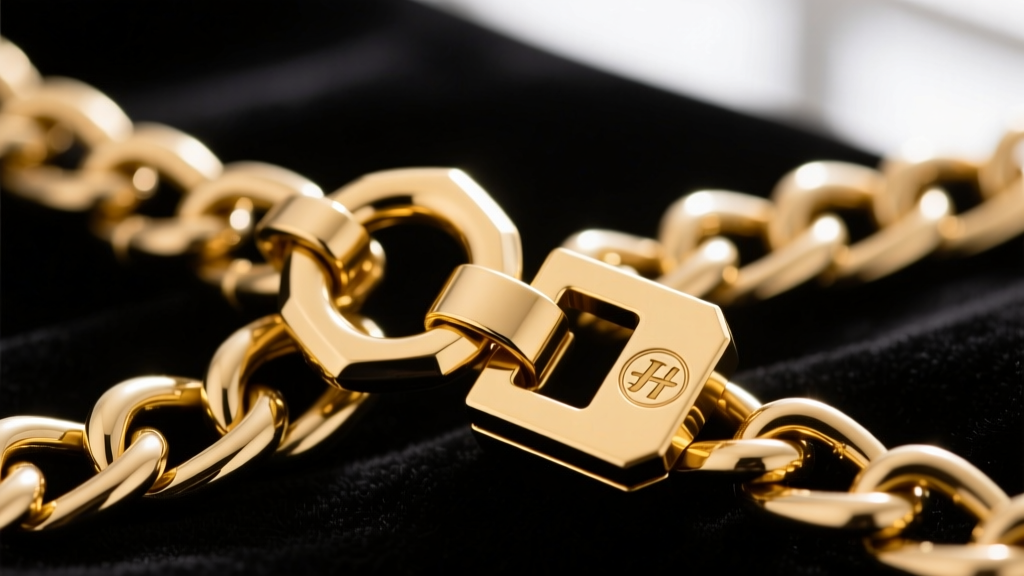
Upgrading Your Clasps
A standard 9mm spring ring clasp will snap under the dynamic tension of a 40-gram chain. For any chain over 8mm in width, you must upgrade your findings. Look for heavy-duty 12mm lobster clasps or, ideally, a box clasp equipped with a figure-8 safety latch. Box clasps provide a seamless visual flow and distribute the weight of the chain evenly across the locking mechanism, preventing the accidental unhooking that plagues heavy stacks.
Expert Insight: Never mix metals of vastly different hardness levels in direct contact. A solid sterling silver chain will act as an abrasive file against a softer 18k gold chain, slowly wearing away the gold links over a few years of daily friction.
Neckline Pairings for Chunky Stacks
A chunky layered necklace requires the right canvas. Because the chains are voluminous, they need negative space to breathe.
- The Crew Neck: A classic white or black cotton crew neck tee provides a high-contrast, casual backdrop. Let the 16-inch chain sit just below the collar of the shirt, with the 22-inch chain resting on the fabric.
- The Deep V-Neck: This mimics the cascading geometry of the stack. Ensure the bottom chain is long enough (at least 22 inches) so it doesn't get lost in the plunge of the fabric.
- Off-the-Shoulder / Scoop: Bare skin allows the metal to reflect light unimpeded. This is where mixed-metal stacks (layering silver and gold together) truly shine, as the skin tone bridges the gap between the two metal colors.
Step-by-Step Assembly for Beginners
Putting on a heavy stack can be a frustrating workout if done incorrectly. Follow this sequence to save your nails and your patience:
- Start with the shortest chain: Fasten the 15 or 16-inch chain first. Because it sits high on the neck, it is the hardest to reach once bulkier chains are in the way.
- Work your way down: Fasten the 18-inch middle chain, ensuring it sits smoothly below the first.
- Secure the anchor: Fasten the heaviest, longest chain last.
- The Tuck and Adjust: Lean forward slightly and let gravity pull the chains into their natural cascading position. Use a mirror to untwist any links near the nape of your neck before you leave the house.
Maintenance and Storage Protocols
Never throw a layered stack into a jewelry box in a tangled heap. The weight of chunky chains will cause them to knot tightly, requiring needle-nose pliers to untangle. Always unclasp the chains and hang them vertically on a multi-tiered jewelry stand. If you must travel with them, lay them flat in a roll-up jewelry organizer, ensuring each chain is secured in its own individual velvet flap to prevent transit friction. With the right lengths, mixed textures, and heavy-duty clasps, your chunky layered necklace stack will remain a staple of your wardrobe for years to come.


