What Is a Pendant Necklace? The Ultimate Buying Guide
Discover what is a pendant necklace and how to choose the perfect one. Our buying guide covers chain types, bail styles, and metal grades.

Defining the Basics: What Is a Pendant Necklace?
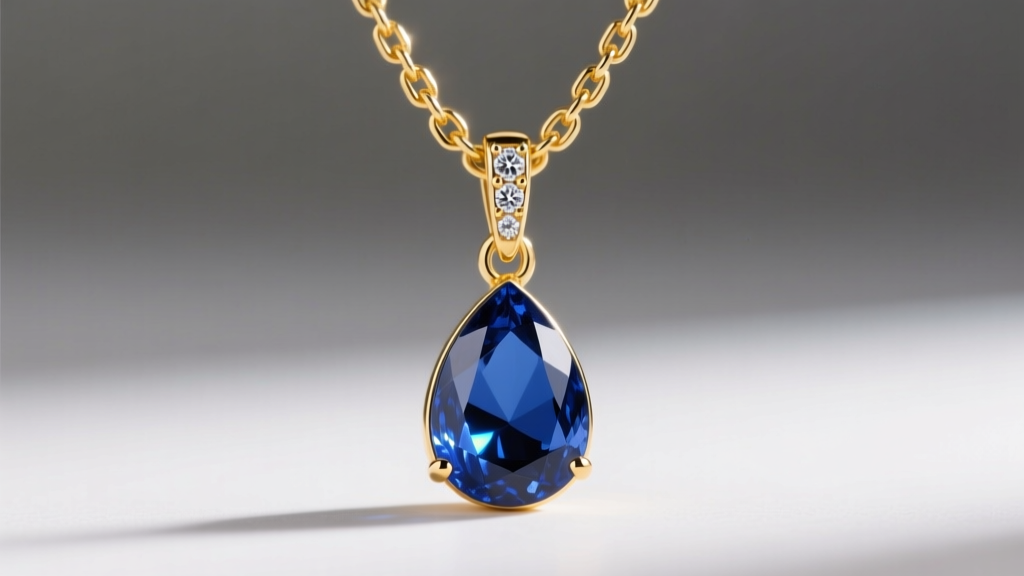
When shoppers first explore fine jewelry, a common question arises: what is a pendant necklace, and how does it differ from a standard chain? In its purest definition, a pendant necklace is a two-part jewelry system consisting of a suspended ornamental piece (the pendant) and the cord, chain, or ribbon that holds it around the neck. Unlike a solitaire chain or a continuous link bracelet, a pendant necklace relies on a central focal point that hangs below the collarbone.
However, from an engineering and buying perspective, a pendant necklace is a study in weight distribution and tensile strength. The pendant itself is merely the decorative element, often featuring gemstones, enamel, or intricate metalwork. The true structural integrity of the piece lies in the chain, the clasp, and, most importantly, the bail—the small hardware component that connects the pendant to the chain. Understanding how these elements interact is the key to making a purchase that lasts a lifetime.
The Crucial Connection: Understanding Bail Types
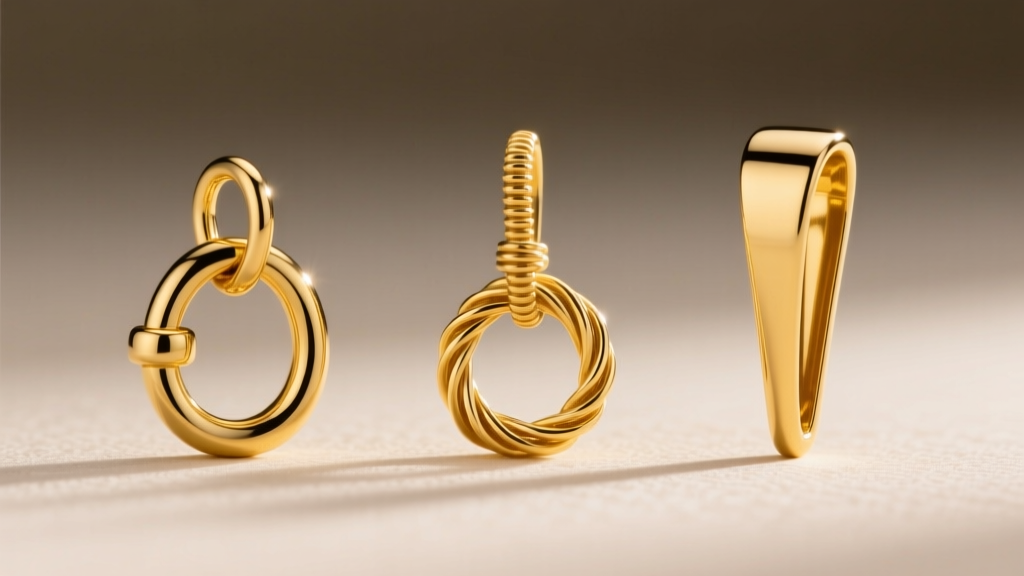
The bail is the unsung hero of the pendant necklace. It dictates how the pendant sits on the chest, how it moves, and which chains it can accommodate. Choosing the wrong bail type for your pendant's weight or your chain's thickness is a primary cause of jewelry failure.
| Bail Type | Best For | Pros & Cons | Max Chain Width |
|---|---|---|---|
| Standard Soldered | Light to medium pendants (under 8g) | Classic look, secure. Can restrict thick chains. | 2.5mm - 4.0mm |
| Hidden / Tube | Gemstone drops and sleek modern designs | Creates a floating illusion. Requires precise chain sizing. | 1.5mm - 3.0mm |
| Wrap / Pinch | Loose cabochons or teardrop stones | Customizable fit. Prongs can loosen over time if snagged. | N/A (Chain threads through loop) |
| Tapered / Cone | Heavy, large statement pendants | Distributes weight evenly. Bulky on delicate chains. | 4.0mm - 7.0mm |
When buying a pendant, always measure the inner diameter of the bail. If you plan to wear it on a 3mm rope chain, a standard bail with a 2mm opening will simply not fit, forcing you to either change the chain or have a jeweler replace the bail.
Chain Selection: Matching the Link to the Load
A frequent mistake buyers make is pairing a heavy, solid-gold pendant with a delicate, hollow chain. The chain must support the pendant's static weight, as well as the dynamic stress caused by movement, pulling, and accidental snags.
Chain Durability by Link Style
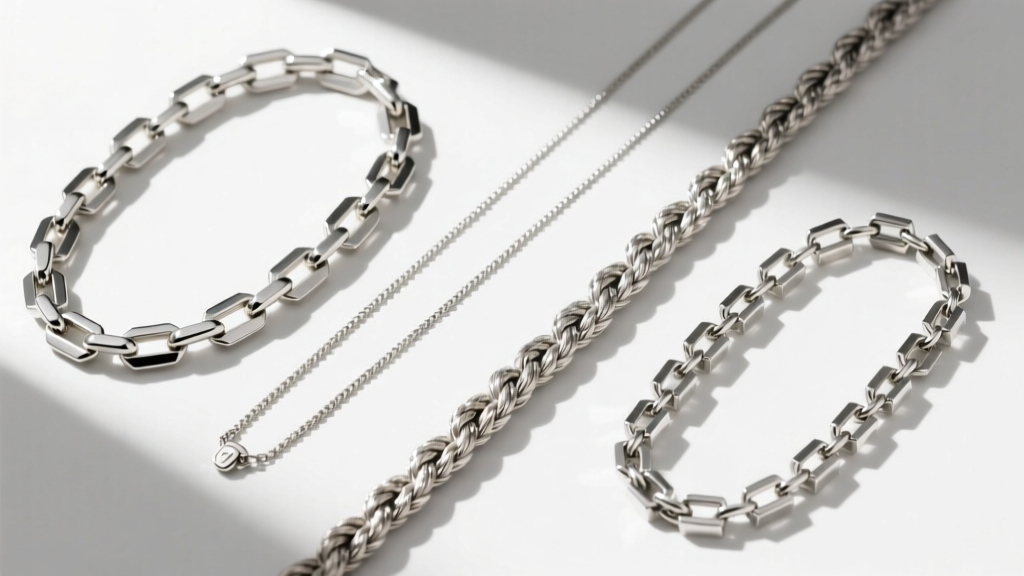
- Wheat (Spiga) Chains: Composed of woven, oval links pointing in the same direction. These are exceptionally strong and ideal for heavy pendants (10g to 25g). Their woven structure prevents kinking and distributes tension evenly across multiple links.
- Box Chains: Made of square, interlocking links. They offer a modern, geometric look and good tensile strength, but if a link bends, it is difficult to repair without replacing a section of the chain.
- Cable Chains: The classic, uniform oval link. While beautiful for lightweight charms (under 5g), thin cable chains (under 1.2mm) are highly susceptible to snapping if the pendant catches on clothing.
- Rope Chains: Twisted links that mimic the look of a rope. They are highly durable and reflect light beautifully, but their textured surface can catch on fine hair or knit fabrics.
As a general rule of thumb, the chain's width should be at least one-third the width of the pendant's bail to ensure smooth movement without excessive friction.
Metal Grades and Material Durability
The metal you choose for both the pendant and the chain dictates the piece's longevity, color retention, and price. According to the Gemological Institute of America (GIA), understanding alloy compositions is vital for daily-wear jewelry.
Gold: 14k vs. 18k
While 18k gold (75% pure gold) offers a richer, deeper yellow hue, it is softer. On the Vickers hardness scale (HV), 18k yellow gold typically sits around 120-140 HV. In contrast, 14k gold (58.5% pure gold) is alloyed with more copper, silver, or zinc, pushing its hardness to 140-160 HV. For a heavy pendant necklace worn daily, 14k gold is vastly superior for the chain and bail, as it resists stretching and deformation far better than 18k.
Sterling Silver and Platinum
Sterling silver (92.5% silver, 7.5% copper) is an excellent entry-level precious metal, though it requires regular polishing to prevent tarnishing. For heirloom-quality pendant necklaces featuring high-carat diamonds or rare sapphires, platinum is the ultimate choice. As noted in GIA's platinum quality factors, platinum's density and durability make it highly resistant to wear, and its naturally white color will never fade or require rhodium plating like white gold.
Proportion and Scale: Sizing Your Pendant
A pendant necklace should complement your anatomy and wardrobe, not overwhelm it. When evaluating size, consider the 'Rule of Thirds' for visual balance. The pendant itself should occupy roughly one-third of the visual weight of the exposed chain area.
For standard 16-inch to 18-inch chains resting on the collarbone, a pendant measuring between 15mm and 25mm in height provides an elegant, balanced look. If you are opting for a 24-inch to 30-inch chain that rests on the sternum (often worn over clothing), you must scale up the pendant to at least 35mm to 50mm; otherwise, the piece will look lost against the fabric.
Common Buying Mistakes to Avoid
The most expensive pendant in the world is useless if it's hung on a chain with a weak spring-ring clasp. Always upgrade to a lobster clasp for any pendant weighing over 5 grams.
— Master Bench Jeweler
To ensure your investment is sound, avoid these critical purchasing errors:
- Ignoring the Clasp Rating: Spring-ring clasps are fine for lightweight chains, but they lack the internal spring tension to hold heavy pendants securely. Always insist on a solid lobster clasp or a secure box clasp with a safety figure-eight catch.
- Mismatched Metal Hardness: Never hang a heavy platinum pendant on a soft, high-karat gold chain. The harder platinum bail will act like a saw, slowly cutting through the softer gold chain over time due to friction.
- Overlooking the Jump Ring: The jump ring is the tiny circle of wire connecting the bail to the chain. If it is not soldered shut, the pendant can easily slip off the chain if the ring is pulled apart. Always check that the jump ring is fully closed and, ideally, laser-welded or soldered.
By understanding the mechanical and aesthetic nuances of what is a pendant necklace, you transition from a casual shopper to an informed collector. Evaluate the bail, respect the chain's weight limits, and choose metals suited to your lifestyle, and your pendant necklace will remain a staple in your wardrobe for decades.


