Best Emergency Necklace for Seniors: 2026 Value Guide
Discover the true cost of an emergency necklace for seniors. We compare 2026 subscription fees, hardware durability, and hidden value traps.


The True Cost of Senior Safety: Upfront vs. Long-Term Value
When evaluating an emergency necklace for seniors, the initial hardware price is merely the tip of the financial iceberg. In 2026, the medical alert jewelry market has bifurcated into two distinct categories: unmonitored proximity alarms and fully monitored cellular pendants. Understanding the total cost of ownership (TCO) over a 24-month period is critical for caregivers and seniors operating on fixed incomes. A budget-friendly upfront cost often masks exorbitant monthly monitoring fees, proprietary hardware locks, and expensive battery replacement cycles.
According to the National Institute on Aging, falls remain the leading cause of fatal and non-fatal injuries for older Americans, making a reliable pendant a non-negotiable investment. However, overpaying for unused features—such as advanced GPS geofencing for a senior who rarely leaves their single-story home—destroys the value proposition. This guide dissects the hardware, materials, and subscription models to help you find the highest-value emergency necklace for your specific needs.
Material & Hardware Assessment: What You Actually Get
The physical construction of the necklace dictates both its lifespan and its comfort. Seniors often have thinning, fragile skin or contact dermatitis, making the choice of chain and pendant casing a medical decision as much as a stylistic one.
Chain Materials: 316L vs. 304 Stainless Steel
Most budget-tier emergency necklaces utilize 304 stainless steel or base metals coated in a thin layer of silver. These are prone to tarnishing and can cause nickel-leakage reactions when exposed to sweat and shower water. For genuine value, insist on 316L surgical stainless steel. The addition of molybdenum in 316L steel provides superior corrosion resistance, ensuring the chain survives years of daily shower wear without degrading or irritating the skin.
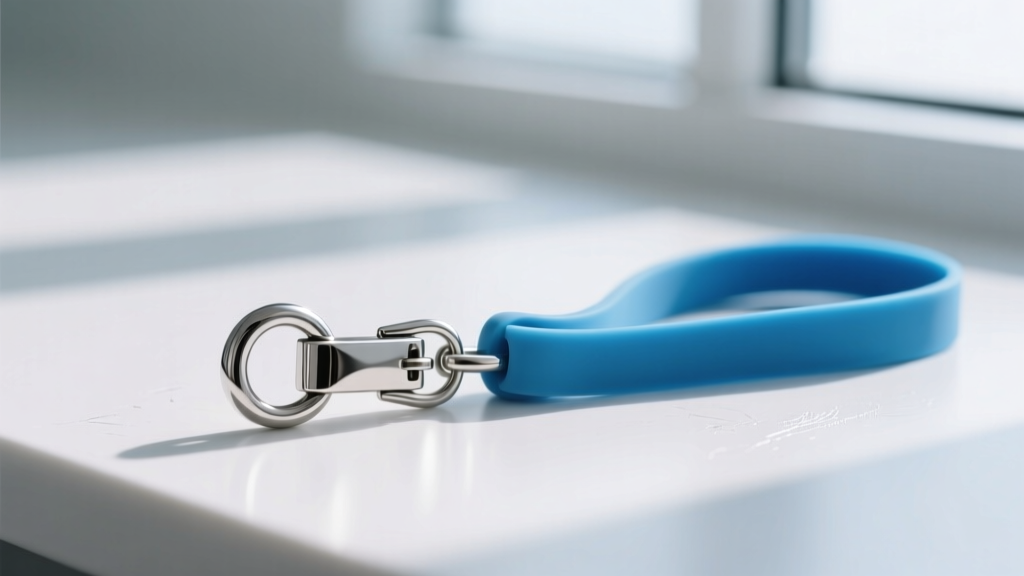
Alternatively, medical-grade TPU (Thermoplastic Polyurethane) lanyards are highly recommended for seniors with severe metal allergies. Unlike standard silicone, which degrades and becomes sticky when exposed to skin oils and lotions, TPU maintains its structural integrity and remains hypoallergenic over a 3-to-5-year lifespan.
Waterproofing: IP67 vs. IP68 Ratings
A common failure point in budget emergency necklaces is water damage. Many manufacturers advertise "water-resistant" pendants with an IPX7 rating, which only protects against temporary submersion (up to 1 meter for 30 minutes). Because seniors frequently forget to remove their pendants in the shower, an IP68 rating is mandatory for long-term value. IP68 guarantees continuous submersion protection and ensures the internal MEMS (Micro-Electromechanical Systems) accelerometers remain safe from steam and soap residue.
2026 Market Comparison: Subscription vs. Unmonitored Pendants
To assess true value, we must map the hardware capabilities against the ongoing financial commitment. The table below outlines the three primary value tiers available in the current market.
| Value Tier | Hardware Cost | Monthly Fee | Network & Tech | Ideal User Profile |
|---|---|---|---|---|
| Unmonitored (Basic) | $30 - $75 | $0 | 433 MHz RF (300ft range) | Seniors living with family; low fall risk. |
| Monitored Cellular (Mid) | $0 - $50 | $22 - $30 | LTE-M Cellular + GPS | Independent seniors; moderate risk; home-bound. |
| Premium Fall Detection | $50 - $100 | $35 - $45 | LTE-M + Barometric Sensors | Active seniors; high fall risk; wanderers. |
As highlighted by caregiving resource AARP, the mid-tier monitored cellular options generally offer the best balance of safety and budget for independent seniors. The LTE-M (Long Term Evolution for Machines) networks used in 2026 provide excellent building penetration and low power consumption, extending battery life while maintaining a reliable connection to dispatch centers.
Hidden Fees and Hardware Traps to Avoid
When budgeting for an emergency necklace, scrutinize the terms of service for the following value-destroying traps:
- Proprietary Magnetic Chargers: Many premium pendants use custom magnetic pucks. If lost, replacements can cost upwards of $35. Look for pendants that utilize standardized USB-C magnetic breakaway cables.
- Fall Detection Add-Ons: Some companies advertise low base rates ($19.95/mo) but treat automated fall detection as a premium add-on ($10-$15/mo extra). Always calculate the bundled price.
- Activation and Cancellation Fees: Avoid providers that charge $50+ to activate the service or demand a 3-month penalty fee for early cancellation. The best value providers in 2026 operate on month-to-month contracts with zero activation fees.
- Non-Replaceable Batteries: Unmonitored pendants that use sealed Lithium-Polymer batteries become e-waste once the battery degrades after 3 years. Opt for unmonitored models that use standard, user-replaceable CR2032 coin cells.
Assessing Fall Detection Accuracy: The MEMS Advantage
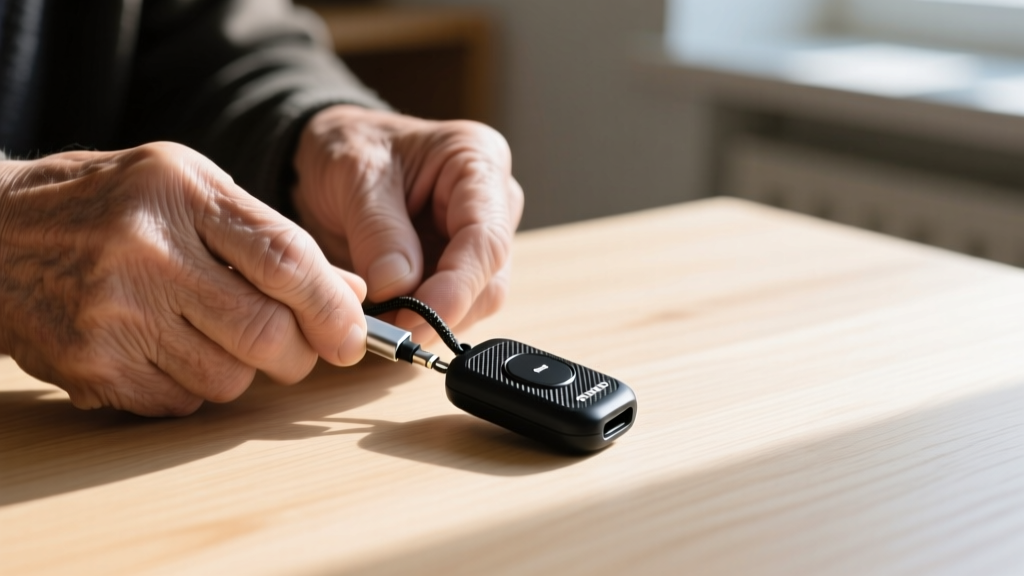
Automated fall detection is the most expensive feature on any emergency necklace, but its value is entirely dependent on sensor accuracy. Early generations relied solely on basic accelerometers, resulting in high false-positive rates (e.g., triggering an ambulance dispatch when the user simply dropped the pendant on a tile floor).
In 2026, high-value pendants utilize a sensor-fusion approach. They combine MEMS accelerometers with barometric pressure sensors. The barometer detects the rapid change in altitude (a drop from standing height to the floor), while the accelerometer measures the impact G-force and subsequent stillness. This dual-verification drastically reduces false alarms, saving seniors from unnecessary stress and caregivers from paying for wasted emergency dispatches.
How to Choose the Right Value Tier for Your Needs
To maximize your budget, apply this simple decision framework before purchasing:
- Assess Mobility: If the senior rarely leaves the house and lives with a caregiver, a $45 unmonitored RF pendant (which alerts the caregiver's smartwatch or home base station) provides immense value with zero monthly fees.
- Evaluate Fall Risk: If the senior has a history of vertigo, neuropathy, or previous falls, the $15/month premium for barometric fall detection is a justifiable expense that pays for itself with a single prevented emergency.
- Check Skin Sensitivities: If the user requires daily medicated lotions, bypass metal chains entirely and select a TPU lanyard with an IP68-rated casing to prevent material degradation.
Final Verdict on Budgeting for Peace of Mind
The most expensive emergency necklace is not necessarily the best, and the cheapest can become a costly liability if it fails during a critical moment. By prioritizing 316L stainless steel or TPU materials, demanding IP68 waterproofing, and carefully calculating the 24-month TCO of cellular subscriptions, you can secure a life-saving device that respects your financial boundaries. True value in senior safety jewelry lies in the intersection of durable hardware, transparent pricing, and reliable sensor technology.


