Jane Seymour Necklace Open Heart: Budget & Value Guide
Is the Jane Seymour necklace open heart collection worth the price? We analyze materials, durability, and 2026 market value to help you budget wisely.

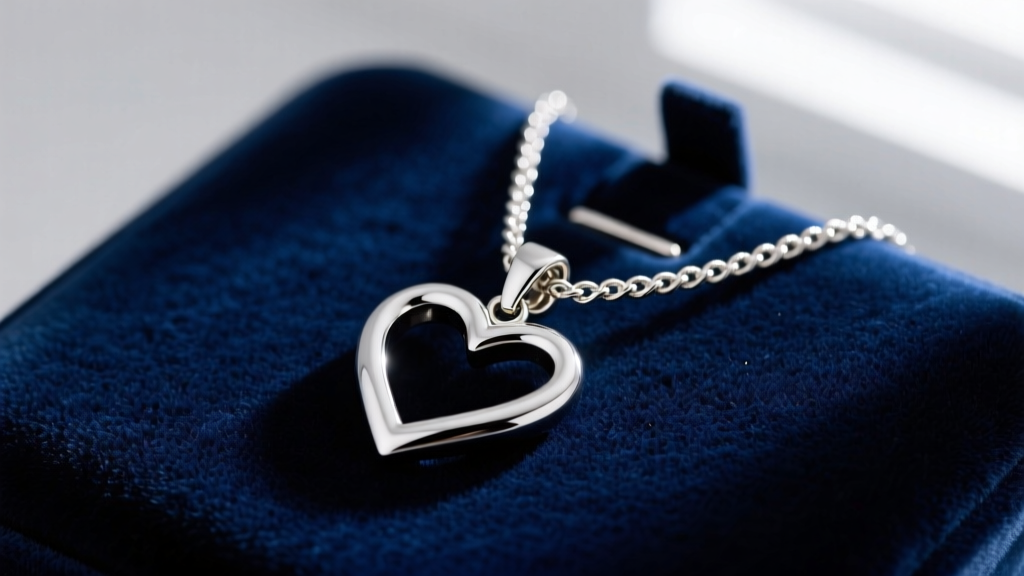
When assessing the value of a Jane Seymour necklace open heart piece, consumers must separate the emotional resonance of the brand's famous motto from the intrinsic metallurgical and gemological reality. The 'Open Hearts' collection, inspired by the actress and artist Jane Seymour, has been a staple in mid-tier department stores and television shopping networks for years. The brand's core message—'keep your heart open and love will find you'—carries undeniable sentimental weight, making these pendants incredibly popular for anniversaries, Mother's Day, and milestone birthdays.
However, from a strict budget and value assessment perspective, buyers in 2026 must look closely at what they are actually purchasing. Is the premium paid for the celebrity licensing and retail marketing overhead justified by the material quality? In this comprehensive guide, we break down the exact metal grades, gemstone simulants, chain gauges, and common failure modes associated with the Jane Seymour Open Hearts collection to help you determine if it aligns with your jewelry budget and long-term expectations.
The Sentimental Premium: Understanding the Brand Markup
The Jane Seymour jewelry line is primarily distributed through major accessible luxury and mid-market channels, most notably JCPenney Fine Jewelry and the QVC Jane Seymour Brand Page. Because these pieces are mass-produced for high-volume retail, they benefit from economies of scale, but they also carry a 'sentimental premium.'
When you purchase an Open Hearts pendant, roughly 30% to 50% of the retail price accounts for the brand licensing, packaging, and marketing overhead. This means that a pendant retailing for $150 might only contain $40 to $60 worth of raw materials and manufacturing labor. For buyers seeking pure intrinsic value, this markup is significant. However, for those purchasing the piece specifically for the recognized brand name and the attached emotional narrative, this premium is often considered an acceptable cost of entry.
Material Breakdown: What Are You Actually Paying For?
To accurately assess the budget viability of these necklaces, we must examine the specific materials utilized across the different tiers of the Open Hearts collection.
Silver Alloys and Plating Realities
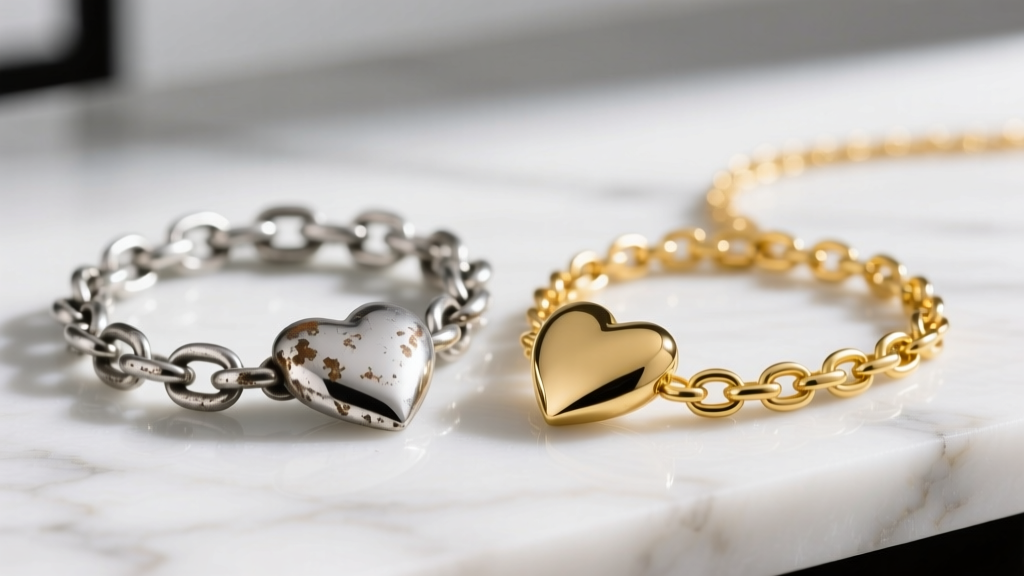
The entry-level Open Hearts pendants are crafted from standard 925 sterling silver (92.5% pure silver, 7.5% copper alloy). To prevent immediate tarnishing and provide a bright, white-metal finish, these pieces are typically flash-plated with a very thin layer of rhodium (usually between 0.1 and 0.3 microns). While this makes the necklace look identical to white gold or platinum on day one, this microscopic plating will inevitably wear away with daily friction, exposing the underlying copper-rich sterling silver to oxygen and moisture, which leads to tarnishing.
Gold Karat Weights: 10K vs. 14K
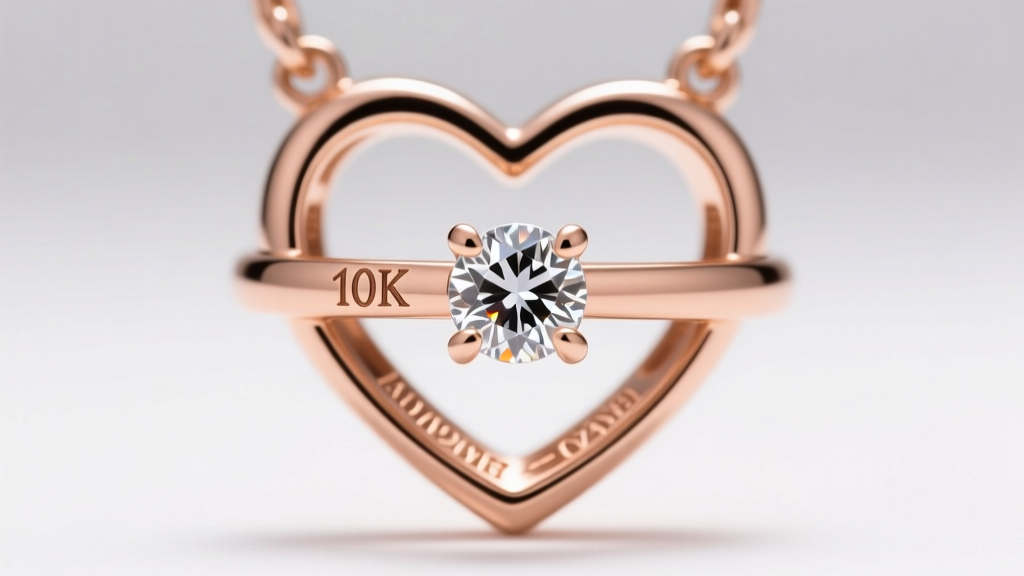
The gold iterations of the Open Hearts necklace frequently utilize 10-karat gold. At 41.7% pure gold, 10K is the lowest karat weight that can legally be sold as 'gold' in the United States. It is highly durable and resistant to scratching due to the higher percentage of alloy metals like copper and zinc, but it lacks the rich, warm hue and the long-term investment value of 14K (58.3% gold) or 18K (75% gold). Some premium tiers do offer 14K gold, but the price jumps exponentially, often pushing the piece out of the 'budget-friendly' category.
Gemstone Realities: CZ vs. Lab-Grown
The vast majority of the accent stones featured in the interlocking heart motifs are Cubic Zirconia (CZ) or created white sapphires. According to the GIA (Gemological Institute of America), CZ is a durable simulant (Mohs hardness 8-8.5) but it is not a diamond. Over time, CZ has a high affinity for oils and lotions, which causes it to accumulate a cloudy film that dulls its brilliance. Only the highest-tier, most expensive pieces in the collection feature actual lab-grown or natural diamonds.
2026 Price Tiers and Value Assessment
Below is a structured breakdown of the current market pricing for the Jane Seymour Open Hearts collection, contrasting the retail cost with the intrinsic material value and overall durability.
| Material Tier | Typical Retail Price | Intrinsic Scrap Value | Durability (1-10) | Best Use Case |
|---|---|---|---|---|
| 925 Sterling Silver (Rhodium Flash) | $60 - $120 | $5 - $15 | 5 | Occasional wear, tight budgets |
| 10K Solid Gold (Yellow/Rose/White) | $150 - $350 | $40 - $90 | 8 | Daily wear, moderate budgets |
| 14K Gold with Lab-Grown Diamonds | $400 - $850 | $120 - $250 | 10 | Milestone gifts, heirloom wear |
As the data illustrates, the silver tier offers the lowest barrier to entry but represents the poorest financial value retention. The 14K gold tier offers genuine longevity, but at that price point ($400+), buyers are entering a bracket where they could easily commission a custom, solid 14K gold open heart pendant from an independent jeweler without the celebrity brand markup.
Durability and Common Failure Modes
When wearing any mass-produced pendant necklace, specific structural vulnerabilities emerge over time. Based on long-term wear analysis, here are the most common failure modes associated with this specific collection:
- Chain Kinking and Breakage: The silver and 10K gold models typically ship with a 1.2mm to 1.5mm standard cable chain. While delicate and visually appealing, chains under 1.8mm are highly susceptible to kinking if tangled or slept in. Once a cable chain kinks, the structural integrity of the links is compromised, leading to sudden snapping.
- Clasp Tension Loss: The silver models frequently utilize small spring-ring clasps to keep costs down. The internal tension springs in these clasps are prone to fatigue, causing the clasp to fail to close securely. Upgrading the chain to one with a lobster claw clasp is highly recommended for security.
- Prong Snagging: The interlocking heart design features multiple soldered joints and, in some models, micro-prong settings for the CZ stones. These micro-prongs can easily catch on knit sweaters or lace, bending the prong and dislodging the stone.
Resale Value and Long-Term Investment
It is vital to approach the Jane Seymour necklace open heart collection as a consumer purchase, not a financial investment. The secondary market (resale) value for these pieces is exceptionally low. Pawn shops and precious metal refiners will only pay the 'melt value' of the metal, completely ignoring the brand name, the design, and the gemstones.
For example, a 10K gold Open Hearts pendant weighing 4 grams might have a retail price of $250. However, the actual gold content is only 1.68 grams. At current gold spot prices, the scrap value of that pendant is roughly $110. The 925 silver pieces have virtually zero resale value, often fetching less than $5 at a pawn shop. If long-term financial retention is a priority, you must pivot away from mass-market licensed jewelry and focus on heavy, solid 14K or 18K gold pieces from established fine jewelers.
Budget Alternatives for the Open Heart Motif
If you love the interlocking open heart aesthetic but want to maximize your material value per dollar, consider these strategic alternatives:
- Independent Etsy Jewelers: Many independent metalsmiths offer solid 14K recycled gold interlocking heart pendants for $200 to $300. You receive a higher gold purity (58.3% vs 41.7%) and a heavier chain gauge (often 2.0mm box chains) for the same price as the 10K branded version.
- Direct-to-Consumer Fine Jewelry Brands: Brands like Mejuri or Catbird offer minimalist open heart motifs crafted in solid 14K gold with genuine VS-clarity diamond accents, bypassing the traditional retail and licensing markups entirely.
- Custom CAD Design: For around $350, a local bench jeweler can 3D-print and cast a custom open heart pendant in solid 14K gold, allowing you to choose the exact dimensions, metal color, and chain length, resulting in a truly one-of-a-kind heirloom.
The Final Verdict: The Jane Seymour Open Hearts necklace is a beautiful, sentiment-driven gift that excels in emotional delivery. However, strict budget analysts should recognize that you are paying a premium for the brand's motto and retail presence. For occasional wear and gifting on a budget, the silver tier is adequate. For daily wear and long-term value, bypass the licensed brand and invest in unbranded, solid 14K gold alternatives.


