How to Choose and Gift a Pendant Necklace for Any Occasion
Discover how to choose and gift a pendant necklace for any occasion. Learn metal grades, chain lengths, and occasion-specific styling tips for 2026.

The Anatomy of a Perfect Gift: Beyond the Jewelry Box
Gifting jewelry is an exercise in emotional translation. When you select a pendant necklace, you are choosing a piece that rests directly over the heart, making it one of the most intimate and visible accessories in a wardrobe. However, the difference between a thoughtful, lifelong heirloom and a disappointing trinket lies in the metallurgical and structural details. In 2026, consumers are moving away from fast-fashion jewelry, prioritizing durability, ethical sourcing, and modularity. According to the Jewelers of America, buyers are increasingly scrutinizing metal alloys and clasp mechanics to ensure their gifts withstand daily wear.
This guide strips away the marketing fluff to provide a precise, technical framework for matching pendant styles, metal grades, and chain mechanics to specific life occasions.
Matching the Pendant to the Occasion
The context of the gift dictates the appropriate weight, gemstone size, and metal purity. A piece meant for daily, active wear requires different structural integrity than a statement piece reserved for evening events. Below is a decision matrix for 2026's most common gifting milestones.
| Occasion | Pendant Style | Metal Recommendation | Chain Specs | Price Range |
|---|---|---|---|---|
| 18th/21st Birthday | Birthstone or Initial | 14k Gold or Solid Sterling | 16-18 inches, 1.0mm Cable | $150 - $450 |
| 10th Anniversary | Diamond Solitaire (0.50ct+) | 18k Gold or Platinum | 18 inches, 1.5mm Rope | $1,500 - $5,000+ |
| Graduation | Compass, Knot, or Crest | 14k White Gold | 16 inches, 1.2mm Box | $300 - $800 |
| Push Present | Interlocking Rings / Initial | Platinum (95% pure) | 18-20 inches, 2.0mm Rope | $2,000 - $8,000+ |
Milestone Birthdays and Anniversaries
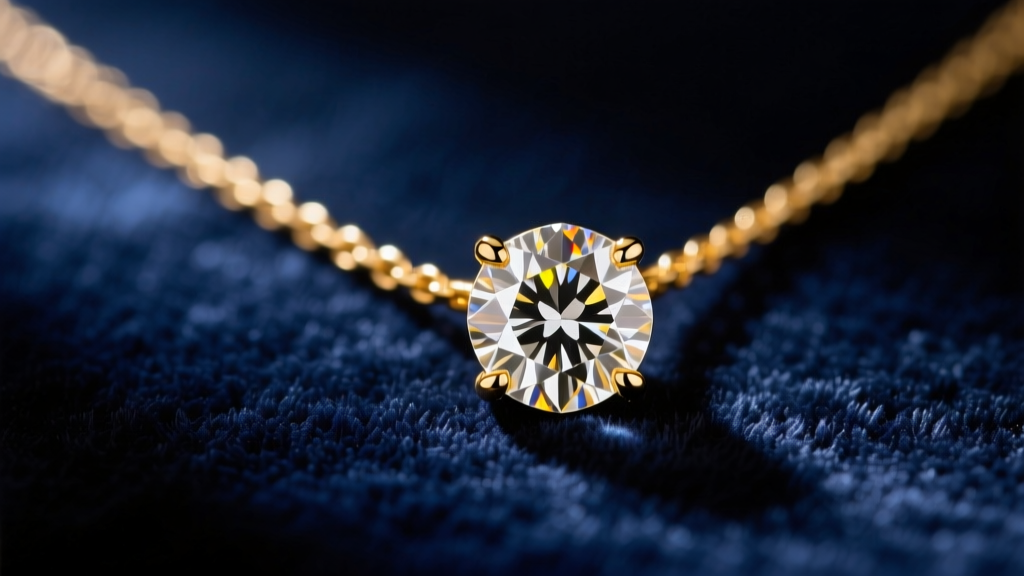
For major milestones, the focus should be on heirloom-quality materials. A diamond solitaire pendant is a classic, but the setting is critical. Avoid bezel settings if the recipient prefers maximum light return; instead, opt for a 4-prong martini setting. For diamonds over 0.30 carats, always demand an IGI or GIA grading report to verify the stone's cut, color, and clarity.
Graduations and Career Milestones
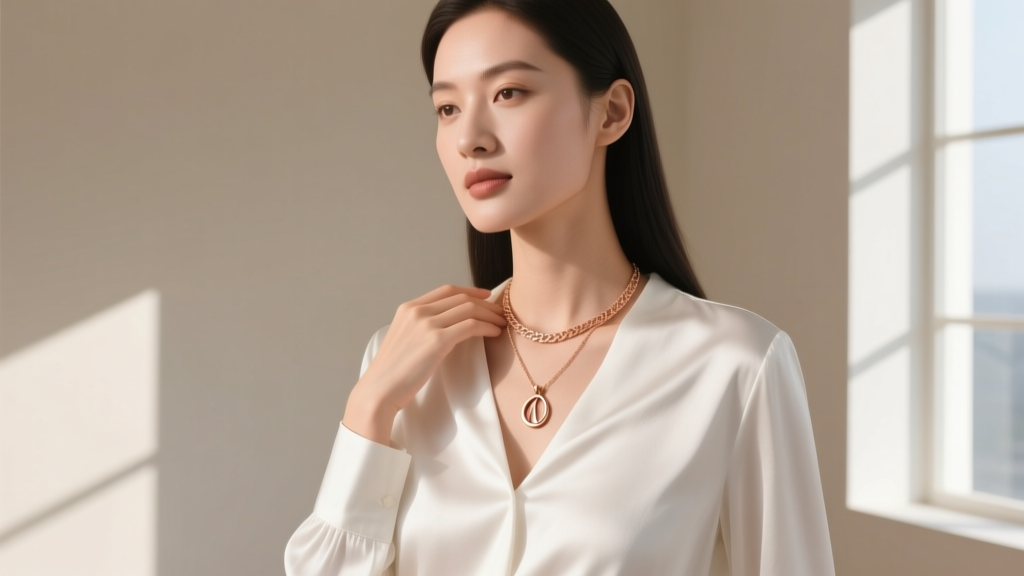
Professional milestones call for pendants that lay flat against the collarbone and do not catch on clothing. A sleek, polished gold knot or a geometric bar pendant in 14k white gold offers a sophisticated, boardroom-appropriate aesthetic. Keep the chain length at 16 inches (choker/princess length) so it sits neatly above standard blouse necklines.
Metal Grades and Material Durability: What to Actually Buy
The longevity of a pendant necklace is entirely dependent on its alloy composition. Pure 24k gold is far too soft for jewelry; it will bend, scratch, and eventually drop the gemstone. Understanding the Gemological Institute of America (GIA) standards for gold alloys is essential for making an informed purchase.
14k vs. 18k Gold for Pendants
14k gold contains 58.5% pure gold, alloyed with copper, zinc, and silver. This composition provides superior tensile strength, making it the absolute best choice for prong settings that must securely grip a gemstone for decades. 18k gold (75% pure) offers a richer, warmer yellow hue and is highly hypoallergenic, but it is softer. If you choose 18k gold, ensure the pendant is a solid cast piece or a bezel-set stone, rather than a delicate prong setting.
Platinum: The Ultimate Heirloom Metal
Platinum jewelry is typically 95% pure, alloyed with ruthenium or iridium for hardness. Unlike gold, which loses microscopic layers of metal when scratched, platinum merely displaces, developing a soft patina over time. It is exceptionally dense, meaning a platinum pendant will feel noticeably heavier and more substantial in the hand—a psychological cue that reinforces the value of the gift.
Chain Lengths, Weaves, and Clasp Mechanics
A common failure point in gifted necklaces is a chain that snaps under the weight of the pendant. The chain's weave and clasp must be engineered to support the pendant's specific gram weight.
Matching Chain Weave to Pendant Weight
- Under 3 grams: A 0.8mm to 1.0mm cable or box chain is sufficient. Box chains offer a brilliant, reflective surface but are prone to kinking if bent sharply.
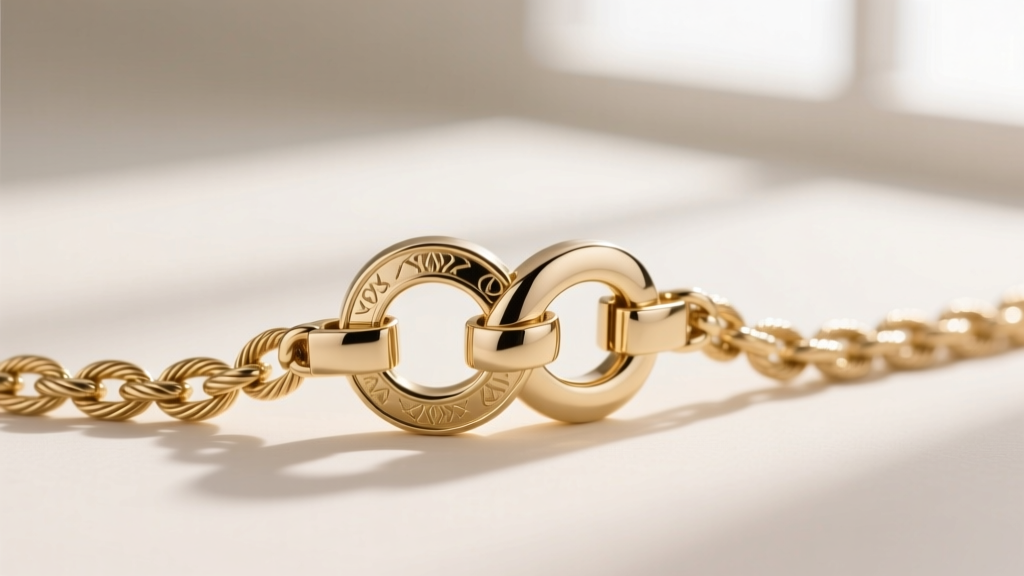
- 3 to 8 grams: Upgrade to a 1.2mm to 1.5mm rope chain. The interlocking twisted links of a rope chain provide exceptional tensile strength and resist kinking.
- Over 8 grams: Require a 2.0mm+ rope or wheat chain. Wheat chains (woven oval links) are incredibly durable and drape beautifully with heavy statement pendants.
Clasp Engineering
Never pair a heavy pendant with a standard spring-ring clasp; the internal spring mechanism will fail. For pendants up to 10 grams, a lobster clasp is mandatory. For anything heavier, or for high-value platinum pieces, insist on a box clasp equipped with a figure-eight safety latch. This secondary wire mechanism ensures that even if the primary box hinge fails, the necklace remains securely around the neck.
The Hidden Hero: Bail Mechanics
The bail is the loop that connects the pendant to the chain, and it is the most frequent point of structural failure. A standard loop bail works perfectly for flexible cable or rope chains. However, if you are gifting a pendant on a semi-rigid snake chain or an omega chain, you must select a piece with a European (or tube) bail, which features a wider, hollowed-out cylinder that allows the rigid chain to slide through without kinking. Always check the interior diameter of the bail against the chain's width before finalizing your purchase.
2026 Gifting Trends: Modularity and Lab-Grown Dominance
The jewelry landscape in 2026 is defined by personalization and ethical transparency. Modular pendant systems—where a single high-quality chain can accept multiple interchangeable gemstone drops via a specialized hinged bail—are highly popular for travelers and minimalists. Furthermore, Type IIa lab-grown diamonds (which possess exceptional chemical purity) now dominate the pendant market under $3,000, allowing gifters to purchase a 1.00-carat, VVS-clarity stone for the price of a 0.25-carat natural equivalent.
Conclusion: The Final Presentation
When gifting a pendant necklace, the presentation should reflect the engineering of the piece. Include a silica gel packet in the box to prevent oxidation during storage, and provide a specialized polishing cloth if the piece is sterling silver or high-polish platinum. By focusing on alloy strength, clasp mechanics, and occasion-specific sizing, you transform a simple jewelry purchase into a structurally sound, emotionally resonant heirloom.


