Troubleshooting a Gold Bear Necklace: Repairs and Care
Learn how to troubleshoot, repair, and clean your gold bear necklace. Expert fixes for broken chains, worn clasps, and tarnished vintage charms.

The Anatomy of a Gold Bear Necklace Failure
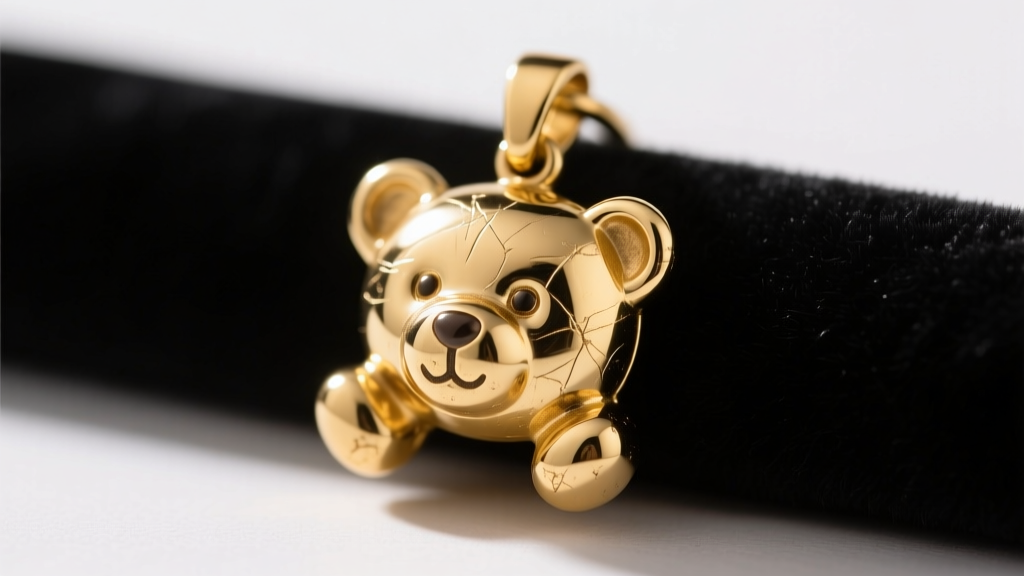
A gold bear necklace is more than just a charming accessory; it is often an heirloom piece, a vintage Steiff collaboration, or a sentimental gift. However, the unique physics of a bear pendant make it highly susceptible to specific mechanical and chemical failures. Unlike flat, lightweight charms, a solid gold bear—whether cast in 10k, 14k, or 18k gold—acts as a pendulum. A typical vintage solid gold bear pendant weighs between 4 and 12 grams. This concentrated weight creates continuous kinetic stress on the bail (the loop connecting the pendant to the chain) and the jump ring, leading to metal fatigue, chain tangling, and eventual breakage.
Furthermore, the intricate detailing of the bear’s face, paws, and fur texture traps skin oils, lotions, and environmental pollutants. Over time, this buildup not only dulls the gold but can degrade secondary materials like enamel eyes or gemstone accents. In this comprehensive troubleshooting guide, we will dissect the most common failure points of a gold bear necklace and provide professional-grade solutions to restore and protect your piece.
Troubleshooting Chain, Bail, and Clasp Issues
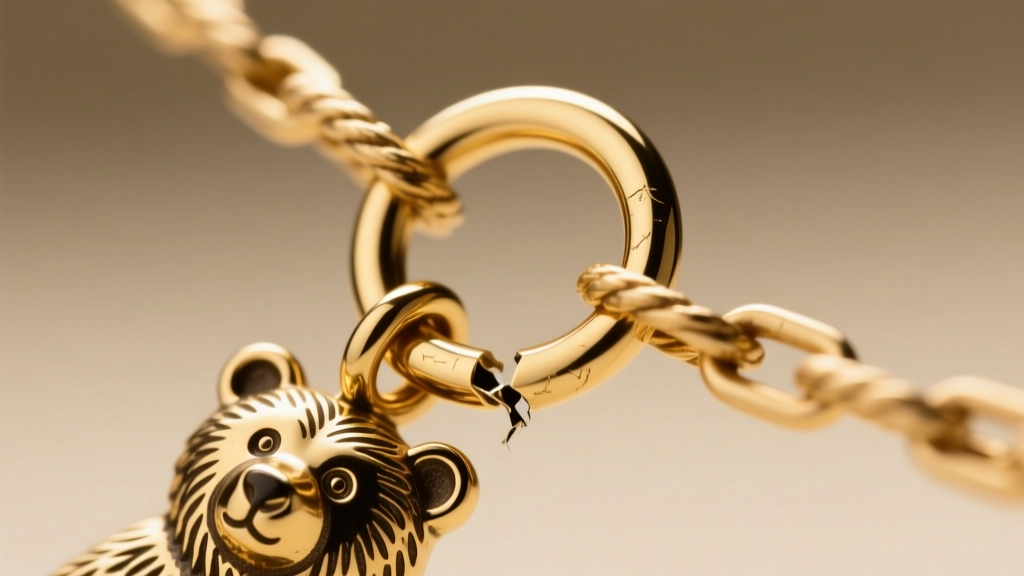
The most frequent complaint from collectors and daily wearers is the snapping of the jump ring or the failure of the clasp. Because the bear pendant swings freely, it generates lateral torque that standard jewelry findings are not designed to withstand.
Upgrading the Jump Ring and Bail
Most commercial necklaces use a 20-gauge or 22-gauge split jump ring. For a gold bear pendant weighing over 5 grams, this is entirely insufficient. The constant friction creates a microscopic groove in the gold chain, which eventually acts like a saw against the softer jump ring. The Fix: Upgrade to an 18-gauge or 16-gauge solid soldered jump ring. If the pendant must be removable, use a heavy-duty 14k gold split ring. When attaching a new ring, avoid traditional torch soldering if the bear features enamel details; the ambient heat can crack vitreous enamel. Instead, seek a jeweler who utilizes Nd:YAG laser welding. Laser welding focuses a precise beam of light to fuse the metal in milliseconds, preventing heat transfer to the delicate facial details of the bear pendant.
Chain Selection and Tensile Strength
Not all chains can support the pendulum effect of a heavy bear charm. Below is a troubleshooting matrix to help you match your chain to your pendant's weight.
| Chain Type | Tensile Strength | Best For Bear Weight | Primary Vulnerability |
|---|---|---|---|
| Cable Chain | Low to Medium | Under 3 grams | Links stretch and snap under pendulum stress. |
| Rope Chain | High | 4 to 10 grams | Prone to severe tangling with heavy, sliding pendants. |
| Box Chain | Very High | 5 to 15+ grams | Can kink if crushed; difficult to repair if links separate. |
| Wheat Chain | High | 4 to 12 grams | Traps dirt easily; requires frequent ultrasonic cleaning. |
Clasp Failures
Standard 4mm spring ring clasps are notorious for failing under the dynamic weight of a gold bear. The internal steel spring can rust if exposed to moisture, and the delicate trigger mechanism frequently bends. Replace your spring ring with a 5mm or 6mm solid gold lobster clasp. Lobster clasps feature a self-closing, heavy-duty spring mechanism that resists lateral torque and prevents the necklace from slipping off when the heavy bear pendant swings forward.
Restoring the Bear Pendant: Tarnish, Enamel, and Gemstones
While pure 24k gold does not tarnish, the alloys used to create durable jewelry (like copper and zinc in 14k and 18k gold) are highly reactive. A gold bear necklace worn daily will develop a dull, sometimes reddish or greenish patina in the recessed areas of the bear's fur and paws.
The Ultrasonic Cleaning Hazard
Many vintage gold bear necklaces, particularly those from the mid-20th century, feature black or red enamel eyes and noses. It is critical to identify whether this is vitreous enamel (fired glass) or cold enamel (epoxy resin). Commercial ultrasonic cleaners operate at frequencies around 40kHz, creating microscopic cavitation bubbles in the cleaning solution. When these bubbles collapse against the pendant, they generate localized shockwaves. This process will instantly shatter vitreous enamel eyes and completely dissolve the adhesive holding cold enamel or gemstone accents in place. Never place an enameled or gem-set gold bear pendant in an ultrasonic cleaner.
Safe Manual Restoration Protocol
To safely restore the luster of your gold bear without damaging delicate features, follow this professional protocol:
- Solution: Mix lukewarm distilled water with three drops of ammonia-free, phosphate-free dish soap (like Dawn Free & Clear).
- Agitation: Submerge the necklace for 5 minutes to loosen sebum and cosmetic buildup.
- Detailing: Use an extra-soft baby toothbrush to gently sweep the bristles along the grain of the bear's engraved fur. Do not scrub in circles, as this can create micro-scratches on high-polish areas like the snout.
- Drying: Rinse with distilled water and pat dry with a lint-free microfiber cloth. Use a can of compressed air to blow moisture out of the bail loop and jump ring crevices to prevent water spots.
Authenticating Solid Gold vs. Gold Plated Bears
The secondary market is flooded with gold-plated bear charms masquerading as solid gold. Because bear pendants experience high friction against clothing and skin, gold plating (often marked as HGE, RGP, or gold-filled) will quickly wear away on the high-relief areas, such as the bear's snout, paws, and the top of the bail loop, revealing the base metal (usually brass or copper) underneath.
According to the Federal Trade Commission (FTC) Jewelry Guides, gold markings must accurately reflect the karatage and composition of the piece. However, vintage pieces may have worn-off stamps or fraudulent markings. To properly authenticate your gold bear necklace, look for the following:
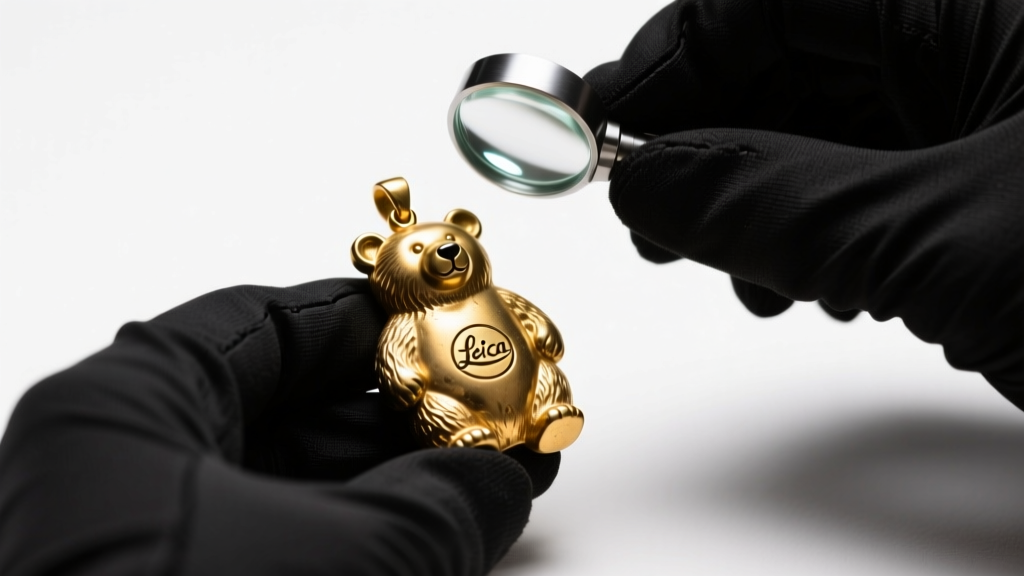
- Hallmark Inspection: Use a 10x jeweler's loupe to inspect the back of the bear or the inside of the bail. Look for 14k, 585, 18k, or 750. The Gemological Institute of America (GIA) notes that authentic stamps are usually crisp and deeply struck, whereas counterfeit stamps often appear shallow or blurred.
- The Magnet Test: Gold is diamagnetic. If your bear pendant is attracted to a strong neodymium magnet, it contains a ferromagnetic core (like iron or steel) and is not solid gold. Note that a lack of magnetic attraction does not guarantee solid gold, as brass and copper are also non-magnetic.
- XRF Spectrometry: For definitive, non-destructive authentication, take the necklace to a certified gemologist or reputable jeweler. They will use an X-ray Fluorescence (XRF) spectrometer to determine the exact elemental breakdown of the alloy, confirming the karatage and detecting any hidden base metals.
Preventative Maintenance Framework
To ensure your gold bear necklace survives for generations, implement this bi-annual maintenance framework. Every six months, perform a visual inspection of the bail loop. If you notice the gold thinning or developing a 'knife-edge' profile where it rubs against the chain, it is time to have a jeweler re-tube or replace the bail before it snaps. Store the necklace flat in an anti-tarnish polybag with a 3M silver and gold anti-tarnish strip. Never store the necklace hanging, as the continuous gravitational pull on the chain and clasp can cause long-term metal creep and stretching. By understanding the unique mechanical stresses and material vulnerabilities of a gold bear pendant, you can troubleshoot issues before they result in the loss of a cherished piece of jewelry.


