Hawaiian Necklace Name Guide: Care & Cleaning for Heirloom Styles
Discover your hawaiian necklace name and learn expert cleaning tips for heirloom gold, silver maile leaf, black coral, and organic lei styles.

Decoding Your Hawaiian Necklace Name: Why Material Dictates Care
When collectors and inheritors search for a specific hawaiian necklace name, they are usually trying to identify a beloved family heirloom or a vintage find from the islands. The terminology used in Hawaiian jewelry is deeply tied to its materials, cultural significance, and manufacturing techniques. However, knowing the name of your piece—whether it is a Heirloom, a Maile Leaf, a Niho Palaoa, or a Black Coral branch—is not just a matter of trivia. As of 2026, modern conservation standards dictate that the exact material composition of these unique island treasures requires highly specialized care protocols.
Applying standard commercial jewelry cleaners to a traditional Hawaiian piece can result in catastrophic damage. Vitreous enamel can shatter, organic coral can dissolve, and sterling silver can suffer irreversible pitting if exposed to harsh chemicals. In this comprehensive guide, we break down the most iconic Hawaiian necklace names and provide museum-grade, actionable maintenance routines to preserve them for the next generation.
Hawaiian Heirloom Jewelry: Cleaning Gold and Vitreous Enamel
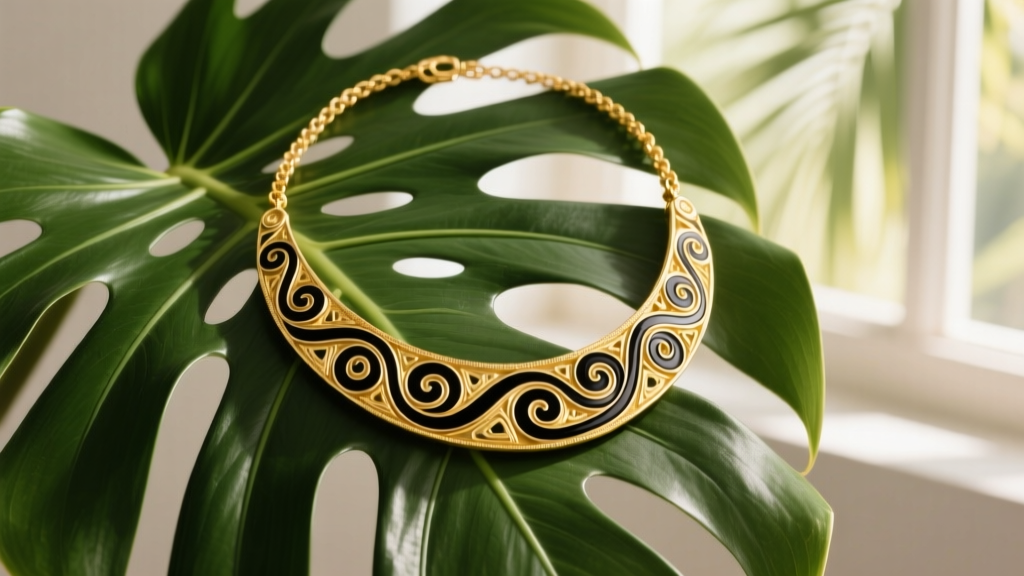
The most famous of all Hawaiian jewelry styles is simply known as Hawaiian Heirloom. Originating in the late 19th century after Queen Liliʻuokalani received a gold bracelet from Queen Victoria, these pieces are characterized by 14k yellow gold intricately engraved with black vitreous enamel scrollwork, often featuring Old English script names or Hawaiian motifs like the plumeria and maile leaf.
The Danger of Ultrasonic Cleaners
Vitreous enamel is essentially crushed glass fused to a metal backing at temperatures exceeding 1,000°F. While incredibly durable against scratches, it is highly susceptible to thermal shock and high-frequency vibrations. According to the Gemological Institute of America (GIA), ultrasonic cleaners create microscopic cavitation bubbles that implode against the surface of the jewelry. In Hawaiian Heirloom pieces, this vibration can cause the enamel to micro-fracture, flake, or completely detach from the gold backing due to the differing resonance frequencies of glass and gold.
Step-by-Step Heirloom Cleaning Protocol
- Preparation: Mix three drops of mild, phosphate-free dish soap (like Dawn) into a bowl of lukewarm distilled water. Avoid hot water to prevent thermal shock to the enamel.
- Agitation: Submerge the necklace for exactly 3 minutes to loosen body oils and lotions.
- Brushing: Use an extra-soft baby toothbrush to gently sweep the bristles across the engraved channels. Never scrub aggressively; let the bristles do the work.
- Rinsing & Drying: Rinse under a gentle stream of room-temperature distilled water. Pat dry with a lint-free microfiber cloth, and use a hair dryer on the 'cool' setting to blow moisture out of the deep enamel grooves.
Sterling Silver Maile Leaf & Pikake: Beating Sulfur and Salt
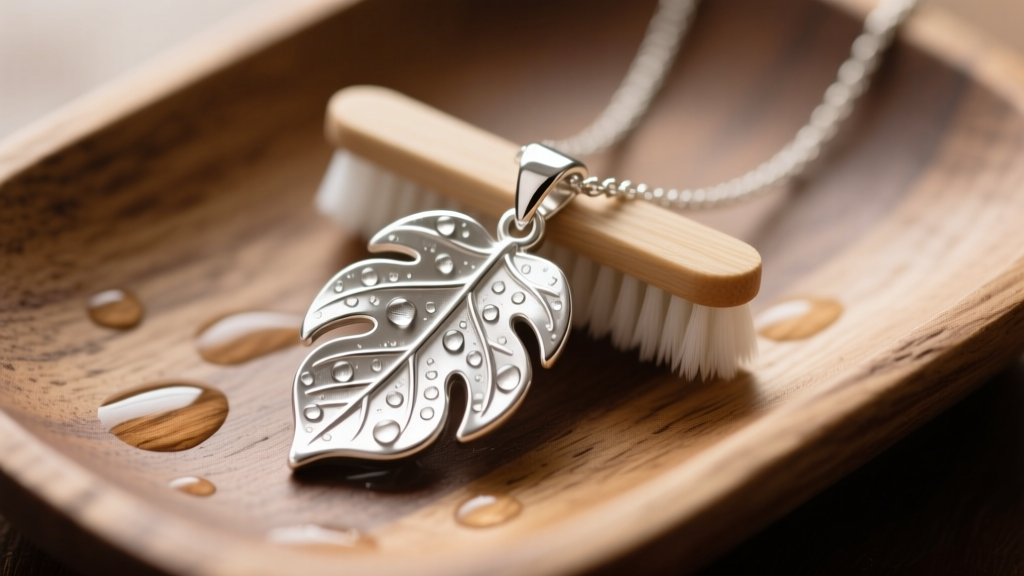
Another highly sought-after hawaiian necklace name is the Maile Leaf or Pikake pendant, frequently cast in 925 sterling silver. The maile leaf is a sacred plant in Hawaiian culture, used in lei making and symbolizing peace and respect. While beautiful, sterling silver is notoriously reactive, especially in the Hawaiian climate.
The Electrochemical Tarnish Removal Method
Silver tarnish is not dirt; it is a chemical compound called silver sulfide (Ag2S) that forms when silver reacts with sulfur in the air. In Hawaii, volcanic smog (vog) contains high levels of sulfur dioxide, which accelerates this process exponentially. Instead of using abrasive silver polishes that strip away microscopic layers of silver and ruin the patina of the maile leaf detailing, use an electrochemical reduction bath.
- Line a glass baking dish with heavy-duty aluminum foil, shiny side up.
- Place the tarnished silver Maile leaf necklace flat on the foil, ensuring direct contact.
- Sprinkle 2 tablespoons of baking soda and 1 tablespoon of sea salt over the piece.
- Pour boiling water into the dish until the necklace is fully submerged. You will immediately smell a rotten egg odor—this is the sulfur transferring from the silver to the aluminum.
- After 3 minutes, remove the necklace with wooden tongs, rinse thoroughly in distilled water, and buff with a Sunshine polishing cloth.
For more detailed metallurgical insights on silver care, the Silver Institute provides excellent guidelines on preserving intricate castings without abrasive damage.
Organic Treasures: Niho Palaoa, Black Coral, and Fresh Lei
Not all Hawaiian necklaces are forged from metal. Some of the most culturally significant pieces are organic, requiring entirely different preservation frameworks based on their biological origins.
Black Coral (Antipathes) Maintenance
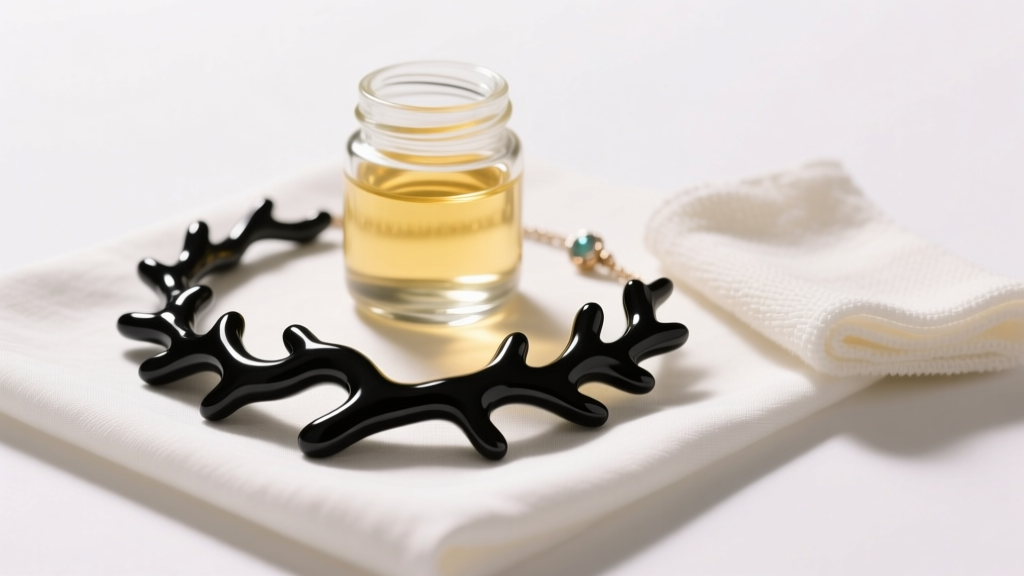
Often sold under the hawaiian necklace name of Black Coral or ʻĒkaha, this material is not a plant or a stone, but the chitinous skeleton of a deep-sea marine animal. Black coral is primarily composed of calcium carbonate and organic proteins. Because of its calcium carbonate base, it is highly vulnerable to acids. Never use commercial jewelry dips, vinegar, or lemon juice on black coral, as the acid will literally dissolve the surface, leaving it pitted and chalky. Clean black coral only with a barely damp microfiber cloth, and once a year, apply a single drop of food-grade mineral oil to a soft cloth and rub it into the surface to maintain its deep, lustrous sheen and prevent desiccation cracking.
Niho Palaoa (Whale Tooth/Bone) Hydration
The Niho Palaoa is a traditional carved pendant, historically made from the tooth of a sperm whale, though modern iterations are carved from bone, ivory alternatives, or resin. For authentic bone or ivory pieces, the greatest enemy is rapid fluctuation in humidity, which causes the porous material to warp and split. The Smithsonian Museum Conservation Institute recommends maintaining a stable relative humidity of 45-55% for organic artifacts. If your bone Niho Palaoa begins to look chalky or develops micro-fissures, gently massage it with Renaissance Wax or pure mineral oil to rehydrate the cellular structure.
Master Care Chart: Hawaiian Necklace Materials
To ensure you are treating your specific piece correctly, consult this quick-reference matrix before applying any cleaning agents.
| Hawaiian Necklace Name | Primary Material | Safe Cleaning Agent | Ultrasonic Safe? | Steam Safe? |
|---|---|---|---|---|
| Hawaiian Heirloom | 14k Gold / Vitreous Enamel | Mild Dish Soap & Distilled Water | NO (Enamel fracture risk) | NO (Thermal shock risk) |
| Maile Leaf / Pikake | 925 Sterling Silver | Aluminum Foil Electrochemical Bath | Yes (if no gemstones) | Yes |
| Black Coral Branch | Organic Calcium Carbonate | Damp Cloth & Mineral Oil | NO | NO |
| Niho Palaoa | Bone / Ivory / Resin | Dry Microfiber & Renaissance Wax | NO | NO |
| Pikake Lei | Fresh Jasmine Orchids | Misting with Distilled Water | N/A | N/A |
Long-Term Storage: Defeating Humidity and Vog
Proper cleaning is only half the battle; how you store your Hawaiian necklace dictates its longevity. If you live in a coastal or tropical environment, or an area affected by volcanic emissions, standard jewelry boxes will not suffice. The sulfur dioxide present in vog will turn sterling silver black in a matter of days.
For silver Maile Leaf and Pikake pieces, store them in airtight Ziploc bags alongside 3M Anti-Tarnish Strips, which absorb airborne sulfur compounds before they can react with the silver. For Hawaiian Heirloom gold and enamel, store them flat in a soft flannel pouch to prevent the gold chains from kinking or scratching the glass-like enamel surface. Never store organic pieces like black coral or bone in plastic, as trapped moisture can encourage mold growth; instead, use breathable cotton pouches in a climate-controlled room. By understanding the unique hawaiian necklace name and material profile of your jewelry, you can ensure these beautiful cultural artifacts remain vibrant and intact for decades to come.


