The Ultimate Beginner Guide to Buying a Gold Tiger Necklace
Discover how to choose, style, and verify a gold tiger necklace. Our beginner guide covers karat weights, chain pairings, and zodiac meaning.

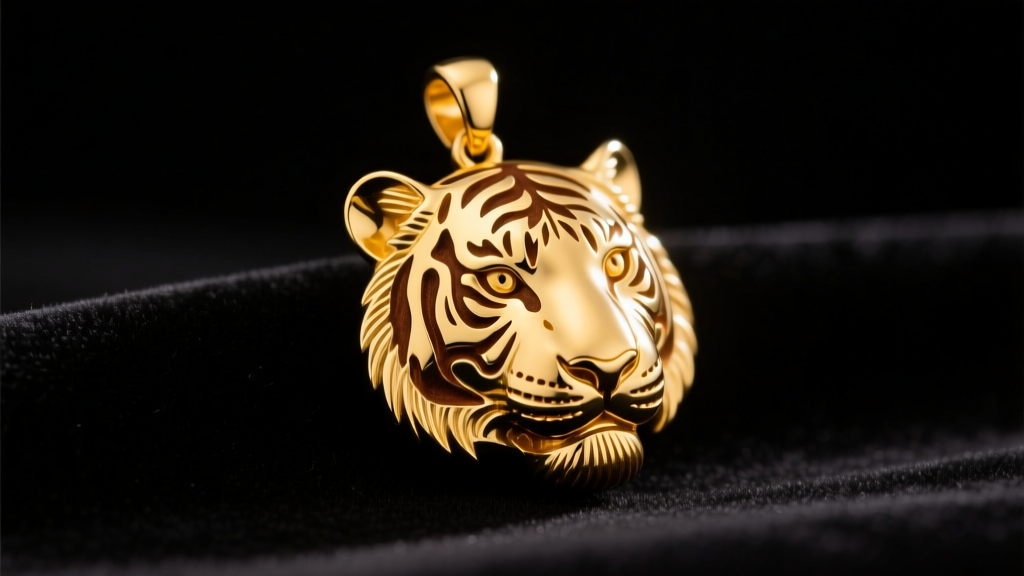
Animal motif jewelry has held a prominent place in personal adornment for centuries, but few creatures command the same reverence and stylistic versatility as the tiger. Whether you are shopping to honor your Chinese Zodiac sign, seeking a fierce statement piece, or simply drawn to the intricate craftsmanship of big cat jewelry, a gold tiger necklace is a timeless investment. However, for beginners, navigating the world of gold purity, chain pairings, and manufacturing methods can be overwhelming. This comprehensive guide will walk you through everything you need to know to confidently select, verify, and style your perfect gold tiger pendant.
The Symbolism Behind the Tiger Motif
Before diving into metallurgy and chain gauges, it is essential to understand the cultural weight of the tiger motif. In Chinese astrology, the Tiger is the third animal in the 12-year zodiac cycle, symbolizing bravery, competitiveness, and unpredictability. Wearing a tiger pendant is often considered a talisman for protection and courage. Beyond Eastern traditions, the tiger represents raw power, ferocity, and independence in global pop culture and high fashion. When you wear a gold tiger necklace, you are tapping into a rich lineage of symbolism that transcends mere decoration.
Decoding Gold Purity: Which Karat is Best?
Gold purity is measured in karats (k), with 24k representing pure gold. However, pure gold is far too soft for intricate, three-dimensional jewelry like a detailed tiger head pendant. According to Encyclopedia Britannica's metallurgical breakdown of gold, pure gold must be alloyed with metals like copper, silver, or zinc to increase its tensile strength and durability. Here is how the most common karat weights perform for tiger pendants:
| Karat Weight | Gold Content | Pros for Tiger Pendants | Cons & Pricing |
|---|---|---|---|
| 10k Gold | 41.7% | Highly durable, scratch-resistant, affordable. | Pale yellow hue; lacks the 'richness' of fine jewelry. ($150 - $300) |
| 14k Gold | 58.3% | Industry standard; excellent balance of durability and rich color. | Can still tarnish slightly over decades. ($350 - $800) |
| 18k Gold | 75.0% | Deep, luxurious yellow tone; hypoallergenic; premium heirloom quality. | Softer metal; intricate claws or ears may bend if snagged. ($800 - $2,500+) |
| 22k / 24k Gold | 91.6% - 99.9% | Traditional for flat, stamped Indian or Asian zodiac coins. | Too soft for 3D cast tiger heads; limited modern designs. |
Expert Recommendation: For a 3D tiger head pendant with intricate fur texturing and openwork (such as an open mouth or detailed eyes), 14k gold is the optimal choice. It provides enough structural integrity to hold fine details without warping during daily wear.
Manufacturing Methods: Cast vs. Die-Struck
How your gold tiger necklace is made drastically affects its price, weight, and level of detail.
- Lost-Wax Casting (3D Pendants): This is the premier method for creating lifelike, three-dimensional tiger heads. A wax model is carved (often via CAD software), encased in plaster, and burned out, leaving a cavity where molten gold is poured. This allows for incredible micro-details, such as individual whiskers and textured fur. Expect these pendants to be solid or semi-hollow, weighing between 4 to 15 grams.
- Die-Striking (2D Pendants): Flat tiger silhouettes or zodiac coins are typically die-struck. A sheet of gold is stamped under immense pressure. These are highly durable, lightweight (1 to 3 grams), and more affordable, but they lack the sculptural depth of cast pieces.
Chain Pairings: Matching the Right Chain
A common beginner mistake is pairing a heavy, intricate tiger pendant with a flimsy chain. The chain must complement the pendant's visual weight and physically support it. The crucial metric here is the bail size (the loop at the top of the pendant). A standard 3D tiger pendant features a bail with an inner diameter of 4mm to 6mm.
Cable vs. Curb vs. Rope Chains
- Box Chains (1.5mm - 2.5mm): Excellent for a sleek, modern look. The square links reflect light beautifully and easily slide through standard 4mm bails. Best for minimalist styling.
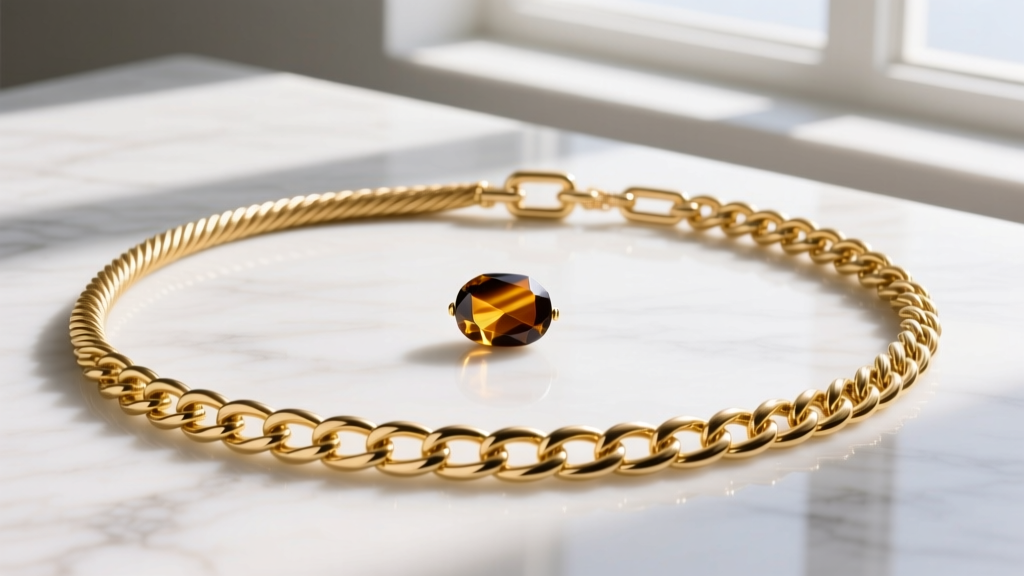
- Curb Chains (3.0mm - 5.0mm): The interlocking, flattened links of a curb chain provide a masculine, streetwear-inspired aesthetic. A 4mm gold curb chain paired with a 25mm tiger head pendant creates a bold, cohesive statement.
- Rope Chains (2.0mm - 3.5mm): The twisted links mimic the texture of a rope, offering a vintage, luxurious vibe that pairs exceptionally well with intricate fur detailing on the tiger pendant.
Pro Tip: Always check the clasp. A pendant weighing over 5 grams requires a sturdy lobster clasp, not a delicate spring-ring clasp, to prevent accidental loss.
Sizing and Proportions: Finding the Perfect Drop
The scale of your gold tiger necklace should align with your body type and styling goals.
- Micro Pendants (10mm - 14mm): Ideal for layering or wearing as a subtle, everyday talisman. Best paired with delicate 16-inch or 18-inch chains.
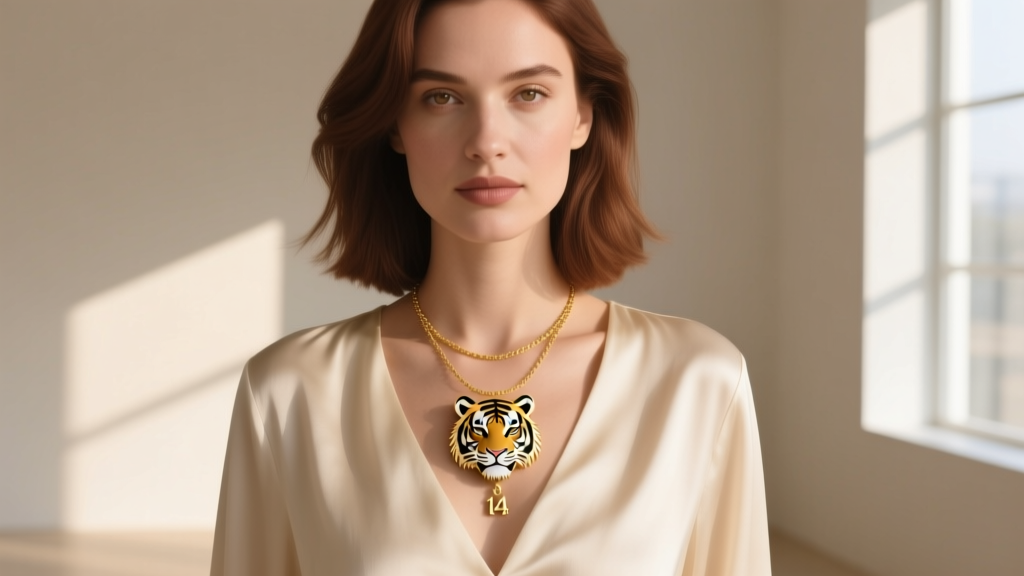
- Standard Pendants (18mm - 25mm): The sweet spot for most wearers. A 20mm tiger head on a 20-inch chain sits perfectly on the upper chest, visible above most crewneck t-shirts and blouses.
- Statement Pendants (30mm+): Reserved for bold, high-fashion looks. These heavy pieces require thick chains (5mm+) and are best worn solo over streetwear or dark, solid-colored fabrics.
Authenticity Checks: Avoiding Gold-Plated Fakes
The market is flooded with deceptive terminology. To ensure you are buying solid gold rather than a cheap imitation, you must understand the legal definitions of gold jewelry. The Federal Trade Commission Jewelry Guides strictly regulate how gold content can be marketed in the United States.
- Solid Gold: Will be stamped with 10k, 14k, 18k, 585, or 750. The piece is gold all the way through.
- Gold Vermeil: Must have a sterling silver base and a gold plating of at least 2.5 microns. It is a step up from standard plating but will eventually wear down to the silver base.
- Gold Plated / Gold Filled: Uses a brass or copper base. 'Gold filled' has a thicker layer than 'plated,' but neither holds long-term heirloom value.
Always inspect the bail or the back of the tiger pendant for a hallmark stamp. If a seller cannot provide a clear karat stamp or an assay certificate, walk away.
Styling Your Gold Tiger Necklace
Because the tiger is such a dominant motif, styling requires a balanced approach. For a sophisticated daytime look, layer a 14k gold tiger pendant on a 20-inch rope chain with a simple, 18-inch gold herringbone choker. The contrast between the flat, liquid-like herringbone and the textured, sculptural tiger creates a high-end, curated aesthetic.
For evening wear or bold streetwear, let the tiger pendant stand alone. Pair a heavy 18k tiger head on a thick curb chain with a monochrome outfit—such as an all-black turtleneck or a crisp white button-down—to allow the rich yellow gold to pop. If your tiger pendant features gemstone accents, such as black onyx eyes or a pave diamond snout, ensure your other jewelry remains minimal to avoid visual clutter.
By understanding gold purity, manufacturing techniques, and proper chain pairings, you can confidently invest in a gold tiger necklace that is not only a stunning piece of art but a durable heirloom capable of being passed down through generations.


