Mood Necklace Colors and Meanings: The Science of Thermochromic Jewelry
Explore the material science behind mood necklace colors and meanings. Learn how thermochromic liquid crystals react to temperature and skin chemistry.

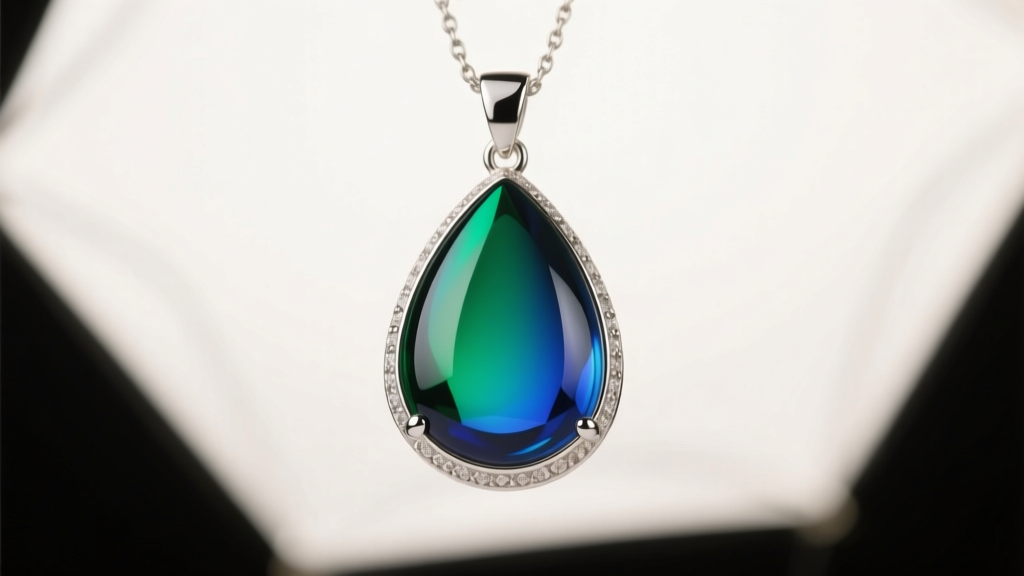
The Material Science Behind Mood Jewelry
While often dismissed as a nostalgic novelty from the 1970s, the modern mood necklace is a fascinating application of materials science. To truly understand mood necklace colors and meanings, we must look past the marketing and examine the thermochromic liquid crystals (TLCs) encased within the pendant. Unlike standard pigments that absorb and reflect fixed wavelengths of light, TLCs are composed of complex organic molecules—typically cholesteryl nonanoate or similar cholesteric derivatives. These molecules arrange themselves in a helical structure.
When the temperature of the pendant changes, the pitch of this helical twist expands or contracts. This physical shift alters the specific wavelength of light that is reflected back to the human eye. According to research published by the Scientific American, this phenomenon is known as selective Bragg reflection. A cooler pendant reflects longer wavelengths (reds and yellows, which mix to appear amber or brown), while a warmer pendant reflects shorter wavelengths (blues and violets). Therefore, the 'mood' you are reading is actually a highly sensitive thermal map of your skin's surface temperature.
Decoding Mood Necklace Colors and Meanings
The jewelry industry has long assigned emotional states to these thermal shifts. However, as a materials scientist or an informed collector, it is crucial to separate the physiological reality from the romanticized color chart. Skin temperature is primarily dictated by peripheral blood flow, which is influenced by ambient temperature, physical exertion, and indeed, the autonomic nervous system's response to stress or excitement.
The Thermochromic Color Chart
Below is a detailed breakdown of the standard thermochromic spectrum found in high-quality mood pendants, mapping the exact temperature thresholds to both the marketed 'meaning' and the physiological reality.
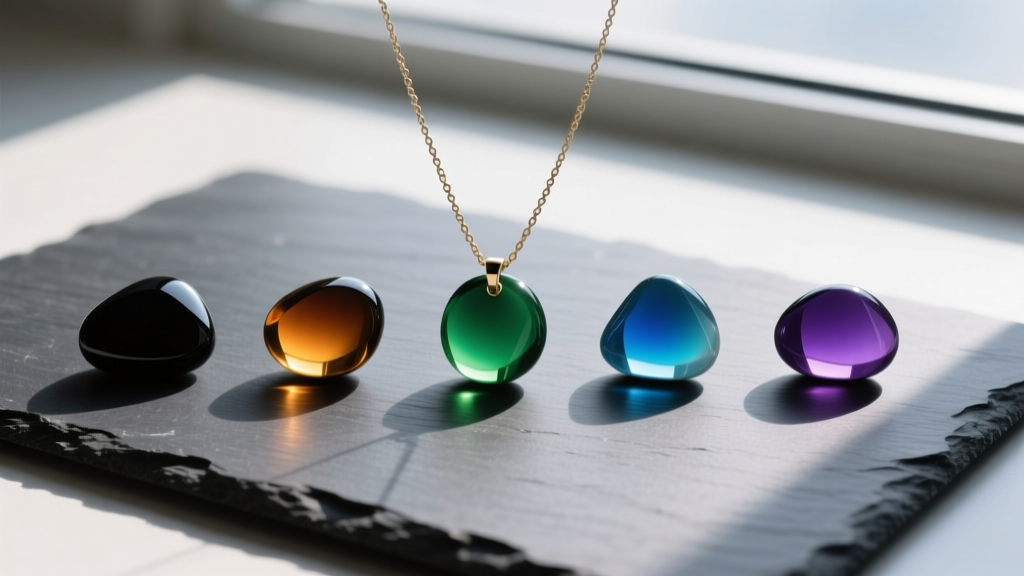
| Color Displayed | Temperature Threshold | Marketed 'Mood' | Physiological Reality |
|---|---|---|---|
| Black / Gray | Below 20°C (68°F) | Stressed, Anxious, or Cold | Poor peripheral circulation; cold ambient environment; or the pendant is not touching the skin. |
| Amber / Brown | 20°C - 24°C (68°F - 75°F) | Nervous, Restless | Baseline resting skin temperature in a cool room; slight vasoconstriction. |
| Green | 25°C - 28°C (77°F - 82°F) | Relaxed, Happy, Normal | Optimal resting skin temperature; comfortable ambient environment; normal blood flow. |
| Blue / Teal | 29°C - 32°C (84°F - 90°F) | Calm, Peaceful, Romantic | Increased peripheral blood flow; mild physical activity; emotional flushing. |
| Violet / Purple | Above 33°C (91°F+) | Passionate, Ecstatic | High skin surface temperature; hot environment; post-exercise vasodilation. |
Expert Insight: If your mood necklace consistently displays a deep blue or violet while you are sitting still in an air-conditioned room, the thermochromic calibration of the liquid crystal batch may be skewed. Lower-tier manufacturers often use imprecise leuco dye mixtures that fail to hit the exact 28°C 'green' baseline.
Casing Materials: What Holds the Crystal?
The longevity and accuracy of a mood necklace depend entirely on its encasement. The liquid crystals are highly susceptible to degradation from UV radiation, moisture, and oxygen. Therefore, the casing is not just decorative; it is a vital environmental barrier.
Glass Vials vs. Polymer Coatings
In budget-friendly mood jewelry ($10 to $25), the thermochromic material is often a microencapsulated leuco dye suspended in a polymer resin or painted onto a metal backing and sealed with a clear epoxy dome. While inexpensive, epoxy yellows over time when exposed to UV light, and polymer coatings are semi-permeable, allowing moisture to eventually infiltrate and destroy the color-changing properties.
Premium mood pendants ($60 to $150) utilize hermetically sealed borosilicate glass vials or synthetic quartz overlays. The Chemistry LibreTexts archive notes that the structural integrity of cholesteric liquid crystals requires a strictly anaerobic, moisture-free environment to maintain their helical pitch over decades. Glass provides this impermeable barrier, ensuring the pendant remains color-accurate for years.
The Metal Setting: Sterling Silver vs. Base Alloys
The metal cradle holding the glass vial also plays a role in thermal conductivity. Sterling silver (925) is an excellent thermal conductor, allowing rapid heat transfer from the sternum to the liquid crystal. Conversely, thick stainless steel or heavily rhodium-plated brass can act as a thermal insulator, causing a 'lag' in the necklace's color-changing response. When purchasing, look for thin-walled sterling silver or 14k gold settings to ensure optimal thermal transfer.
Degradation Factors and Troubleshooting
A common issue among vintage or poorly manufactured mood necklaces is the 'stuck black' phenomenon. When a mood stone turns permanently black and refuses to change color even when heated, it is rarely a reflection of the wearer's mood. Instead, it indicates a material failure.
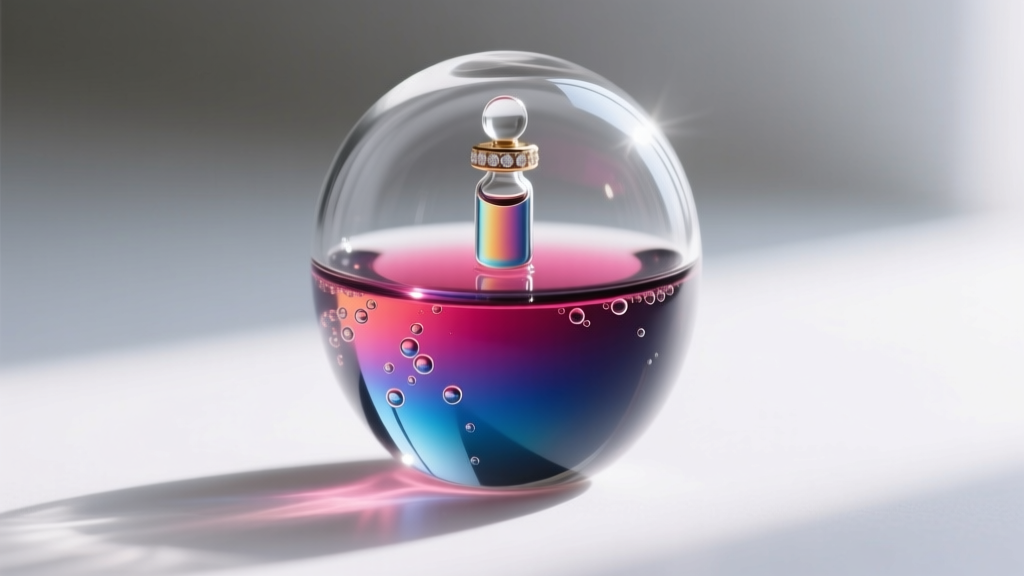
Why Do Mood Stones Turn Black?
- Moisture Ingress: If the glass vial develops a micro-fracture or the polymer seal fails, sweat and ambient humidity penetrate the casing. Water molecules disrupt the delicate alignment of the liquid crystals, causing them to scatter light randomly, which the human eye perceives as black or muddy gray.
- UV Degradation: Prolonged exposure to direct sunlight breaks down the organic bonds within the cholesteryl esters. Once the molecular structure is compromised by UV radiation, the thermochromic effect is permanently destroyed.
- Chemical Exposure: Contact with harsh chemicals, such as chlorine in swimming pools, sulfur in hot springs, or even high-acidity skincare products, can corrode the outer casing and seep into the crystal layer.
How to Calibrate and Care for Thermochromic Pendants
To maximize the lifespan of your mood necklace and ensure the colors accurately reflect the thermochromic spectrum, follow these strict material care guidelines:
- Avoid Thermal Shock: Do not transition the pendant rapidly from extreme cold to extreme heat (e.g., jumping into a hot tub while wearing it). Thermal shock can shatter the internal glass vial or cause the liquid crystals to separate from their suspension medium.
- The Warm Water Test: If you suspect your necklace is miscalibrated, gently hold the pendant under lukewarm tap water (around 30°C / 86°F). It should smoothly transition through green and into blue. If it jumps erratically or remains cloudy, the internal emulsion has separated, and the pendant is no longer salvageable.
- Storage Protocols: Store the necklace in a dark, climate-controlled jewelry box. A velvet-lined compartment will protect the glass or quartz overlay from micro-scratches, which can refract light and dull the vibrancy of the liquid crystal colors.
Final Verdict: Are Mood Necklaces Worth the Investment?
Understanding the true science behind mood necklace colors and meanings transforms the piece from a simple toy into a wearable marvel of organic chemistry. While the 'meanings' are a fun psychological projection, the real value lies in the thermochromic material itself. For jewelry enthusiasts and collectors, investing in a high-quality, hermetically sealed glass-vial pendant set in sterling silver offers a durable, scientifically accurate, and visually captivating accessory that responds dynamically to the human body.


