Sensory Necklace Engineering: Materials, Weights, and Safety
Explore the technical engineering of sensory necklaces. We analyze medical-grade silicones, proprioceptive weight limits, and breakaway clasp mechanics.

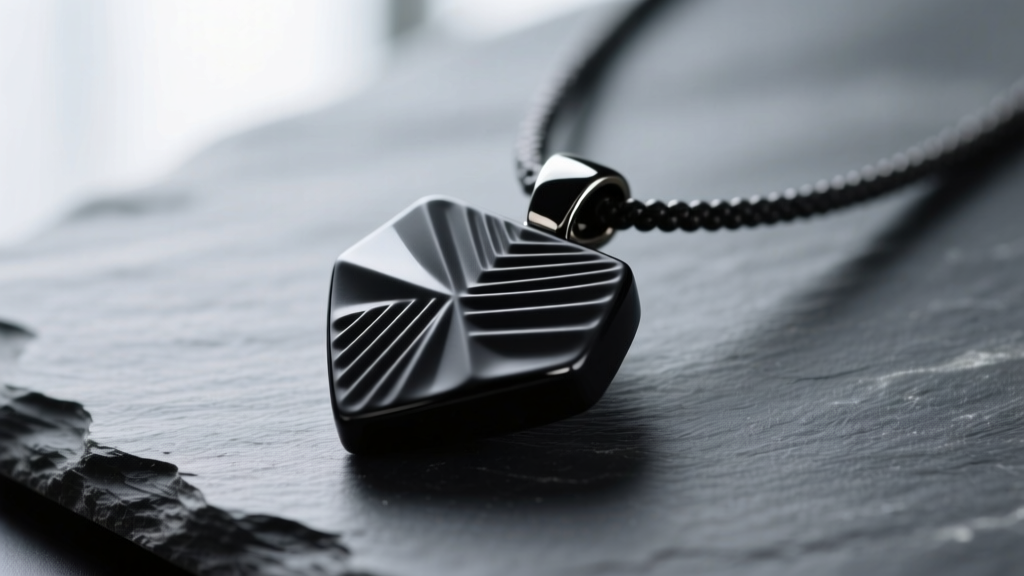
The commercial jewelry market frequently dilutes the term "sensory necklace" to describe any pendant with a textured surface. However, from a biomedical and occupational therapy perspective, a true sensory necklace is a precisely engineered therapeutic tool designed to deliver specific proprioceptive, tactile, or oral-motor input. For neurodivergent individuals, including those with Autism Spectrum Disorder (ASD) or Attention Deficit Hyperactivity Disorder (ADHD), these devices are critical components of a regulated sensory diet. This deep dive explores the material science, biomechanical limits, and mechanical safety standards that separate clinical-grade sensory jewelry from novelty accessories.
The Biomechanics of Proprioceptive Input and Weight Limits
Weighted sensory necklaces operate on the principles of Deep Pressure Therapy (DPT). According to the American Occupational Therapy Association (AOTA), consistent, gentle pressure stimulates the parasympathetic nervous system, reducing sympathetic arousal and promoting emotional regulation. However, engineering a weighted necklace requires strict adherence to cervical spine biomechanics. The human cervical spine is not designed to support prolonged static loads. While weighted blankets safely utilize up to 10% of a user's total body weight, a necklace concentrates force entirely on the C1 through C7 vertebrae and the surrounding trapezius musculature.
Clinical guidelines suggest that a therapeutic sensory necklace should never exceed 10% to 15% of the user's head weight for prolonged wear. For an average adult, this translates to a maximum safe load of 1.5 to 2.5 pounds (24 to 40 ounces). However, optimal sensory grounding is typically achieved at much lower thresholds, usually between 8 and 16 ounces. To achieve this density without creating a bulky, unwieldy pendant, engineers utilize micro-glass beads or high-density stainless steel shot encased in medical-grade housings, distributing the mass evenly across the anterior collarbone to prevent localized tissue ischemia.
Material Science: Platinum-Cured vs. Industrial Polymers
The tactile and oral-motor components of a sensory necklace must withstand repetitive mechanical stress, enzymatic degradation from saliva, and rigorous sanitization. The industry standard is platinum-cured (addition-cured) silicone. Unlike tin-cured (condensation-cured) silicones, which shrink over time and release toxic byproducts during degradation, platinum-cured silicone is chemically inert, hypoallergenic, and compliant with FDA CFR 21 regulations for food and medical contact.
The hardness of the silicone is measured using the Shore A durometer scale, which dictates the resistance to indentation. Selecting the correct durometer is critical for oral-motor sensory necklaces (often termed "chewelry"):
- Shore A 20-30 (Soft): Ideal for users with low jaw strength or those who prefer gentle, yielding resistance. Mimics the texture of a pencil eraser.
- Shore A 40-50 (Medium): Provides moderate resistance for active chewing, promoting jaw muscle development without causing fatigue.
- Shore A 60-80 (Firm): Designed for aggressive chewers who easily destroy softer materials. Offers high tensile strength and tear resistance.
A critical failure mode in inferior sensory necklaces is the use of industrial-grade PVC or thermoplastic elastomers (TPE) containing phthalates. These materials develop micro-fissures within weeks of use, creating porous environments where Staphylococcus aureus and Streptococcus mutans can proliferate, posing severe infection risks.
Mechanical Failure Points and Breakaway Safety Clasps
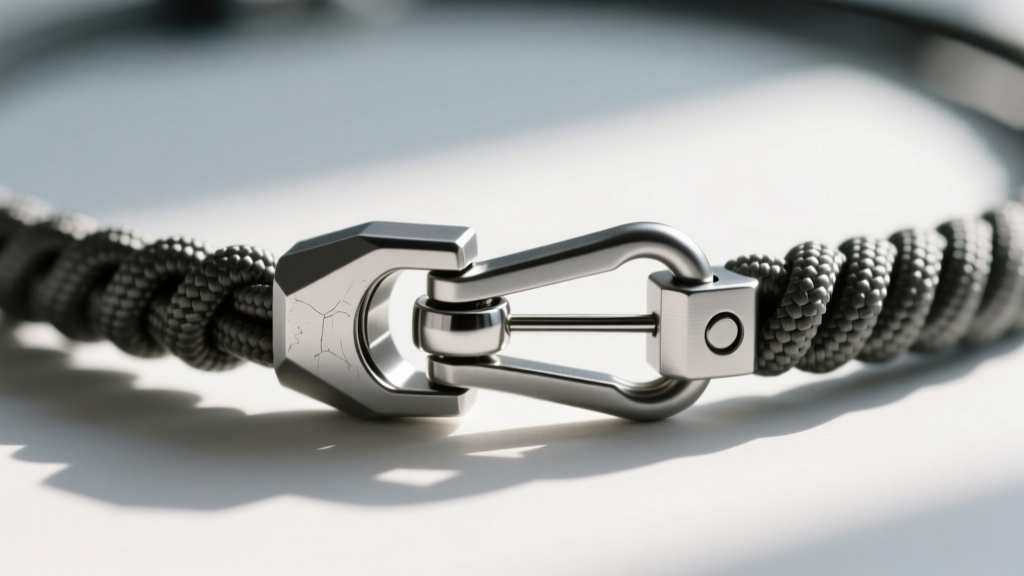
The most catastrophic failure mode of any neck-worn device is strangulation. The Consumer Product Safety Commission (CPSC) maintains strict guidelines regarding drawstrings and necklaces, particularly for pediatric and special needs populations. A true sensory necklace must incorporate a calibrated breakaway mechanism that releases under sudden lateral or vertical tension.
Standard lobster clasps or magnetic clasps without a release mechanism are entirely contraindicated. Instead, engineers utilize specialized magnetic breakaway clasps, such as the Mag-Lok system. These devices utilize internal neodymium magnets to maintain a secure closure during normal wear but are engineered with specific shear-pin tolerances that force the clasp to disengage when subjected to 5 to 8 pounds of lateral force.
Furthermore, the cordage must be carefully selected. While 550-paracord offers immense tensile strength (550 lbs), it will not break before causing severe cervical trauma if the clasp fails. Therefore, the cord must either be threaded through a secondary breakaway lanyard connector or constructed from a low-tensile breakaway cotton that snaps at roughly 15 pounds of force.
Comparative Analysis of Cordage and Clasp Tolerances
| Material / Component | Tensile / Shear Strength | Failure Mode | Safety Rating |
|---|---|---|---|
| 550 Paracord (Nylon) | 550 lbs (249 kg) | Will not snap; transfers force to cervical spine | Unsafe (unless paired with breakaway) |
| Breakaway Cotton Lanyard | 12 - 18 lbs (5.4 - 8.1 kg) | Snaps cleanly under sudden dynamic load | High |
| Standard Lobster Clasp | 30+ lbs (13.6+ kg) | Remains closed; creates hanging hazard | Unsafe |
| Magnetic Breakaway (Mag-Lok) | 5 - 8 lbs lateral shear | Magnets separate cleanly under lateral stress | Optimal |
Ergonomic Sizing and Pendant Placement
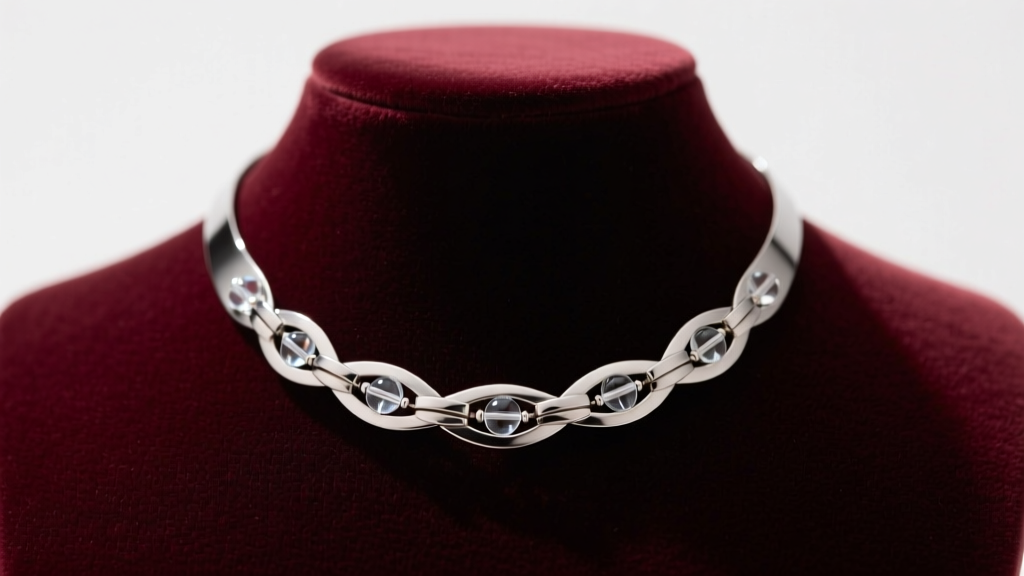
The efficacy of a sensory necklace is heavily dependent on its resting position. If a tactile pendant hangs too low (e.g., at the sternum), it requires the user to hunch forward to interact with it, promoting poor thoracic kyphosis. If it sits too high (e.g., choker length), it can compress the carotid sinus or trigger the gag reflex in users with oral-tactile defensiveness.
The optimal drop length for an adult sensory necklace is between 24 and 28 inches, allowing the pendant to rest precisely at the lower sternum or solar plexus. This placement allows the user to manipulate the pendant with their hands resting naturally in their lap, maintaining a neutral spinal alignment. For weighted necklaces, a wider, flatter pendant profile is required to distribute the mass across the clavicles rather than concentrating it on the delicate sternal notch.
Maintenance, Sanitization, and Lifecycle Protocols
Because sensory necklaces are frequently exposed to saliva, sebum, and environmental pathogens, rigorous sanitization protocols are mandatory. Platinum-cured silicone can withstand extreme thermal and chemical stress.
"Proper sanitization of oral-motor sensory tools requires either thermal destruction of pathogens or chemical denaturation. Wiping with alcohol is insufficient for porous or textured surfaces."
- Thermal Sanitization: Platinum-cured silicone can be safely autoclaved at 121°C (250°F) for 15 minutes or boiled in rolling water for 5 minutes without degrading the polymer chains.
- Chemical Sanitization: A 10% bleach solution (1 part sodium hypochlorite to 9 parts water) is effective, provided the silicone is thoroughly rinsed to prevent chemical ingestion.
- UV-C Irradiation: Exposure to 254nm UV-C light for 3 minutes effectively neutralizes surface DNA of bacteria and viruses, making it an excellent daily maintenance protocol that avoids chemical residue.
Tin-cured silicones and TPEs will warp, become tacky, or release volatile organic compounds (VOCs) when subjected to boiling or autoclaving, further underscoring the necessity of verifying the material grade before purchase.
Conclusion: Demanding Clinical Standards
A sensory necklace is not merely a piece of jewelry; it is a biomechanical and neurological interface. Whether specifying a weighted necklace for proprioceptive grounding or a textured pendant for oral-motor regulation, buyers and designers must demand clinical-grade materials, calibrated safety releases, and ergonomic weight distribution. By understanding the Shore A durometer scale, respecting cervical load limits, and insisting on magnetic breakaway mechanics, users can safely harness the regulatory power of sensory jewelry without compromising physical safety.


