Necklace Gabriella Rose Care: Cleaning & Maintenance
Learn expert cleaning and maintenance tips for your necklace Gabriella Rose pieces. Protect vermeil, pearls, and delicate gemstones.

The Anatomy of the Necklace Gabriella Rose Aesthetic
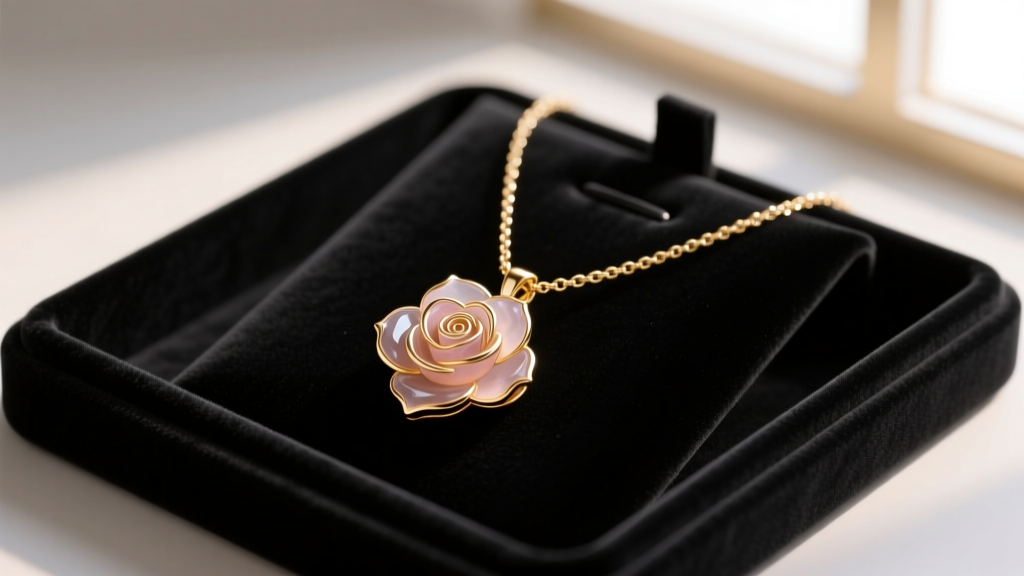
The term necklace gabriella rose typically refers to a specific tier of romantic, vintage-inspired jewelry characterized by delicate cable chains, intricate floral or botanical motifs, and the use of soft-hued, porous gemstones like rose quartz, morganite, or freshwater pearls. These pieces are predominantly crafted using 18k gold vermeil over a sterling silver (925) base. Understanding this metallurgical and gemological anatomy is the first step in proper care. Unlike solid 14k or 18k gold, vermeil consists of a microscopic layer of gold—legally required to be at least 2.5 microns thick in the United States—electroplated onto sterling silver. The gemstones used in these designs often feature low-relief cabochon cuts or intricate faceting that easily trap sebum, cosmetic residues, and environmental dust. Proper maintenance requires a bifurcated approach: preserving the fragile gold plating while safely extracting debris from the gemstone galleries without causing thermal or chemical shock.
Material Vulnerabilities: Vermeil and Organic Gems
To care for these pieces, you must understand their failure modes. The sterling silver base metal is highly reactive to sulfur and chlorides. If the 2.5-micron gold layer is compromised by abrasive cleaning, the exposed silver will rapidly oxidize, leading to dark, localized tarnish spots that cannot be polished away without stripping the surrounding vermeil. Furthermore, many Gabriella Rose-style designs incorporate freshwater pearls or enamel detailing. According to the Gemological Institute of America (GIA), pearls are organic gems with a Mohs hardness of just 2.5 to 3.0 and a highly porous nacre structure. They are exceptionally vulnerable to acids, including the natural lactic acid found in human sweat, which can etch the surface and destroy the pearl's orient and luster over time. Enamel, a vitreous glass fused to metal, is similarly prone to micro-fractures if subjected to sudden temperature changes or ultrasonic vibrations.
The Hazards of Daily Wear: The 'Last On, First Off' Rule
The most effective maintenance strategy is preventative. The golden rule of jewelry care is 'Last On, First Off.' Your necklace should be the final item you put on when dressing and the first item you remove upon returning home. This minimizes exposure to the primary enemies of delicate jewelry:
- Aerosolized Cosmetics: Hairsprays, perfumes, and setting powders contain alcohols and volatile organic compounds (VOCs) that degrade the binding agents in pearl glue and strip the luster from soft gemstones.
- Skincare Actives: Lotions containing retinol, alpha-hydroxy acids (AHAs), or vitamin C are mildly acidic. When trapped between the necklace chain and your collarbone, these acids accelerate the galvanic corrosion of the silver base metal.
- Chlorine and Bromine: Swimming pools and hot tubs contain halogens that permanently bleach porous stones and cause irreversible pitting in the gold vermeil layer.
Step-by-Step Cleaning Protocols
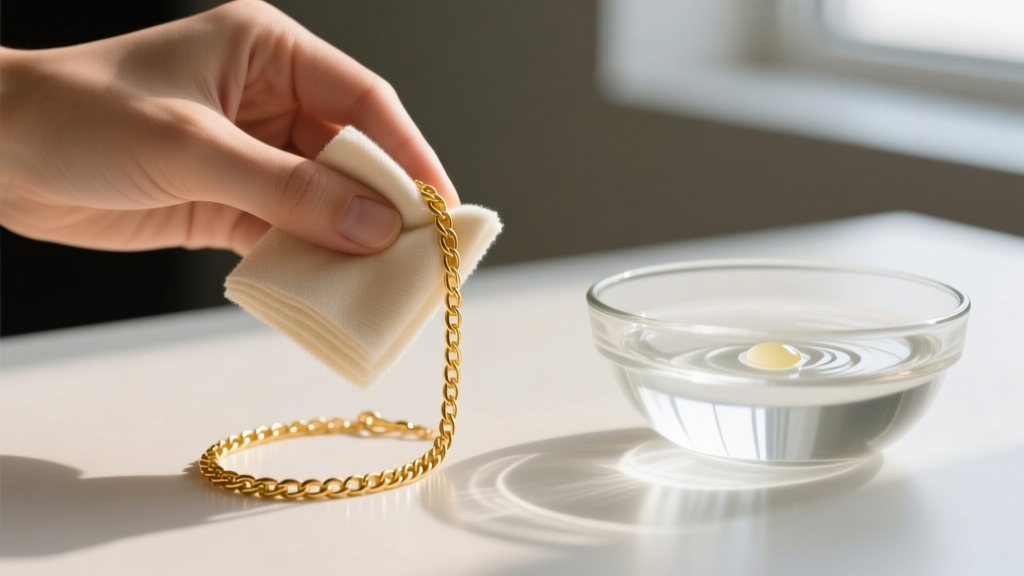
When preventative measures aren't enough, you must employ specific, non-destructive cleaning methods. Never use commercial silver dips, baking soda pastes, or ultrasonic cleaners on a necklace gabriella rose design. Ultrasonic waves can shatter internally fractured stones like rose quartz and violently shake gemstones loose from their delicate prong settings. Instead, rely on these two expert-approved methods.
The Dry Polish Method (Weekly Maintenance)
For routine removal of skin oils and light dust, use an untreated, high-pile microfiber cloth or a specially treated jewelers' polishing cloth (such as a Sunshine cloth). Gently glide the cloth along the chain links and over the face of the gemstone. Crucial Note: When polishing vermeil, apply zero downward pressure. Let the fibers of the cloth do the work. Aggressive rubbing will wear through the 2.5-micron gold layer, exposing the silver beneath. Avoid the area immediately surrounding the gemstone settings, as the cloth's fibers can catch on the prongs and bend them outward.
The Wet Wash Method (Monthly Deep Clean)
For accumulated grime in the gemstone galleries, a wet wash is necessary. The Jewelers of America recommends using only phosphate-free, ultra-mild dish detergents. Follow this exact protocol:
- Fill a small glass bowl with distilled water (never tap water, as dissolved minerals and chlorine can spot the metal). Ensure the water is lukewarm, not hot, to prevent thermal shock to the gems.
- Add a single drop of phosphate-free baby shampoo or mild dish soap. Swish to create light suds.
- Submerge the necklace for exactly 3 to 5 minutes to loosen debris.
- Using an extra-soft baby toothbrush (bristles must be flagged/split for maximum softness), gently flick the bristles around the back of the gemstone setting and along the chain links. Do not scrub in circles; use a gentle flicking motion to dislodge dirt.
- Rinse briefly under a slow stream of distilled water.
- Pat dry with a lint-free microfiber cloth, then lay the piece flat on a paper towel in a well-ventilated area to ensure all moisture evaporates from the crevices before storage.
Chemical Compatibility Matrix
Understanding which cleaning agents are safe for the specific materials found in botanical and floral pendant necklaces is critical. Use the following reference chart before applying any substance to your jewelry:
| Cleaning Agent | 18k Gold Vermeil | Freshwater Pearl | Rose Quartz / Morganite | Enamel Detailing |
|---|---|---|---|---|
| Ultrasonic Cleaner | Safe (but risky for settings) | NEVER (Destroys nacre) | NEVER (Causes fractures) | NEVER (Causes cracking) |
| Baking Soda Paste | NEVER (Strips gold) | NEVER (Scratches surface) | NEVER (Micro-abrasions) | NEVER (Dulls finish) |
| Ammonia / Windex | NEVER (Pitting) | NEVER (Dissolves glue) | Risky | Risky |
| Mild Dish Soap (Dawn) | Safe | Safe (Brief exposure) | Safe | Safe |
| Distilled Water | Safe | Safe | Safe | Safe |
Archival Storage and Humidity Control
How you store your necklace gabriella rose pieces when they are not being worn dictates their longevity. Sterling silver tarnishes primarily due to a reaction with hydrogen sulfide in the ambient air, a process drastically accelerated by high humidity. Storing your necklace in a standard bathroom jewelry box is a guaranteed way to accelerate oxidation.
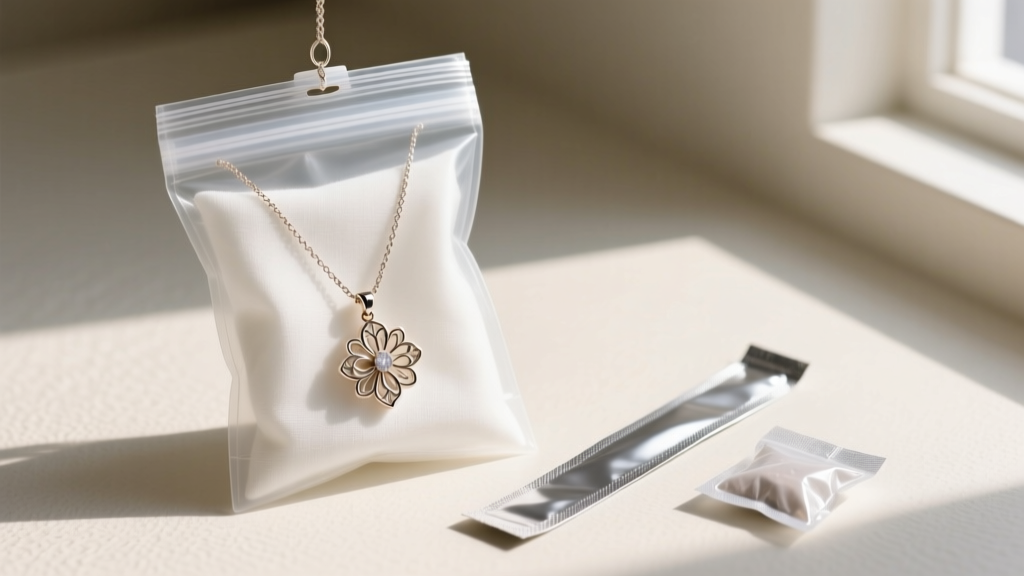
For optimal preservation, utilize polyethylene zip-lock bags (avoid PVC or vinyl, which can off-gas chemicals that stain soft gems). Inside the bag, include two critical components:
- 3M Anti-Tarnish Strips: These strips utilize Intercept Technology, a specially formulated copper-infused polymer that neutralizes corrosive gases in the micro-environment of the bag. They must be replaced every 6 months.
- Silica Gel Packets: A small, 2-gram silica desiccant packet will absorb ambient moisture trapped inside the bag when sealed. Ensure the silica packet does not directly touch any pearls, as extreme localized dryness can cause the pearl's conchiolin to crack.
Finally, store the bags in a dark drawer. Prolonged exposure to ultraviolet (UV) light will cause the pink hues in rose quartz and morganite to fade permanently over time.
When to Seek Professional Restoration
Even with meticulous care, the gold vermeil on high-friction areas (such as the clasp and the back of the pendant) will eventually wear away, revealing the darkened sterling silver beneath. Do not attempt to polish this dark tarnish with silver polish, as you will only remove more of the surrounding gold. When the base metal becomes visible, it is time to consult a professional bench jeweler for electroplating restoration. A jeweler can carefully strip the remaining compromised gold, polish the silver base, and re-plate the piece with a fresh 2.5 to 3.0-micron layer of 18k gold. Expect to pay between $45 and $85 for this specialized service, a worthwhile investment to preserve the intricate detailing and romantic aesthetic of your favorite floral pendant.


