The Ultimate Beginner's Guide to the Fight Necklace
Discover how to choose, size, and style a rugged fight necklace. Learn about sweat-resistant metals, chain gauges, and streetwear layering techniques.


What Exactly is a Fight Necklace?
In the evolving landscape of men's streetwear and athletic fashion, the fight necklace has emerged as a dominant staple. Unlike traditional fine jewelry, a fight necklace is defined by its rugged construction, combat-inspired motifs, and unapologetic weight. Whether you are stepping out of the gym, hitting the streets, or simply embracing a harder-edged aesthetic, these pieces are designed to project resilience and strength.
Common motifs include boxing gloves, knuckle dusters, barbed wire chokers, MMA octagon fence patterns, and bold 'FIGHT' script typography. However, wearing a heavy, aggressive piece of jewelry requires an understanding of material science and structural integrity. A poorly chosen chain will snap under the weight of a solid steel pendant, and the wrong metal will corrode rapidly when exposed to gym sweat. This guide breaks down exactly how to select, size, and style a fight necklace that lasts a lifetime.
Material Science: Surviving Sweat and Friction
The most critical mistake beginners make is buying a fight necklace made from cheap zinc alloys or standard sterling silver. High-sodium sweat is highly corrosive. According to the Gemological Institute of America (GIA), porous metals and low-karat golds will quickly tarnish, oxidize, or cause severe contact dermatitis when subjected to daily friction and moisture.
If you plan to wear your necklace during workouts or in hot climates, you must prioritize marine-grade metals. Below is a breakdown of the best materials for combat-inspired jewelry.
| Material | Grade | Sweat Resistance | Weight Profile | Price Range |
|---|---|---|---|---|
| Stainless Steel | 316L (Marine) | Excellent | Heavy | $40 - $120 |
| Titanium | Grade 23 (Ti-6Al-4V) | Flawless | Ultra-Light | $80 - $250 |
| Tungsten Carbide | YG8 Binder | Flawless | Extremely Heavy | $60 - $150 |
| Sterling Silver | 925 w/ Rhodium | Poor (Needs Coating) | Medium | $100 - $400 |
The PVD vs. Electroplating Reality
Many fight necklaces feature black, gunmetal, or gold finishes. Beginners often buy electroplated brass, only to watch the finish flake off within weeks. Always look for PVD (Physical Vapor Deposition) coating. PVD is applied in a vacuum chamber, bonding titanium nitride to the steel at a molecular level. It is completely impervious to salt water, sweat, and UV exposure, ensuring your blackened steel dog tags or gold-dipped knuckle pendants never peel.
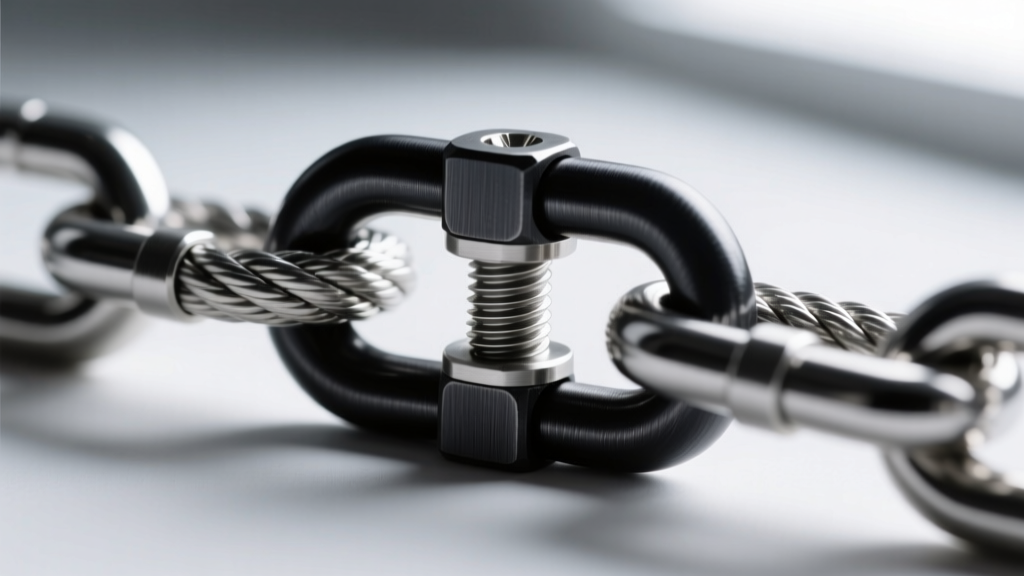
Chain Gauges, Widths, and Clasp Failure Modes
A fight necklace is only as strong as its weakest link—literally. The chain gauge (thickness) and clasp mechanism must be matched to the weight of the pendant.
Choosing the Right Chain Width
- 3mm - 5mm (Box or Rope Chain): Ideal for holding heavy pendants (30g+). The thinner profile keeps the focus on the pendant while providing immense tensile strength.
- 6mm - 8mm (Cuban Link): The sweet spot for standalone statement pieces. Thick enough to be noticed over a crewneck tee, but not so heavy that it causes neck fatigue.
- 10mm - 14mm (Iced or Solid Cuban): Reserved for maximalist streetwear. These are standalone pieces and rarely hold pendants due to the sheer weight of the chain itself.
Clasp Failure Modes
Never use a standard lobster clasp for a heavy fight pendant. The spring-loaded wire inside a lobster clasp will warp under the constant pendulum motion of a 50-gram steel pendant, eventually snapping open and dropping your jewelry. Instead, opt for a Box Clasp with a Figure-8 Safety Latch or a Screw-in Barrel Clasp. These mechanisms distribute the tensile load across the entire metal housing rather than relying on a tiny internal spring.
Sizing and Neckline Pairings
The visual impact of a fight necklace changes drastically depending on where it sits on the chest. According to style frameworks outlined by GQ's Men's Jewelry Guide, matching the chain length to your neckline is essential for avoiding a costumey look.
- 18 Inches (Choker/Collar): Sits tightly at the base of the neck. Best for thin barbed wire chokers or minimal chains. Avoid heavy pendants here, as they will choke you and rub against the collarbone.
- 20 Inches (Collarbone): The most versatile length. A 20-inch rope chain with a small boxing glove or sword pendant rests perfectly just below the collarbone, visible above standard crewneck t-shirts.
- 22 to 24 Inches (Mid-Chest/Sternum): The ultimate length for hoodies, open flannels, and deep V-necks. A heavy 'FIGHT' script pendant or large dog tags should hang at the sternum to anchor the outfit visually.
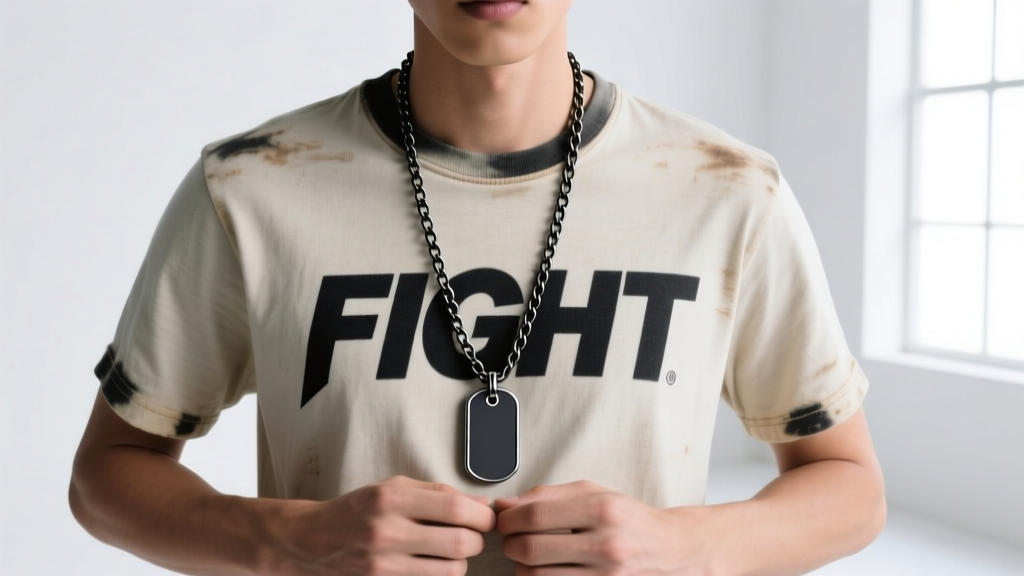
The Layering Framework for Streetwear
Layering combat-inspired jewelry requires restraint. The goal is to build a rugged aesthetic, not look like a walking pawn shop. Follow the Rule of Two when layering fight necklaces:
- Vary the Lengths by 3-4 Inches: If your base chain is 20 inches, your secondary chain must be at least 24 inches. This prevents the clasps and links from tangling and grinding against each other, which causes micro-scratches.
- Contrast the Weaves: Never layer two Cuban links. Pair a smooth, reflective 20-inch Box chain with a matte, textured 24-inch Rope chain. The contrast in light reflection adds depth to the outfit.
- Balance the Weight: If the 24-inch chain holds a massive, intricate pendant, the 20-inch chain should be a simple, unadorned steel cable or box link. Let one piece be the protagonist.
Maintenance and Troubleshooting
Even marine-grade 316L stainless steel and Grade 23 Titanium can accumulate dead skin cells, sebum, and gym chalk in the crevices of the links. This buildup dulls the metal and can cause localized skin irritation.
The Ultrasonic Method: Once a month, drop your fight necklace into an ultrasonic jewelry cleaner filled with warm water and a few drops of mild dish soap. The high-frequency sound waves will dislodge debris from the tightest link gaps without scratching the PVD coating. Avoid harsh chemical dips or bleach, which can permanently cloud the finish of tungsten and titanium alloys.
By prioritizing structural integrity, sweat-resistant metallurgy, and intentional styling, your fight necklace will transition from a fleeting trend into a permanent, rugged cornerstone of your daily wardrobe. For more insights on maintaining active-lifestyle jewelry, refer to the care guidelines provided by Men's Health Style to ensure your pieces remain as resilient as the mindset they represent.


