A Beginner's Guide to Choosing a Genuine Necklace Coral
Learn how to identify, buy, and care for a genuine necklace coral. Discover ethical sourcing, types, and pricing in this beginner-friendly guide.

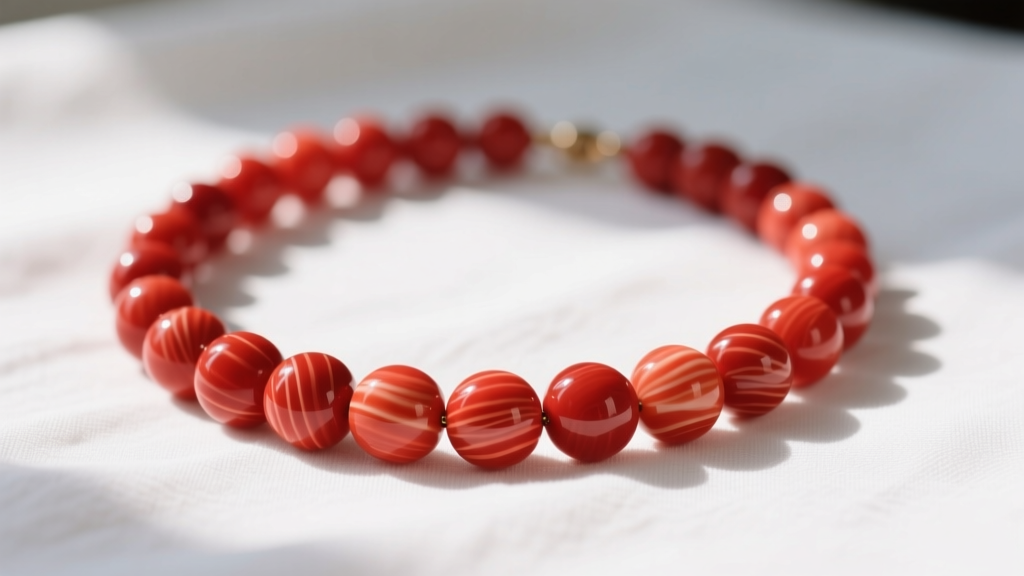
When you begin exploring the world of organic gemstones, few materials carry the historical weight and vibrant allure of coral. Unlike mined minerals pulled from the earth, a necklace coral is born from living marine organisms. For centuries, these organic gems have been carved into cameos, polished into beads, and set into pendants. However, navigating the modern coral jewelry market requires a solid understanding of gemology, ethical sourcing, and proper care.
This beginner-friendly explainer will walk you through everything you need to know before purchasing your first coral necklace, from identifying genuine specimens to understanding the critical sustainability factors shaping the industry today.
What Exactly is a Coral Necklace?
Coral is an organic gemstone, meaning it is created by a biological process rather than a geological one. Specifically, precious coral is the hardened calcium carbonate skeleton secreted by marine polyps. According to the Gemological Institute of America (GIA), coral shares its organic classification with pearls and amber, but it possesses a unique set of physical properties.
- Chemical Composition: Calcium carbonate (CaCO3)
- Mohs Hardness: 3.5 to 4.0 (relatively soft and easily scratched)
- Specific Gravity: 2.60 to 2.70
- Refractive Index: 1.48 to 1.65
Because of its low hardness and sensitivity to acids, coral requires much more careful handling than traditional silicate gems like quartz or beryl. Understanding these baseline metrics is your first step toward becoming an informed buyer.
The 4 Main Types of Coral Used in Jewelry
Not all coral is created equal. The market is flooded with different varieties, and the price disparity between them is massive. Here is a breakdown of the four most common types you will encounter when shopping for a necklace coral.
| Coral Type | Scientific Name | Natural Color | Hardness (Mohs) | Avg. Price Range (Strand) | Sustainability Status |
|---|---|---|---|---|---|
| Precious Red | Corallium rubrum / japonicum | Deep Ox-blood to Salmon | 3.5 - 4.0 | $800 - $5,000+ | Highly Restricted (CITES) |
| Bamboo Coral | Keratoisis | Naturally White/Grey | 3.0 - 3.5 | $40 - $150 | Less Restricted, Often Dyed |
| Sponge Coral | Porites | Yellowish-Brown | 3.0 | $50 - $200 | Stabilized with Resin |
| Fossilized (Agatized) | N/A (Extinct) | Varied (Earth tones) | 6.5 - 7.0 | $100 - $400 | Highly Sustainable |
As a beginner, it is vital to recognize that Bamboo coral is almost universally dyed red to mimic the highly prized Corallium rubrum. While bamboo coral is a beautiful and affordable organic gem, it should be sold and priced as such, not as "precious red coral."
Genuine vs. Dyed vs. Simulated: How to Tell the Difference
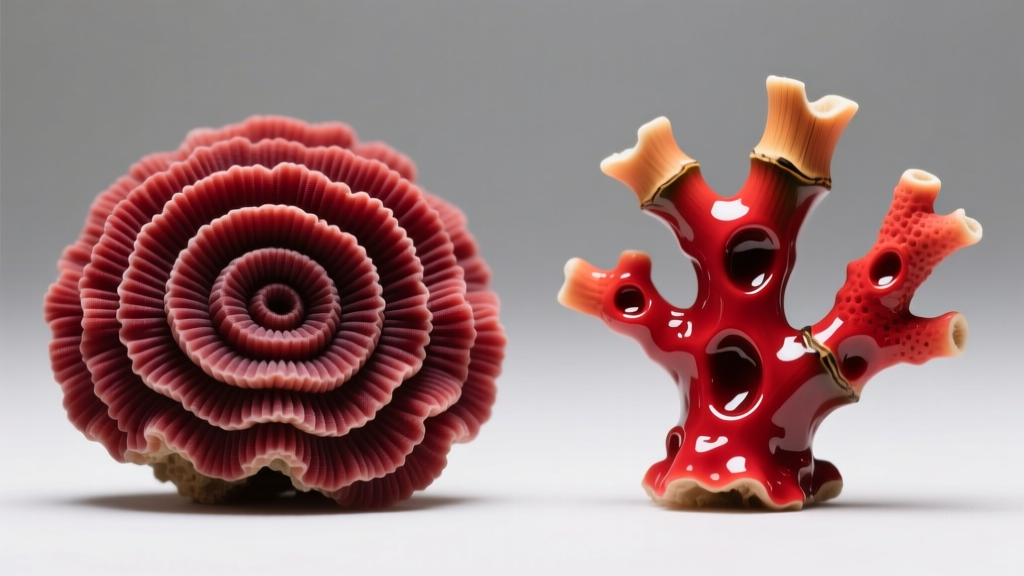
The most common pitfall for beginners is overpaying for dyed or simulated coral. Because genuine precious red coral is rare and expensive, manufacturers have developed numerous ways to replicate its appearance. Here are three practical tests you can use to evaluate a necklace coral.
1. The Magnification Test
Using a 10x jeweler's loupe, examine the surface of the beads. Genuine precious coral will reveal fine, concentric growth rings and subtle longitudinal striations, much like the grain in wood. If the material is completely uniform or contains bubbles, it is likely glass or plastic.
2. The Dye Concentration Check
If you are looking at a red coral necklace, inspect the drill holes and any natural surface pits. In dyed coral (usually bamboo or sponge), the dye will pool and concentrate heavily in these crevices, creating dark red or purple spots. Genuine precious red coral has a uniform color distribution throughout its structure.
3. The Acetone Swab Test
If the seller permits, dip a cotton swab in pure acetone (nail polish remover) and gently rub an inconspicuous area of the bead. If the swab turns red, the coral has been artificially dyed. Genuine precious coral will not release color.
Gemologist's Tip: Never use the "tooth test" or scratch tests on a finished necklace coral. While genuine coral feels slightly gritty against the teeth compared to smooth glass, applying pressure can permanently damage the polish or crack the bead, especially on softer sponge varieties.
The Ethics and Sustainability of Coral Sourcing
You cannot discuss buying a necklace coral today without addressing environmental ethics. Coral reefs are vital, fragile marine ecosystems. The Smithsonian National Museum of Natural History emphasizes the critical role coral plays in supporting marine biodiversity. Overharvesting for the jewelry trade has historically devastated deep-sea coral beds.
Today, the trade of many coral species is strictly regulated under CITES (Convention on International Trade in Endangered Species). Corallium rubrum (Mediterranean red coral) and several Pacific species are heavily monitored, and importing them without proper documentation is illegal in many countries.
The Sustainable Alternatives
If you want the beauty of coral without the environmental guilt, consider these ethical pathways:
- Vintage and Estate Jewelry: Purchasing antique coral necklaces (pre-1970s) recycles existing materials and ensures no new harvesting occurs.
- Fossilized (Agatized) Coral: This is ancient coral that has been replaced by silica over millions of years. It is mined from the earth, not harvested from the ocean, making it a highly sustainable and durable alternative (Mohs 7.0).
- Tagua Nut or Carnelian: For the aesthetic of red or orange beads without the organic origin, carved carnelian or dyed tagua nuts offer beautiful, eco-friendly substitutes.
Pricing Guide: What Should You Expect to Pay?
Pricing a necklace coral depends entirely on the species, the origin, and the quality of the craftsmanship. Here is a realistic pricing framework for the current market:
- Dyed Bamboo Coral (8mm - 12mm beads): $40 to $120. Excellent for everyday, budget-friendly bohemian styles.
- Stabilized Sponge Coral Pendants: $75 to $250. Often set in sterling silver, featuring intricate carvings.
- Genuine Mediterranean Red Coral (Antique/Vintage): $1,500 to $8,000+. Prices scale exponentially with bead size and the depth of the "ox-blood" color.
- Genuine Deep-Sea Japanese Coral (Momoiro): $2,000 to $10,000+. Prized for its delicate, uniform salmon-pink hue.
Red Flag Warning: If you see a strand of 10mm "ox-blood red" coral beads selling for $150, it is almost certainly dyed bamboo coral or glass. Genuine precious red coral of that size would cost thousands of dollars.
Daily Care and Maintenance for Organic Gems
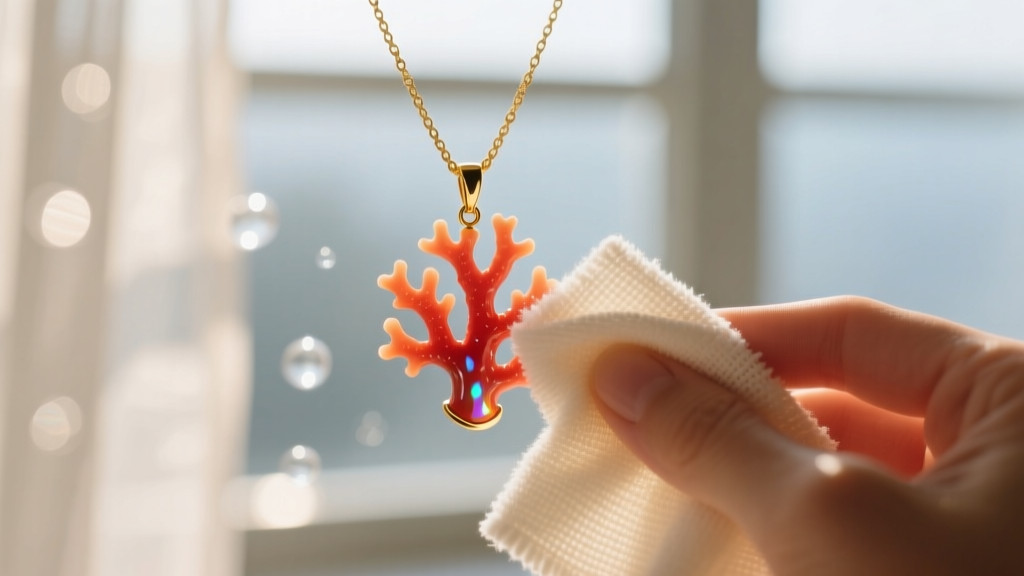
Because coral is composed of calcium carbonate, it is highly reactive to acids. This makes daily care a non-negotiable aspect of owning a necklace coral. Human sweat, perfumes, hairsprays, and even citrus juices can etch the surface, leaving permanent dull spots.
The Golden Rules of Coral Care
- Last On, First Off: Always put your coral necklace on after applying cosmetics, perfumes, and hairspray. Take it off immediately when you get home.
- Wipe After Wearing: Use a soft, slightly damp microfiber cloth to gently wipe the beads after every wear to remove acidic skin oils.
- Never Use Ultrasonic Cleaners: The high-frequency vibrations and harsh chemical baths used in ultrasonic and steam cleaners will destroy the polish and potentially shatter the beads.
- Store Separately: With a Mohs hardness of 3.5, coral will easily scratch if tossed in a jewelry box with diamonds, sapphires, or even quartz. Store it in a soft velvet pouch.
Restringing Your Coral Strand
If you own a beaded coral necklace, the silk thread will stretch and degrade over time due to the weight of the beads and exposure to skin oils. As a general rule, have your necklace professionally restrung and knotted every 2 to 3 years if worn regularly. Knotting between each bead is essential; it prevents the beads from rubbing against one another and ensures you don't lose the entire strand if the silk snaps.
Final Thoughts for the Beginner Buyer
Choosing your first necklace coral is an exciting entry into the world of organic gemology. By understanding the differences between precious, bamboo, and fossilized varieties, you can make a purchase that aligns with both your budget and your ethical standards. Always buy from reputable dealers who provide full transparency regarding the species and origin of the coral, and remember that proper care will ensure your organic treasure remains vibrant for generations to come.


