Exploring Gold Small Necklace Designs: A Beginner's Guide
Discover the best gold small necklace designs for everyday wear. Learn about karats, chain types, and styling tips in this beginner-friendly guide.

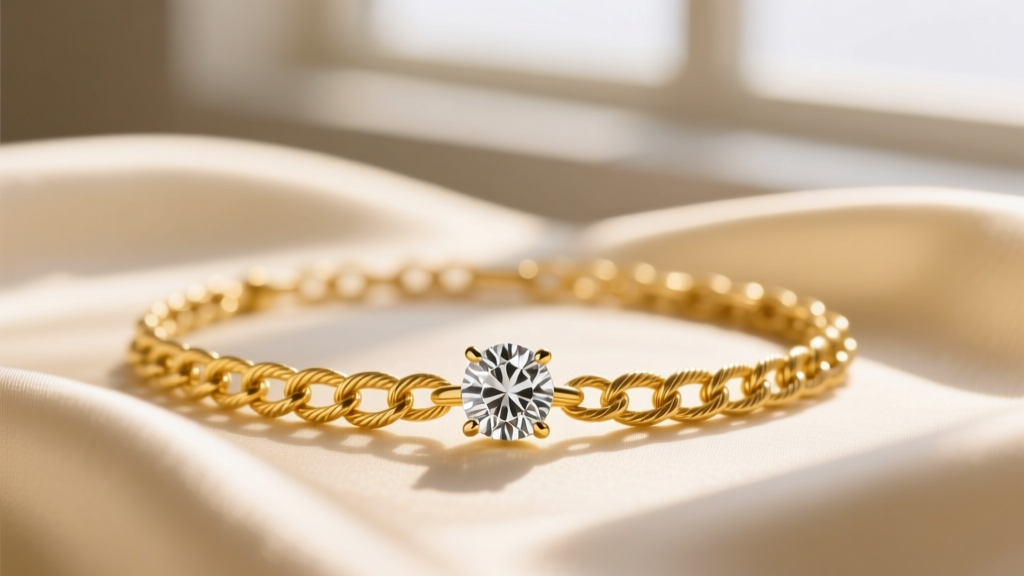
The Rise of the Dainty Necklace
When building a foundational jewelry wardrobe, gold small necklace designs are the undisputed starting point. Often referred to as 'dainty' or 'petite' necklaces, these pieces sit flush against the collarbone, offering a subtle shimmer that works for both boardroom meetings and weekend brunches. However, the sheer volume of options on the market can overwhelm newcomers. What is the difference between a cable chain and a box chain? Why do some thin chains snap while others last a lifetime? In this comprehensive beginner's guide, we will decode the anatomy, metallurgy, and styling mechanics of petite gold necklaces so you can invest in pieces that endure.
The Anatomy of a Petite Gold Chain
The durability of gold small necklace designs relies entirely on their structural anatomy. Unlike statement pieces, dainty necklaces operate on a micro-scale where fractions of a millimeter dictate their lifespan.
Understanding Gauge and Thickness
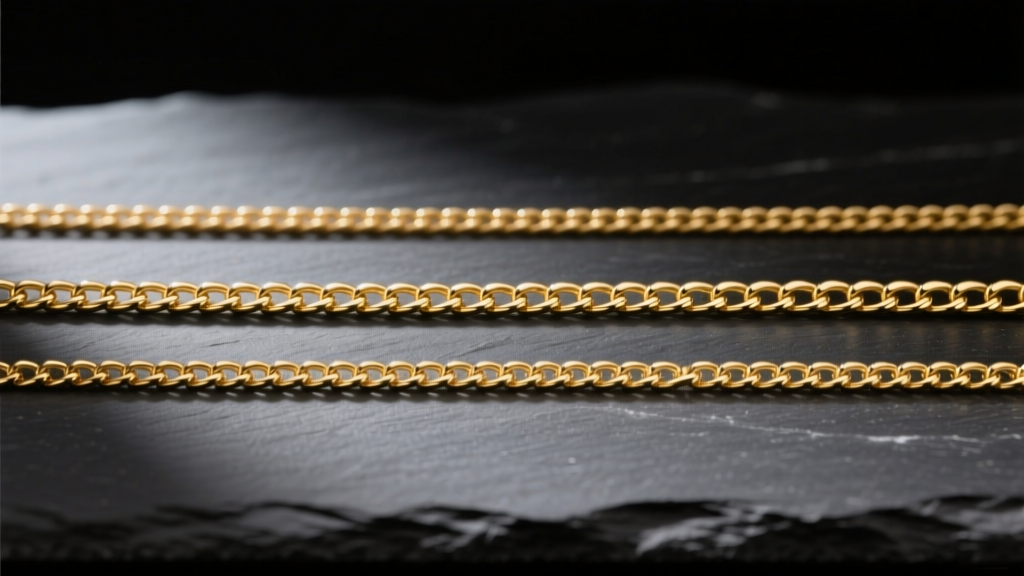
Chain thickness is measured in millimeters (mm). For small necklace designs, you will typically encounter three tiers:
- Ultra-Fine (0.4mm - 0.6mm): Highly delicate. These chains are prone to kinking and can snap under minimal tension (often less than 2 lbs of pressure). They are best reserved for lightweight, tiny pendants and should be removed before sleeping.
- The Sweet Spot (0.7mm - 0.9mm): The industry standard for everyday dainty chains. A 0.8mm cable or box chain offers the perfect balance of visibility and tensile strength, easily supporting small gemstone pendants without stretching.
- Statement Dainty (1.0mm - 1.2mm): Thicker and more robust. These provide a modern, slightly heavier look while remaining classified as 'small' or 'minimalist' designs.
The Clasp Conundrum
Many mass-market jewelers cut costs by equipping fine chains with 4mm spring ring clasps. These are notoriously difficult to fasten and feature weak internal springs that fail over time. Pro Tip: When shopping for gold small necklace designs, look for brands that utilize a 5mm or 6mm lobster clasp. Alternatively, consider having a local jeweler swap the clasp for a magnetic neodymium closure, which is a game-changer for accessibility and security.
Decoding Gold Purity for Delicate Jewelry
Gold purity, measured in karats (k), fundamentally changes how a small necklace behaves. According to the Gemological Institute of America (GIA), pure gold is incredibly soft. Therefore, it must be alloyed with metals like copper, silver, or zinc to create a durable chain. Here is how the most common karats perform in petite designs:
| Karat | Gold Content | Durability | Color Profile | Best Use Case |
|---|---|---|---|---|
| 10k Gold | 41.7% | Extremely High | Pale, slightly washed out yellow | Budget-friendly chains, high-friction wear |
| 14k Gold | 58.5% | High | Warm, classic yellow | The ultimate standard for everyday dainty pendants |
| 18k Gold | 75.0% | Moderate | Rich, deep buttery yellow | Heirloom pieces, special occasion layering |
| 24k Gold | 99.9% | Very Low | Intense, bright orange-yellow | Avoid for thin chains; will stretch and snap |
Expert Insight: Never purchase a 22k or 24k gold chain under 1.5mm in thickness. The high purity makes the metal too malleable; a simple tug on the pendant will permanently elongate the links, eventually causing the chain to break.
Top 5 Gold Small Necklace Designs for Beginners
If you are curating your first collection of fine jewelry, these five foundational designs offer the most versatility and longevity.
1. The Bezel-Set Solitaire
Instead of traditional prongs that can snag on knitwear, a bezel setting encircles the gemstone (usually a diamond or sapphire) in a thin rim of gold. This design protects the stone's girdle and creates a smooth, modern silhouette. Expect to pay between $250 and $600 for a 14k solid gold bezel pendant with a 0.10ct diamond.
2. The Minimalist Gold Bar
A horizontal or vertical gold bar pendant is a masterclass in geometric minimalism. Look for bars that are cast rather than stamped; cast bars have a satisfying weight and rounded edges that won't scratch your skin. A 15mm x 3mm 14k gold bar pendant is the ideal proportion for a 16-inch chain.
3. The Tiny Coin or Medal
Drawing inspiration from vintage French and Italian medals, modern micro-coins (usually 8mm to 10mm in diameter) feature engraved motifs like stars, initials, or celestial maps. They add a touch of antique romance to an otherwise simple cable chain.
4. The Micro-Station Necklace
Station necklaces feature small gemstones or gold beads spaced evenly along the chain. For a beginner-friendly, subtle look, opt for a 'micro' station design where 2mm stones are spaced 3 inches apart. This provides a scattered diamond effect without the overwhelming sparkle of a tennis necklace.
5. The Birthstone Chip
Raw or lightly polished gemstone 'chips' set in a simple gold bezel offer a personalized, organic aesthetic. Because the stones are uncut, they are less expensive than faceted gems, allowing you to invest more in a higher-quality 14k or 18k gold chain.
Sizing and Length: The Art of Placement
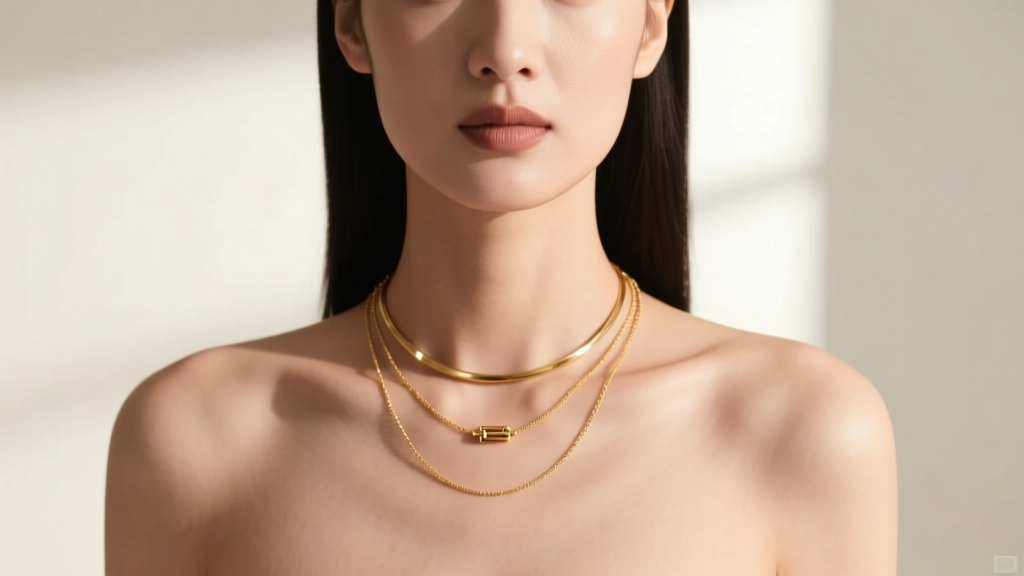
The impact of gold small necklace designs is heavily dictated by their length. Understanding where the chain sits on your décolletage is crucial for both solo wear and layering.
- 14 Inches (The Choker): Sits tightly above the collarbone. Best for ultra-thin chains without pendants, or for pairing with deep V-necklines.
- 16 Inches (The Standard): Rests perfectly on the collarbone. This is the most universally flattering length for small pendants and the foundational layer in any stacking combination.
- 18 Inches (The Drop): Falls just below the collarbone, near the top of the sternum. Ideal for slightly larger pendants or for wearing over crewneck t-shirts and lightweight sweaters.
Buying Advice: Always prioritize necklaces that include a 2-inch extender chain. This small addition of jump rings allows you to adjust the necklace between 16 and 18 inches, providing vital flexibility for different necklines and layering configurations.
Care, Maintenance, and Failure Prevention
Petite gold chains require specific maintenance protocols. Because the links are microscopic, they trap sebum, lotions, and dead skin cells, which can dull the gold and weaken the structural integrity of the chain over time.
According to Jewelers of America, the safest way to clean small gold necklace designs at home is by soaking them in a bowl of warm water mixed with a few drops of mild, phosphate-free dish soap for 15 minutes. Gently agitate the chain using a baby toothbrush with ultra-soft bristles, rinse under lukewarm water, and pat dry with a microfiber cloth.
Crucial Warning: Never place a dainty necklace with gemstones into an ultrasonic cleaner. The high-frequency vibrations can easily shake small diamonds or sapphires out of their delicate micro-prong or bezel settings, resulting in lost stones. Furthermore, always unclasp your necklace and lay it flat in a jewelry box when not in use; hanging thin chains or tossing them into a drawer guarantees a frustrating tangle that can stretch the links when pulled apart.


