How to Fix a Sideways Cross Necklace: Flipping & Tangling
Is your sideways cross necklace constantly flipping or tangling? Discover expert troubleshooting tips, chain pairings, and bail fixes to keep it perfect.

The Anatomy of a Sideways Cross: Why It Misbehaves
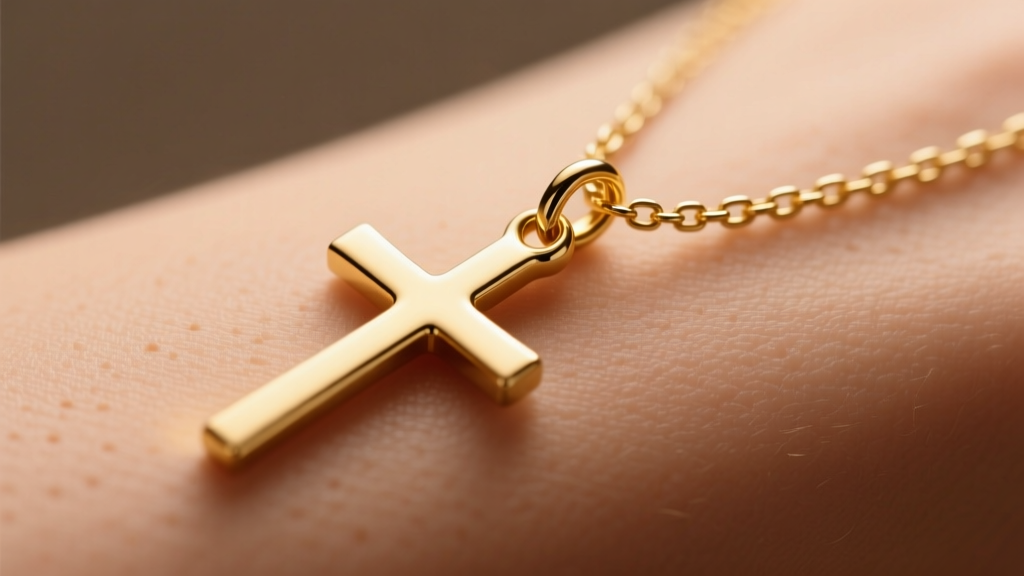
The sideways cross necklace has cemented itself as a staple of modern minimalist jewelry, offering a contemporary, subtle take on traditional faith-based and geometric motifs. However, anyone who has worn one for more than a few hours knows the inherent frustration: the pendant flips over, the chain twists into a tangled mess, and the cross rarely stays perfectly centered. To solve these issues, we first have to understand the physics of the design. Unlike a traditional vertical crucifix, which hangs from a single top loop and relies on gravity to pull it straight down along the Y-axis, a sideways cross is oriented horizontally along the X-axis. This shifted center of gravity means the pendant is highly susceptible to Z-axis rotation (flipping forward and backward) and lateral sliding. When paired with the wrong chain or a poorly engineered bail, the necklace becomes a constant source of annoyance. Fortunately, with a few targeted adjustments and an understanding of jewelry findings, you can permanently troubleshoot these structural flaws.
Troubleshooting Problem #1: The Pendant Keeps Flipping Over
The most common complaint regarding horizontal pendants is that they constantly flip to show their flat, unpolished back. This happens because a standard single bail acts as a pivot point. When the chain moves, the horizontal weight distribution causes the pendant to swing forward or backward.
The Double-Bail Solution
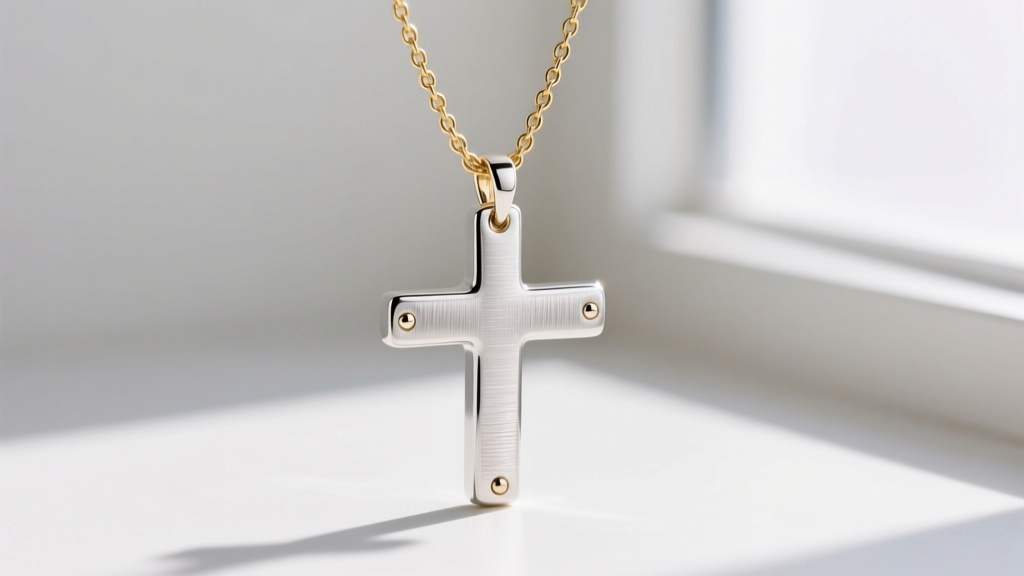
The most permanent, professional fix for a flipping sideways cross is converting it to a double-bail system. By attaching two separate loops (bails) to the top edge of the cross—typically spaced about 4mm to 6mm apart—you lock the pendant's Z-axis rotation. The chain must pass through both bails, making it physically impossible for the cross to flip forward. If you are working with a jeweler, ask them to solder two 3mm or 4mm sterling silver or 14k gold bails directly to the top horizontal bar. If you are attempting a DIY repair on a piece with pre-drilled holes, use two 20-gauge jump rings (approximately 4mm in outer diameter) to create a makeshift double-bail anchor. Ensure the jump rings are snipped closed with flush cutters so they do not catch on your clothing.
Adding a Silicone O-Ring Stopper
If your sideways cross flips primarily when it slides down into the dip of your collarbone, the issue is lateral movement, not just the bail. When the pendant slides off-center, the chain pulls at an angle, forcing the cross to rotate. You can solve this by applying tiny, transparent silicone O-rings (often sold as bead stoppers or earring backs) onto the chain on either side of the bail. Using O-rings with a 1.5mm inner diameter will grip a standard 1.2mm chain tightly, creating an invisible barrier that keeps the cross perfectly centered on your chest, thereby preventing the angled pulling that leads to flipping.
Troubleshooting Problem #2: Chain Twisting and Tangles
Horizontal pendants create unique friction points. Because the bail sits parallel to the ground, it rubs against the chain links differently than a vertical pendant. If you are using a snake chain or a delicate cable chain, the friction will inevitably cause the chain to twist, kink, and tangle behind your neck. The solution lies in selecting a chain with high structural rigidity and low surface friction.
| Chain Type | Ideal Thickness | Twist Resistance | Verdict for Sideways Cross |
|---|---|---|---|
| Box Chain | 1.2mm - 1.5mm | Excellent | Best overall. The square, interlocking links lay flat and resist twisting, providing a stable track for horizontal bails. |
| Cable Chain | 1.0mm - 1.2mm | Poor | Avoid. The oval links easily rotate and tangle when subjected to the lateral drag of a sideways cross. |
| Snake Chain | 1.5mm+ | Moderate | Risky. While smooth, snake chains are prone to permanent kinking if the heavy horizontal pendant bends them at a sharp angle. |
| Rope Chain | 1.5mm - 2.0mm | Good | Great for heavier crosses. The twisted links hide minor rotations well, though the textured surface can wear down soft metal bails over time. |
For lightweight sideways crosses (under 3 grams), a 1.2mm box chain is the gold standard. For heavier, gemstone-encrusted, or solid platinum pieces, upgrade to a 1.5mm or 2.0mm rope chain to support the horizontal weight without stretching the links.
Troubleshooting Problem #3: Crooked Alignment and Sliding
Even if your cross does not flip, it may sit crookedly, with one arm dipping lower than the other. This occurs when the hole drilled into the pendant or the soldered bail is not perfectly aligned with the cross's true center of mass. If the bail is off by even a millimeter, gravity will pull the heavier side down, resulting in a tilted look. To fix a tilted sideways cross with a fixed bail, a jeweler can carefully file the inside of the bail hole to shift the chain's resting point, or add a tiny drop of clear jeweler's epoxy to the inside of the bail to create a new, leveled resting groove. For sliding issues on a chain that is too long, simply use a silicone stopper as mentioned above, or invest in a chain shortener clasp to bring the necklace up to a 16-inch choker length, where the natural curve of the neck holds the horizontal pendant more securely in place.

Material Upgrades: Preventing Tarnish and Skin Irritation
Many sideways crosses on the market are produced as fast-fashion accessories, cast from zinc or brass alloys and finished with a microscopically thin layer of flash plating. Because the horizontal bail experiences constant friction against the chain, this plating wears off rapidly, exposing the base metal. This not only leads to unsightly tarnishing but also causes contact dermatitis and green skin discoloration due to nickel and copper exposure. According to the FTC Jewelry Guides, manufacturers must adhere to strict guidelines regarding metal stamping and nickel release, yet many imported fashion pieces bypass these regulations. To avoid this, always inspect the hallmark. Look for '14K', '18K', '925' (sterling silver), or '316L' (surgical stainless steel). If you are investing in a daily-wear sideways cross, solid 14k gold or platinum is highly recommended. The Gemological Institute of America (GIA) notes that 14k gold offers the perfect balance of purity and tensile strength, ensuring the bail will not warp or wear through from the friction of a horizontal hang. If you must wear a silver piece, ensure it is rhodium-plated to prevent the sulfur-induced tarnish that plagues sterling silver.
Quick Diagnostic Checklist
Before taking your necklace to a professional jeweler, run through this quick diagnostic checklist to identify the exact point of failure:
- The Flip Test: Hold the chain taut. Does the cross swing freely like a pendulum? If yes, you need a double-bail or a silicone O-ring stopper.
- The Tilt Test: Lay the necklace flat on a table. Does the cross sit perfectly parallel to the chain, or does one arm point toward the clasp? If it tilts, the bail is off-center and requires filing or epoxy leveling.
- The Friction Test: Examine the inside of the bail loop with a jeweler's loupe. Is there a deep groove or visible base metal showing through? If yes, the chain is too abrasive for the bail material; switch to a smoother box chain or have the bail re-tipped by a jeweler.
- The Length Check: Sideways crosses perform best at 16 to 18 inches. If your chain is 20 inches or longer, the pendant will catch on clothing and flip. Use a silicone adjuster to shorten the drop.
By addressing the specific mechanical failures of horizontal pendants, you can transform your sideways cross necklace from a frustrating fidget into a flawless, everyday staple that sits perfectly against your collarbone.


