Beginner's Guide to Choosing the Perfect Heart Shape Necklace
Discover how to choose, size, and style your first heart shape necklace. Learn metal grades, chain pairings, and expert buying tips.

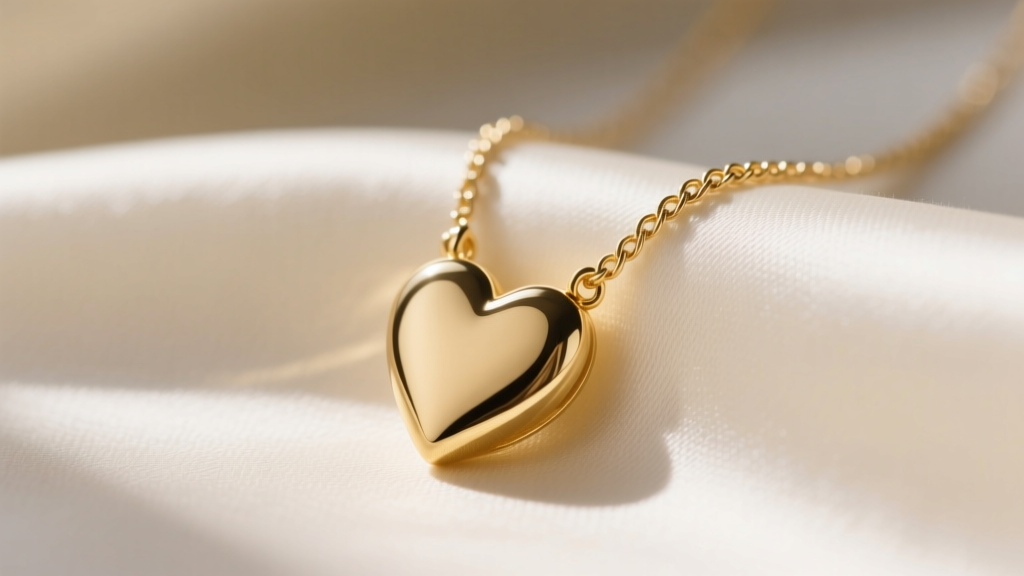
Why the Heart Shape Necklace Remains a Timeless Staple
The heart shape necklace is arguably the most recognizable motif in jewelry history. Unlike fleeting micro-trends that fade after a single season, the heart pendant has maintained its cultural and aesthetic relevance for centuries. For beginners stepping into the world of fine or demi-fine jewelry, a heart shape necklace serves as the perfect entry point. It is versatile enough for daily wear, meaningful enough for gifting, and structurally simple enough to teach you the fundamentals of jewelry buying.
However, the market is flooded with poorly constructed pieces that tarnish, break, or cause skin irritation within weeks. This guide strips away the marketing fluff and focuses on the technical specifications, material grades, and structural details you need to know to make a confident, informed purchase in 2026.
Decoding Metals: What Your Beginner Budget Should Buy
The most critical decision when buying your first heart shape necklace is the base metal. Many fast-fashion brands use vague terms like "gold dipped" or "silver-toned," which often translate to brass or nickel alloys that will turn your skin green. According to the Gemological Institute of America (GIA), nickel is the most common cause of contact dermatitis in jewelry wearers, making it imperative to read the fine print regarding metal composition.
Below is a breakdown of the most reliable metals for a beginner's budget, detailing their composition, current market pricing, and longevity.
| Metal Grade | Composition | Price Range | Durability & Care | Best Use Case |
|---|---|---|---|---|
| Sterling Silver (925) | 92.5% Pure Silver, 7.5% Copper | $40 - $90 | High. Will tarnish; requires occasional polishing. | Everyday casual wear |
| Gold Vermeil | 925 Silver base, >2.5µm Gold layer | $80 - $150 | Medium. Avoid water/perfume to preserve the gold layer. | Budget-friendly luxury |
| Solid 14k Gold | 58.3% Pure Gold, alloyed for strength | $250 - $600 | Lifetime. Waterproof, hypoallergenic, won't tarnish. | Heirlooms & daily wear |
| Surgical Steel (316L) | Iron, Chromium, Molybdenum (Nickel-free) | $20 - $50 | Very High. Scratch-resistant and waterproof. | Active lifestyles & gym |
Note: The Federal Trade Commission (FTC) strictly regulates the term "vermeil." To be legally sold as vermeil, the piece must have a sterling silver base and a gold plating of at least 2.5 microns thick. Anything less is standard gold plating, which will wear off rapidly.
Matching the Chain to the Heart Pendant
A common beginner mistake is buying a beautiful heart pendant and pairing it with an incompatible chain. The structural bridge between the two is the bail—the small loop at the top of the heart. Most standard heart pendants feature a bail with an inner diameter of 3mm to 5mm.
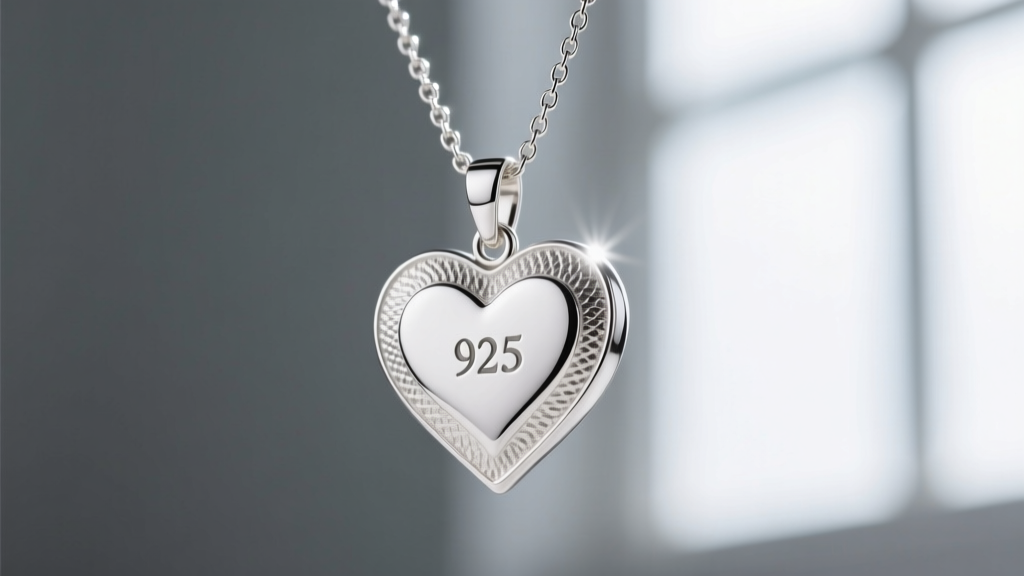
Chain Thickness Guidelines
- 1.0mm - 1.2mm Cable or Box Chains: The gold standard for heart pendants. They slide effortlessly through a standard 4mm bail, offer excellent tensile strength, and do not distract from the pendant itself.
- 1.5mm - 2.0mm Rope or Curb Chains: Too thick for most delicate heart bails. If you prefer a thicker chain, you must ensure the pendant has an oversized, soldered jump-ring bail rather than a traditional integrated loop.
- Snake Chains: While sleek, snake chains are notoriously prone to kinking and bending. Furthermore, their rigid structure often prevents them from bending sharply enough to pass through a small heart bail. Avoid these for pendants.
Sizing and Proportions for Different Necklines
The visual impact of your heart shape necklace depends heavily on its physical dimensions and the length of the chain. A pendant that looks dainty and elegant on a 16-inch chain may look lost and disproportionate on a 22-inch chain. Here is a practical sizing framework to match your pendant to your wardrobe.
The 10mm to 12mm Heart (The Dainty Tier)
Pendants in this size range are subtle and minimalist. They are best suited for 14-inch to 16-inch chains (choker to collarbone length). This size pairs beautifully with V-neck blouses, scoop-neck t-shirts, and layered necklace stacks where the heart acts as the focal point among smaller bead or satellite chains.
The 15mm to 18mm Heart (The Standard Tier)
This is the most versatile size and the industry standard for a classic heart shape necklace. It commands attention without overwhelming the wearer. Opt for an 18-inch chain (the universal standard length that rests just below the collarbone). This size works flawlessly with crew necks, button-down shirts, and off-the-shoulder tops.
The 25mm+ Heart (The Statement Tier)
Larger, chunkier heart pendants are bold and retro-inspired. Because of their weight, they require a sturdier chain (at least 1.5mm thick) and look best on a 20-inch to 24-inch chain, allowing the piece to rest on the upper chest. Wear these over high-neck sweaters, turtlenecks, or plain graphic tees to let the metal contrast against the fabric.
3 Common Beginner Mistakes to Avoid
Even with the right metal and chain, structural oversights can ruin your jewelry experience. Watch out for these three manufacturing red flags when shopping.
1. Ignoring the Clasp Mechanism
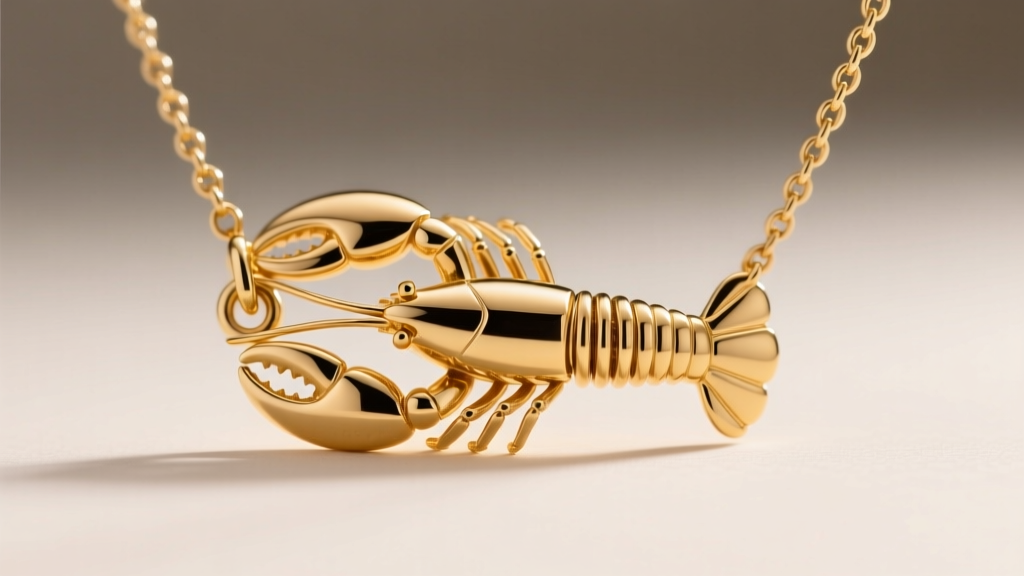
The clasp is the most frequent point of failure on any necklace. Many budget brands use spring ring clasps, which are tiny, difficult to operate with one hand, and prone to internal spring failure. Always look for a lobster clasp. Lobster clasps feature a robust, self-closing trigger mechanism that is significantly more secure and easier to fasten.
2. Buying Hollow-Back Pendants
To save on the cost of precious metals, many manufacturers cast heart pendants with a flat front and a hollowed-out back (often called "semi-solid" or "hollow-back"). While they look identical from the front, hollow-back pendants are highly susceptible to denting if bumped against a hard surface, and they cannot be easily repaired or polished by a jeweler. Always check the product description or macro photos to ensure the pendant is solid cast or at least has a reinforced, thick back plate.
3. Overlooking the Soldered Jump Ring
The jump ring is the tiny circle of wire that connects the clasp to the chain, or the pendant to the bail. If this ring is merely "snapped" shut, it can easily be pulled apart if the necklace snags on clothing. Ensure the jump rings on your heart shape necklace are soldered (fused shut with heat and metal alloy) at least at the clasp connection point to prevent accidental loss.
Final Checklist Before You Checkout
Before you add that heart shape necklace to your cart, run it through this quick expert checklist:
- Is the metal clearly identified? (Look for 925, 14k, or 316L stamps. Avoid "silver-plated" or "gold-toned").
- Is the chain thickness compatible with the bail? (Aim for 1.0mm - 1.2mm for standard pendants).
- Does it feature a lobster clasp and soldered jump rings?
- Is the pendant solid or reinforced? (Avoid hollow-back designs for longevity).
By prioritizing structural integrity and material transparency over fast-fashion aesthetics, your first heart shape necklace will not only elevate your personal style but will also serve as a durable, cherished piece in your jewelry collection for years to come.


