The Beginner’s Guide to Buying a House Amber Necklace
Learn how to choose an authentic house amber necklace. Our beginner-friendly guide covers grading, inclusions, and spotting fakes.

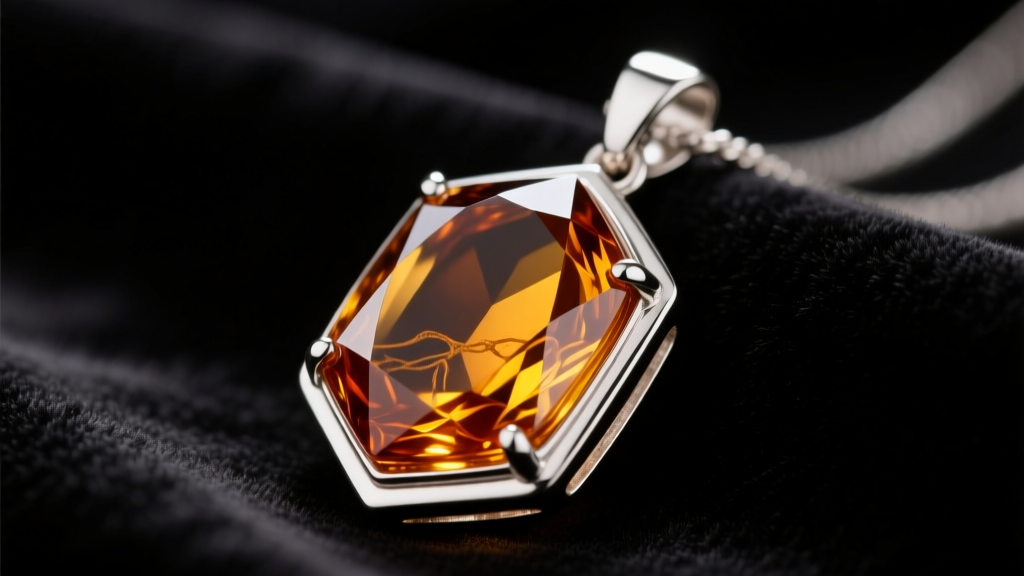
When collectors and jewelry enthusiasts refer to a house amber necklace, they are typically describing a signature, curated amber piece from a reputable jewelry house or heritage brand. Unlike mass-produced, questionable resin beads found in tourist shops, a true house amber necklace represents a commitment to authenticity, premium craftsmanship, and historical reverence. For beginners stepping into the world of organic gemstones, navigating the amber market can feel overwhelming. Between copal imitations, plastic fakes, and heat-treated stones, how do you ensure your investment is genuine?
This comprehensive guide will walk you through the exact gemological markers, grading systems, and structural considerations you need to know before purchasing your first high-end amber pendant.
The Heritage and Appeal of House Amber
Amber is not a stone; it is fossilized tree resin. Most high-end jewelry houses source Baltic amber (Succinite), which formed approximately 44 million years ago during the Eocene epoch. The defining characteristic of genuine Baltic amber is its succinic acid content, which ranges from 3% to 8%. This organic acid is believed to offer subtle therapeutic properties, which is why amber has been prized since the days of the Roman Empire.
A prestigious house amber necklace will almost always feature hand-selected, naturally occurring Baltic or Dominican amber. Dominican amber (Retinite) is slightly younger (15-20 million years old) and is highly sought after for its rare blue fluorescence and exceptional clarity. Reputable houses provide certificates of authenticity detailing the geographic origin and age of the resin.
Authenticity Tests: Spotting Fakes and Copal
The most common deception in the amber market is selling Copal as ancient amber. Copal is immature tree resin that is only hundreds or thousands of years old, not millions. It is softer, melts at lower temperatures, and lacks the deep, complex colors of true fossilized amber. According to the Gemological Institute of America (GIA), there are several non-destructive ways to verify your jewelry.
The Saturated Saltwater Test
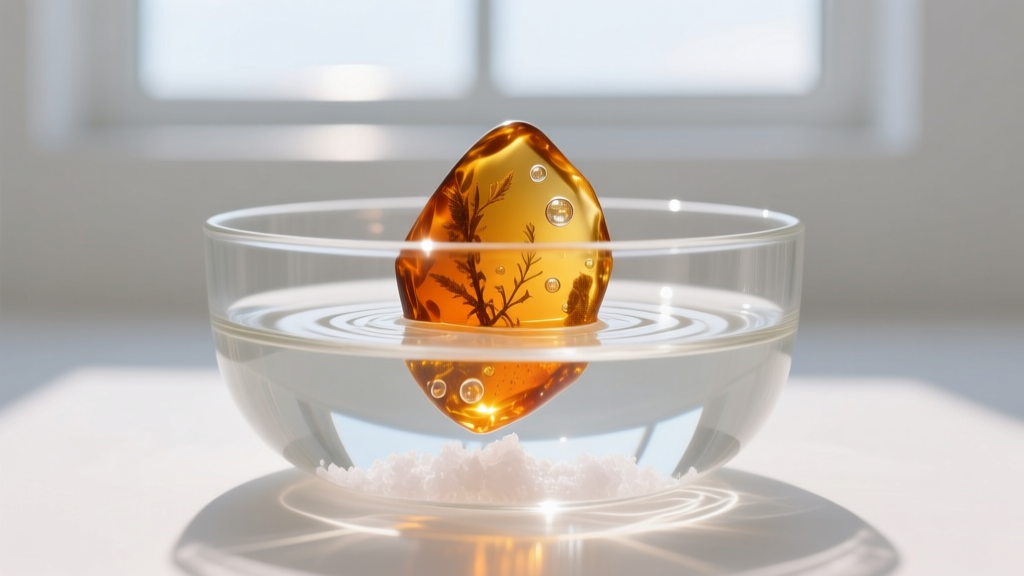
Amber has a specific gravity of 1.05 to 1.09, meaning it is incredibly lightweight. If you mix one part table salt to four parts warm water, genuine amber will float. Copal and plastic imitations will typically sink. Note: This test is only for loose stones or simple bead necklaces; do not submerge sterling silver or gold settings, as saltwater will corrode the metal.
The UV Fluorescence Test
Under a standard ultraviolet (blacklight) flashlight, genuine Baltic amber will fluoresce a pale blue, green, or yellowish-white. Copal tends to show a weaker, chalky white fluorescence, while plastic will not react at all.
The Electrostatic Test
Because amber is an excellent dielectric, rubbing it vigorously against a soft wool cloth for 20 seconds will generate a static charge. The amber should be able to pick up a small piece of torn tissue paper. Plastic and glass will not hold this charge.
Understanding Amber Grading and Inclusions
When browsing a jewelry house's collection, you will notice significant price variations based on the stone's visual characteristics. Amber is graded primarily by its clarity, color, and the presence of prehistoric inclusions.
| Grade / Type | Visual Characteristics | Market Value & Rarity |
|---|---|---|
| Clear (Gem Grade) | Transparent, rich cognac or cherry red. Often heat-treated to remove microscopic bubbles. | High. Classic choice for elegant house amber necklaces. |
| Cloudy / Butterscotch | Opaque, milky yellow or white. Contains millions of microscopic gas bubbles. | Medium-High. Highly prized in its natural, unheated state. |
| Flora Inclusions | Contains prehistoric plant matter, seeds, or bark. | Variable. Depends on the rarity and visibility of the botanical specimen. |
| Fauna (Insect) Inclusions | Contains perfectly preserved insects, spiders, or arachnids. | Very High to Extreme. Museum-grade pieces can fetch thousands of dollars. |
Be wary of "sun spangles"—glittering, lily-pad-shaped internal fractures. While beautiful to some, these are actually stress fractures caused by rapid heating and cooling in an autoclave to clarify cloudy amber. Purist collectors prefer natural, unheated stones.
Selecting the Right Setting and Chain
Amber is remarkably soft, ranking only 2.0 to 2.5 on the Mohs Hardness Scale. For context, a copper penny is a 3.5, and a fingernail is a 2.5. This extreme softness dictates how a house amber necklace must be set and worn.

Bezel vs. Prong Settings
Always opt for a bezel setting (where a rim of metal completely encircles the edge of the stone). Prong settings leave the edges of the amber exposed, making them highly susceptible to chipping if bumped against a table or doorframe. Furthermore, the pressure required to tighten metal prongs can easily crack the fossilized resin.
Chain Weight and Clasp Mechanics
Because amber is so lightweight, pairing it with a heavy, thick chain will cause the pendant to constantly flip backward. Look for delicate but strong chains, such as a 1.0mm to 1.5mm sterling silver rolo or cable chain. Avoid spring-ring clasps, which are difficult to operate and prone to breaking; a small lobster claw clasp offers superior security for your investment.
Sizing and Neckline Pairing
The warmth of amber makes it a versatile accessory, but the length of your necklace will dictate its visual impact. Consult the GIA's care and styling guidelines to ensure your organic gems are protected while being showcased.
- 16-Inch Choker Length: Sits tightly at the base of the neck. Best for smaller, opaque butterscotch amber beads paired with V-neck blouses or off-the-shoulder tops.
- 18-Inch Princess Length: The industry standard for a house amber pendant. Rests perfectly on the collarbone, drawing the eye to the center of the chest. Ideal for crew necks and button-down shirts.
- 20 to 24-Inch Matinee/Opera Length: Allows larger, heavy amber statement pieces to rest over the sternum. Perfect for layering over dark, solid-colored turtlenecks in the autumn and winter months.
Long-Term Care and Maintenance
Owning a house amber necklace requires a strict maintenance protocol to prevent the resin from drying out, crazing (developing surface cracks), or melting.
- Avoid Chemicals: Never spray perfume, hairspray, or sunscreen directly onto your amber. The alcohol and solvents will eat into the surface, leaving a permanent cloudy, white haze.
- No Ultrasonic Cleaners: The high-frequency vibrations of an ultrasonic jewelry cleaner will shatter amber instantly. Steam cleaners will melt it.
- Gentle Wiping: Clean your necklace using only a soft, lint-free microfiber cloth slightly dampened with warm water. Buff it dry immediately.
- Wear It Often: Amber actually benefits from the natural oils of human skin, which keeps the resin polished and prevents it from becoming brittle over time.
Investing in a house amber necklace is an investment in Earth's ancient history. By understanding the gemological markers of true succinite, demanding proper bezel settings, and adhering to strict care protocols, your organic gemstone will remain a radiant, golden heirloom for generations to come.


