The Beginner Guide to Major League Baseball Necklaces
Discover everything about major league baseball necklaces, from dugout pearl trends and chain materials to spotting officially licensed MLB fan jewelry.

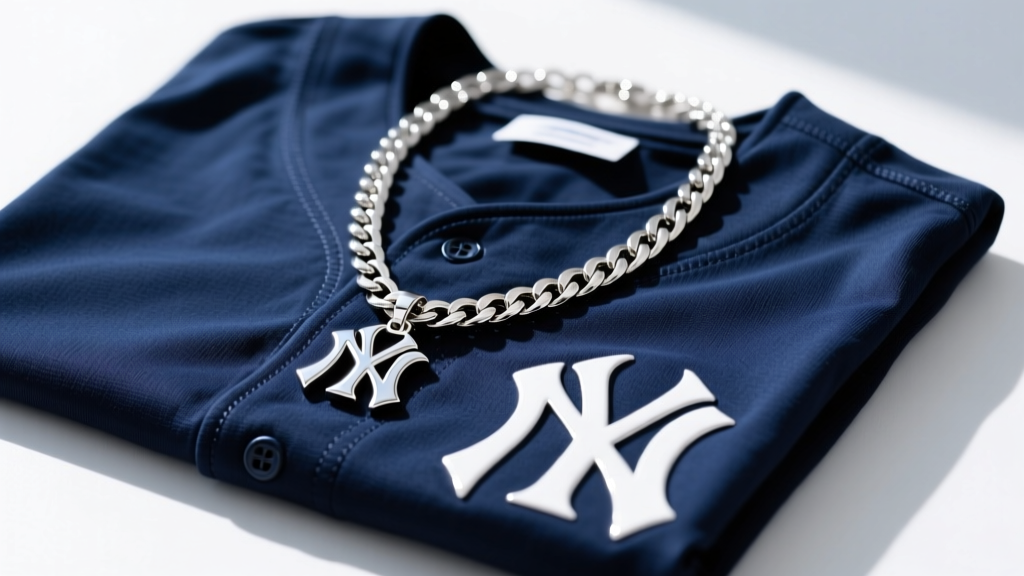
When you think of America's pastime, you likely picture the crack of a wooden bat, the smell of roasted peanuts, and the vibrant green of a meticulously manicured diamond. However, over the last decade, a new visual staple has emerged both in the dugout and in the stands: sports jewelry. Specifically, major league baseball necklaces have evolved from cheap, plastic fan-shop trinkets into sophisticated, highly sought-after fashion statements. Whether you are a die-hard fan looking to rep your franchise or a jewelry enthusiast curious about the intersection of sports and style, understanding the nuances of baseball-themed neckwear is essential. This beginner-friendly explainer will break down the materials, sizing, licensing, and cultural shifts that define MLB jewelry today.
The Dugout Influence: How Players Shaped Fan Jewelry
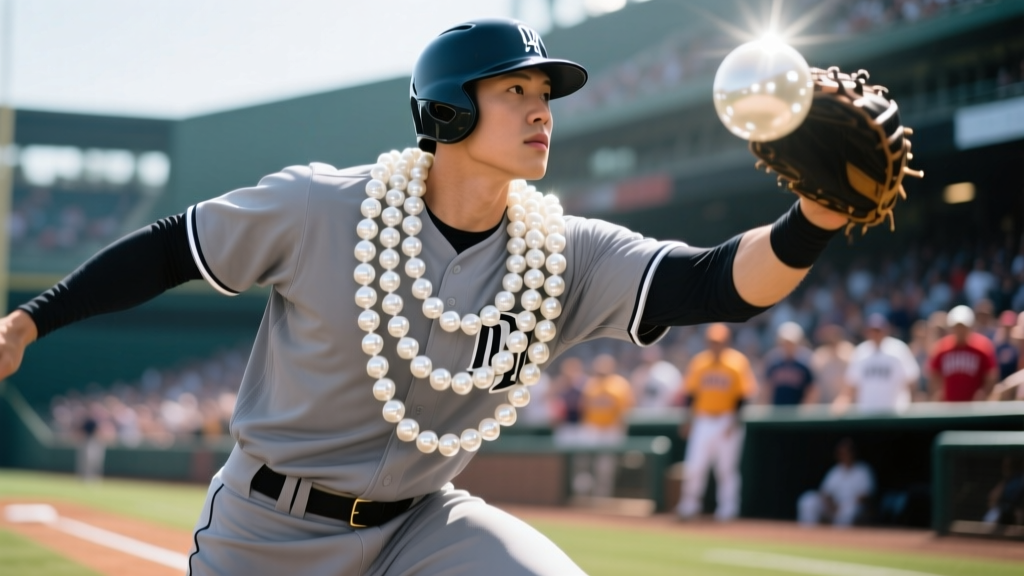
To understand the current market for major league baseball necklaces, you have to look at the players themselves. Historically, baseball chains were subtle—a simple gold rope chain tucked under a jersey. But the modern era of baseball fashion has completely shattered those unwritten rules. The most explosive shift occurred when players began wearing strands of pearls on the field. According to ESPN's coverage of the dugout pearl phenomenon, what started as a superstitious quirk by outfielder Joc Pederson in 2021 quickly snowballed into a massive league-wide trend, eventually trickling down to fan apparel. Suddenly, acrylic and freshwater pearl baseball necklaces were flying off the shelves of stadium shops.
Beyond pearls, players have popularized heavy Cuban links, custom diamond-encrusted team pendants, and mixed-metal layering. This top-down influence means that modern fan jewelry is no longer just about slapping a team logo on a thin, breakable cord. Fans now demand the same weight, durability, and aesthetic appeal that their favorite athletes wear during the World Series.
Decoding Materials: What Makes a Game-Ready Chain?
If you are buying a necklace to wear to a day game in the hot sun or a rainy night game, material selection is your most critical decision. Sweat, humidity, and stadium spills will quickly destroy inferior metals. Here is a breakdown of the most common materials used in MLB necklaces and how they perform in real-world conditions.
| Material | Durability & Sweat Resistance | Price Range | Best Use Case |
|---|---|---|---|
| 316L Stainless Steel | Excellent. Highly resistant to tarnish, rust, and sweat. | $25 - $75 | Everyday stadium wear; heavy chains. |
| Sterling Silver (925) | Good, but requires polishing. Can oxidize with heavy sweat exposure. | $80 - $250+ | Premium pendants; off-field streetwear. |
| Gold Vermeil / Plated | Poor to Fair. Plating will eventually wear off with friction and sweat. | $40 - $120 | Occasional wear; fashion-forward layering. |
| Acrylic / Resin Pearls | Excellent. Impervious to water and sweat; very lightweight. | $15 - $45 | The classic 'player pearl' look on game day. |
Expert Warning: Avoid 'zinc alloy' or 'Tibetan silver' necklaces often found on unverified third-party marketplaces. These base metals contain copper that reacts with the acids in your sweat, leaving a stubborn green ring around your neck and causing contact dermatitis.
Sizing and Chain Styles for the Diamond and the Stands
Wearing a necklace to a baseball game involves unique logistical challenges—namely, the jersey. If you plan to wear your major league baseball necklace over your jersey, you need to account for the thickness of the fabric and the desired drop of the pendant.
The Length Guide
- 18 Inches (Choker/Collarbone): Best worn under the jersey or with off-field fan apparel like t-shirts and hoodies. Too tight to pull over a button-down baseball jersey.
- 20 to 22 Inches (Standard): The sweet spot for most fans. Rests comfortably on the chest and can easily be pulled over the collar of a standard fan jersey.
- 24 to 26 Inches (Long/Statement): Ideal for heavy Cuban links or large team crests meant to hang prominently over the jersey fabric, mimicking the look of players in the dugout.
Popular Chain Profiles
The chain profile dictates both the durability and the light-catching properties of the necklace. Cuban Links (typically 4mm to 8mm thick) are the undisputed kings of baseball jewelry, offering a flat, interlocking pattern that lays flush against the chest and resists snagging. Rope Chains provide a twisted, textured look that reflects stadium lights beautifully but are more prone to trapping dust and dirt. Figaro Chains offer a classic, vintage aesthetic that pairs exceptionally well with retro 'Cooperstown Collection' team pendants.
Spotting Authenticity: The Licensing Game
The market is flooded with counterfeit sports memorabilia, and jewelry is no exception. When shopping for official major league baseball necklaces, you are paying for the trademarked logos, the exact franchise color enamels, and the quality assurance of licensed manufacturers. Companies like Fanatics and Jostens Sports & Entertainment hold the primary licenses for MLB jewelry production.
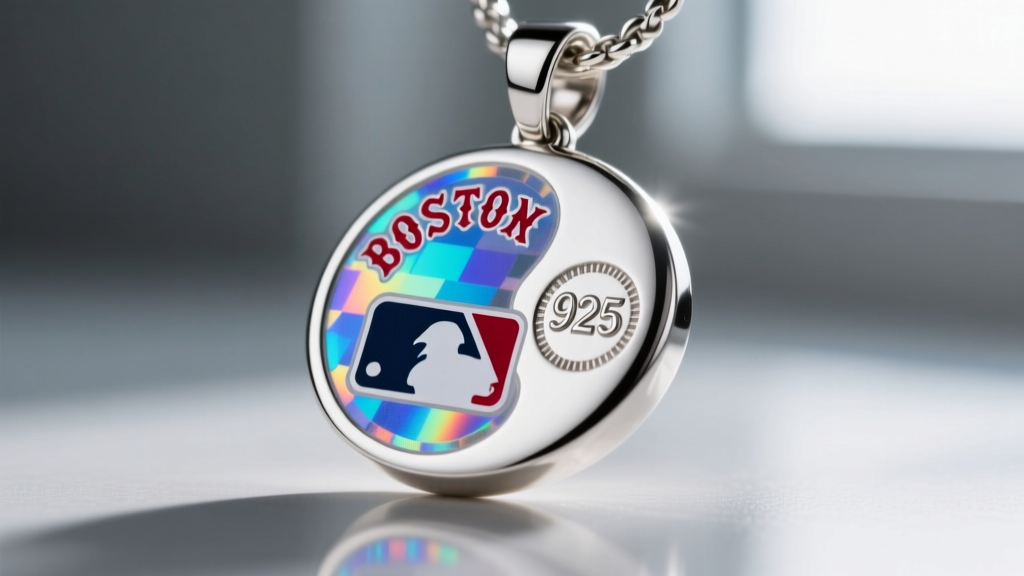
'A genuine piece of MLB-licensed jewelry will almost always feature a holographic authenticity sticker on the packaging, precise enamel work that does not bleed over the metal borders, and a stamped maker's mark or metal purity hallmark (like 925 for silver) on the back of the pendant.'
Counterfeit pendants often suffer from 'soft' detailing. If the interlocking NY of the Yankees or the script 'C' of the Cardinals looks slightly melted, asymmetrical, or features enamel that spills over the metal ridges, you are likely looking at an unlicensed knockoff. Furthermore, authentic chains will feature sturdy lobster clasps with welded jump rings, whereas fakes often use cheap, easily bent spring-ring clasps that fail under the weight of a solid metal pendant.
Care and Maintenance: Beating the Sweat and Stadium Dust
Baseball games are long, often stretching into extra innings under sweltering July heat or dusty September winds. Proper maintenance is required to keep your baseball necklaces looking pristine.
- The Post-Game Wipe Down: If you wear a sterling silver or gold vermeil chain to a game, wipe it down with a microfiber cloth immediately upon getting home. Removing the layer of sweat and sunscreen prevents the acids from etching into the metal or degrading the gold plating.
- Deep Cleaning Pearls: Acrylic pearl necklaces can take a beating. If they get splashed with stadium beer or covered in dust, wash them in a bowl of warm water with a few drops of mild dish soap. Use a soft-bristled toothbrush to gently clean between the beads, then air dry. Never use harsh chemical jewelry dips on pearls, as it will cloud the finish.
- Storing Heavy Chains: Never toss a heavy 5mm stainless steel Cuban link into a drawer with other jewelry. The weight and hardness of the steel will scratch softer metals and gemstones. Hang heavy chains on a dedicated velvet-lined jewelry hook to prevent the links from kinking or tangling.
Final Innings: Choosing Your Signature Piece
Major league baseball necklaces are more than just merchandise; they are a wearable extension of your fandom and a nod to the rich, evolving culture of the sport. Whether you opt for a subtle, 18-inch sterling silver pendant worn under your collar or a bold, 24-inch stainless steel Cuban link draped over your favorite road jersey, the key is to prioritize material quality and authentic licensing. By understanding the metallurgy and sizing requirements unique to sports jewelry, you can invest in a piece that will last from opening day all the way through the World Series parade.


