J.Crew Crystal Statement Necklace: Expert Care & Styling Guide
Discover expert insights on the J.Crew crystal statement necklace, covering base metal metallurgy, stone grading, repair tactics, and 2026 styling.

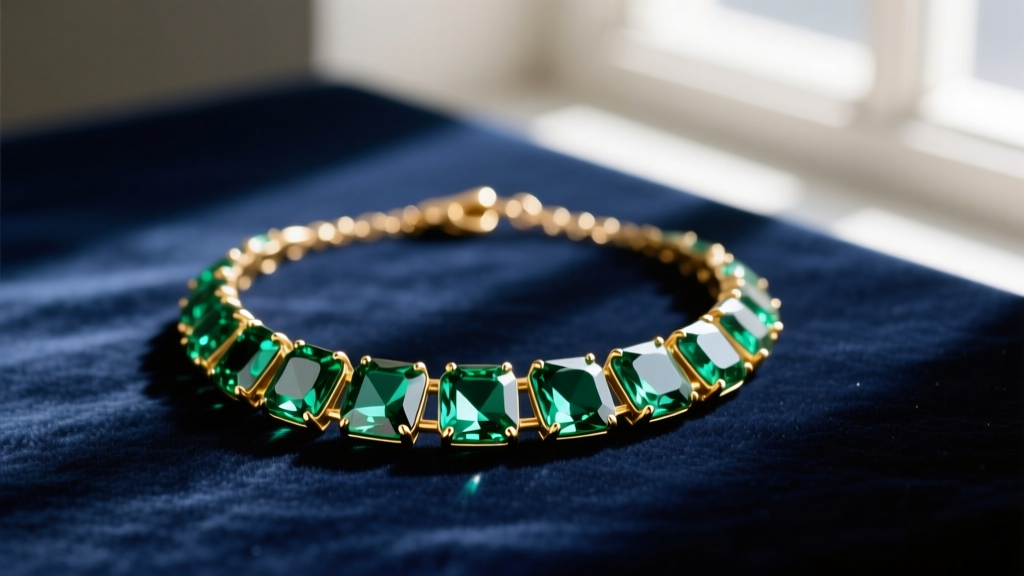
The J.Crew crystal statement necklace is not merely a fashion accessory; it is a cultural artifact of 2010s maximalism that has successfully transitioned into a curated vintage staple for 2026. Originally popularized through high-profile collaborations with avant-garde designers like Marni and BaubleBar, these pieces redefined accessible luxury. They bridged the gap between fine jewelry and costume adornment, offering a heavy, tactile presence that fundamentally altered how consumers approached neckline styling. Today, as the fashion cycle embraces archival eclecticism, understanding the technical construction, material vulnerabilities, and precise restoration protocols of these necklaces is essential for collectors and stylists alike.
The Metallurgy and Stone Composition
To understand the longevity of a J.Crew crystal statement necklace, one must first examine its metallurgical foundation. Unlike fine jewelry cast in solid 14k or 18k gold, these statement pieces rely on base metal armatures. The most common substrate is cast zinc alloy, frequently referred to in the industry as 'pot metal.' Zinc alloy is favored for intricate 'bib' and 'collar' silhouettes because of its low melting point and exceptional fluidity, which allows it to capture microscopic details in lost-wax casting molds. However, zinc alloy is inherently porous and prone to oxidation. To counteract this, manufacturers apply a micro-thin copper strike layer before the final electroplating. The visible surface is typically a 0.5 to 1.2-micron layer of gold-tone or rhodium plating. While visually striking, this plating is highly susceptible to friction wear and acidic degradation from human sebum.
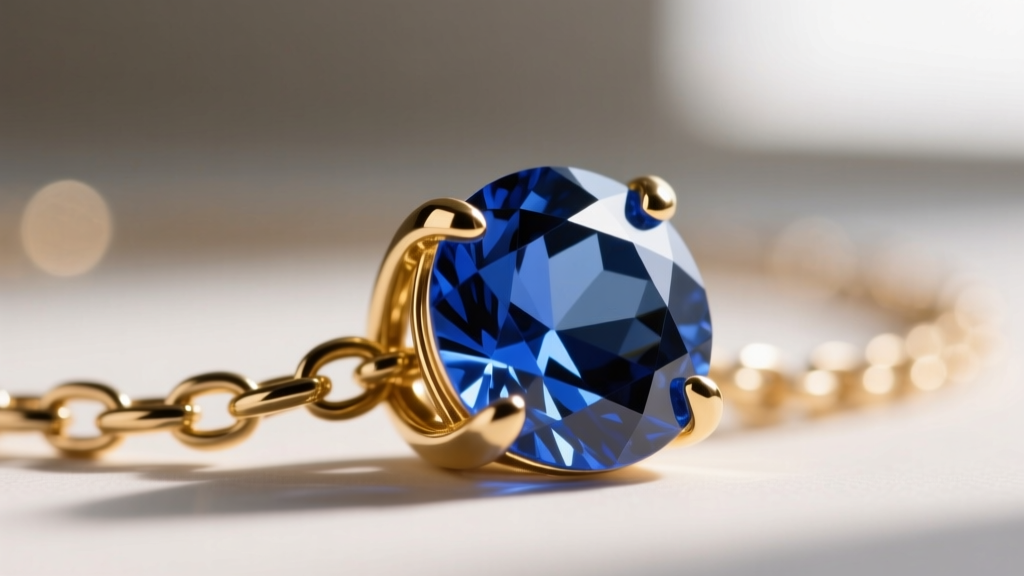
The 'crystals' adorning these necklaces are a masterclass in optical illusion, primarily utilizing high-lead-content glass or cast epoxy resins. According to historical archives documented by The Metropolitan Museum of Art, the evolution of costume jewelry stones has continually chased the refractive index of natural diamonds. J.Crew’s premium glass crystals contain up to 30% lead oxide, which dramatically increases light dispersion and creates the signature 'fire' these necklaces are known for. Conversely, the opaque, cabochon-style stones often seen in their 2012-2014 collections are cast epoxy resins. While epoxy allows for massive, lightweight geometric shapes that would be impossibly heavy in glass or stone, it introduces a severe vulnerability: UV degradation. Prolonged exposure to ultraviolet light causes the chemical bonds in the epoxy to break down, resulting in an irreversible amber-yellowing, particularly in translucent white and pale blue stones.
Vulnerability Matrix and Repair Protocols
When a stone becomes dislodged, amateur repair attempts often cause catastrophic secondary damage. The most common error is the application of cyanoacrylate (commonly known as Super Glue). Cyanoacrylate cures into a rigid, brittle plastic and emits a white-fuming residue that will permanently cloud the foil-backing of adjacent glass crystals. Instead, professional conservators recommend B-7000 or E6000 industrial adhesives. These solvent-based glues retain a 2% to 4% flexibility margin after curing, which is critical for absorbing the kinetic shock and micro-vibrations a necklace endures when worn. Furthermore, if a cast zinc-alloy prong snaps due to metal fatigue, it cannot be soldered using traditional jeweler's torches; the low melting point of the zinc will cause the entire armature to collapse. In these cases, a two-part jeweler's epoxy putty must be sculpted and color-matched to recreate the missing prong.
| Component | Material Grade | Primary Failure Mode | Expert Restoration Protocol |
|---|---|---|---|
| Base Armature | Cast Zinc Alloy / Brass | Plating wear, galvanic corrosion | Mechanical polishing, selective re-plating |
| Faceted Stones | High-Lead Glass Crystal | Foil-back moisture rot, chipping | Stone replacement, avoid ultrasonic cleaners |
| Cabochon Stones | Cast Epoxy Resin | UV yellowing, surface scratching | Micro-mesh wet sanding (for scratches only) |
| Adhesive Bond | Factory Cyanoacrylate | Desiccation, kinetic shock fracture | Acetone solvent bath, B-7000 re-bonding |
Conservation-Grade Cleaning Methodologies
Routine maintenance requires a strict departure from fine jewelry cleaning protocols. The Gemological Institute of America (GIA) warns against using ultrasonic cleaners or harsh chemical dips on porous materials and treated stones. Ultrasonic waves will instantly shatter the delicate silver-foil backing applied to the underside of J.Crew's glass crystals, turning them black and opaque. Instead, prepare a mild surfactant solution using distilled water and a few drops of neutral pH dish soap. Use a soft-bristled goat-hair brush to gently agitate dirt from the prong settings, and immediately pat dry with a microfiber cloth. Never submerge the necklace, as water can become trapped in the porous zinc alloy, leading to internal oxidation that eventually pushes the gold plating off from beneath.
The 2026 Styling Matrix: Necklines and Proportions
In 2026, the styling paradigm for heavy crystal collars has shifted from the matched-set maximalism of the previous decade to deliberate, textural juxtaposition. The sheer weight of a J.Crew crystal statement necklace—often exceeding 150 grams—requires a structural anchor. Pairing these pieces with sheer organza blouses or delicate silk camisoles creates a striking visual tension. For a more architectural approach, layer the necklace over a structured, heavyweight cotton poplin shirt with a sharp, open V-neckline. The crisp geometry of the collar provides a matte, light-absorbing backdrop that allows the high-refractive glass crystals to command attention. When dealing with the brand's signature grosgrain ribbon closures, avoid tying them in tight, restrictive knots; instead, utilize a loose, draped bow to maintain the integrity of the ribbon fibers and allow for dynamic movement.

Archival Sourcing and Valuation Metrics
Navigating the secondary market for these archival pieces requires a discerning eye for provenance and condition. The most highly sought-after iterations stem from the 2011-2014 'golden era,' specifically the Marni collaboration and the in-house 'Tatianna' and 'Enid' collars. On platforms like 1stDibs and specialized vintage curators, mint-condition pieces with original grosgrain ribbons and intact foil-backing command between $250 and $450. Buyers must scrutinize macro-photographs for 'pot metal pitting'—tiny, crater-like blemishes on the gold plating that indicate advanced zinc oxidation. Additionally, verify the clasp hardware; early iterations utilized fragile lobster clasps on thin extender chains, which are prone to snapping under the necklace's substantial weight. Upgrading these findings to solid brass spring-ring clasps is a standard, advisable practice for modern collectors.
Final Thoughts on Archival Preservation
Ultimately, the J.Crew crystal statement necklace endures not just as a nostalgic relic, but as a triumph of accessible industrial design. By understanding the precise metallurgy, respecting the optical properties of its glass and epoxy stones, and employing conservation-grade repair tactics, collectors can ensure these magnificent pieces continue to anchor their wardrobes for decades to come. Whether you are sourcing a rare Marni collaboration or restoring a vintage BaubleBar bib, treating these accessories with the technical respect usually reserved for fine jewelry guarantees their legacy in the modern sartorial landscape.


