2026 Gift Guide: How to Choose the Perfect Gemstone Cross Necklace
Discover the perfect gemstone cross necklace for every occasion in our 2026 gift guide. Learn about stone meanings, metal pairings, and sizing tips.

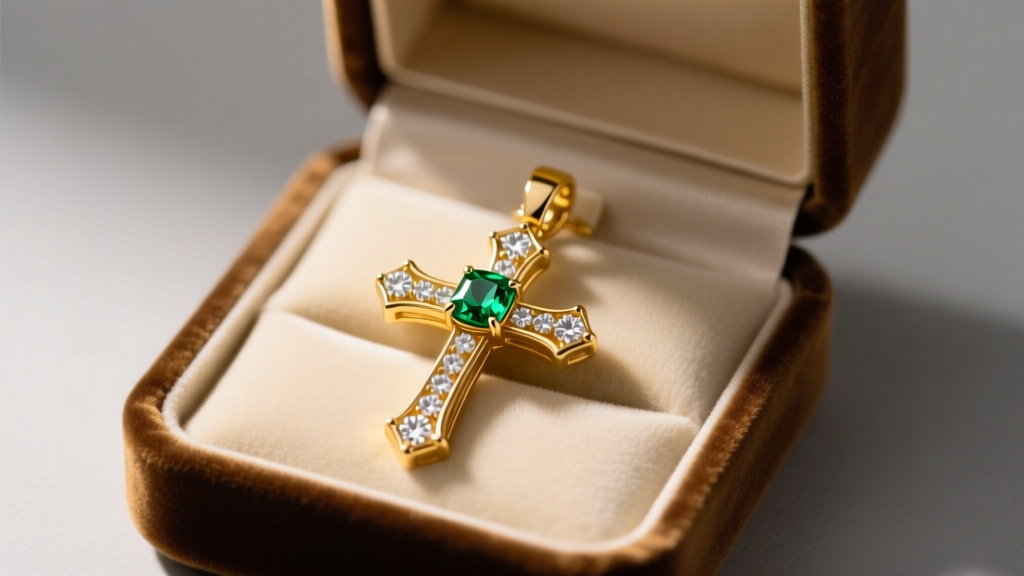
When it comes to meaningful jewelry gifting, few pieces carry the emotional weight and stylistic versatility of a gemstone cross necklace. In 2026, the trend has shifted heavily toward personalized heirlooms—pieces that tell a story through birthstones, anniversary gems, and bespoke metalwork. Whether you are shopping for a baptism, a milestone anniversary, or a deeply personal holiday gift, selecting the right combination of stone, setting, and chain requires more than just a good eye; it demands an understanding of gemology, structural durability, and occasion matching.
This comprehensive guide breaks down the exact specifications, material grades, and design nuances you need to know to choose a gemstone cross pendant that will be cherished for a lifetime. We will cover everything from Mohs hardness ratings to the structural mechanics of chain bails, ensuring your gift is as resilient as it is beautiful.
The Enduring Appeal of the Gemstone Cross
The cross pendant is a foundational motif in jewelry history, but integrating colored gemstones elevates it from a standard religious or fashion symbol to a highly personalized artifact. According to the Jewelers of America, birthstone jewelry remains one of the most requested categories for milestone gifts. A gemstone cross necklace bridges the gap between traditional sentimentality and modern, colorful aesthetics. Unlike plain metal crosses, which rely entirely on texture and polish, gemstone crosses utilize light refraction and color psychology to make a statement. For the giver, this means you can tailor the piece to the recipient's birth month, their favorite color, or the specific meaning associated with a gemstone, such as the protective qualities of amethyst or the loyalty symbolized by sapphire.
Decoding Gemstones: Hardness, Meaning, and Occasion Matching
Not all gemstones are created equal, especially when set in a pendant that rests against the sternum and is subject to accidental impacts. The Gemological Institute of America (GIA) emphasizes the importance of the Mohs scale of mineral hardness when selecting stones for everyday wear. A cross necklace is often worn daily, meaning softer stones require specific protective settings.
Gemstone Specification and Occasion Chart
| Gemstone | Mohs Hardness | Best Occasion | Avg. Price Range (14k Gold) | Setting Recommendation |
|---|---|---|---|---|
| Diamond | 10 | Graduations, Weddings | $1,200 - $4,500+ | Prong or Bezel |
| Sapphire | 9 | Anniversaries, September Birthdays | $600 - $2,500 | Prong or Bezel |
| Emerald | 7.5 - 8 | 20th/35th Anniversaries, May Birthdays | $800 - $3,000 | Bezel or V-Prong |
| Amethyst | 7 | 6th/33rd Anniversaries, February Birthdays | $250 - $600 | Prong |
| Opal | 5.5 - 6.5 | 14th Anniversaries, October Birthdays | $300 - $900 | Strict Bezel Only |
Expert Insight: If you are gifting an opal cross necklace, you must avoid prong settings entirely. Opals have a high water content and are prone to 'crazing' (internal cracking) if knocked against a hard surface. A bezel setting, where a continuous rim of metal wraps around the stone's girdle, is non-negotiable for opal and emerald crosses to prevent chipping at the vulnerable corners.
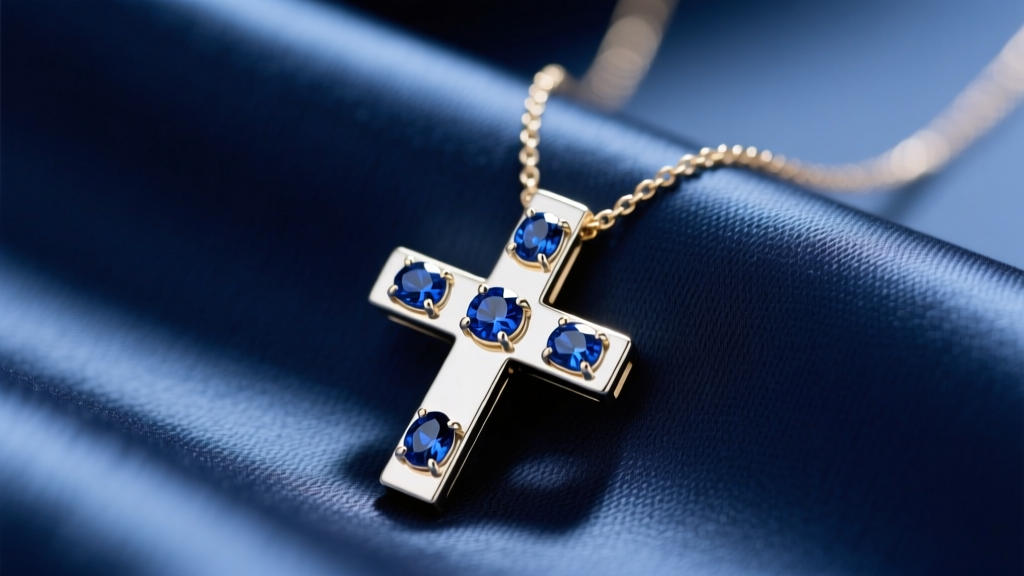
Metal Pairings and Chain Mechanics
The chain is the structural backbone of any pendant. A heavy gemstone cross will quickly destroy a flimsy chain, leading to heartbreak and lost heirlooms. When selecting the metal and chain style, consider both the weight of the pendant and the recipient's skin tone.
Chain Gauge and Style Recommendations
- Box Chains (0.9mm - 1.2mm): The absolute best choice for gemstone crosses. The interlocking square links distribute weight evenly and resist kinking. A 1.0mm 14k gold box chain can comfortably support a 4-gram gemstone cross without stretching.
- Rope Chains (1.0mm - 1.5mm): Excellent for light reflection, but the twisted links can trap hair and lotions. Best for larger, statement-sized crosses worn over clothing.
- Cable Chains (0.8mm and below): Avoid these for gemstone pendants. The thin, oval links are prone to snapping at the jump ring when bearing the dynamic weight of a swinging cross pendant.
Precious Metal Grades
For a 2026 heirloom gift, 14k gold (58.5% pure gold) remains the industry standard for durability, offering enough alloyed metals (like copper or zinc) to withstand daily tension. 18k gold (75% pure gold) provides a richer, warmer color—especially in yellow gold—but is softer and more prone to scratching. If opting for white gold, ensure the piece is rhodium-plated for that bright, mirror-like finish, but remind the recipient that it will require re-plating every 12 to 18 months. For a hypoallergenic, maintenance-free white metal, Platinum (950 grade) is the ultimate premium choice, though it increases the base price of the setting by roughly 40% compared to 14k white gold.
Sizing, Proportions, and Bail Types
The visual impact of a gemstone cross necklace relies heavily on proportion. A pendant that is too large can look costumey, while one that is too small may lose its detail against the skin.
"The ideal everyday cross pendant measures between 15mm and 22mm in height. This scale ensures the gemstone facets are visible to the naked eye without overwhelming the wearer's collarbone. For men or those preferring a bolder look, a 25mm to 35mm drop is appropriate, provided the chain gauge is scaled up to at least 1.5mm."

The Importance of the Bail
The bail is the loop that connects the cross to the chain. For gemstone crosses, a standard loop bail soldered directly to the top arm of the cross is the most secure. Avoid 'hidden bails' (where the chain threads through a hole drilled in the stone or metal) for heavy crosses, as the friction can wear down the metal over time. Additionally, ensure the jump ring connecting the bail to the chain is soldered closed. An unsoldered jump ring will eventually pull apart under the pendulum motion of a walking wearer.
Quality Markers and Gemstone Treatments
When evaluating a gemstone cross necklace for purchase, look beyond the carat weight. According to the American Gem Society, understanding gemstone treatments is vital for long-term satisfaction and proper valuation.
- Emeralds: Almost all commercial emeralds are treated with cedar oil or synthetic resins to fill surface-reaching fissures. This is an accepted industry practice, but it means the stone is sensitive to heat and chemicals.
- Sapphires and Rubies: Frequently heat-treated to improve color and clarity. This treatment is permanent and stable, making them excellent, worry-free choices for daily-wear cross necklaces.
- Amethyst and Citrine: Often heat-treated to alter color (e.g., turning amethyst into citrine). This is stable, but prolonged exposure to direct, harsh sunlight can cause some amethyst to fade over years of wear.
Always request a disclosure of treatments from the jeweler. A reputable seller will provide this information on the receipt or a certificate of authenticity, which is a crucial inclusion when presenting the piece as a formal gift.
Care and Maintenance for Longevity
To ensure the gemstone cross necklace remains pristine, the recipient must be armed with the right care instructions. The most common failure mode in jewelry maintenance is the improper use of ultrasonic cleaners.
Never use an ultrasonic cleaner on: Emeralds, opals, pearls, or turquoise. The high-frequency vibrations will shatter opals and strip the vital oils from emeralds, leaving them cloudy and fractured. These stones should only be cleaned with a soft, lint-free cloth and mild, lukewarm soapy water.
Safe for ultrasonic cleaners: Diamonds, sapphires, and rubies (provided they have no significant surface-reaching fractures). For these stones, a quick ultrasonic bath followed by a gentle scrub with a soft-bristled baby toothbrush will restore their brilliance.
Finally, advise the recipient to adopt the 'last on, first off' rule. The gemstone cross necklace should be the last item put on after applying perfumes, lotions, and hairsprays, and the first item removed before showering or sleeping. This simple habit prevents the buildup of cosmetic films that dull gemstone facets and accelerates the wear of rhodium plating on white gold chains.
By prioritizing structural integrity, understanding gemological properties, and matching the stone to the specific milestone, a gemstone cross necklace transcends being a mere accessory. It becomes a deeply personal, enduring artifact of faith, love, and memory, perfectly curated for the moments that matter most.


