Necklace Clasp Value Guide: Are Premium Upgrades Worth It?
Discover if upgrading your necklace clasp is worth the cost. We compare pricing, durability, and value of lobster, box, and toggle clasps.

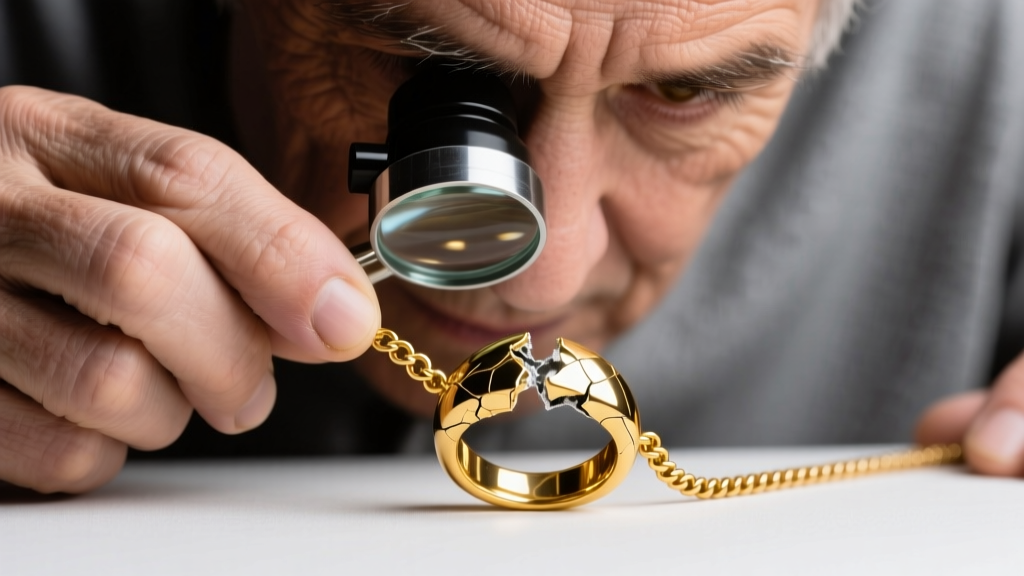
The Hidden Economics of Jewelry Fasteners
When evaluating the true cost and long-term value of a fine jewelry piece, collectors and everyday wearers alike often obsess over gemstone carat weights, gold purity, and brand prestige. Yet, the most critical structural component—the necklace clasp—is frequently treated as an afterthought. From a budget and value assessment perspective, the fastener is the single greatest point of failure in any chain or pendant setup. A $5,000 diamond pendant is only as secure as the $12 mechanism holding it to your neck.
In this comprehensive value guide, we break down the metallurgy, labor costs, and lifespan of various fastener types to help you determine whether repairing, replacing, or upgrading your necklace clasp is a sound financial decision. Understanding these nuances will save you from catastrophic losses and unnecessary bench fees.
The Anatomy of Clasp Failure: Why Cheap Costs More
To assess value, we must first understand how and why fasteners fail. According to maintenance guidelines from the Gemological Institute of America (GIA), regular wear and tear, exposure to cosmetics, and mechanical stress degrade jewelry components over time. However, the failure modes vary wildly depending on the manufacturing technique used to create the clasp.
Cast vs. Stamped Metallurgy
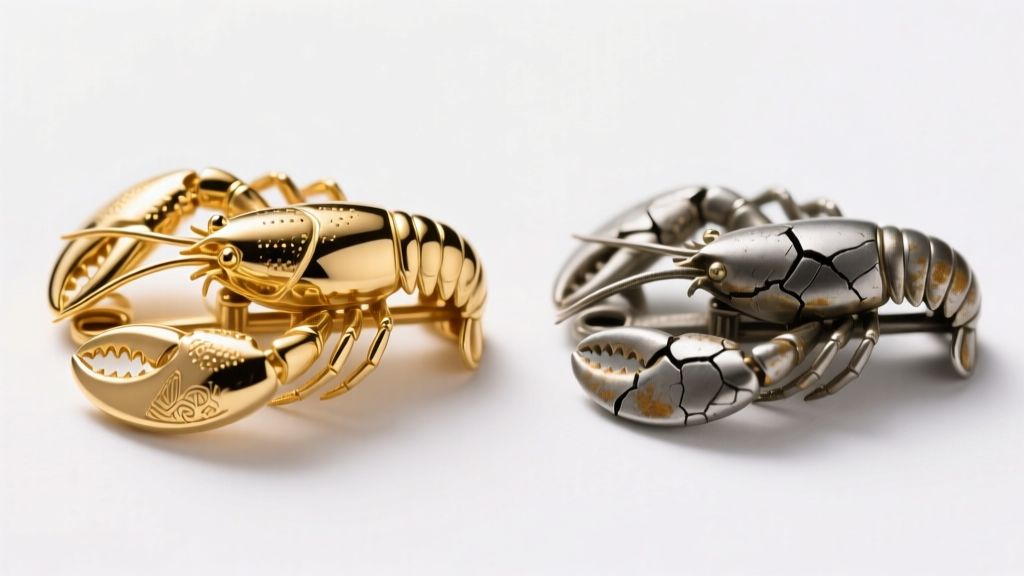
The most significant value differentiator in fastener manufacturing is the production method. Inexpensive clasps are often cast using the lost-wax method. While casting is excellent for intricate pendant designs, it introduces microscopic porosity into the metal. When subjected to the repetitive stress of opening and closing, cast clasps become brittle and snap without warning.
Conversely, premium clasps are die-stamped and work-hardened. This process aligns the grain structure of the gold or platinum, vastly increasing its tensile strength. When conducting a value assessment, always inspect the clasp for a seamless, stamped construction. Paying a 20% premium for a stamped component yields a 300% increase in functional lifespan.
Price vs. Longevity: A Clasp Value Matrix
Below is a comparative matrix detailing the average market costs, expected lifespans, and primary failure modes of the most common fastener types. Note: Prices reflect 2026 average bench fees for 14k gold components and standard laser soldering.
| Clasp Type | Part Cost (14k Gold) | Labor Cost | Est. Lifespan | Primary Failure Mode |
|---|---|---|---|---|
| Spring Ring | $8 - $15 | $45 - $65 | 2 - 5 Years | Internal steel spring fatigue / rust |
| Lobster Claw | $18 - $35 | $45 - $65 | 5 - 10 Years | Lever arm bending / cast porosity snap |
| Box (Tongue & Groove) | $60 - $120 | $75 - $110 | 15+ Years | Tongue tension loss / safety wire tear |
| Toggle (T-Bar) | $25 - $50 | $35 - $50 | 10+ Years | Ring deformation / bar slippage |
| Magnetic | $30 - $60 | $40 - $60 | 3 - 5 Years | Neodymium glue bond shear failure |
Deep Dive: Assessing the Workhorses
The Spring Ring Deception
The spring ring is the default fastener on 70% of commercial chains under $1,000. While the exterior shell is typically 10k or 14k gold, the internal spring mechanism is almost always stainless steel. Over time, body oils, lotions, and humidity penetrate the microscopic seam of the shell. The steel spring oxidizes, loses its temper, and eventually snaps. From a value perspective, the spring ring is a depreciating asset. If you are investing in a heavy pendant, upgrading from a spring ring to a lobster claw is the highest-ROI modification you can make, typically costing less than $80 total while reducing drop-risk by over 60%.
The Lobster Claw Standard
The lobster claw offers superior security due to its solid lever action and larger surface area for the jump ring. However, value discrepancies exist within this category. A hollow, cast lobster claw will fail under a 3-pound tensile load, whereas a solid, die-stamped lobster claw can withstand upwards of 15 pounds. When shopping, test the lever: it should offer firm, consistent resistance. A mushy lever indicates poor internal spring tension and imminent failure.
Box Clasps: The Heavy-Duty Investment
For multi-strand pearl necklaces or heavy diamond tennis chains, the box clasp is the undisputed king of security. The value proposition here relies on redundant safety mechanisms. A high-quality box clasp features not only the friction-fit tongue but also dual figure-8 safety wires. While the initial investment is high (often exceeding $150 for the part and labor), it protects thousands of dollars in gemstones. The primary maintenance cost involves having a jeweler periodically remove the tongue, flatten it with a rawhide mallet to restore tension, and re-insert it—a $30 service that extends the clasp's life indefinitely.
Hidden Costs: Soldering, Jump Rings, and Labor
When budgeting for a replacement, consumers often look only at the price of the metal component. This is a critical error in value assessment. The labor required to attach the new fastener often eclipses the part cost. Furthermore, the type of chain dictates the complexity of the labor.
- Laser Soldering Premium: If your chain is hollow, electroformed, or features heat-sensitive gemstones nearby, a jeweler must use a laser welder rather than a traditional butane torch. Laser soldering prevents the internal springs of lobster claws from melting, but it typically adds a $25 to $45 premium to the bench fee.
- Jump Ring Integrity: A new clasp is useless if the jump ring it connects to is compromised. A proper value assessment requires replacing the standard split jump ring with a solid, soldered jump ring. This adds roughly $15 to the repair but eliminates the risk of the ring pulling apart under stress.
- Plating and Rhodium: If you are attaching a new white gold clasp to an older, yellowing white gold chain, the localized heat from soldering will destroy the rhodium plating. Budget an additional $35 to $50 for a partial or full rhodium dip to restore uniform color.
"Never evaluate a jewelry repair based on the gold weight alone. The true cost is measured in bench time, metallurgical compatibility, and the risk mitigation of securing irreplaceable sentimental pieces." — Master Bench Jeweler
Decision Framework: When to DIY, Repair, or Replace
To maximize your jewelry budget, apply this practical decision framework when faced with a compromised fastener:
Scenario A: The Sentimental or High-Intrinsic Value Chain
If the chain holds a valuable pendant or possesses significant intrinsic gold weight (e.g., a solid 14k Cuban link), always invest in a premium upgrade. Pay the $120+ for a solid stamped lobster claw or box clasp, insist on laser soldering, and demand a soldered jump ring. The cost of the repair is a fraction of the replacement value of the chain.
Scenario B: The Hollow or Electroformed Chain
Hollow chains (like certain lightweight rope or herringbone styles) are notoriously difficult to solder because the thin walls melt instantly under heat. If the original fastener breaks, the repair cost often approaches the replacement cost of the chain itself. In this scenario, the value assessment leans toward replacement rather than repair. Consider trading in the broken hollow chain for its scrap gold value and reallocating those funds toward a solid, albeit thinner, chain that can be properly serviced in the future.
Scenario C: The Fashion or Base-Metal Piece
For gold-plated brass or sterling silver fashion jewelry, professional soldering is rarely cost-effective. Here, DIY replacement is the optimal budget route. Purchase a high-quality sterling silver or gold-filled lobster claw and use two pairs of flat-nose pliers to swap the jump rings. Avoid magnetic clasps for heavy pieces, as the shear force of a dropped pendant will easily overcome the adhesive holding the neodymium magnet in its housing.
Final Verdict: Calculating Your Cost-Per-Wear
Ultimately, the value of a necklace clasp upgrade is best measured in cost-per-wear and peace of mind. Spending $85 to upgrade a flimsy spring ring to a robust, stamped lobster claw on a chain you wear daily costs less than $0.05 per wear over a five-year period. Conversely, the financial and emotional cost of losing a cherished pendant due to a $12 mechanical failure is incalculable. By understanding the metallurgy, labor nuances, and structural limitations of your jewelry, you can make informed, budget-conscious decisions that protect your most prized possessions. For further reading on maintaining the structural integrity of your fine jewelry, consult the consumer care resources provided by Blue Nile's Jewelry Education Center.


