2026 Indian Wedding Necklace Trends & Styling Guide
Discover 2026 Indian wedding necklace trends, from traditional Polki chokers to modern Temple jewelry. Expert styling, material guides, and pricing inside.

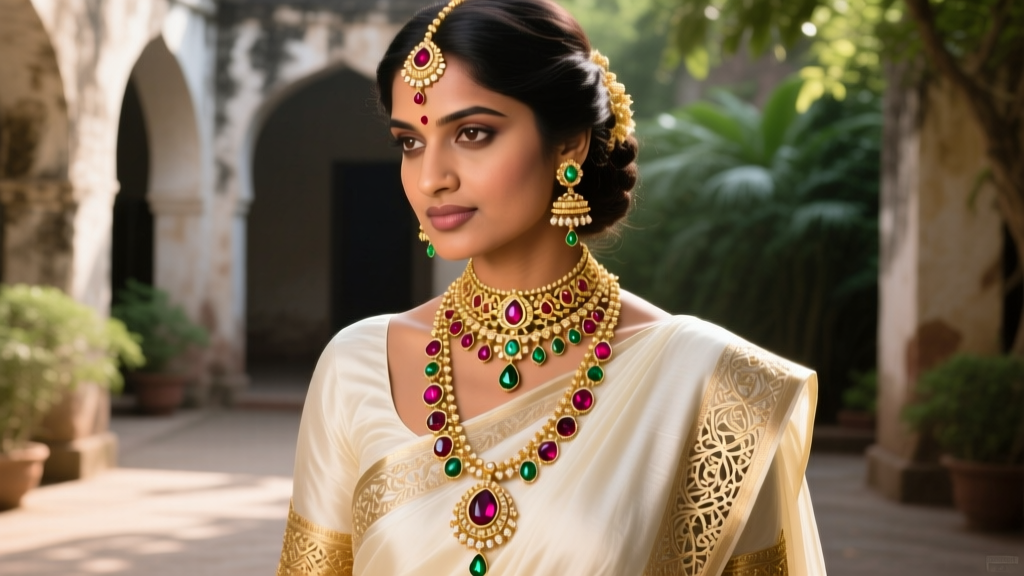
The 2026 Shift: Heritage Meets Modularity
The Indian bridal trousseau is anchored by its jewelry, and the indian wedding necklace remains the undisputed centerpiece of the ensemble. However, as we navigate the 2026 bridal season, a distinct shift is occurring in how brides approach these heirloom investments. The modern bride is moving away from single-use, ultra-heavy silhouettes that remain locked in bank vaults post-wedding. Instead, the current market is dominated by modular heritage pieces, matte gold textures, and a demand for strict gemological transparency. According to Vogue India's recent bridal forecasts, versatility and structural engineering are now just as important as karat weight and stone clarity.
This guide deconstructs the material science, regional variations, and pricing realities of the most sought-after Indian bridal necklaces this year, providing a concrete framework for buyers, stylists, and collectors.
Decoding Regional Silhouettes and Craftsmanship
India’s vast geography yields radically different jewelry-making traditions. Understanding the structural differences between regional styles is critical for evaluating both durability and aesthetic alignment with specific bridal lehengas and sarees.
South Indian Temple Jewelry (Kemp & Ruby)
Originating in Tamil Nadu and Andhra Pradesh, Temple jewelry was historically crafted to adorn deities. For the 2026 bride, it is the quintessential pairing for Kanjeevaram silk sarees. Authentic Temple pieces are strictly crafted in 22-karat gold (91.6% purity) because the intricate repoussé technique—where gold sheets are embossed from the reverse to create raised deity motifs—requires high malleability. The stones used are typically 'Kemp' (uncut rubies and emeralds) set in native claw or bezel settings. A standard bridal Temple choker weighs between 80 and 120 grams, requiring a reinforced silk thread (dori) backing to distribute the weight evenly across the cervical spine.
North Indian Polki & Kundan Chokers
Rooted in Mughal and Rajasthani traditions, the Jadau technique is the hallmark of North Indian bridal wear. It is vital to distinguish between Polki (the uncut, raw diamond) and Kundan (the highly refined 24K gold foil used to secure the stone). Artisans use a core of lac (natural tree resin) to build the setting, pressing the Polki diamond into the resin and burnishing the 24K gold foil around the edges to lock it in place. The reverse of these necklaces often features Meenakari (enameling), where metal oxides are fired in a kiln to create vibrant floral patterns that sit flush against the skin.
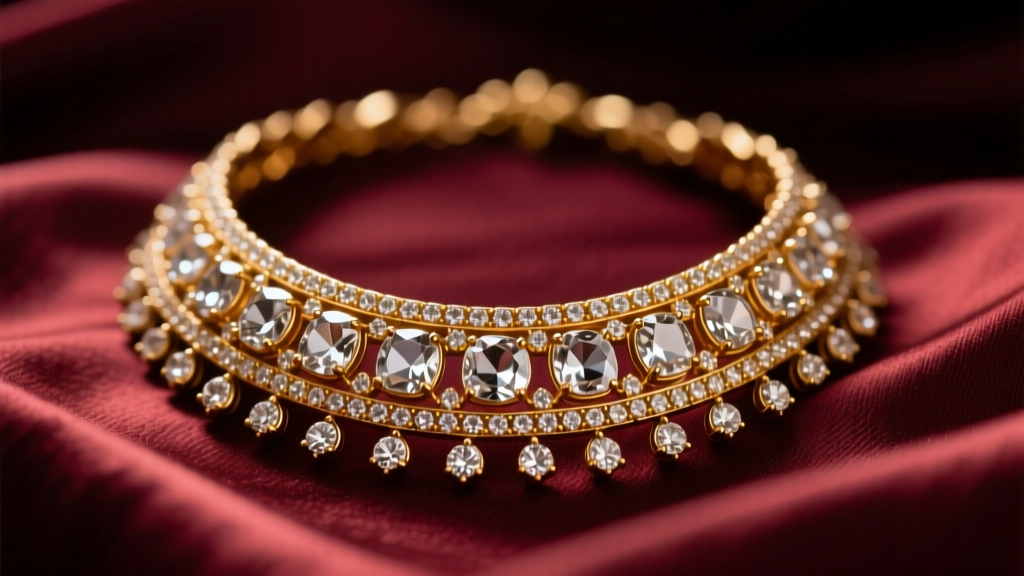
Material Science: Alloys, Foils, and Stone Grades
When investing upwards of $10,000 in an Indian bridal necklace, understanding the metallurgy and gemology is non-negotiable. The Gemological Institute of America (GIA) notes that uncut Polki diamonds lack the standardized 4Cs grading of faceted diamonds, making visual inspection of inclusions and the quality of the silver/gold foil backing paramount. Below is a technical breakdown of the primary materials used in 2026.
| Material / Style | Core Composition | Durability & Structural Notes | 2026 Market Price Range (USD) |
|---|---|---|---|
| 22K Temple Gold | 91.6% Gold, 8.4% Copper/Silver Alloy | Highly malleable; prone to denting if dropped. Requires rigid storage. | $75 - $95 per gram + 18-25% making charges |
| Jadau Polki Choker | Uncut Diamonds, Lac Resin Core, 24K Gold Foil | Fragile. Moisture can degrade the lac resin; avoid contact with perfumes. | $4,500 - $25,000+ per finished piece |
| 18K Matte Gold | 75% Gold, 25% Zinc/Copper Alloy | High structural integrity; ideal for heavy, multi-layered modular clasps. | $55 - $70 per gram + 25-30% making charges |
| Thali / Mangalsutra | 18K Gold, Black Glass Beads, VS-Clarity Diamonds | Designed for daily wear; requires secure lobster or box clasps. | $800 - $3,500 depending on diamond carat weight |
2026 Trend Forecast: Matte Textures and Convertible Mechanics
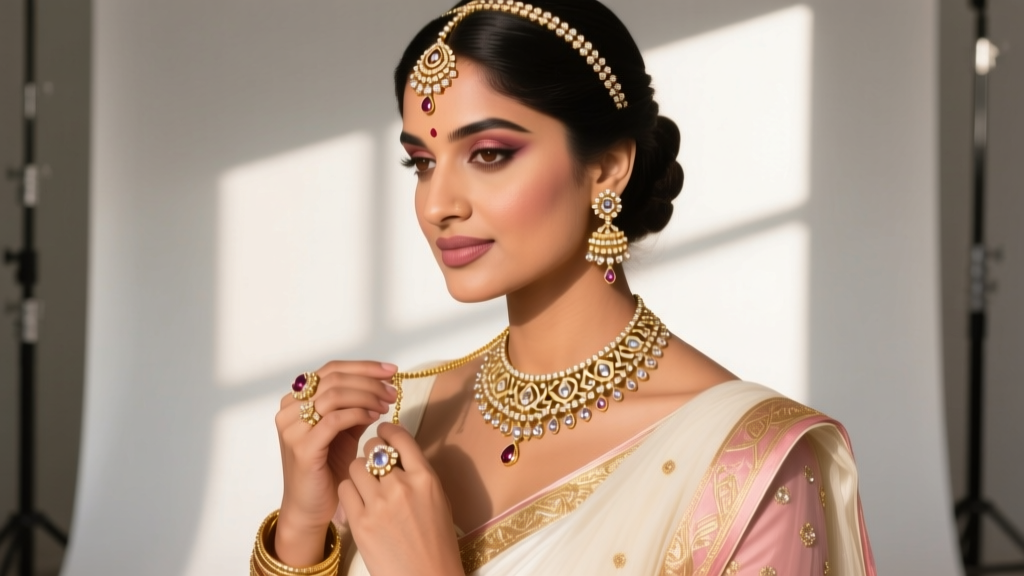
The high-polish, mirror-finish gold that dominated the 2010s has been entirely eclipsed by brushed and sandblasted matte finishes in 2026. This textured approach diffuses light, giving the gold an antique, heirloom-like patina that photographs exceptionally well under harsh flash photography and pairs seamlessly with pastel and ivory-toned bridal lehengas.
Furthermore, the Convertible Modular Necklace is the year's biggest engineering triumph. Brides are commissioning 3-strand Rani Haars (long necklaces) equipped with micro-bayonet screw clasps hidden within the gemstone settings. This allows a single 150-gram masterpiece to be disassembled into three distinct pieces: a close-fitting choker for the wedding ceremony, a medium-length pendant chain for the reception, and a Matha Patti (headpiece) for the sangeet. According to the World Gold Council, this demand for multi-functional gold jewelry is driving a surge in 18K gold usage, as the higher alloy content provides the tensile strength necessary to support hidden mechanical clasps without warping.
Pricing Realities and Authentication Framework
Navigating the pricing of an indian wedding necklace requires separating the intrinsic material value from the artisanal labor (making charges). For 22K gold Temple jewelry, always verify the BIS 916 Hallmark, which is the Bureau of Indian Standards certification for 91.6% purity. If a jeweler cannot provide a hallmarked piece, walk away.
For Polki and Kundan, beware of 'Kundan glass' imitations. Authentic Polki will exhibit natural internal inclusions (carbon spots or feathers) and a distinct, slightly muted luster compared to the sharp brilliance of faceted diamonds. The foil backing behind a real Polki stone should be seamless; if you see adhesive residue or cloudy patches, the piece has likely suffered moisture damage or utilizes synthetic substitutes. Always request a detailed invoice that separates the gold weight, the diamond carat weight, and the stone-setting labor costs.
The Jewel Style Radar Verdict
The 2026 landscape for the Indian wedding necklace is defined by intelligent engineering and a return to textured, organic aesthetics. Whether you are investing in the heavy, divine silhouettes of South Indian Temple jewelry or the intricate, resin-set Mughal geometry of a Polki choker, the key to a successful acquisition lies in demanding structural versatility. Prioritize 18K gold for modular, heavy-load clasps, insist on BIS hallmarking for all 22K components, and embrace the matte finishes that are redefining modern bridal heritage.


