Is a Designer Pearl Lanyard Necklace Worth It? 2026 Value Guide
Discover if a designer pearl lanyard necklace is worth the investment. We break down 2026 pricing, pearl grades, and hardware to help you find true value.

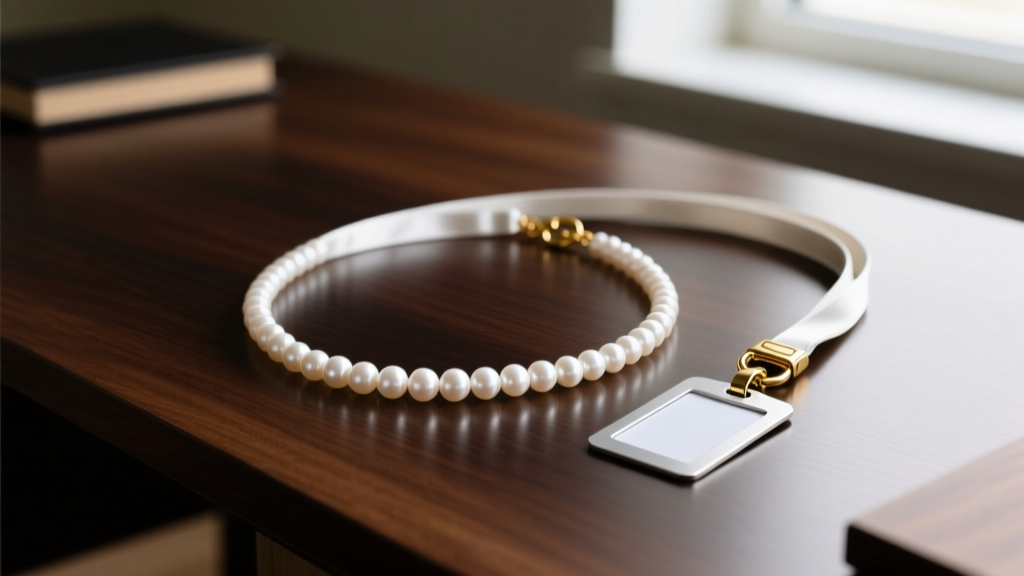
The Evolution of the Pearl Lanyard: From Utility to Luxury
Once relegated to the realm of purely utilitarian corporate gear, the lanyard has undergone a massive aesthetic transformation. As hybrid work models and corporate return-to-office mandates solidified in 2026, the demand for elevated professional accessories skyrocketed. Enter the pearl lanyard necklace: a sophisticated hybrid that bridges the gap between mandatory ID badge holders and fine jewelry. But with prices ranging from $15 on fast-fashion marketplaces to over $400 from boutique designers, how do you determine the true value of these pieces?
Assessing the budget and value of a pearl lanyard necklace requires looking far beyond the brand name. It demands a critical eye for pearl grading, nacre thickness, and, most importantly, the structural integrity of the hardware. In this comprehensive value assessment, we deconstruct the market to help you decide exactly where your money is best spent.
Deconstructing the Cost: What Are You Actually Paying For?
When evaluating any pearl jewelry, the primary cost driver is the pearl itself. However, a lanyard introduces unique mechanical requirements that standard necklaces do not face. A pearl strand meant to hold a heavy corporate ID badge, a set of reading glasses, or a USB drive must withstand constant kinetic stress, pulling, and environmental exposure.
Pearl Type and Grade Matrix
The market is currently flooded with 'pearl' lanyards that are actually coated glass or shell beads. According to the Gemological Institute of America (GIA), true value in pearls is dictated by luster, surface cleanliness, and nacre quality. Here is how the most common materials in the 2026 lanyard market stack up against each other.
| Material | Grade / Type | Avg. Price (2026) | Durability & Luster Profile |
|---|---|---|---|
| Coated Glass / Crystal | Costume / Simulated | $12 - $35 | High initial shine, but coating chips and peels with friction. Zero intrinsic gem value. |
| Commercial Freshwater | A or AA Grade | $40 - $75 | Chalky luster, visible blemishes. Nearly 100% nacre, making them durable against chipping. |
| Gem-Grade Freshwater | AAA or Gem-Grade | $85 - $160 | Sharp, mirror-like luster. Excellent value; nearly indistinguishable from Akoya to the naked eye. |
| Akoya Saltwater | AA+ to Hanadama | $180 - $450+ | Unmatched 'ball of light' luster. Bead-nucleated with thinner nacre; more prone to chipping if dropped. |
For the vast majority of professionals, a Gem-Grade Freshwater pearl lanyard necklace offers the highest return on investment. You get the durability of solid nacre—which is crucial when the pearls constantly rub against your clothing and badge—with a luster that rivals much more expensive saltwater varieties.
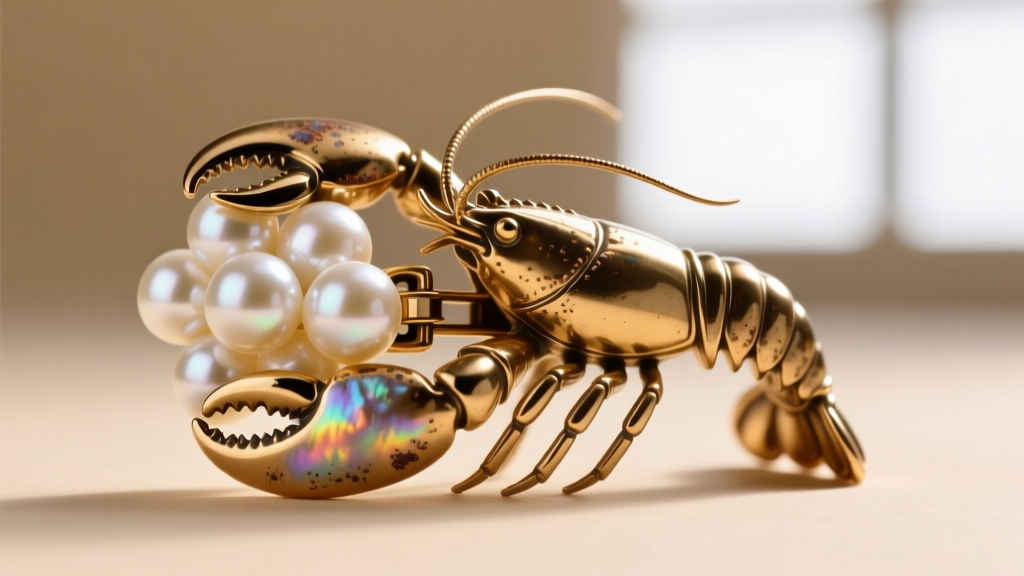
The Hidden Value of Lanyard Hardware
This is where budget brands fail and luxury brands justify their price tags. A standard necklace clasp is designed for occasional opening and closing. A lanyard clasp must bear the dead weight of an ID badge (often 20-40 grams) while enduring thousands of micro-movements.
- The Breakaway Safety Clasp: In healthcare, laboratory, and corporate environments, safety standards dictate that lanyards must feature a breakaway mechanism at the nape of the neck to prevent choking hazards if the badge is snagged by machinery or a closing door. Budget brands use weak magnetic clasps that detach when you simply bend over. High-value lanyards use engineered mechanical snap-breakaways that hold firm under the weight of a badge but release instantly under sudden, high-velocity tension.
- The Bottom Attachment: The lobster claw or bulldog clip at the bottom must be forged from surgical stainless steel or solid brass. Cheap zinc-alloy clips will oxidize, turn your blouse green, and eventually snap under the leverage of a swinging badge.
- Silk vs. Wire Threading: Authentic pearl strands are traditionally knotted on silk. However, for a heavy-duty lanyard, a silk thread can stretch and snap under the constant weight of a badge. The highest-value pearl lanyards in 2026 utilize micro-braided stainless steel wire coated in nylon, providing the flexibility of silk with the tensile strength of steel.
2026 Pricing Tiers: Budget, Mid-Range, and Luxury
To help you benchmark your next purchase, we have categorized the current market into three distinct value tiers based on real-world retail data and material costs.
1. The Budget Tier ($15 - $40)
At this price point, you are purchasing costume jewelry. The 'pearls' are almost exclusively glass beads dipped in a pearlescent chemical bath (similar to Majorica pearls). The hardware is typically stamped zinc alloy with a thin flash-plating of gold or silver. Value Verdict: Acceptable for a one-off conference or a temporary job, but expect the coating to rub off at the nape of the neck within three months of daily wear.
2. The Mid-Range Value Tier ($60 - $140)
This is the sweet spot for the discerning professional. In this bracket, you will find AAA-grade freshwater pearls (typically 6.5mm to 7.5mm in diameter, which keeps the overall weight manageable). The hardware upgrades to 14k gold vermeil over brass or solid 316L stainless steel. Crucially, this tier includes reliable, OSHA-compliant mechanical breakaway clasps. Value Verdict: The highest cost-per-wear value. These pieces look identical to fine jewelry but are built to withstand the rigors of a 40-hour work week.
3. The Luxury Designer Tier ($200 - $500+)
Here, you are paying for premium Akoya or Hanadama saltwater pearls, solid 14k or 18k gold findings, and brand prestige. While the luster of an Akoya pearl is undeniably breathtaking, the nacre is much thinner than a freshwater pearl. Value Verdict: A poor functional investment for daily badge-wearing. The constant friction of a heavy ID badge swinging against your chest can eventually wear through the thin nacre of an Akoya pearl, exposing the bead nucleus beneath. Reserve this tier for occasional wear or lightweight accessories like reading glasses.
Expert Insight: When shopping for a pearl lanyard necklace, always check the millimeter size. A 9mm pearl strand looks stunning on a mannequin, but the cumulative weight will cause severe neck fatigue by 2:00 PM. Stick to the 6.0mm - 7.5mm range for optimal ergonomic value.

Red Flags: How to Spot Overpriced Costume Pieces
The 2026 market has seen an influx of dropshipped lanyards masquerading as boutique jewelry. To protect your budget, watch out for these critical red flags:
- Uniform Perfection at a Low Price: If a strand of pearls is perfectly round, completely blemish-free, and costs under $50, they are manufactured beads. Real freshwater pearls, even high-grade ones, will have microscopic variations in shape and surface.
- Missing Knots or Spacers: While some modern wire-strung lanyards skip traditional knotting, a strand of pearls strung directly against each other on cheap nylon without spacers or knots will grind together, eventually drilling through the nacre at the drill holes.
- Vague Material Descriptions: If the product description says 'pearl alloy,' 'simulated pearl,' or 'shell pearl' without explicitly stating 'freshwater' or 'cultured,' you are buying glass or crushed shell composites.
Care and Longevity: Protecting Your Investment
Even the most expensive pearl lanyard necklace will lose its value if improperly maintained. Pearls are organic gemstones, highly susceptible to acids and chemicals. In the post-pandemic era, the frequent use of alcohol-based hand sanitizers and heavy perfumes poses a massive threat to pearl nacre.
Alcohol strips the natural moisture from the pearl, leading to a dull, chalky appearance and eventual cracking. To maximize the lifespan of your investment, always apply perfume and hairspray before putting on your lanyard. If you work in healthcare or a laboratory where hand sanitizer is unavoidable, ensure you wipe down the bottom third of your pearl strand with a soft, damp microfiber cloth at the end of every shift to remove chemical residue and acidic sweat.
Final Verdict: Where Should You Invest?
The pearl lanyard necklace is no longer just a tool for holding your corporate access card; it is a definitive style statement in the modern workplace. For the best balance of budget, durability, and aesthetic brilliance, bypass the cheap costume imitations and avoid the fragile luxury saltwater tiers. Instead, target the mid-range market ($60 to $140). Seek out AAA-grade freshwater pearls paired with heavy-duty brass or stainless steel hardware and a certified mechanical breakaway clasp. By focusing on these specific material grades and structural requirements, you will secure a piece of functional jewelry that retains its beauty and value for years to come.


