Replica of the Titanic Necklace: Troubleshooting & Care Guide
Facing issues with your replica of the Titanic necklace? Learn how to fix broken chains, prevent gemstone tarnish, and identify high-quality simulators.

The Allure and the Agony: Common Heart of the Ocean Replica Failures
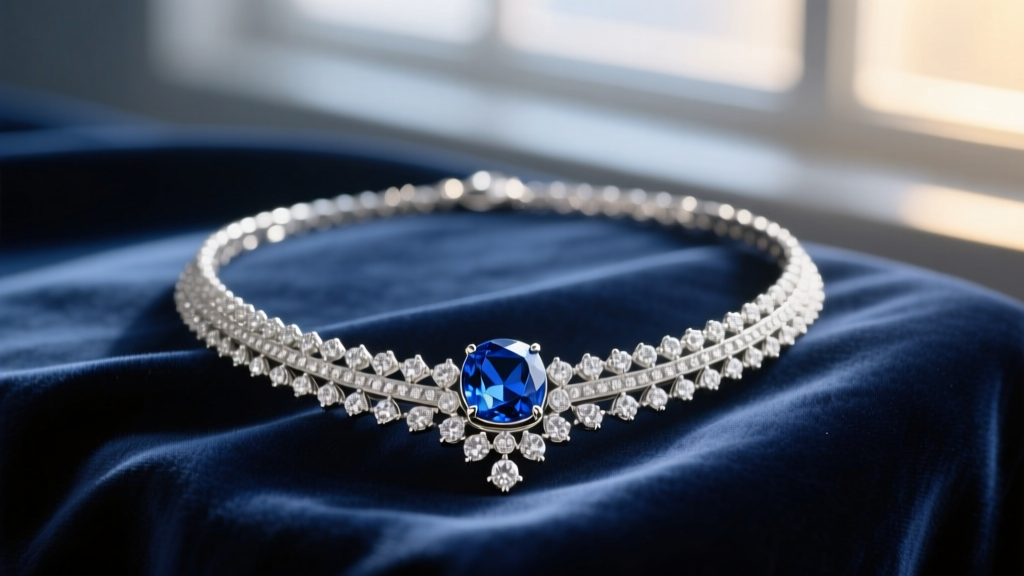
Since the 1997 cinematic phenomenon, the demand for a high-quality replica of the Titanic necklace has remained a cornerstone of the theatrical and vintage-style jewelry market. The original piece, designed by Harry Winston for the film, featured a 15-carat blue sapphire surrounded by brilliant-cut diamonds. Today, the market is flooded with thousands of reproductions ranging from $20 novelty items to $2,500 premium lab-grown sapphire tributes. However, owning a cinematic replica comes with unique structural and metallurgical challenges. The iconic design—a massive, front-heavy heart-shaped center stone encased in a diamond halo and suspended from an intricate interlocking heart bale—creates specific mechanical stress points that cheap manufacturers routinely ignore.
If your replica is suffering from snapped chains, cloudy gemstones, or severe metal tarnishing, you are not alone. This troubleshooting guide dives deep into the material science and mechanical engineering of the Heart of the Ocean design, providing actionable solutions to restore and maintain your necklace. Whether you are dealing with a brass-alloy novelty piece or a sterling silver collector's item, understanding these failure modes is critical for long-term preservation.
Troubleshooting Chain Breakage and Pendant Weight Distribution
The most frequent complaint among replica owners is catastrophic chain failure. The Heart of the Ocean pendant is notoriously front-heavy. A standard 1.0mm or 1.2mm cable chain, which is perfectly adequate for a lightweight 5-gram solitaire pendant, will experience rapid metal fatigue when subjected to the kinetic swing of a 30-gram to 50-gram replica. The stress concentrates entirely on the single jump ring connecting the chain to the pendant's bale, eventually causing the wire to thin, warp, and snap.
To solve this, you must upgrade the chain to a style that distributes weight laterally and resists torsional stress. According to industrial jewelry manufacturing standards outlined by Rio Grande Jewelry Supply, chain gauge and weave pattern are the primary determinants of tensile strength. Below is a diagnostic table to help you select the correct replacement chain based on your pendant's exact weight.
| Chain Style | Gauge (mm) | Max Pendant Weight | Durability Rating | Troubleshooting Verdict |
|---|---|---|---|---|
| Standard Cable | 1.0 - 1.5mm | Up to 15g | Low | Avoid. Will snap under kinetic stress of heavy replicas. |
| Curb Chain | 2.0 - 3.0mm | Up to 45g | Medium | Acceptable, but flat links can kink and pull chest hair. |
| Wheat (Spiga) | 2.5 - 3.5mm | Up to 60g | High | Highly Recommended. Excellent weight distribution and flexibility. |
| Rope Chain | 3.0 - 4.0mm | Up to 80g | Very High | Best for oversized, solid metal premium replicas. |
The Fix: Remove the original chain. Purchase a 2.5mm to 3.0mm solid (not hollow) sterling silver or 14k white gold Wheat chain. Ensure the jump ring connecting the pendant is soldered shut or upgraded to a heavy-duty split ring to prevent accidental unhooking.
Gemstone Clouding: Why Your Blue Stone is Turning Dull
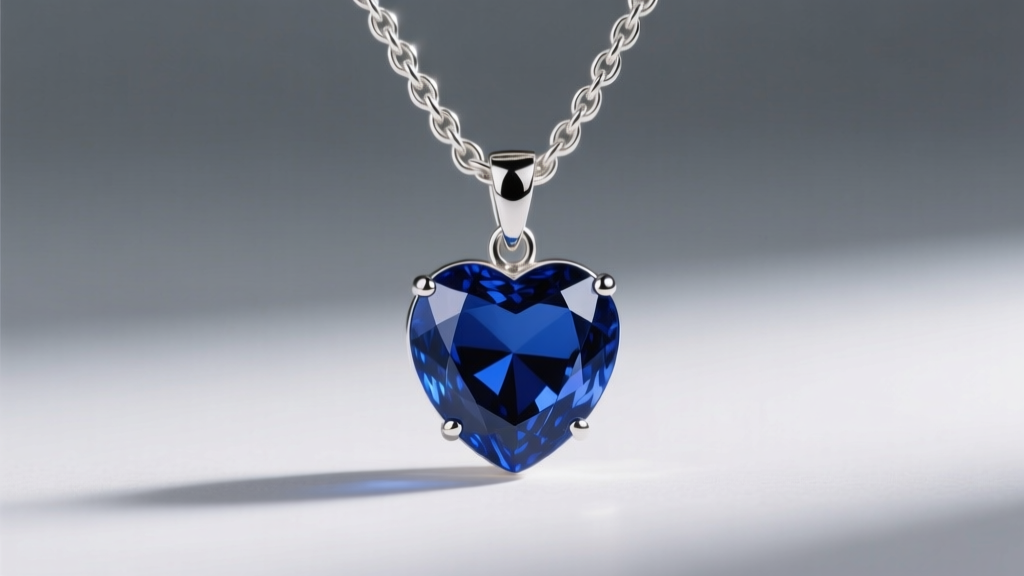
A pristine replica of the Titanic necklace relies on the deep, velvety blue of its center stone. However, many owners notice their gemstone becoming cloudy, milky, or scratched within months of wear. This degradation is directly tied to the material used to simulate the original sapphire.
Diagnosing the Stone Material
- Coated Glass (Mohs 5.5): Used in sub-$50 replicas. The blue color is often a surface coating or foil backing. Scratches easily from dust (which contains quartz, Mohs 7) and clouds permanently when the foil degrades from skin moisture.
- Cubic Zirconia (Mohs 8-8.5): The most common mid-tier simulant. While hard, CZ is highly oleophilic (attracts oils). It quickly accumulates a film of skin oils and lotions, reducing its refractive index and making it look dull and gray.
- Lab-Created Sapphire (Mohs 9): Used in premium replicas. Chemically identical to natural corundum. It does not attract oils and is virtually scratch-proof in daily wear.
According to the Gemological Institute of America (GIA), lab-created sapphires offer the exact same optical and physical properties as mined stones, making them the only viable choice for a high-end, heirloom-quality replica. If your stone is CZ, the clouding is reversible. Soak the pendant in a solution of warm water and a few drops of mild, ammonia-free dish soap for 15 minutes. Gently scrub the pavilion (back) of the stone with a baby-soft toothbrush to remove trapped oils. Never use an ultrasonic cleaner on a replica unless you are 100% certain the stone is solid corundum and not glass or fracture-filled CZ, as the high-frequency vibrations will shatter inferior simulants.
Metallurgical Nightmares: Tarnish and Skin Discoloration
The movie necklace gleams with the bright, untarnishable luster of platinum and white gold. To replicate this cheaply, mass-market manufacturers use base metal alloys (like brass or nickel-silver) plated with a microscopically thin layer of rhodium. Once this plating wears off—usually within weeks of friction against the collarbone—the underlying copper and nickel are exposed to the acidic pH of human sweat.
Expert Insight: If your skin is turning green or black beneath the pendant, you are experiencing a galvanic reaction. The copper in the base alloy is oxidizing and creating copper chloride salts on your skin. This is not dangerous, but it is a definitive indicator of low-tier metallurgy.
The Fix for Base Metals: You cannot stop base metals from oxidizing permanently, but you can create a barrier. Clean the back of the pendant thoroughly with rubbing alcohol, let it dry completely, and apply a thin coat of clear, jewelry-safe polyurethane sealant or specialized anti-tarnish nail polish. Reapply every three months.
The Fix for Sterling Silver (925): If your replica is solid sterling silver, it will tarnish (form silver sulfide) when exposed to sulfur in the air, but it will not turn your skin green. To restore the brilliant white luster, use a specialized silver polishing cloth impregnated with jeweler's rouge. Avoid liquid silver dips, as they are highly acidic and will strip the anti-tarnish rhodium plating that most high-end silver replicas feature.
The Bale and Jump Ring: Inspecting the Hidden Stress Points
The defining aesthetic feature of the Heart of the Ocean is its bale—the top portion that connects the main heart stone to the chain. In the film's design, this is a secondary, smaller heart shape paved with diamonds. In replicas, this intricate shape is often cast as a single, hollow piece of metal with weak solder joints where it meets the main pendant body.
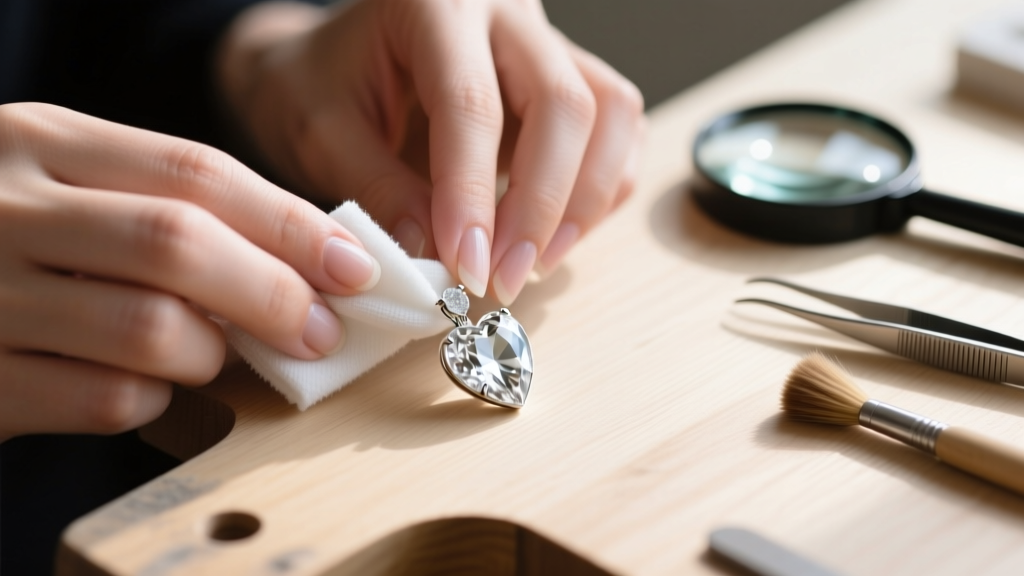
Inspect the connection points under a jeweler's loupe or a strong magnifying glass. Look for micro-fractures or dark lines along the solder seams. If you see a crack forming, the pendant will eventually separate, dropping the heavy center stone onto the floor or down a drain. Take the piece to a local bench jeweler and request a "laser weld" on the failing seam. Laser welding uses a highly focused beam of light to fuse metal without generating the widespread heat that could thermal-shock and crack a glass or CZ center stone.
How to Verify You Bought a Premium Replica
If you are currently shopping for a replacement or upgrading from a failing novelty piece, use this troubleshooting checklist to ensure you are purchasing a structurally sound replica:
- Check the Stamp: Look for a "925" stamp for sterling silver or "14k"/"18k" for gold. Avoid pieces stamped "Tibetan Silver" or "Alpaca," which are copper-nickel alloys containing zero precious metal.
- Verify the Stone Setting: Premium replicas use prong settings for the diamond halo and the center stone. Avoid replicas where the stones are simply glued into a bezel cup; the adhesive will degrade and the stones will fall out.
- Assess the Weight: A high-quality metal replica should feel substantial. If it feels as light as plastic, it is likely hollow-cast pot metal that will dent easily and cannot be repaired by a jeweler.
- Demand a Warranty on Plating: If buying a rhodium-plated silver piece, reputable sellers will offer a minimum 1-year warranty against plating wear and tear.
Final Thoughts on Maintaining Cinematic Jewelry
Owning a beautiful replica of the Titanic necklace is about more than just capturing a piece of cinematic history; it requires treating the item as a serious piece of structural jewelry. By upgrading the chain to a heavy-duty wheat weave, maintaining the gemstone with proper degreasing techniques, and proactively managing metal oxidation, you can ensure your Heart of the Ocean remains as breathtaking as the night it debuted on screen. Do not settle for the mechanical compromises of cheap manufacturing—apply these professional troubleshooting techniques, and your replica will endure for decades.


