Flowery Hawaiian Necklace Value Guide: Budget vs Fine Jewelry
Discover how to evaluate a flowery Hawaiian necklace. We compare materials, pricing tiers, and craftsmanship to help you find true island jewelry value.

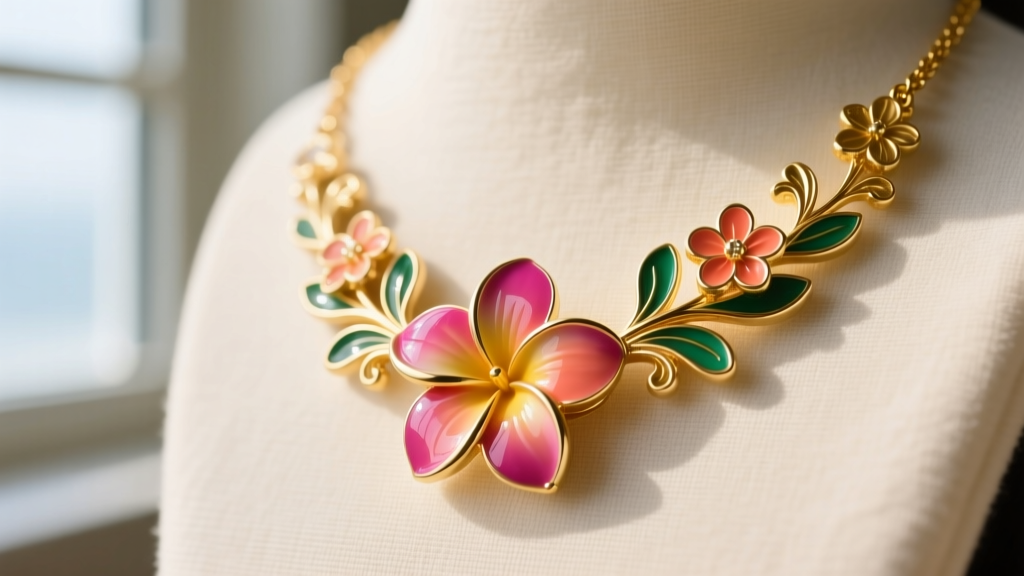
The Allure and Legacy of Island Floral Jewelry
When travelers and jewelry enthusiasts seek to capture the spirit of the islands, a flowery hawaiian necklace is often the ultimate sartorial prize. Featuring iconic motifs like the plumeria (melia), hibiscus (pua aloalo), and orchid (okika), these pieces range from mass-produced souvenir shop trinkets to masterfully hand-carved heirloom treasures. However, the vast price discrepancies in the market can leave buyers confused. Why does one floral pendant cost $25 while a seemingly similar one commands $1,200? As a jewelry appraiser and style consultant, I am breaking down the exact material grades, craftsmanship markers, and pricing matrices you need to assess true value in 2026.
Material Breakdown: What Are You Actually Paying For?
The foundation of any necklace’s value lies in its metallurgy and surface treatments. Hawaiian jewelry traditionally relies on specific metal alloys to withstand the harsh, salt-heavy coastal environment while maintaining a warm, tropical luster.
Precious Metals vs. Base Alloys
Authentic, heirloom-quality Hawaiian floral pendants are predominantly crafted in 14k yellow gold. The 14k alloy (58.5% pure gold) provides the perfect balance of rich color and structural durability, resisting the tarnishing that plagues lower-karat or silver pieces when exposed to ocean air and sunscreen chemicals. Sterling silver (925) is a respectable mid-tier option, though it requires rhodium plating or frequent polishing to prevent oxidation. Conversely, budget pieces are typically cast from zinc alloys, brass, or pot metal, which are prone to “zinc pest” (a powdery white degradation) and skin discoloration.
According to the Federal Trade Commission Jewelry Guides, any piece stamped with a karat mark must accurately reflect its gold content, and the manufacturer must stand behind the assay. Always look for a clear "14K" or "925" stamp alongside a maker's mark; unmarked floral pendants are almost universally base metal.
The Enamel Divide: Cold Epoxy vs. Vitreous Glass
The vibrant colors of a flowery hawaiian necklace—the deep pinks of the hibiscus or the soft yellows of the plumeria center—are achieved through enamel. This is where the greatest value disparity occurs.
- Cold Enamel (Epoxy Resin): Used in 90% of budget necklaces. It is essentially a two-part plastic resin poured into the metal recesses. It cures at room temperature but will yellow, chip, and peel within 1 to 3 years of UV exposure and wear.
- Vitreous (Kiln-Fired) Enamel: The hallmark of fine Hawaiian jewelry. Finely ground glass powder is packed into hand-carved metal cells and fired in a kiln at approximately 1,400°F. The glass fuses to the metal, creating a brilliant, fade-proof finish that can last generations. The Gemological Institute of America (GIA) notes that vitreous enamel has been the standard for high-end decorative jewelry for centuries due to its unparalleled light refraction and permanence.
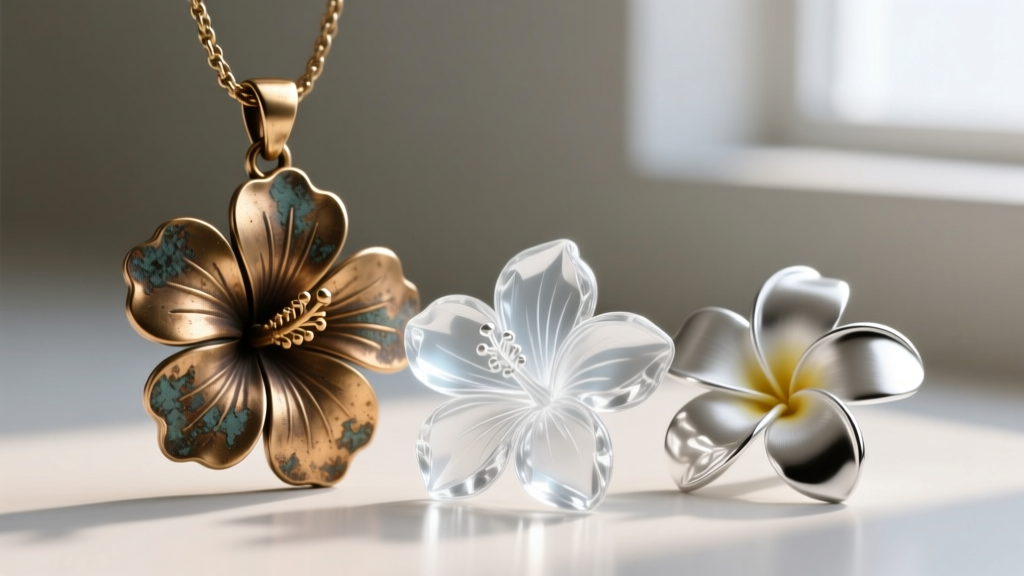
The 2026 Pricing Matrix: Budget to Heirloom
To help you benchmark your purchases, I have compiled a comprehensive value assessment table based on current market rates for island floral jewelry. Use this matrix to determine if a seller's asking price aligns with the actual materials and labor involved.
| Value Tier | Primary Metal | Color Treatment | Manufacturing Method | Estimated Price Range | Longevity |
|---|---|---|---|---|---|
| Tier 1 (Souvenir) | Zinc Alloy / Brass | Cold Epoxy Resin | Die-Cast (Mass Produced) | $15 - $45 | 1 - 3 Years |
| Tier 2 (Mid-Range) | 925 Sterling Silver | High-Grade Resin / Lacquer | Lost-Wax Cast | $80 - $250 | 5 - 10 Years |
| Tier 3 (Fine) | 10k or 14k Yellow Gold | Kiln-Fired Vitreous Enamel | Hand-Carved & Cast | $400 - $1,500+ | Lifetime / Heirloom |
| Tier 4 (Masterpiece) | 18k Gold & Platinum Accents | Vitreous Enamel & Diamonds | Fully Hand-Fabricated | $2,500 - $8,000+ | Generational |
Spotting the Fakes: Tourist Traps vs. Authentic Craftsmanship
When evaluating a flowery hawaiian necklace in person, you must look past the initial shine and inspect the structural integrity. Mass-produced tourist traps often hide severe manufacturing defects that lead to rapid failure.
Inspecting the Bail and Jump Rings
The bail (the loop that connects the pendant to the chain) is the primary stress point. In cheap necklaces, the bail is often glued on or soldered with a single, weak point of low-temperature solder. Over time, the weight of the pendant will snap the bail. Fine jewelry features a seamlessly cast bail or a heavy-gauge jump ring that is fully soldered shut. If you can see a visible slit in the jump ring, or if the bail wiggles loosely against the flower's stem, walk away.
Evaluating the Carving Depth
Authentic Hawaiian floral jewelry is celebrated for its deep, sculptural relief. The veins of the plumeria leaves and the ruffled edges of the hibiscus petals should have dramatic height variations. Budget pieces are stamped or shallow-cast, resulting in flat, lifeless motifs that lack the shadow and light play essential to tropical floral design. Run your thumb over the pendant; you should feel distinct, smooth topographical ridges, not a flat surface with painted lines.
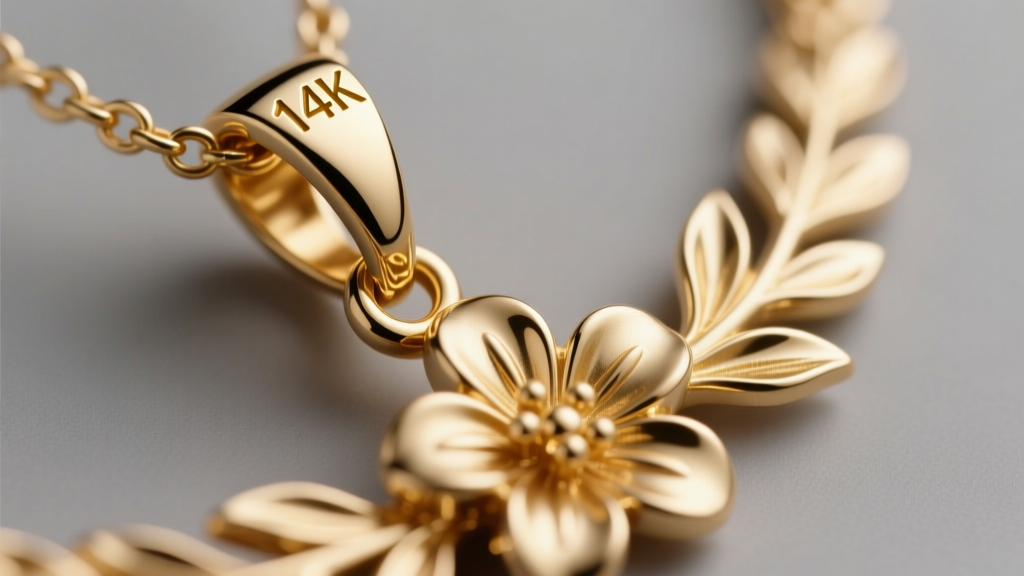
Chain Pairings: Supporting the Weight of the Islands
A high-quality floral pendant requires a chain that matches its structural demands and aesthetic weight. Pairing a heavy 14k gold hibiscus pendant with a flimsy chain is a recipe for a lost heirloom.
- For Heavy Gold Pendants (10g+): Opt for a 14k Gold Rope Chain in a 2.0mm to 3.0mm gauge. The twisted links of a rope chain provide exceptional tensile strength and reflect light beautifully, complementing the organic curves of the floral motif without competing for attention.
- For Mid-Weight Silver Pendants (4g - 9g): A Box Chain or Wheat Chain in 1.5mm offers a sleek, modern backdrop that allows the intricate enamel work of the flower to remain the focal point.
- Avoid: Snake chains and herringbone chains. While elegant, they are notoriously prone to kinking and snapping when subjected to the pendulum-like swinging motion of a heavy, asymmetrical floral pendant.
Care and Maintenance for Longevity
Even the finest vitreous enamel and 14k gold require specific care to maintain their value and brilliance. Island environments are harsh on jewelry. Salt spray, sulfur-rich hot springs, and chemical sunscreens can degrade both metal and enamel over time.
Pro-Tip: Never use ultrasonic cleaners on a flowery hawaiian necklace featuring enamel. The high-frequency vibrations can cause micro-fractures in the glass, leading to catastrophic shattering of the colored cells. Always clean these pieces with warm water, a drop of mild dish soap, and an extra-soft baby toothbrush.
Store your necklace flat in a lined jewelry box. Hanging heavy floral pendants for long periods can put undue stress on the chain links and the pendant's bail. By understanding the metallurgy, respecting the craftsmanship, and applying this budget-to-heirloom assessment framework, you can confidently invest in a piece of island heritage that will bloom for a lifetime.


