How to Style a Ravenclaw Necklace for Dark Academia
Learn how to style and layer a ravenclaw necklace for dark academia outfits. Expert tips on metals, chain lengths, and oxidized silver care.

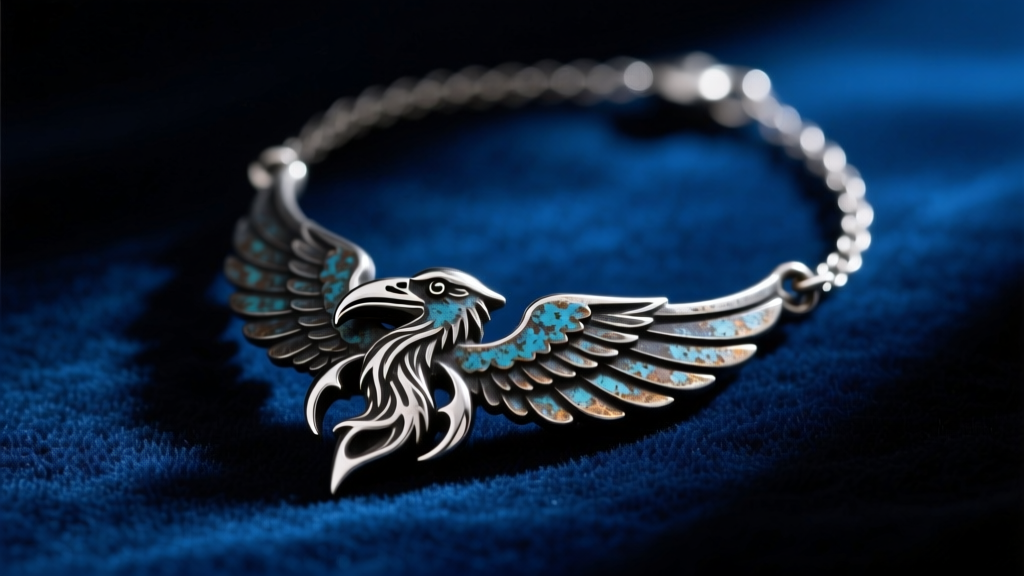
The Anatomy of a Ravenclaw Necklace
The ravenclaw necklace has evolved from a niche fantasy accessory into a cornerstone of the dark academia and gothic jewelry movements. Characterized by its intricate talon, feather, or raven motifs, this pendant style demands a thoughtful approach to styling. Unlike minimalist gold chains, a ravenclaw necklace carries visual weight, historical romanticism, and a distinct textural presence. To wear it effectively, you must understand the interplay between metal patinas, chain gauges, and the structural lines of your wardrobe. This step-by-step guide will walk you through selecting, layering, and maintaining your ravenclaw pendant to achieve a sophisticated, scholarly aesthetic.
Step 1: Selecting the Right Metal and Patina Grade
The foundation of any gothic or dark academia jewelry piece lies in its metallurgy and finish. When shopping for a ravenclaw necklace, you will typically encounter three primary materials, each requiring a different styling approach:
- Oxidized 925 Sterling Silver: This is the premium standard. Jewelers treat sterling silver with liver of sulfur to create a blackened patina that settles into the crevices of the talon or feather detailing. The high points are then polished to a bright silver shine, creating a striking contrast. Look for a '925' stamp on the bail.
- Cast Bronze: An alloy of copper and tin, bronze offers a warm, earthy brownish-gold tone that mimics antique artifacts. It is heavier than silver and develops a natural verdigris patina over time if not sealed with lacquer.
- Antiqued Brass: A more budget-friendly option, brass provides a muted yellow-gold hue. However, ensure the piece is coated with a hypoallergenic sealant, as raw brass can react with skin acidity and leave a green residue on your chest.
Expert Tip: Always check the bail (the loop connecting the pendant to the chain). A high-quality ravenclaw pendant should have a bail with an inner diameter of at least 4mm to 5mm, allowing it to slide seamlessly over thicker, textured chains like a 3mm rope or Figaro chain without getting stuck.
Step 2: Mastering the 3-Tier Layering Technique
A standalone ravenclaw necklace can sometimes look like a costume piece. To integrate it into a modern, elevated wardrobe, you must anchor it using the 3-tier layering framework. This technique balances the heavy visual weight of the raven motif with complementary, understated chains. According to Vogue's jewelry layering guidelines, varying lengths and textures are essential to prevent tangling and visual clutter.
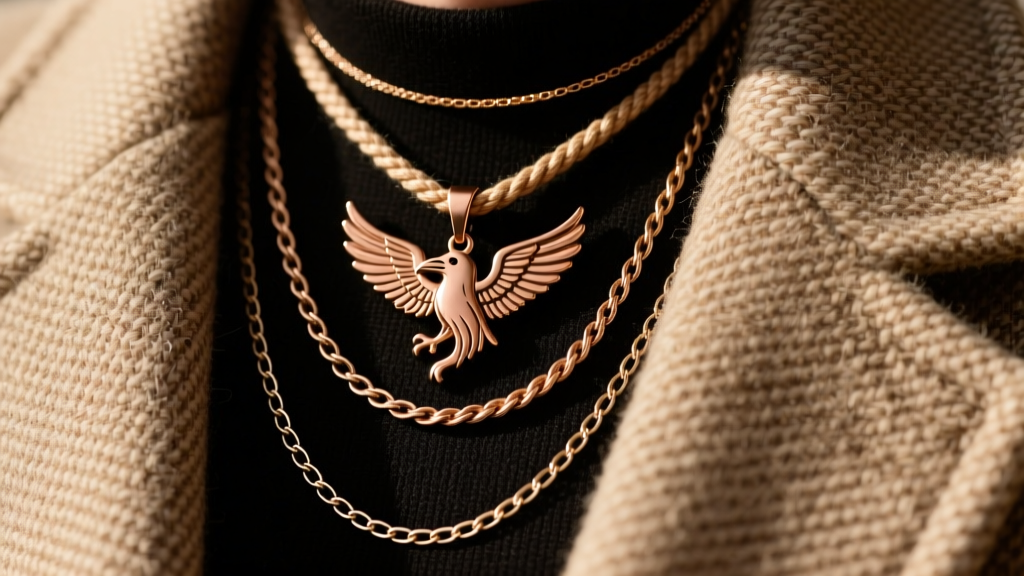
The Layering Blueprint
| Tier | Chain Style | Length | Gauge / Width | Purpose |
|---|---|---|---|---|
| Tier 1 (Base) | Box Chain or Snake Chain | 14' - 16' (Choker) | 1.0mm - 1.5mm | Frames the collarbone; provides a delicate contrast to the heavy pendant. |
| Tier 2 (Focal) | Rope Chain or Figaro | 18' - 20' (Princess) | 2.0mm - 3.0mm | Holds the ravenclaw pendant; sits securely below the base layer. |
| Tier 3 (Anchor) | Long Link or Lariat | 24' - 28' (Matinee) | 1.5mm - 2.0mm | Elongates the torso; draws the eye downward, balancing the outfit. |
When selecting clasps for your layering chains, opt for lobster clasps for any chain over 2.0mm in width. Spring ring clasps are too fragile for heavy gothic pendants and thicker rope chains, often failing under the tensile stress of a solid bronze or silver talon.
Step 3: Pairing with Dark Academia Necklines
The ravenclaw necklace is inherently theatrical. To prevent it from overwhelming your outfit, you must map the pendant's drop length to the neckline of your garment.
Turtlenecks and High Collars
When wearing a thick wool or cashmere turtleneck, a choker-length chain will disappear into the fabric folds. Instead, utilize a 22-inch to 24-inch matinee chain. The ravenclaw pendant should rest precisely at the center of the chest, acting as a focal point against the solid block of color. Deep burgundy, forest green, and charcoal grey turtlenecks provide the best backdrop for oxidized silver.
Peter Pan and Pussybow Blouses
These vintage-inspired collars are highly detailed. If you wear a ravenclaw necklace with a Peter Pan collar, keep the chain short (16 to 18 inches) so the pendant sits just below the collar's edge. Avoid layering in this scenario; the intricate fabric details combined with multiple chains will create a cluttered, chaotic silhouette.
Open V-Necks and Cardigans
This is where the 3-tier layering technique shines. An open V-neck cardigan or a deep V-neck blouse creates a natural geometric frame for your jewelry. Ensure your Tier 2 ravenclaw pendant sits exactly in the center of the 'V', while the Tier 1 and Tier 3 chains trace the outer edges of the neckline.
Step 4: Cleaning and Preserving Oxidized Finishes
Cleaning an oxidized ravenclaw necklace requires extreme care. Standard silver cleaning methods will ruin the intentional dark patina that gives the piece its gothic depth. The Gemological Institute of America (GIA) notes that chemical dips and abrasive polishes strip away the sulfur-induced oxidation, leaving the piece looking flat and overly bright.
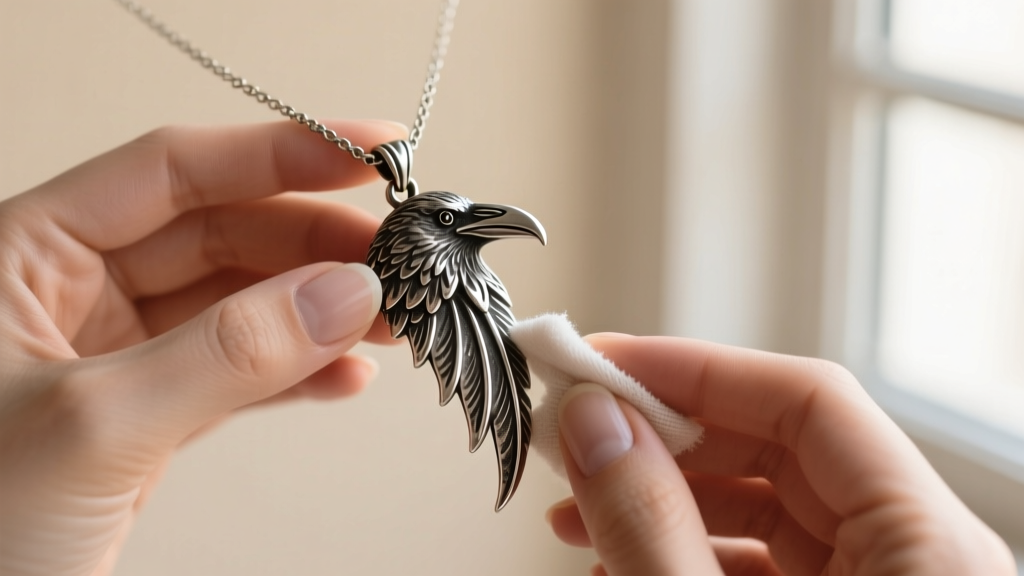
What to Avoid
- Ultrasonic Cleaners: The high-frequency vibrations can loosen the glue or prongs holding any accent gemstones (like onyx or garnet) often found in ravenclaw designs.
- Baking Soda and Aluminum Foil: While this is a popular DIY hack for removing tarnish from standard silver, it will completely reverse the oxidized finish of your gothic jewelry.
- Liquid Silver Dips: These harsh chemicals will strip the black crevices instantly.
The Proper Cleaning Method
To maintain your ravenclaw necklace, use a dry, untreated microfiber or jeweler's polishing cloth. Gently rub only the raised, high points of the talon or feather. This removes skin oils and environmental dirt while leaving the dark oxidation intact in the recessed areas. If the chain becomes tangled, lay it flat on a glass surface, apply a single drop of mineral oil to the knot, and use two fine sewing needles to tease it apart without stressing the metal links.
Final Styling Checklist
Before stepping out, run through this quick checklist to ensure your ravenclaw necklace is styled to perfection:
- Contrast Check: Does the metal finish contrast well with your top? (Oxidized silver pops on dark fabrics; bronze warms up earth tones).
- Length Verification: Is the pendant resting in a clean visual zone, free from busy fabric patterns or conflicting buttons?
- Tangle Test: If layering, do the chains sit flat without twisting around one another? (Textured chains like rope and Figaro tangle less when paired with smooth box chains).
- Clasp Security: Are all lobster clasps fully closed and facing the back of your neck to maintain a seamless front profile?
By treating your ravenclaw necklace not just as a pendant, but as a curated element of a broader sartorial narrative, you elevate it from a simple accessory to a masterclass in dark academia styling.


