Beginner Guide to Choosing a Necklace with Pearl and Gold
Discover how to choose, style, and care for a necklace with pearl and gold. Learn about pearl grades, gold karats, and chain lengths in this guide.

Why a Necklace with Pearl and Gold is a Timeless Investment
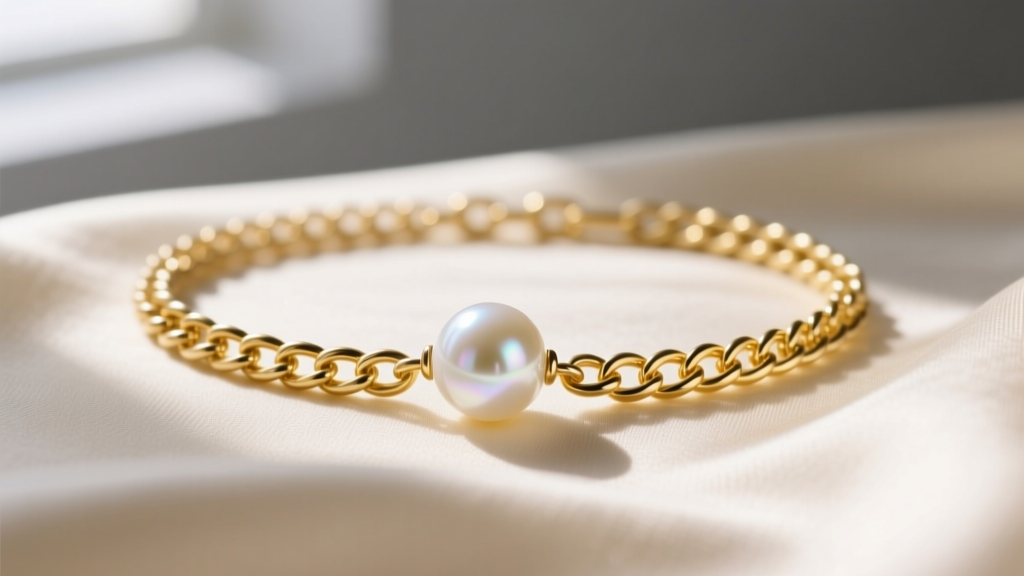
When building a foundational jewelry collection, few pieces offer the versatility and enduring elegance of a necklace with pearl and gold. The warm, reflective luster of gold perfectly complements the soft, iridescent glow of a pearl, creating a synergy that flatters virtually every skin tone. However, for beginners, the market can be overwhelming. From deciphering gold karats to understanding pearl nacre thickness, making an informed purchase requires a bit of technical knowledge. This guide breaks down the exact specifications, pricing tiers, and styling frameworks you need to select a piece that will last a lifetime.
Decoding the Materials: What Beginners Must Know
The longevity and value of your jewelry depend entirely on the base metal and the gemstone quality. Let us explore the specific grades you should look for when shopping.
Understanding Gold Karats and Alloys
Pure gold (24K) is too soft for everyday chain links or pendant settings; it will bend and warp. Therefore, gold is alloyed with metals like copper, silver, and zinc. According to the Federal Trade Commission Jewelry Guides, you must look for specific karat stamps to ensure you are getting what you pay for.
- 14K Gold (58.5% pure): The industry standard for durability. It offers a warm yellow hue and resists scratching. Expect to pay between $60 and $150 for a quality 14K cable chain.
- 18K Gold (75% pure): Richer in color and highly prized in luxury markets, but slightly softer. Best for pendants rather than heavy, load-bearing chains. Prices typically start at $120 and can exceed $400.
- Gold Vermeil (Avoid for heirlooms): This is sterling silver plated with a thin layer of gold. While affordable ($30-$60), the plating will eventually wear off, exposing the silver beneath. Always opt for solid gold for a permanent staple.
Pearl Varieties and the GIA Grading System
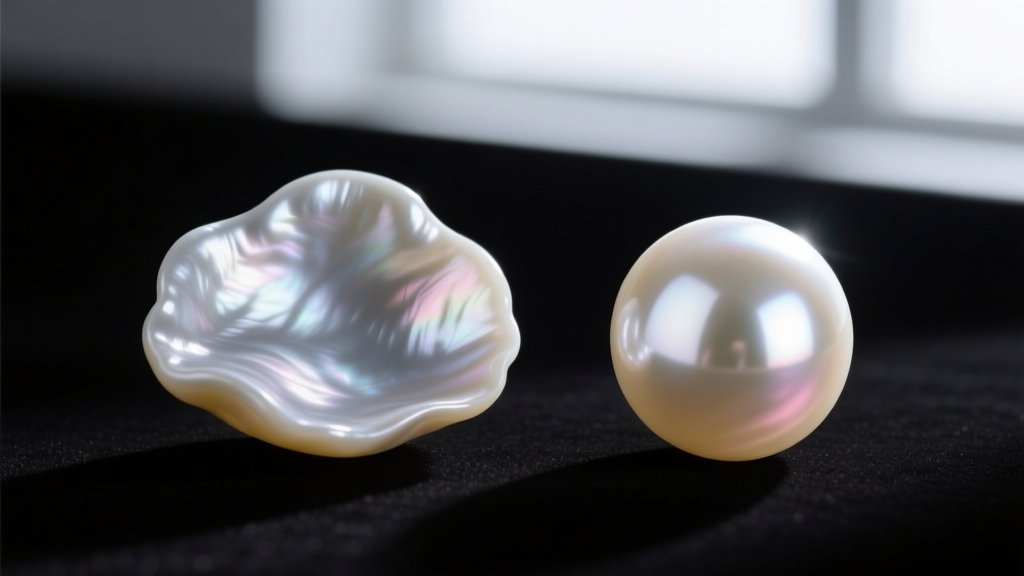
Not all pearls are created equal. The Gemological Institute of America (GIA) evaluates pearls based on seven factors: size, shape, color, luster, surface quality, nacre thickness, and matching. For a beginner buying a single pearl pendant or a simple strand, luster and nacre thickness are your most critical metrics.
| Pearl Type | Size Range | Luster Profile | Avg. Price (Single/Pendant) | Best For |
|---|---|---|---|---|
| Freshwater | 6mm - 10mm | Soft, satiny glow | $30 - $120 | Everyday wear, budget-friendly starters |
| Akoya | 6mm - 9mm | Mirror-like, sharp reflections | $150 - $600 | Classic elegance, formal events |
| South Sea | 10mm - 15mm | Deep, luxurious, satiny | $800 - $3,000+ | Statement pieces, luxury investments |
| Tahitian | 8mm - 14mm | Metallic, peacock overtones | $200 - $1,500 | Edgy, modern, high-contrast styling |
Chain Styles, Stringing, and Lengths
The architecture of the necklace dictates how it drapes and how secure your pearl remains. If you are buying a pearl strand rather than a single pendant on a gold chain, pay attention to the stringing method.
The Importance of French Wire and Silk Knotting
High-quality pearl strands are strung on 100% silk thread with individual knots between each pearl. This prevents the pearls from rubbing against one another (which damages the nacre) and ensures that if the strand breaks, you only lose one pearl. Furthermore, the ends of the silk should be protected by French wire (a tiny, coiled metal spring) where the thread loops through the gold clasp. This prevents the gold from slicing through the silk over time.
Choosing the Right Chain Length
- 16 Inches (Choker/Collar): Sits tightly at the base of the neck. Ideal for off-the-shoulder tops or boat necklines.
- 18 Inches (Princess): The most universal length. Rests gracefully on the collarbone and works with almost any neckline, from crew necks to V-necks.
- 20 to 24 Inches (Matinee): Falls between the collarbone and the bust. Excellent for business attire and high-necked blouses.
Styling Your Pearl and Gold Necklace for Every Neckline
Mastering the art of styling a necklace with pearl and gold requires understanding the geometry of your clothing. Here is a practical decision framework for pairing your jewelry with common necklines.
Pro Tip: When layering, always ensure a minimum two-inch difference between chain lengths to prevent the clasps and pendants from tangling and scratching the pearl's delicate surface.
- The Classic Button-Down: Leave the top two buttons undone and wear an 18-inch 14K gold chain with a single 8mm Akoya pearl pendant. The rigid collar frames the organic shape of the pearl beautifully.
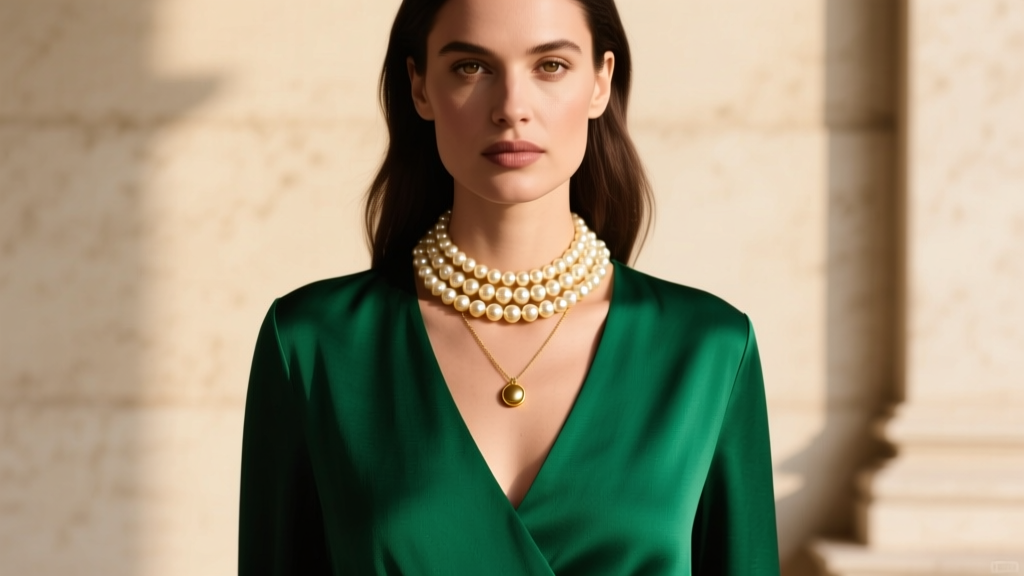
- The V-Neck Blouse or Dress: Mirror the V-shape by layering a 16-inch delicate gold choker with a 20-inch Y-necklace featuring a teardrop (baroque) pearl. This elongates the neck and draws the eye downward.
- The Crew Neck T-Shirt: Contrast the casual cotton with a 22-inch matinee-length strand of baroque freshwater pearls featuring a solid 18K gold clasp worn at the front as a focal point.
- The Sweetheart Neckline: Keep it minimal. A simple 16-inch gold rope chain with a small, perfectly round white pearl sits perfectly in the negative space without competing with the dress's architecture.
Care and Maintenance: Avoiding Common Beginner Mistakes
Pearls are organic gems, ranking a mere 2.5 to 3.0 on the Mohs hardness scale. They are highly susceptible to chemicals, acids, and dehydration. Following the GIA's pearl care guidelines will prevent catastrophic damage to your investment.
The "Last On, First Off" Rule
Always put your pearl and gold necklace on after applying makeup, perfume, hairspray, and lotions. The alcohol and acids in cosmetics can strip the pearl's nacre, leaving it dull and chalky over time. When you return home, take the necklace off first before changing or applying skincare.
What to Avoid at All Costs
- Ultrasonic Cleaners: Never put a pearl in an ultrasonic cleaner or steam cleaner. The high-frequency vibrations can shatter the nacre or cause the pearl to detach from its gold setting.
- Commercial Jewelry Dips: Silver and gold polishing liquids contain harsh chemicals (like thiourea) that will permanently etch the surface of a pearl.
- Airtight Plastic Bags: Pearls need moisture. Storing them in sealed plastic bags or safety deposit boxes without a damp cloth nearby can cause the nacre to crack and peel.
Routine Cleaning Protocol
After every wear, gently wipe the pearls with a soft, lint-free microfiber cloth to remove skin oils and sweat. If the gold chain requires a deeper clean, use a soft baby toothbrush dipped in warm water and a single drop of mild, phosphate-free dish soap. Brush only the gold, avoiding the pearl entirely, and pat dry immediately.
Final Thoughts on Building Your Collection
Investing in a necklace with pearl and gold is an exercise in balancing organic beauty with metallurgical precision. By prioritizing solid 14K or 18K gold, demanding high-luster Akoya or well-matched Freshwater pearls, and adhering to strict maintenance protocols, you secure a piece that transcends seasonal trends. Whether you opt for a modern baroque drop or a classic round strand, the combination of warm gold and luminous pearl remains an unparalleled hallmark of refined personal style.


