Exploring Pearl Necklace Designs: A Beginner's Style Guide
Discover how to choose pearl necklace designs. Learn about Akoya, Freshwater, and South Sea types, grading systems, and lengths in our guide.

Introduction: The Timeless Appeal of Pearl Jewelry
When building a foundational jewelry wardrobe, few elements carry the historical weight and versatile elegance of pearls. Unlike faceted gemstones mined from the earth, pearls are organic gems born from living mollusks. For beginners, navigating the vast array of pearl necklace designs can feel overwhelming. Between varying species, cryptic grading systems, and specialized terminology like 'nacre' and 'orient,' it is easy to overpay for low-quality strands or choose a style that clashes with your daily wardrobe.
This comprehensive explainer demystifies the process. We will break down the four primary pearl types, decode industry grading standards, and provide actionable frameworks for selecting the perfect pearl necklace designs for your neckline and lifestyle. Whether you are investing in your first strand or looking to layer modern baroque shapes, understanding these fundamentals is your best defense against buyer's remorse.
The Big Four: Understanding Pearl Types and Pricing
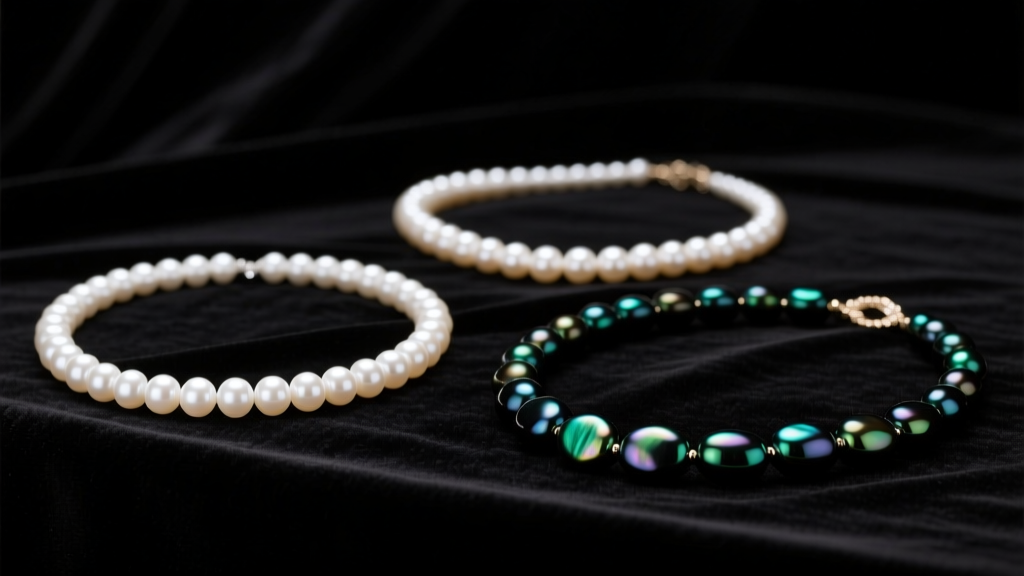
The foundation of any pearl strand is the mollusk that created it. Different species yield vastly different sizes, colors, and price points. According to the Gemological Institute of America (GIA), the market is dominated by four main varieties:
- Akoya Pearls: Cultivated primarily in Japan and China from the Pinctada fucata martensii oyster. Akoya pearls are the quintessential 'classic' white pearl. They rarely exceed 9mm in diameter but are prized for their sharp, mirror-like luster and perfect roundness. Expect to pay between $300 and $3,000 for a high-quality 16-inch strand.
- Freshwater Pearls: Grown in Hyriopsis mussels, mostly in China. A single mussel can produce up to 30 pearls at once, making them highly accessible. While historically known for irregular 'baroque' shapes, modern cultivation techniques now produce near-round pearls that rival Akoya. Pricing is incredibly beginner-friendly, ranging from $50 to $500.
- South Sea Pearls: Produced by the massive Pinctada maxima oyster in Australia, Indonesia, and the Philippines. These are the luxury heavyweights, ranging from 9mm to a massive 20mm. They exhibit a soft, satiny luster rather than a sharp mirror finish. White and golden hues dominate, with premium strands commanding $1,000 to well over $10,000.
- Tahitian Pearls: Grown in the Pinctada margaritifera oyster in French Polynesia. Often mistakenly called 'black pearls,' they actually display mesmerizing overtones of peacock green, aubergine, and gunmetal gray. Sizes range from 8mm to 16mm, with prices starting around $500 and climbing into the thousands.
Decoding Pearl Grading Systems and Nacre Thickness
One of the most confusing hurdles for beginners is that, unlike diamonds, there is no single, universally mandated grading system for pearls. However, most reputable jewelers use a variation of the AAA-A system or the Tahitian A-D system. When evaluating pearl necklace designs, luster and nacre thickness should be your primary focus.
Nacre is the crystalline substance the mollusk secretes to form the pearl. If a pearl is harvested too early, the nacre will be thin, leading to a chalky appearance and eventual peeling. The GIA recommends a minimum nacre thickness of 0.8mm for Akoya pearls to ensure longevity.
| Grade | Luster Quality | Surface Blemishes | Nacre Thickness |
|---|---|---|---|
| AAA (Gem) | Very High, mirror-like | 95% to 100% clean | Very Thick |
| AA+ | High, bright reflections | 85% to 90% clean | Thick |
| AA | Medium to High | 75% to 85% clean | Medium |
| A (Commercial) | Low, chalky or dull | Heavy blemishing | Thin (Avoid) |
Expert Tip: Always examine pearls under diffused lighting. If you cannot see a clear, sharp reflection of the light source on the pearl's surface, the nacre is likely too thin or the luster is poor, regardless of the grade stamped on the tag.
Matching Pearl Necklace Designs to Necklines
The length of your pearl strand dictates how it interacts with your clothing. Selecting the right length ensures your jewelry complements your outfit rather than competing with it.
Collar and Choker Lengths (10 to 16 Inches)
Collars sit snugly against the upper neck, while chokers rest just above the collarbone. These designs are highly formal and pair best with V-necks, scoop necks, or off-the-shoulder garments. A 16-inch Akoya choker is the most traditional bridal and business-professional choice, drawing the eye directly to the face.
Princess and Matinee Lengths (17 to 24 Inches)
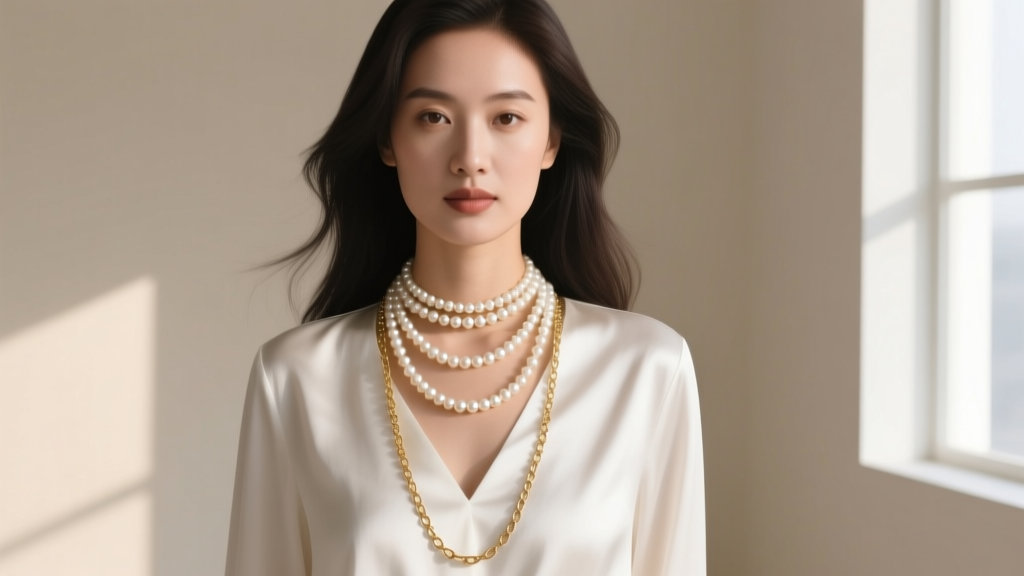
The Princess length (17-19 inches) is the most versatile, resting perfectly on the collarbone. It works with almost any neckline, from high crewnecks to deep plunges. The Matinee (20-24 inches) falls just above the bust. This length is ideal for business casual attire, adding elegance without the strict formality of a choker.
Opera and Rope Lengths (28 to 45+ Inches)
Opera length (28-36 inches) falls below the bust and is traditionally worn with evening wear or high turtlenecks. Modern styling often involves doubling an opera-length strand to create a layered choker effect. Rope lengths (over 45 inches) offer maximum versatility and can be wrapped multiple times or tied in a knot for a contemporary, bohemian aesthetic.
Construction Details: What Separates Fine from Costume
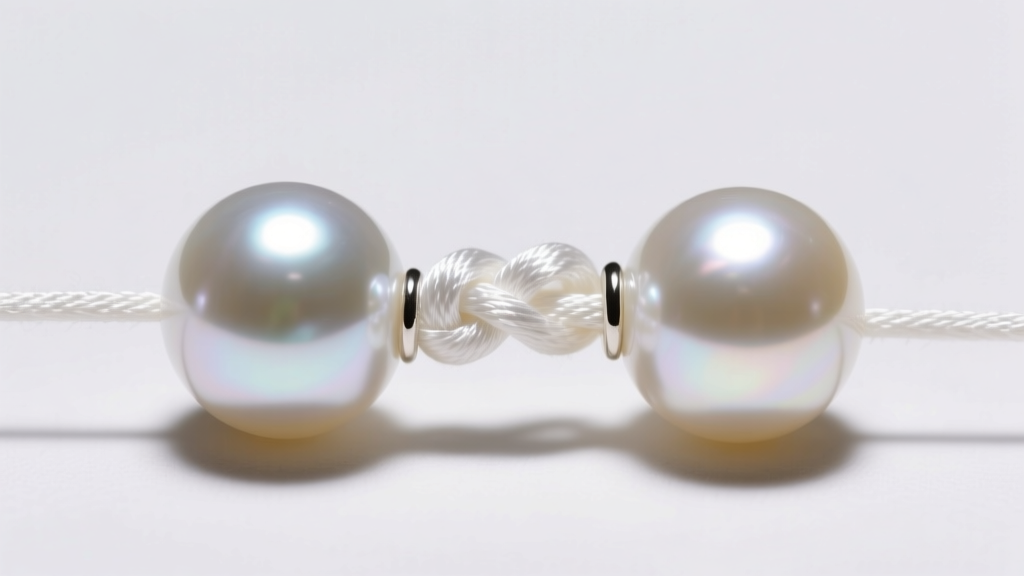
When investing in fine pearl necklace designs, the stringing material and knotting technique are just as critical as the pearls themselves. High-quality strands are individually hand-knotted on pure silk thread. These overhand knots serve two vital purposes: they prevent the pearls from rubbing against each other (which damages the nacre), and they ensure that if the strand snaps, you only lose a single pearl rather than the entire necklace.
Additionally, inspect the ends of the necklace where the thread meets the metal clasp. Fine jewelry will feature 'French wire'—a delicate coil of precious metal that wraps around the silk to protect it from fraying against the clasp ring. If the silk is simply tied directly to a metal jump ring, the thread will eventually shred, leading to a catastrophic break.
How to Spot Fake Pearls: The Beginner's Toolkit
As you explore vintage shops or online marketplaces, you will inevitably encounter imitation pearls made from glass, plastic, or shell beads coated with a synthetic pearlescent paint. To protect your investment, use these two foolproof authentication methods:
- The Tooth Test: Gently rub the pearl against the biting edge of your front teeth. A real pearl will feel distinctly gritty or sandy due to the microscopic crystalline structure of the nacre. A fake pearl will feel perfectly smooth, like glass or plastic.
- The Temperature Test: Real pearls are naturally cool to the touch and take a few seconds to warm up against your skin. Plastic fakes will feel room temperature immediately, while glass fakes will warm up much faster than genuine nacre.
Final Thoughts on Building Your Collection
Entering the world of pearl jewelry is a rewarding journey that bridges organic history with modern fashion. By prioritizing nacre thickness, understanding the distinct characteristics of Akoya, Freshwater, South Sea, and Tahitian varieties, and paying close attention to silk knotting and French wire construction, you can confidently navigate the market. For further reading on gemological standards, the GIA Pearl Quality Factors guide remains an indispensable resource. Start with a versatile 18-inch Freshwater or Akoya Princess strand, and let your collection grow organically from there.


