What Is a Liquid Silver Necklace? A Beginner’s Guide
Discover what a liquid silver necklace is, how to spot real .925 sterling multi-strand beads, pricing guides, and care tips for beginners.

The Anatomy and Origins of Liquid Silver
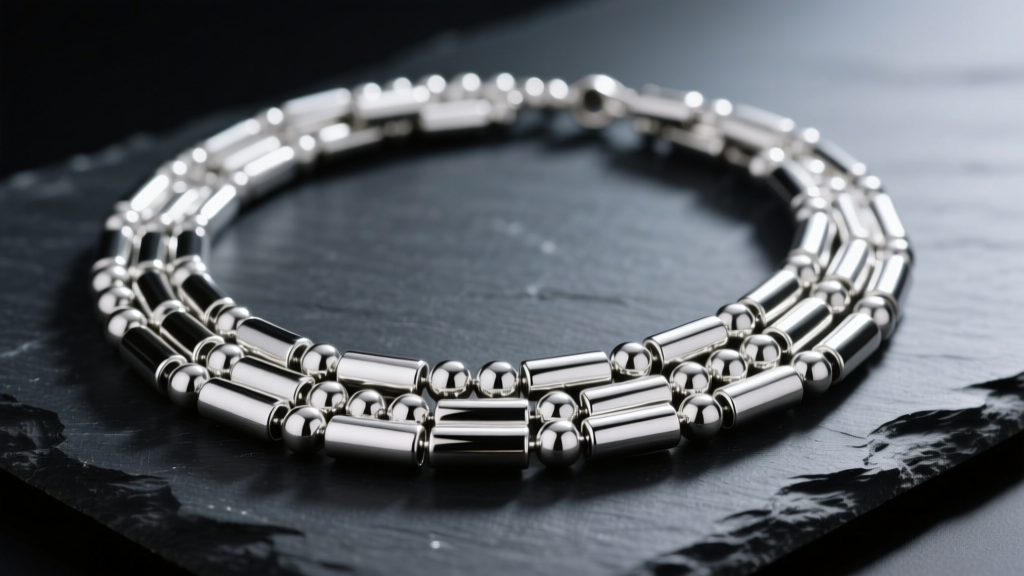
When you first encounter a liquid silver necklace, the name might suggest a modern, avant-garde piece of melted metal. However, in the jewelry world, 'liquid silver' refers to a masterful optical illusion. These necklaces are constructed from hundreds—sometimes thousands—of tiny, high-polish sterling silver beads strung together on multiple parallel threads. When draped across the collarbone, the beads catch the light and move with such fluidity that they mimic the appearance of flowing water or liquid mercury.
The style has deep roots in Southwestern and Native American jewelry, particularly among Navajo and Zuni artisans. Originally gaining massive commercial traction in the 1970s and 1980s, these pieces were designed to honor water, a sacred and precious resource in the desert Southwest. Today, as vintage Southwestern jewelry experiences a massive resurgence in 2026 fashion cycles, understanding how to identify, buy, and care for authentic liquid silver is essential for any collector or beginner.
Bead Shapes and Stringing Materials: The Engineering
Not all liquid silver necklaces are created equal. The 'flow' of the necklace depends entirely on the bead shape and the stringing material used by the artisan.
Common Bead Profiles
- Tubular: The most traditional shape. Small cylinders (usually 2mm to 4mm long) that stack tightly, creating a seamless, ribbed texture.
- Round: Tiny spherical beads that offer a slightly more granular, textured drape.
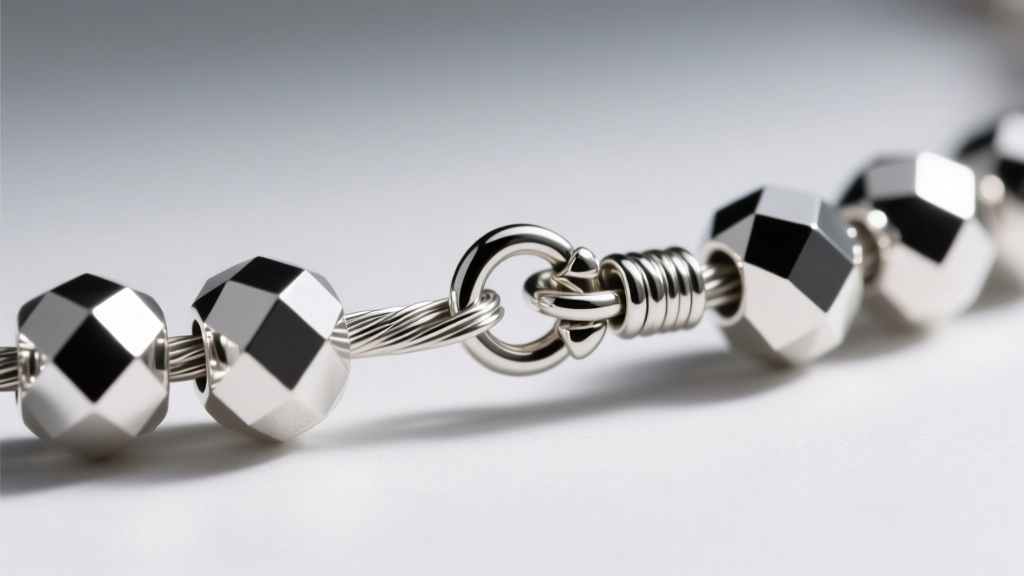
- Faceted: Beads with flat, polished cuts that maximize light reflection, making the necklace sparkle intensely under direct light.
Stringing Materials and Common Failure Modes
The most critical point of failure in vintage liquid silver is the stringing thread. In older pieces, artisans used cotton, silk, or early nylon threads. Because silver beads are stamped or cast, the inside of the bead hole can sometimes have a sharp, unfinished edge. Over decades of wear, the heavy silver beads act like tiny saws, eventually fraying and snapping the thread.
Modern, high-quality liquid silver necklaces use 49-strand micro-braided stainless steel wire coated in nylon (such as Soft Flex or Beadalon in a 0.018-inch or 0.019-inch diameter). This wire is virtually unbreakable under normal wear conditions and resists the abrasive sawing effect of the bead holes. When inspecting a piece, look closely at the clasp connection. You should see a metallic crimp bead flattened securely over the wire. If you see frayed thread or simple knotting, the piece will require immediate professional restringing.
How to Authenticate Real .925 Sterling Silver
The market is flooded with 'Tibetan silver,' silver-plated brass, and aluminum imitations that mimic the liquid silver look. According to the Gemological Institute of America (GIA), genuine sterling silver must contain exactly 92.5% pure silver and 7.5% alloy metals (usually copper) for durability. Here is how you can authenticate a piece without damaging it:
1. The Weight and Density Test
Silver is a dense metal (10.49 g/cm³). A genuine 6-strand, 18-inch liquid silver necklace should weigh between 45 and 65 grams. Imitations made from aluminum or hollow silver-plated brass will feel unnaturally light and 'plastic-like' in the hand.
2. The Drape and Sound Test
Real liquid silver flows like water. If you hold the necklace by the clasp, it should cascade downward without stiff kinks. Furthermore, when you gently drop a real sterling silver necklace onto a hard surface, it produces a soft, muted 'clinking' sound. Plated brass or steel alloys produce a sharper, higher-pitched ringing noise.
3. Hallmark Inspection
Use a jeweler's loupe to inspect the clasp or the small metal tag near the closure. Look for the stamps .925, STER, or STERLING. Be cautious of pieces stamped 'Tibetan Silver' or 'Alpaca,' as these contain zero actual silver and are often made of nickel-heavy alloys that can cause severe skin contact dermatitis.
2026 Pricing Guide: What Should You Pay?
Pricing for liquid silver necklaces varies wildly based on strand count, bead size, and the origin of the maker. The Indian Arts and Crafts Association (IACA) advises buyers to be highly skeptical of 'bargain' multi-strand necklaces, as authentic Native American craftsmanship requires hours of meticulous stringing. Below is a current market pricing framework for 2026:
| Strand Count | Origin / Maker | Stringing Material | Estimated Price Range |
|---|---|---|---|
| 3 to 4 Strands | Mass-Produced / Imported | Cotton Thread or Basic Nylon | $45 – $90 |
| 6 to 8 Strands | Native American Artisan | 49-Strand Coated Steel Wire | $250 – $450 |
| 10 to 12 Strands | Vintage / High-End Artisan | Heavy Gauge Wire / Silk | $600 – $1,200+ |
| Multi-Strand with Coral | Zuni or Navajo Master | Steel Wire with Spacer Bars | $800 – $2,500+ |
Styling and Neckline Pairings
Because liquid silver necklaces are visually dense and highly reflective, they act as a statement piece even without a pendant. The key to styling them is allowing the metal to rest directly against the skin or a contrasting fabric.
- The V-Neck: A 4-strand or 6-strand liquid silver necklace (typically 16 to 18 inches in length) perfectly mirrors the geometry of a V-neck top, drawing the eye downward and elongating the neck.
- Off-the-Shoulder / Boat Neck: Opt for a shorter, choker-style liquid silver piece (14 to 15 inches). The horizontal spread of the beads complements the wide neckline without overwhelming the collarbone.
- Layering: In 2026, the trend is to pair a delicate 3-strand liquid silver choker with a longer, matte-finish pendant necklace (like an oxidized silver coin or turquoise pendant). The contrast between the high-polish 'liquid' beads and the matte pendant creates incredible visual depth.
Cleaning and Storing Multi-Strand Silver
Sterling silver naturally tarnishes when exposed to sulfur and moisture in the air. However, cleaning a liquid silver necklace requires a vastly different approach than cleaning a solid silver chain.
CRITICAL WARNING: Never use liquid silver dips (like Tarn-X) on a multi-strand liquid silver necklace. The harsh chemicals will seep into the microscopic gaps between the beads, become trapped against the stringing wire, and cause rapid corrosion. Furthermore, these dips leave a chalky white residue that is nearly impossible to rinse out of tight bead holes.
The Proper Cleaning Routine
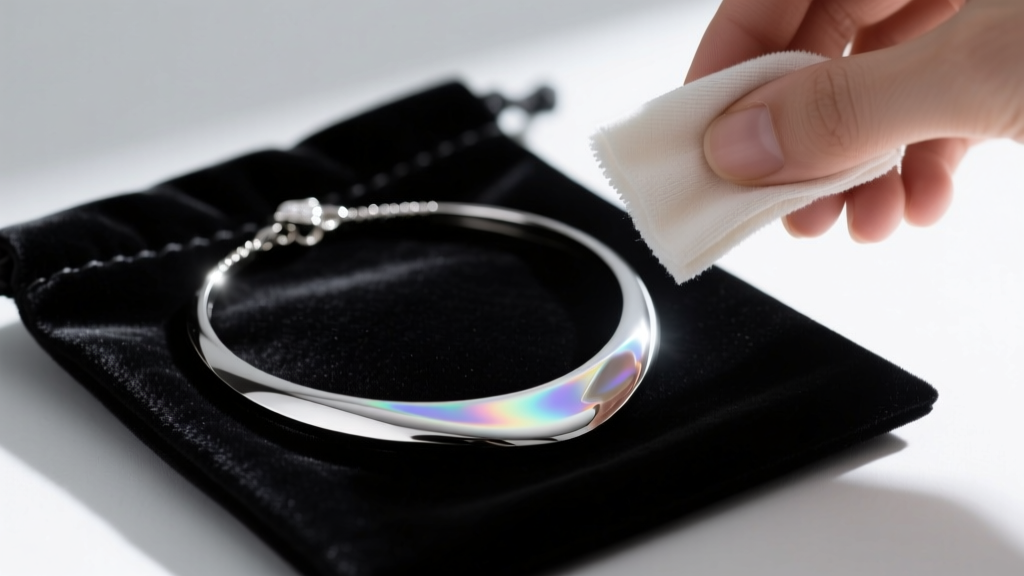
- Dry Polishing: Use a high-quality, treated microfiber silver polishing cloth. Gently pinch the strands between the cloth and run your fingers down the length of the necklace. This removes surface oxidation without stressing the stringing wire.
- Deep Cleaning (If Necessary): If the beads are heavily tarnished, mix a few drops of mild, phosphate-free dish soap with warm water. Dip a soft-bristled baby toothbrush into the solution and gently brush the beads. Avoid scrubbing the stringing material. Rinse quickly under lukewarm water and immediately dry with a microfiber cloth, followed by a blast of cool air from a hairdryer to ensure no moisture remains trapped inside the bead holes.
- Storage: Always store your liquid silver necklace flat in a dark, airtight velvet pouch. Include a 3M anti-tarnish strip inside the pouch to absorb ambient sulfur. Never hang a multi-strand liquid silver necklace on a jewelry tree, as the constant gravitational pull can stretch the stringing wire over time, leading to permanent kinks and eventual structural failure.
By understanding the engineering, authentication markers, and proper care protocols, you can confidently invest in a liquid silver necklace that will flow beautifully and last for generations.


