The Beginner's Guide to Styling a Skull Cross Necklace
Discover how to choose, style, and wear a skull cross necklace. Our beginner's guide covers metals, chain lengths, and outfit pairings for edgy elegance.

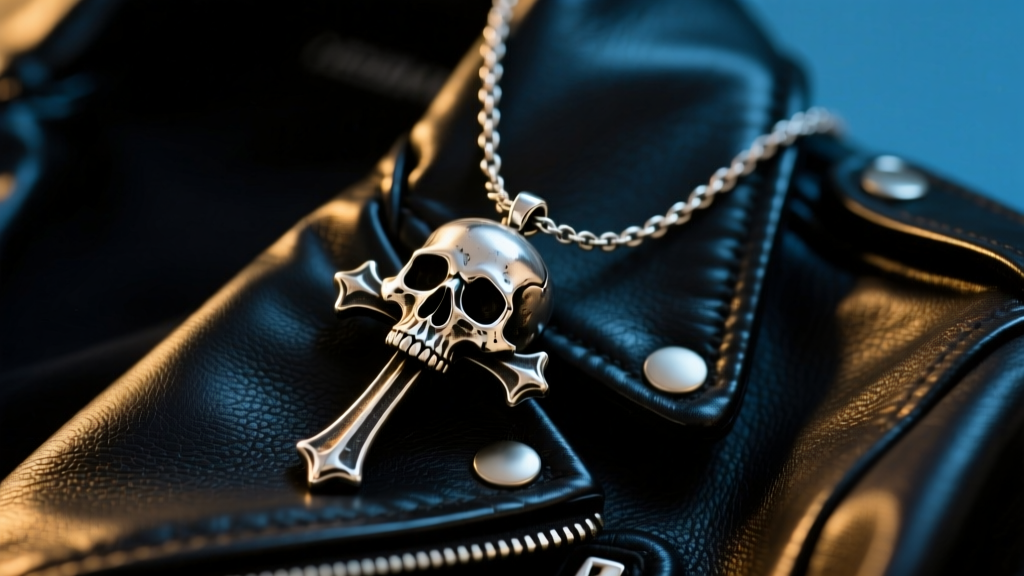
The Intersection of Rebellion and Refinement
When it comes to statement jewelry, few pieces command attention quite like a skull cross necklace. Straddling the line between gothic subculture, biker heritage, and modern high-fashion streetwear, this pendant style has evolved from a niche symbol of rebellion into a mainstream staple of men's and women's accessorizing. As we navigate the 2026 neo-gothic and streetwear revivals, understanding how to select, size, and style this bold piece is essential for anyone looking to elevate their everyday wardrobe.
However, buying your first skull cross pendant can be intimidating. The market is flooded with everything from $15 alloy knockoffs that will turn your skin green to $5,000 artisan-crafted sterling silver masterpieces. This beginner-friendly explainer will break down the anatomy of the skull cross, guide you through material grades, and teach you how to pair it with the correct chain gauge and length for a proportionate, stylish look.
The Anatomy of a Skull Cross Pendant
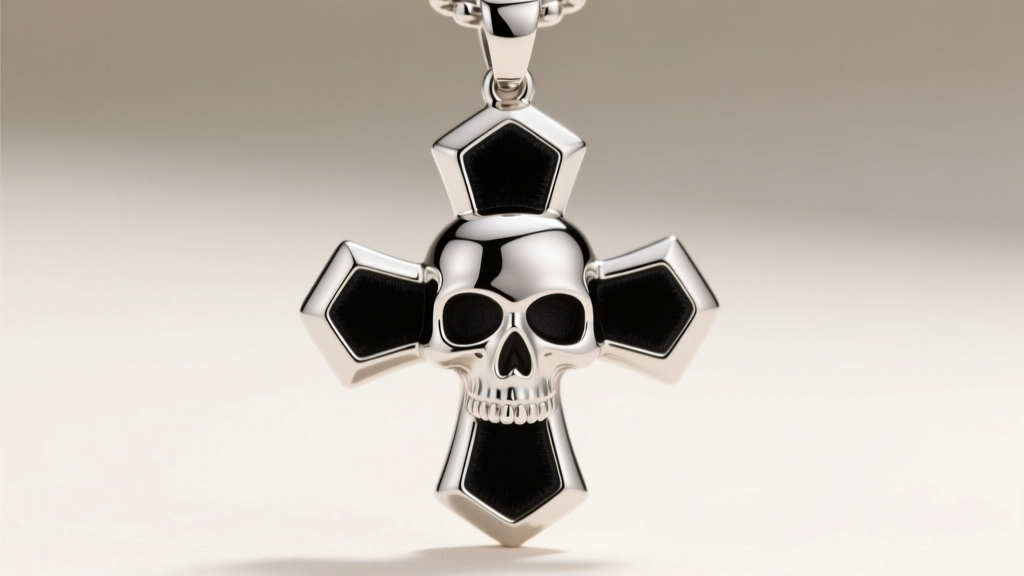
A skull cross necklace typically features a human skull superimposed over a cross, or a cross where the intersecting points are formed by skeletal elements. The design balances the memento mori (reminder of mortality) symbolism of the skull with the structural, geometric grounding of the cross.
Design Variations to Consider
- The Classic Overlay: A traditional Latin cross with a detailed skull resting at the center intersection. This is the most common and versatile design.
- The Integrated Bone Cross: The cross itself is formed by stylized femurs or spinal columns, often with a smaller skull at the top or center.
- The Dagger Hybrid: A popular variant in streetwear where a dagger pierces through the skull and cross, adding verticality and aggressive edge to the silhouette.
High-end luxury brands like Chrome Hearts often incorporate floral motifs, dagger elements, or gemstone accents into their skull cross designs, pushing the price point into the thousands. Conversely, independent silversmiths and streetwear brands like King Ice offer bold, geometric interpretations that prioritize heavy weight and clean lines at a more accessible price range.
Choosing the Right Metal: A Beginner’s Material Guide
The longevity, weight, and skin-compatibility of your necklace depend entirely on the metal. According to the Gemological Institute of America (GIA), understanding precious metal alloys is crucial to avoiding premature tarnishing and allergic reactions. Below is a breakdown of the most common metals used for skull cross pendants.
| Metal Grade | Durability & Weight | Tarnish & Skin Reaction | Estimated Price Range |
|---|---|---|---|
| 925 Sterling Silver | Medium weight, easily scratched but polishable. | Tarnishes naturally; often intentionally oxidized for contrast. Hypoallergenic. | $150 - $2,500+ |
| 316L Surgical Steel | Heavy, highly scratch-resistant, rigid. | Will not tarnish. Contains trace nickel (may irritate severe allergies). | $40 - $120 |
| Grade 5 Titanium | Extremely lightweight, virtually indestructible. | 100% hypoallergenic, zero tarnish. Difficult to cast intricate details. | $100 - $400 |
| Brass/Bronze | Heavy, develops a unique patina over time. | High tarnish rate; can turn skin green due to copper content. | $30 - $90 |
Expert Tip: If you want the intricate, darkened crevices that make skull details pop, look for oxidized 925 sterling silver. Jewelers use a chemical process to blacken the recessed areas of the casting, then polish the high points, creating a stunning 3D contrast that steel simply cannot replicate.
Chain Pairings: Matching the Bail and Links
A heavy skull cross pendant requires a chain that can support its weight both physically and visually. The most common beginner mistake is threading a massive, 40-gram silver skull onto a flimsy 1.5mm cable chain. This not only looks disproportionate but will inevitably result in a broken chain and a lost pendant.
Understanding the Bail
The 'bail' is the loop at the top of the pendant through which the chain passes. Before buying a chain, measure the inner diameter of the bail. If the bail has a 5mm opening, you must select a chain that is 4.5mm or thinner to ensure it slides freely without getting stuck.
Best Chain Styles for Skull Crosses
- Cuban / Curb Link (3mm - 6mm): The undisputed king of streetwear. The flat, interlocking links lay flush against the chest and provide a thick, masculine foundation for heavy pendants.
- Rope Chain (2.5mm - 4mm): The twisted links catch the light beautifully, offering a more traditional, vintage aesthetic that pairs exceptionally well with oxidized silver skulls.
- Box Chain (2mm - 3mm): Features square, geometric links. It offers a modern, sleek look but is generally weaker than a Cuban link of the same width. Avoid box chains for pendants weighing over 25 grams.
Proportions and Sizing: Getting the Drop Right
Where the skull cross rests on your chest dictates the entire vibe of the outfit. Chain length is highly dependent on your height, build, and the aesthetic you are aiming for.
The Length Guide
- 18 Inches (The Choker/Collarbone Drop): Sits high on the neck. Best for smaller, minimalist skull crosses (under 1 inch in height). Ideal for women or men pairing the piece with a button-down shirt.
- 20 Inches (The Standard Chest Drop): Rests just below the collarbone. This is the most versatile length for everyday wear, allowing the pendant to frame the face without getting lost in clothing folds.
- 24 Inches (The Streetwear Drop): Hangs down to the mid-chest. This length is mandatory for oversized, heavy skull crosses worn over hoodies, graphic tees, or outerwear.
- 30+ Inches (The Statement Piece): Hangs near the stomach. Reserved strictly for massive, hip-hop-inspired diamond-encrusted or solid gold skull pieces. Not recommended for subtle, everyday styling.
Styling Your Skull Cross Necklace for Everyday Wear
The skull cross is inherently loud, so the key to styling it is balancing the edginess of the pendant with the rest of your wardrobe. You want the jewelry to be the focal point, not compete with a chaotic outfit.
Neckline Pairings
A crewneck t-shirt (especially in stark white, charcoal, or black) provides a blank canvas that allows the metallic gleam of the cross to stand out. V-neck shirts naturally draw the eye downward, creating a perfect frame for a 20-inch or 22-inch drop. Avoid wearing skull crosses with busy, heavily patterned floral or graphic shirts, as the intricate details of the skull will get lost in the visual noise.
The Art of Layering
If you want to layer your skull cross, follow the 'Rule of Separation.' Pair your 22-inch skull cross with a plain, unadorned 18-inch chain (like a simple herringbone or thin cable chain). Ensure there is at least a 3-to-4-inch gap between the chains to prevent tangling and to let each piece breathe.
'The skull cross is a heavy visual anchor. If you are wearing one, strip back your other accessories. Let the pendant do the talking, and perhaps echo the metal tone with a simple signet ring or a minimalist watch case.' — Contemporary Menswear Styling Guidelines
Maintenance and Care for Darkened Details
Because skull cross necklaces rely heavily on shadows and depth to show off the facial features of the skull and the texture of the cross, proper cleaning is vital. Many beginners ruin their jewelry by using harsh chemical dips that strip away intentional detailing.
Cleaning Oxidized Sterling Silver
If your silver skull cross has dark, blackened crevices (oxidation), never use liquid silver dip or ultrasonic cleaners. These methods will strip the intentional patina, leaving you with a flat, overly bright, and cheap-looking pendant. Instead, use a dry, microfiber polishing cloth. Gently rub only the raised, high-polish areas of the skull and cross. The Jewelers of America recommends using a soft-bristled toothbrush to gently dust out dirt from the deep crevices without removing the oxidized finish.
Caring for Stainless Steel and Titanium
Fortunately, 316L steel and titanium are incredibly low maintenance. If your steel skull cross accumulates skin oils or lotion, simply wash it with warm water and a drop of mild dish soap. Dry it thoroughly with a soft cloth to prevent water spots. Steel does not require polishing compounds, and attempting to use abrasive silver polishes on steel can actually cause micro-scratches that dull the mirror finish.
Final Thoughts on Your First Purchase
Investing in a skull cross necklace is about more than just buying a piece of metal; it is about adopting a symbol that has transcended generations of fashion. By prioritizing quality materials like 925 silver or 316L steel, matching your chain gauge to the pendant's bail, and respecting the proportions of your chosen drop length, you will secure a versatile, enduring piece of jewelry that anchors your personal style for years to come.


